日本語

What materials are available for DLP 3D printing?

目次
Overview of Materials Used in DLP 3D Printing
Standard Photopolymer Resins
Engineering Resins for Functional Parts
Flexible and Elastic Resins
High-Temperature and Advanced Functional Resins
Surface Finishing and Post-Processing
Industries Using DLP Materials
Conclusion

Overview of Materials Used in DLP 3D Printing

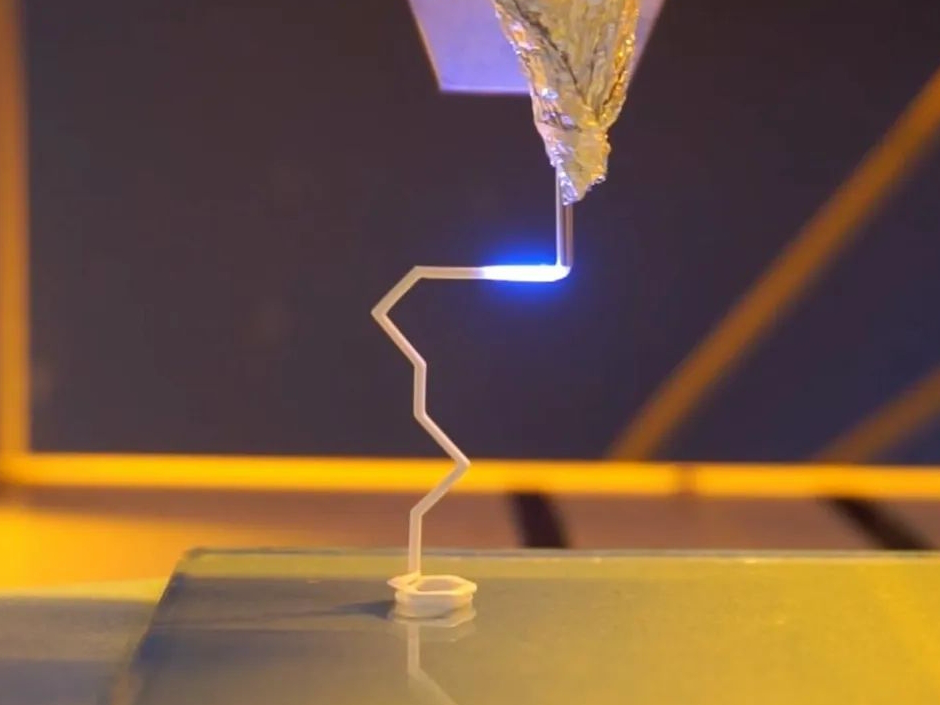
Digital Light Processing (DLP) is a resin-based additive manufacturing technology known for its high precision and smooth surface finish. Similar to other photopolymer technologies, DLP printing operates through the Vat Photopolymerization process, where liquid photopolymer resins are cured using projected light patterns to build parts layer by layer.

Through professional 3D Printing Service providers, manufacturers can choose from a wide variety of resin materials designed for different mechanical, thermal, and aesthetic requirements. These materials enable DLP technology to support applications ranging from high-detail prototypes to functional industrial components.

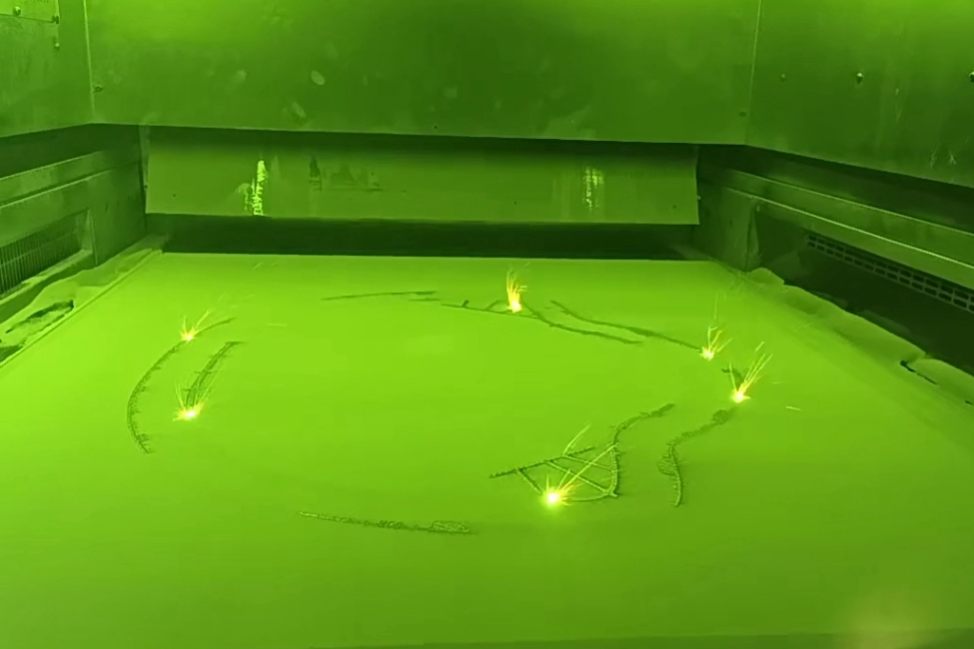
In modern additive manufacturing environments, resin-based printing technologies are often used alongside processes such as Material Extrusion, Powder Bed Fusion, Binder Jetting, and hybrid technologies like Directed Energy Deposition to provide a comprehensive manufacturing solution.

Standard Photopolymer Resins

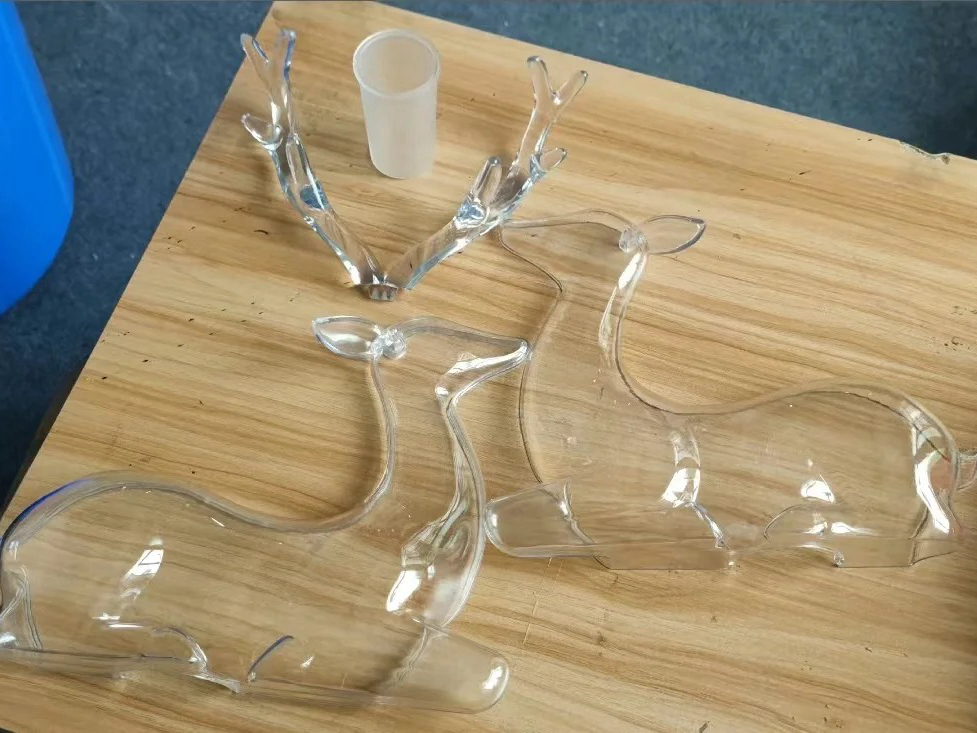
Standard photopolymer materials are the most commonly used resins in DLP printing. These materials provide excellent detail resolution and smooth surface quality, making them ideal for visual prototypes, design validation models, and presentation parts.

One of the most widely used options is Standard Resins. These resins offer good dimensional accuracy and are commonly used for concept models, product development prototypes, and demonstration components.

Engineering Resins for Functional Parts

Engineering resins are formulated to provide enhanced mechanical performance compared with standard photopolymers. These materials can withstand higher mechanical loads and environmental stresses.

For example, Tough Resins are designed to simulate the mechanical properties of engineering plastics such as ABS, offering improved impact resistance and durability.

Similarly, Durable Resins provide enhanced flexibility and wear resistance, making them suitable for moving components, snap-fit parts, and mechanical assemblies.

Flexible and Elastic Resins

Some applications require flexible materials capable of bending or absorbing mechanical stress. In such cases, DLP printing can use specialized elastomer-like materials such as Flexible Resins.

These materials allow engineers to produce components such as seals, gaskets, ergonomic grips, and shock-absorbing elements while maintaining the high dimensional accuracy associated with resin printing technologies.

High-Temperature and Advanced Functional Resins

For applications that involve elevated temperatures or harsh environments, advanced materials such as High-Temperature Resins provide improved thermal resistance and dimensional stability.

These materials are particularly valuable in engineering sectors where components must withstand heat exposure during testing or manufacturing processes.

Surface Finishing and Post-Processing

Although DLP printing produces smooth surfaces directly from the printing process, additional finishing operations may be required depending on the application.

Precision finishing methods such as CNC Machining can refine critical features and improve dimensional accuracy.

For components exposed to high temperatures or harsh environments, specialized coatings such as Thermal Barrier Coatings (TBC) may be applied to improve durability and heat resistance.

Industries Using DLP Materials

The versatility of photopolymer materials allows DLP printing to support multiple industries.

The Medical and Healthcare industry uses DLP printing to manufacture dental models, surgical guides, and patient-specific anatomical replicas.

Companies involved in Consumer Electronics product development use resin printing to create high-detail prototype housings and ergonomic device components.

Additionally, the Education and Research sector benefits from DLP printing for laboratory equipment, experimental devices, and scientific modeling.

Conclusion

DLP 3D printing supports a wide range of photopolymer materials, from standard resins used for visual prototypes to advanced engineering resins designed for functional industrial applications. These materials allow manufacturers to produce high-resolution parts with excellent surface finish and dimensional accuracy.

As resin formulations continue to evolve, DLP printing will continue expanding its role in industries that require precision manufacturing and specialized material performance.

専門家による設計と製造のヒントをメールで受け取りたい方は購読してください。
この投稿を共有: