Wie unterscheidet sich DLP-3D-Druck von SLA und FDM?
Überblick über DLP-, SLA- und FDM-Drucktechnologien
Die additive Fertigung umfasst mehrere Technologien, die sich in Druckprinzip, Materialien und Leistungsmerkmalen unterscheiden. Zu den gängigsten gehören Digital Light Processing (DLP), Stereolithographie (SLA) und Fused Deposition Modeling (FDM). Jede Methode erzeugt Bauteile schichtweise, aber die Art und Weise, wie diese Schichten gebildet werden, variiert erheblich.
Professionelle 3D-Druckdienstleister bieten oft mehrere additive Technologien an, um verschiedene industrielle Anforderungen zu unterstützen. SLA und DLP gehören zur kategorischen Harz-basierten Photopolymerisation, während FDM auf thermoplastischer Extrusion basiert.
DLP und SLA arbeiten mit dem Vat-Photopolymerisationsprozess, wohingegen FDM das Materialextrusions-Fertigungsverfahren nutzt. Diese technologischen Unterschiede beeinflussen Druckgeschwindigkeit, Oberflächengüte und Materialoptionen.
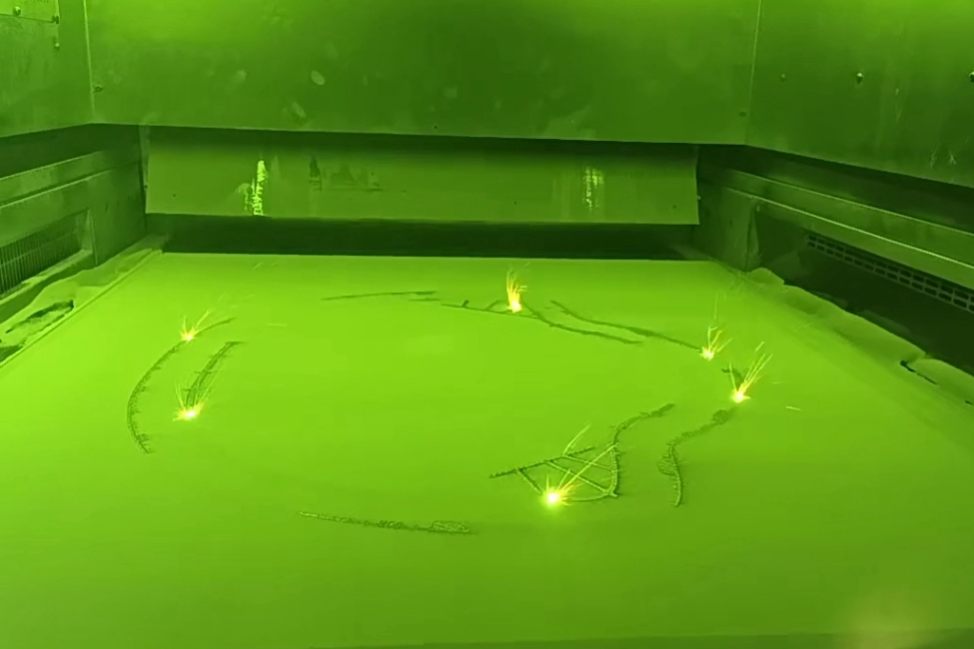
In fortschrittlichen Fertigungsabläufen können diese Technologien auch andere additive Prozesse wie Powder Bed Fusion, Binder Jetting oder Reparaturtechnologien wie Directed Energy Deposition ergänzen.
DLP-Drucktechnologie
Digital Light Processing (DLP) verwendet einen digitalen Projektor, um ein vollständiges Bild jeder Schicht auf einen Behälter mit flüssigem Photopolymerharz zu projizieren. Diese Lichteinwirkung härtet die gesamte Schicht sofort und gleichzeitig aus. Da eine komplette Schicht in einer einzigen Belichtung ausgehärtet wird, kann DLP schneller drucken als viele andere harzbasierte Systeme.
Die Fähigkeit, ganze Schichten auf einmal auszuhärten, macht DLP hocheffizient für die Herstellung kleiner, hochdetaillierter Komponenten in großen Stückzahlen. Die DLP-Technologie ist besonders nützlich für Anwendungen, die eine hohe Auflösung und glatte Oberflächen erfordern.
Gängige Materialien für den DLP-Druck sind spezielle Photopolymere wie Standardharze, die häufig für detaillierte Prototypen und visuelle Modelle verwendet werden.
SLA-Drucktechnologie
Stereolithographie (SLA) verwendet ebenfalls flüssiges Photopolymerharz, unterscheidet sich aber in der Art und Weise, wie jede Schicht ausgehärtet wird. Anstatt ein gesamtes Bild zu projizieren, verwendet SLA einen Laser, der über die Harzoberfläche scannt und die Geometrie jeder Schicht selektiv aushärtet.
Dieser laserbasierte Ansatz bietet extrem hohe Präzision und hervorragende Oberflächengüte. Da der Laser jedoch jede Schicht Punkt für Punkt abfahren muss, kann SLA für bestimmte Geometrien etwas langsamer sein als DLP.
Für Anwendungen, die eine verbesserte Wärmebeständigkeit erfordern, können SLA-Systeme spezielle Materialien wie Hochtemperaturharze verwenden.
FDM-Drucktechnologie
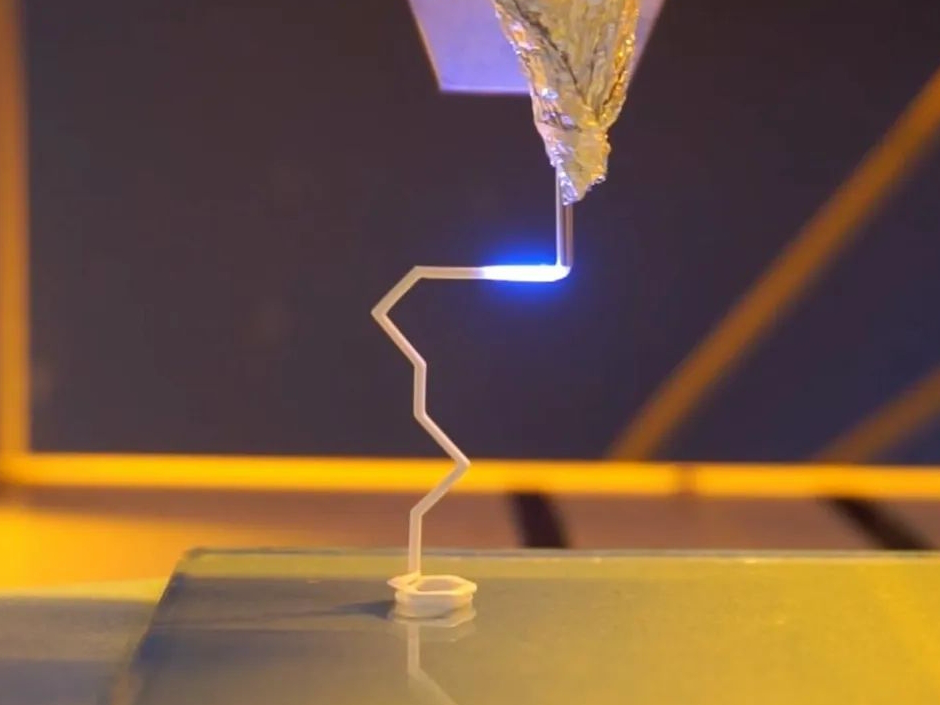
Fused Deposition Modeling (FDM) unterscheidet sich erheblich von sowohl SLA als auch DLP. Anstatt flüssiges Harz auszuhärten, schmelzen FDM-Drucker thermoplastisches Filament und deponieren es über eine Düse entlang eines programmierten Pfads.
Dieser extrusionsbasierte Ansatz ermöglicht die Verwendung von technischen Thermoplasten wie Acrylnitril-Butadien-Styrol (ABS), das Schlagfestigkeit und strukturelle Haltbarkeit bietet.
Stärkere mechanische Komponenten können mit Materialien wie Nylon (PA) hergestellt werden, das ausgezeichnete Verschleißfestigkeit und Ermüdungsbeständigkeit bietet.
Nachbearbeitungs- und Veredelungsaspekte
Unabhängig von der verwendeten Drucktechnologie benötigen viele Bauteile Nachbearbeitungsoperationen, um Funktionalität und Erscheinungsbild zu verbessern. Präzisionsverfeinerungsprozesse wie CNC-Bearbeitung werden häufig verwendet, um die Maßgenauigkeit zu verbessern.
Für Bauteile, die hohen Temperaturen oder anspruchsvollen Umgebungen ausgesetzt sind, können zusätzliche Behandlungen wie Thermische Barrierebeschichtungen (TBC) die Wärmebeständigkeit und Langzeithaltbarkeit verbessern.
Industrieanwendungen von DLP, SLA und FDM
Die Wahl zwischen diesen Technologien hängt von den Leistungsanforderungen der endgültigen Anwendung ab.
Der Medizin- und Gesundheitssektor verwendet häufig DLP und SLA für Dentalgeräte, chirurgische Führungen und anatomische Modelle, die extrem hohe Präzision erfordern.
In der Unterhaltungselektronikindustrie wird harzbasierter Druck verwendet, um hochdetaillierte Prototypengehäuse und Produktdesignmodelle zu erstellen.
Extrusionsbasierte Drucktechnologien werden unterdessen häufig in der Fertigung und Werkzeugherstellung für funktionale Prototypen, Vorrichtungen und Halterungen eingesetzt.
Schlussfolgerung
DLP, SLA und FDM repräsentieren jeweils unterschiedliche Ansätze der additiven Fertigung. DLP bietet schnelle Druckgeschwindigkeiten und hervorragende Details, indem ganze Harzschichten auf einmal ausgehärtet werden. SLA bietet extrem präzise laserbasierte Aushärtung für hochauflösende Modelle. FDM hingegen verwendet thermoplastische Extrusion, um haltbare funktionale Komponenten zu erstellen.
Das Verständnis dieser Unterschiede ermöglicht es Ingenieuren und Designern, die am besten geeignete Technologie basierend auf erforderlichen Materialeigenschaften, Produktionsgeschwindigkeit und Anwendungsanforderungen auszuwählen.