Was sind die Hauptvorteile der Verwendung von FDM für Prototyping?
Überblick über FDM-Prototyping in der modernen Produktentwicklung
In technischen Entwicklungszyklen ist die Fähigkeit, digitale Konzepte schnell in physische Modelle umzuwandeln, entscheidend. Eine der am weitesten verbreiteten additiven Technologien für die frühe Produktvalidierung ist Materialextrusion, allgemein bekannt als Fused Deposition Modeling (FDM). Dieser Prozess baut Bauteile Schicht für Schicht auf, indem geschmolzener thermoplastischer Filament entlang eines vordefinierten Werkzeugpfads abgelegt wird.
Durch professionelle 3D-Druckdienstleistungs-Plattformen ermöglicht FDM Ingenieuren, schnell funktionale Prototypen herzustellen, die die Geometrie, Passform und das mechanische Verhalten von Endprodukten eng repräsentieren. Im Vergleich zu konventionellen subtraktiven Methoden reduziert FDM die Entwicklungszeit und Werkzeugkosten erheblich und ermöglicht gleichzeitig schnelle Iterationen.
Infolgedessen ist FDM zu einer bevorzugten Lösung für Unternehmen geworden, die in Rapid Prototyping, Produkttests und frühe technische Validierung involviert sind.
Hauptvorteile von FDM für technische Prototypen
Schnelle Iteration und kurze Entwicklungszyklen
Der primäre Vorteil des FDM-Prototypings ist die Geschwindigkeit. Ingenieure können CAD-Modelle innerhalb von Stunden in physische Teile umwandeln. Durch digitale Schichtung und automatisierte Werkzeugpfade werden Teile direkt ohne Formen oder komplexe Werkzeuge hergestellt.
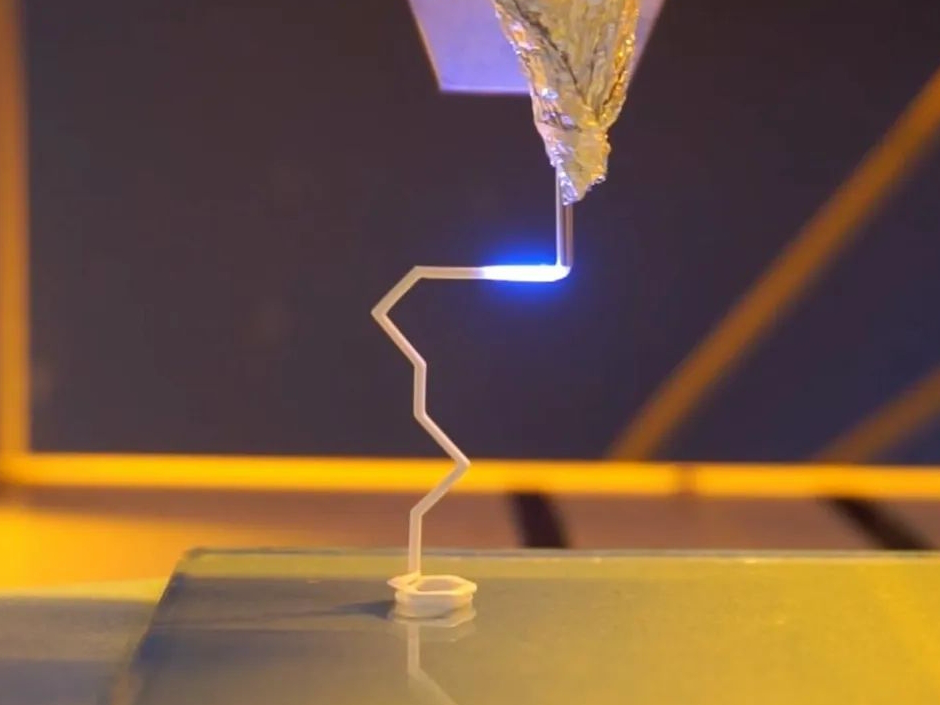
Diese schnelle Herstellungsfähigkeit ermöglicht es Designteams, mehrere Designiterationen schnell zu bewerten. In Kombination mit fortschrittlichen additiven Techniken wie Powder Bed Fusion oder hybriden Fertigungsabläufen wie Directed Energy Deposition können Organisationen je nach Komplexität, Material und Leistungsanforderungen die am besten geeignete Methode wählen.
Kosteneffiziente Prototypenfertigung
Ein weiterer großer Vorteil sind reduzierte Fertigungskosten. Traditionelle Bearbeitung oder Spritzguss erfordern teure Werkzeuge und längere Vorlaufzeiten. FDM eliminiert diese Vorabkosten, da Teile direkt aus digitalen Modellen hergestellt werden.
Für die Validierung funktionaler Prototypen kombinieren Ingenieure oft den FDM-Druck mit Präzisionsnachbearbeitungsprozessen wie CNC-Bearbeitung oder der Erstellung hochpräziser Kavitäten mittels Elektroerosiver Bearbeitung (EDM). Diese Nachbearbeitungsmethoden verbessern die Maßhaltigkeit und ermöglichen realistischere Produkttests.
Funktionstests mit technischen Thermoplasten
Im Gegensatz zu rein visuellen Prototypen unterstützt FDM eine breite Palette technischer Thermoplaste, die nützliche mechanische Leistung bieten.
Gängige Materialien sind Acrylnitril-Butadien-Styrol (ABS), bekannt für Schlagzähigkeit und strukturelle Stabilität. Für höhere Festigkeit und Flexibilität verwenden Ingenieure häufig Nylon (PA), das ausgezeichnete Ermüdungsbeständigkeit für Funktionstests bietet.
Fortschrittlichere Prototypen, die Wärmebeständigkeit oder chemische Stabilität erfordern, können mit Hochleistungsthermoplasten wie Polyetheretherketon (PEEK) oder luftfahrtqualifizierten Materialien wie Polyetherimid (ULTEM) PEI hergestellt werden. Für leichte transparente Teile oder optische Testkomponenten kann auch Polymethylmethacrylat (PMMA) Acryl verwendet werden.
Diese Materialoptionen ermöglichen eine realistische Bewertung von Festigkeit, Haltbarkeit und thermischer Leistung während der Prototypenvalidierung.
Verbesserung der Oberflächenqualität durch Nachbearbeitung
Während FDM-Teile direkt nach dem Druck für Funktionstests geeignet sind, kann die Oberflächenveredelung Leistung und Erscheinungsbild weiter verbessern. Techniken wie Wärmebehandlung können die strukturelle Stabilität verbessern und Eigenspannungen in Hochtemperaturmaterialien reduzieren.
Für Luftfahrt- oder Hochtemperaturanwendungen können spezielle Beschichtungen wie Thermische Barriereschichten (TBC) die Wärmebeständigkeit verbessern und die Lebensdauer von Komponenten während des Prototypentests verlängern.
Branchenanwendungen von FDM-Prototypen
Aufgrund seiner Flexibilität und Erschwinglichkeit wird FDM-Prototyping in vielen Branchen weit verbreitet eingesetzt.
Im Luft- und Raumfahrt-Sektor verwenden Ingenieure FDM-Prototypen, um Luftströmungskanäle, Halterungskonstruktionen und Montageschnittstellen zu testen, bevor hochwertige Metallkomponenten gefertigt werden.
In der Automobil-industrie werden FDM-Prototypen häufig zur Validierung von Armaturenbrettstrukturen, Montagehalterungen, Gehäusen und Werkzeugvorrichtungen verwendet.
Unterdessen verlassen sich Elektronikhersteller bei der Gehäuseerprobung und ergonomischen Bewertung in der Unterhaltungselektronik-Produktentwicklung auf FDM-Prototypen.
Fazit
FDM bleibt eine der effizientesten Technologien für die schnelle Produktentwicklung. Durch die Kombination von schnellem Druck, erschwinglichen thermoplastischen Materialien und flexiblen Nachbearbeitungsmöglichkeiten ermöglicht FDM Ingenieuren, Designs zu validieren, Funktionstests durchzuführen und die Markteinführungszeit zu beschleunigen.
Wenn es in einen umfassenderen additiven Fertigungsablauf integriert wird, dient FDM als leistungsstarkes technisches Werkzeug, das iterative Innovation unterstützt, Entwicklungsrisiken reduziert und den Übergang vom Prototyp zur Serienproduktion optimiert.