Resin
Resin 3D Printing Materials Introduction
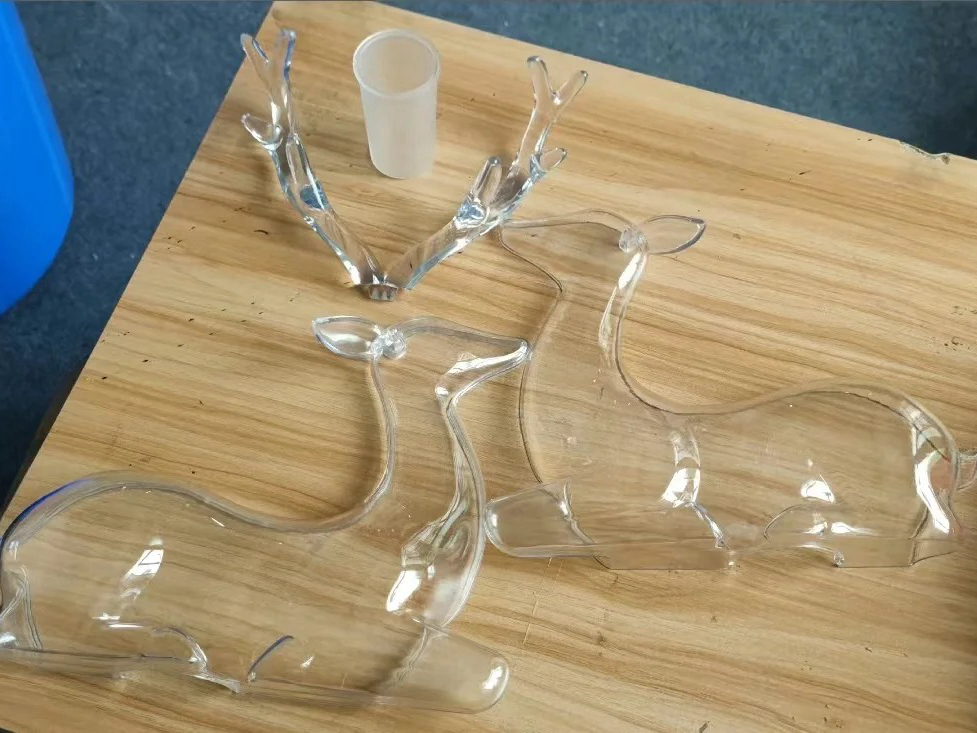
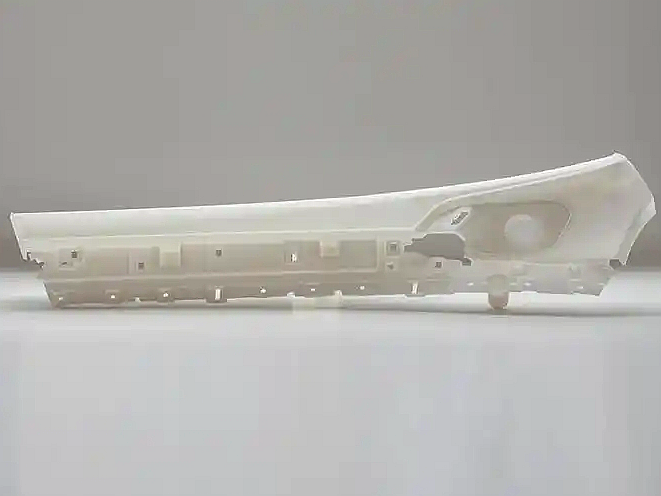
Photopolymer resins are a versatile family of light-curable materials used in additive manufacturing to produce parts with exceptional surface finish, fine detail, and tailored mechanical properties. Through technologies such as SLA, DLP, and CLIP, resin 3D printing enables the fabrication of highly accurate prototypes, end-use parts, and specialized components for medical, dental, jewelry, engineering, and industrial applications.
Through advanced resin 3D printing, a wide range of photopolymer formulations are available—from standard and tough resins for general prototyping to dental, medical-grade biocompatible, castable, high-temperature, flexible, durable, engineering, ceramic-filled, composite, UV-resistant, sacrificial, and Formula 1μ ultra-precision resins. Each grade delivers specific performance characteristics such as impact resistance, heat deflection, flexibility, or burn-out behavior, enabling customized solutions across industries.
Resin Grades Table
Category | Grade | Key Characteristics |
|---|---|---|
General Purpose | High detail, smooth finish, rigid, ideal for concept models and visual prototypes | |
Mechanical Performance | High impact strength and elongation, mimics ABS, suitable for functional parts | |
Mechanical Performance | Low friction, wear-resistant, ideal for snap-fits and moving assemblies | |
Elastomeric | Rubber-like elasticity, high elongation, suitable for grips, seals, and soft-touch parts | |
High-Temperature | Heat deflection temperature >200°C, ideal for thermal-resistant tooling and electronics | |
Medical & Dental | Biocompatible (Class I/II), high precision for surgical guides, crowns, dentures, and models | |
Medical & Dental | ISO 10993 certified, for surgical instruments, medical devices, and tissue contact applications | |
Jewelry & Casting | Clean burnout with minimal ash, for investment casting of jewelry, dental copings, and metal parts | |
Engineering | High stiffness, creep resistance, thermal stability for demanding industrial parts | |
Composite | Enhanced stiffness, hardness, and thermal conductivity with ceramic particles | |
Composite | Filled with glass, carbon, or other reinforcements for superior strength and stiffness | |
Specialty | Long-term outdoor stability, minimal yellowing, and good weathering resistance | |
Specialty | Designed for temporary supports or lost-core tooling, dissolves or burns out cleanly | |
Ultra-Precision | Micron-resolution resin for microfluidics, optics, and miniature components with 1 μm feature capability |
Resin Comprehensive Properties Table
Category | Property | Value Range |
|---|---|---|
Physical Properties | Density | 1.0–1.3 g/cm³ |
Viscosity (25°C) | 100–2000 cP | |
Mechanical Properties | Tensile Strength | 20–80 MPa |
Elongation at Break | 1–150% (flexible resins up to >200%) | |
Flexural Modulus | 500–3000 MPa | |
Hardness (Shore D) | 40–90 | |
Thermal Properties | Heat Deflection Temperature (HDT) | 45–300°C (high-temp resins >200°C) |
Special Properties | Biocompatibility | ISO 10993 (medical/dental grades) |
Ash Content (castable) | <0.1% clean burnout |
3D Printing Technology of Resins
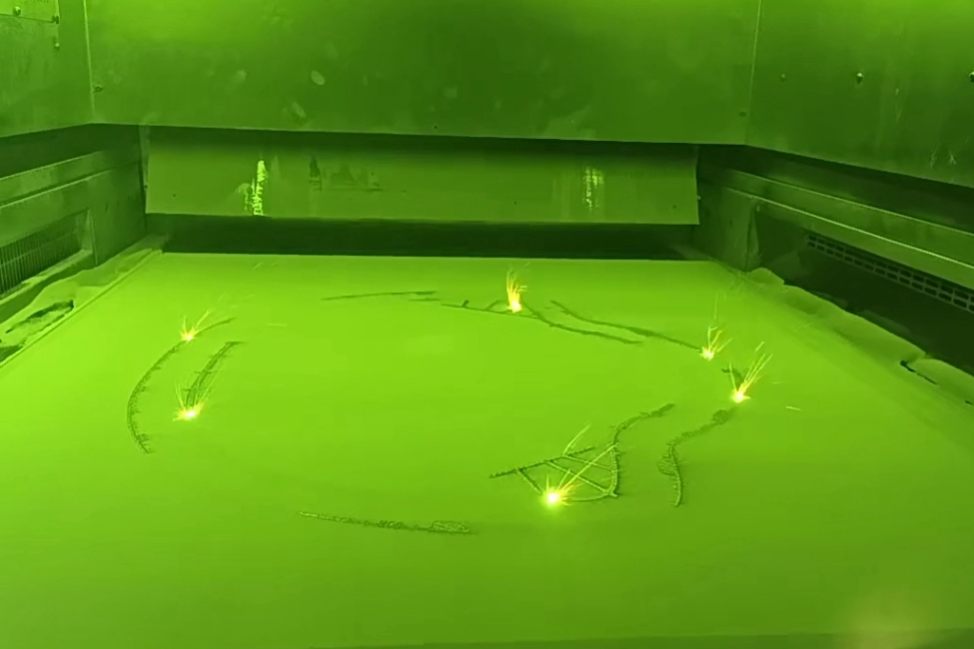
Resin materials are processed using vat photopolymerization technologies including Stereolithography (SLA), Digital Light Processing (DLP), Continuous Liquid Interface Production (CLIP), and Multi-Jet Printing (PolyJet). These methods cure liquid photopolymer layer by layer using UV or visible light, producing isotropic parts with exceptional surface quality and fine feature resolution.
Applicable Process Table
Technology | Resolution | Surface Quality | Build Speed | Application Suitability |
|---|---|---|---|---|
SLA | 25–100 µm | Ra 0.5–2.0 | Medium | Prototypes, dental, jewelry, high-detail models |
DLP | 35–75 µm | Ra 0.8–2.5 | Fast | Dental aligners, mass customization, small parts |
CLIP | 50–100 µm | Ra 1.0–2.5 | Very Fast | Production-grade parts, medical, automotive |
PolyJet | 16–30 µm | Ra 0.5–1.0 | Medium | Multi-material, full-color, smooth prototypes |
Resin 3D Printing Process Selection Principles
For applications demanding the highest detail and surface finish (e.g., jewelry, dental, microfluidics), Stereolithography (SLA) or Digital Light Processing (DLP) with high-resolution resins (including Formula 1μ) is recommended.
For high-throughput production of functional parts requiring consistent mechanical properties, Continuous Liquid Interface Production (CLIP) offers faster build speeds and isotropic strength, suitable for engineering and medical-grade resins.
When multi-material or full-color parts are needed, PolyJet enables jetting of multiple resin types simultaneously.
Resin 3D Printing Key Challenges and Solutions
Post-curing is essential to achieve full mechanical properties and dimensional stability. Using UV curing chambers with controlled wavelength (365–405 nm) and temperature ensures complete polymerization and optimal strength.
Brittleness in standard resins can limit functional applications. Selecting Tough or Durable Resins with higher impact resistance or elongation overcomes this limitation.
High-temperature environments may cause softening. High-Temperature Resins with HDT >200°C are recommended for heat-resistant tooling and electronics.
Support removal and surface finishing require careful handling. Using water-washable or low-tack support resins, combined with manual or automated finishing (sanding, polishing, bead blasting), improves final part quality.
Biocompatibility and sterilization are critical for medical applications. Medical-Grade Biocompatible Resins (ISO 10993 certified) and validated cleaning protocols ensure safe use in surgical guides and medical devices.
Investment casting requires clean burnout. Castable Resins formulated for low ash content (<0.1%) and wax-like burnout behavior enable reliable metal casting for jewelry and dental restorations.
Industry Application Scenarios and Cases
Medical and Healthcare: Surgical guides (medical-grade resins), dental models and aligners (dental resins), biocompatible implants.
Fashion and Jewelry: Castable resin patterns for investment casting of rings, pendants, and custom metal pieces.
Consumer Electronics: Enclosures, connectors, and snap-fits using tough and durable resins.
Automotive: High-temperature housings, under-hood components, and elastomeric seals.
Education and Research: Standard resins for concept modeling and micro-scale parts (Formula 1μ).
In a recent application, a dental laboratory adopted DLP-printed surgical guides using medical-grade biocompatible resin, reducing turnaround time by 70% while achieving sub-50 µm accuracy and full sterilization compatibility.
Explore Related Blogs