Carbon Steel
Carbon Steel & Tool Steel 3D Printing Materials Introduction
Carbon steel and tool steels are widely used in additive manufacturing for their excellent strength, wear resistance, and heat treatment capability. These materials enable the production of durable functional components that require high mechanical performance, making them essential in industrial, automotive, and tooling applications.
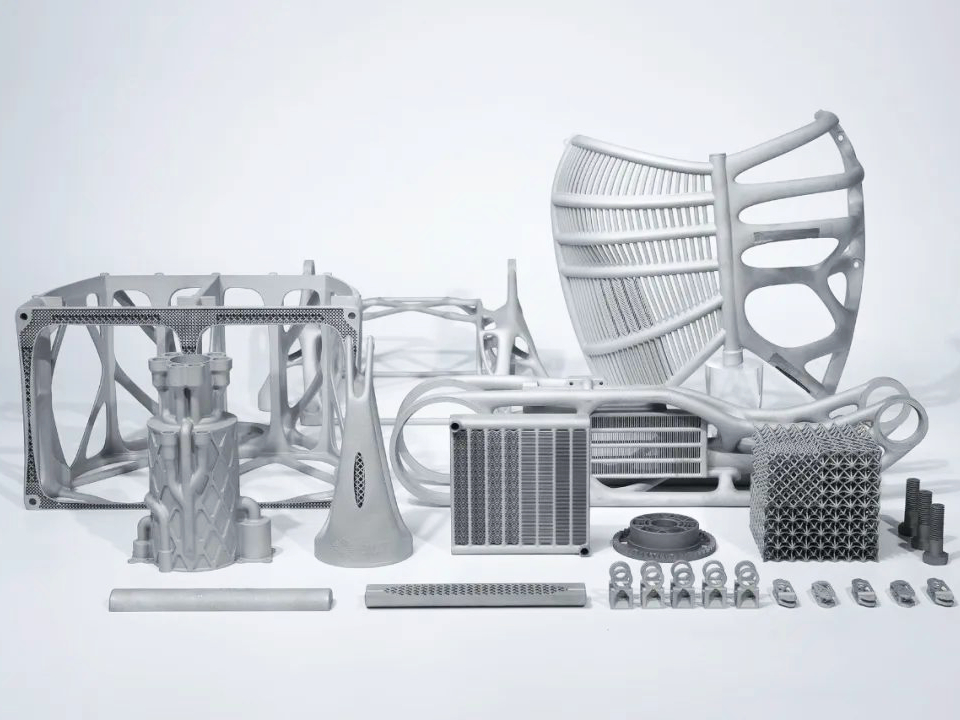
Through advanced carbon steel 3D printing, alloys such as 20MnCr5, AISI 4130, and AISI 4140 are used for structural and carburized parts, while tool steels like H13, D2, M2, and 1.2709 deliver superior hardness and wear resistance for molds, dies, and cutting tools. These materials are ideal for producing complex geometries with high strength and long service life.
Carbon Steel & Tool Steel Grades Table
Category | Grade | Key Characteristics |
|---|---|---|
Alloy Steel | Carburizing steel with high surface hardness and good core toughness | |
Alloy Steel | Chromium-molybdenum steel with good weldability and strength | |
Alloy Steel | High-strength steel with excellent fatigue resistance | |
Tool Steel | Maraging steel with ultra-high strength and excellent toughness | |
Tool Steel | High-carbon high-chromium steel with superior wear resistance | |
Tool Steel | Hot-work steels with excellent thermal fatigue resistance | |
Tool Steel | High-speed steel with excellent hardness and cutting performance |
Carbon Steel & Tool Steel Comprehensive Properties Table
Category | Property | Value Range |
|---|---|---|
Physical Properties | Density | 7.7–8.1 g/cm³ |
Melting Point | 1350–1500°C | |
Mechanical Properties | Tensile Strength | 700–2000 MPa (depending on grade & heat treatment) |
Hardness | 20–60 HRC | |
Yield Strength | 500–1800 MPa | |
Wear Resistance | Moderate to Excellent | |
Heat Treatment | Process | Quenching, tempering, carburizing, aging |
3D Printing Technology of Carbon Steel & Tool Steel
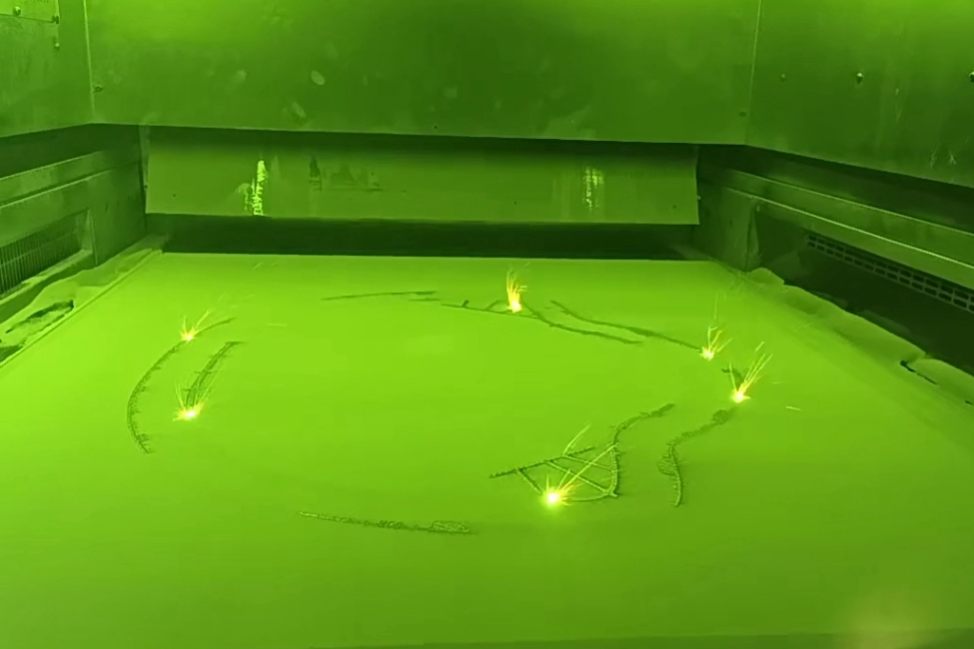
Carbon and tool steels are primarily processed using powder-based metal additive manufacturing technologies such as Selective Laser Melting (SLM) and Direct Metal Laser Sintering (DMLS). These methods provide high density, excellent mechanical properties, and the ability to manufacture complex tooling and structural parts.
Applicable Process Table
Technology | Precision | Surface Quality | Mechanical Properties | Application Suitability |
|---|---|---|---|---|
SLM | ±0.05–0.2 mm | Ra 3.2–6.4 | Excellent | High-strength parts, tooling |
DMLS | ±0.05–0.2 mm | Ra 3.2 | Excellent | Precision molds, inserts |
Carbon Steel & Tool Steel 3D Printing Process Selection Principles
For high-strength structural parts and complex geometries, Selective Laser Melting (SLM) is recommended. It provides excellent density and mechanical performance, making it suitable for load-bearing applications.
Direct Metal Laser Sintering (DMLS) is ideal for precision tooling and mold inserts, offering high accuracy and fine feature resolution for industrial manufacturing.
Carbon Steel & Tool Steel 3D Printing Key Challenges and Solutions
Residual stress and cracking are common challenges due to high thermal gradients during printing. Preheating build platforms and optimized scanning strategies significantly reduce thermal stress and distortion.
Achieving desired hardness and mechanical performance requires proper post-processing. Heat treatment such as quenching, tempering, or aging through heat treatment ensures optimal microstructure and performance.
Internal porosity may affect fatigue resistance. Applying Hot Isostatic Pressing (HIP) can improve density up to 99.9% and enhance structural integrity.
Surface finish can be improved using precision CNC machining or advanced surface treatment processes to meet strict industrial requirements.
Industry Application Scenarios and Cases
Manufacturing and Tooling: Mold inserts, dies, cutting tools, and jigs requiring high wear resistance.
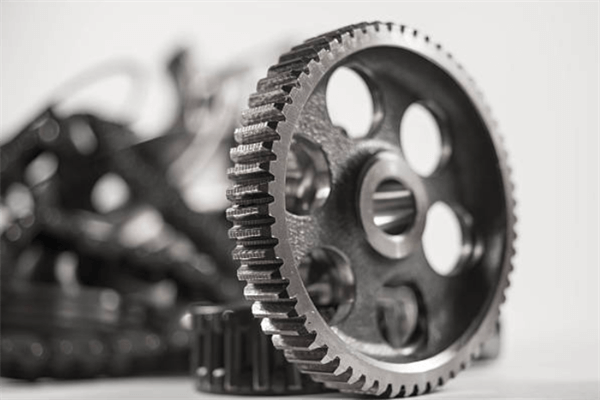
Automotive: High-strength gears, shafts, and structural components.
Energy and Power: Durable components exposed to high stress and temperature.
In practical applications, tool steel 3D printed molds have demonstrated up to 50% reduction in lead time compared to traditional machining, while maintaining excellent wear resistance and service life.
FAQs
Which carbon steel grades are best suited for 3D printing applications?
How do tool steels like H13 and D2 perform in additive manufacturing?
What post-processing is required for carbon steel 3D printed parts?
How does 3D printed steel compare to forged or machined steel?
What industries benefit most from carbon and tool steel 3D printing?
Explore Related Blogs