3D-Druck von Kobalt-Superlegierungen: Wann Haynes 188 Nickellegierungen übertrifft
3D-Druck von Kobalt-Superlegierungen: Wann Haynes 188 Nickellegierungen übertrifft
Der 3D-Druck von Kobalt-Superlegierungen wird eingesetzt, wenn Hochtemperaturbauteile Oxidationsbeständigkeit, thermische Wechselfähigkeit, Heißgasleistung und komplexe Geometrie erfordern. Während Nickel-Superlegierungen wie Inconel 718, Inconel 625 und Hastelloy X in der additiven Fertigung weit verbreitet sind, kann Haynes 188 für bestimmte Verbrennungs-, Heißbereichs- und extreme thermische Umgebungen die bessere Wahl sein.
Bei Neway3DP unterstützt unser Haynes 188 additive Fertigungsservice kundenspezifische 3D-gedruckte Kobaltlegierungsteile für Brennkammern, Heißgaskomponenten, Düsen, Wärmeschilde, Hochtemperaturvorrichtungen, Gasturbinenentwicklungsteile und luftfahrttechnische Heißendstrukturen. Der Schlüssel liegt in der Auswahl der richtigen Superlegierung basierend auf Temperatur, Belastung, Oxidation, Korrosion, thermischem Wechsel und Prüfanforderungen.
Für technische Einkäufer lautet die Frage nicht einfach, ob Haynes 188 „besser“ ist als Nickellegierungen. Die richtige Frage ist, wann eine Kobalt-Superlegierung mehr Wert bietet als gängige Nickelbasiswerkstoffe. Bei vielen Hochtemperatur-Strukturteilen bleiben Nickellegierungen praktikabel. In extremen Heißgas-, Oxidations- und thermischen Wechselumgebungen kann Haynes 188 eine stärkere Werkstoffrichtung bieten.
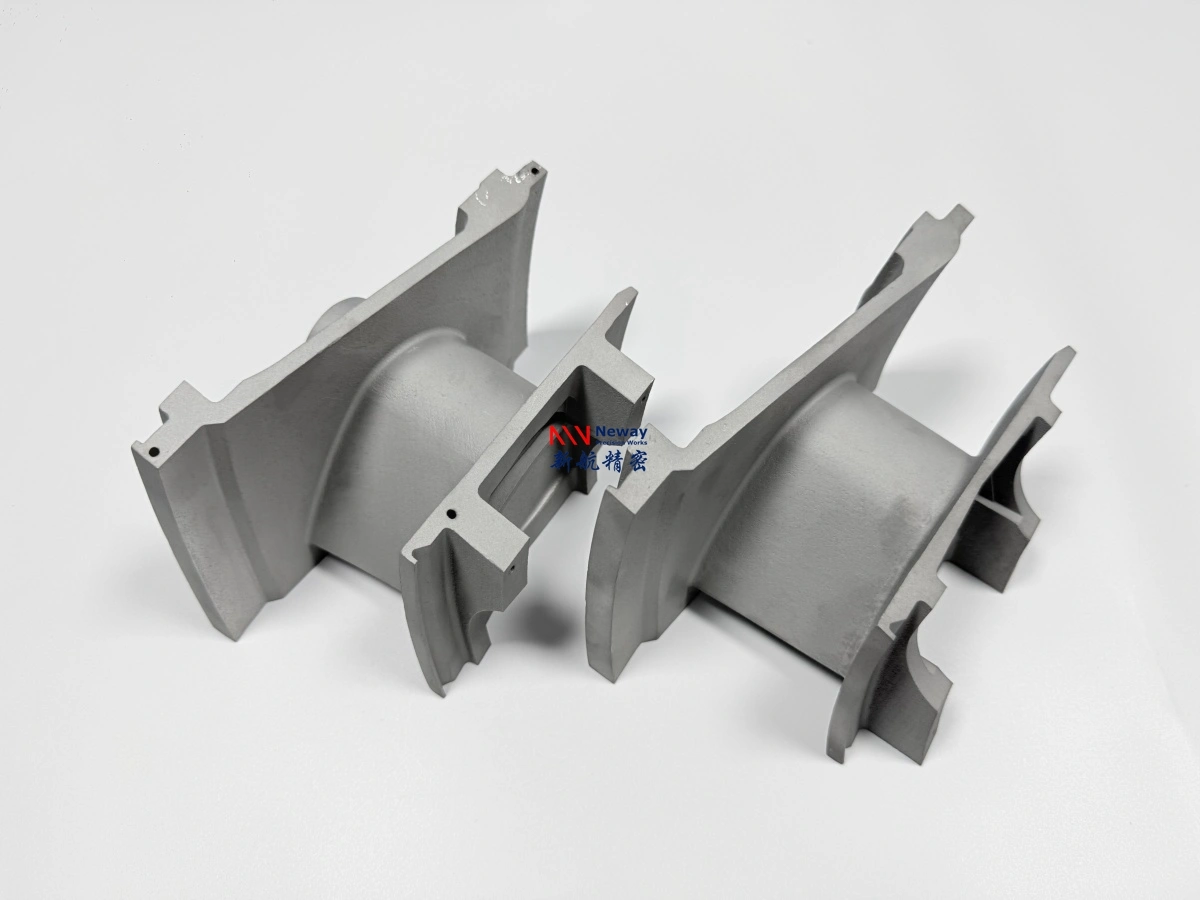
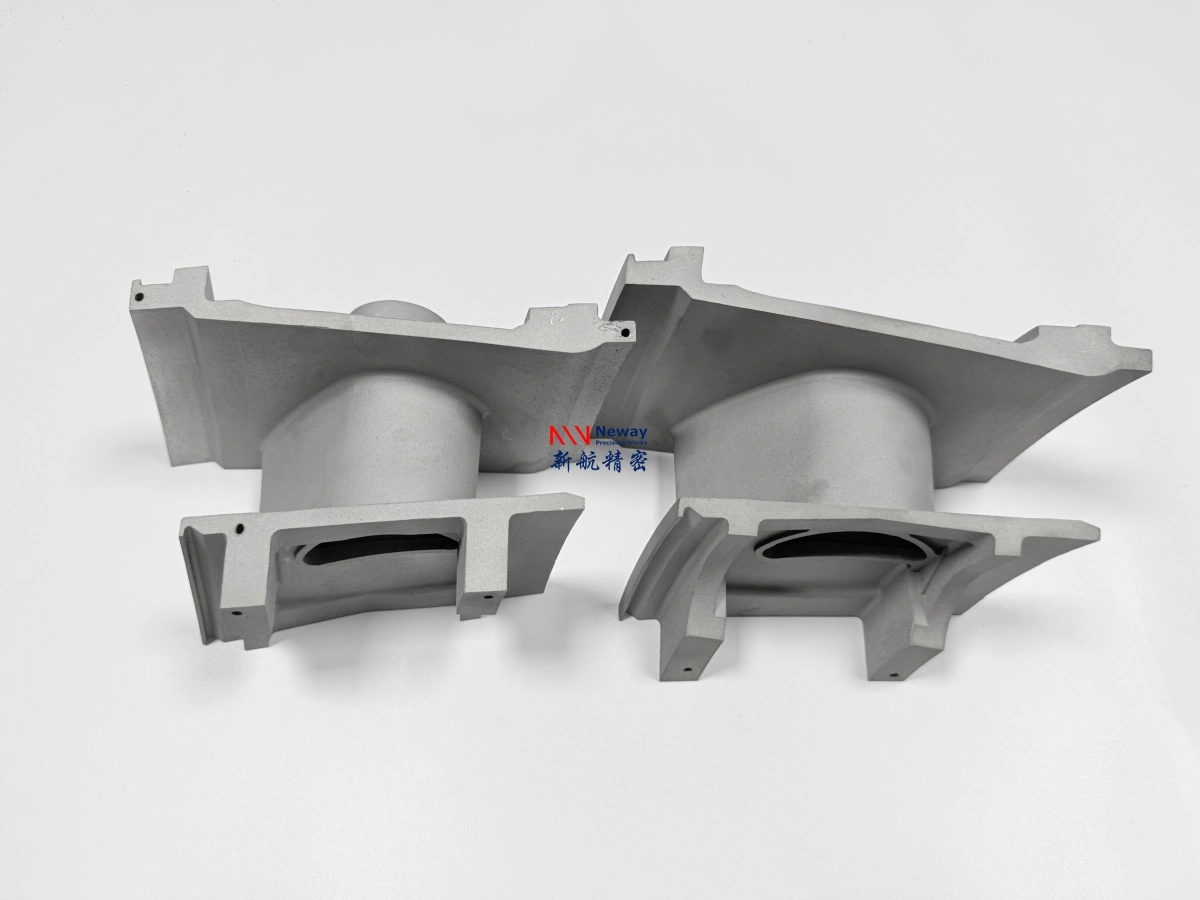
Kobaltbasierte vs. Nickelbasierte Superlegierungen
Kobaltbasierte und nickelbasierte Superlegierungen werden beide für Hochtemperaturanwendungen eingesetzt, jedoch nicht aus denselben Gründen. Nickelbasislegierungen sind in der Luft- und Raumfahrt, bei Turbinen, korrosionsbeständigen und strukturellen Hochtemperaturteilen üblich. Kobaltbasierte Legierungen wie Haynes 188 werden oft in Betracht gezogen, wenn Heißgas-Oxidationsbeständigkeit, thermische Wechsel und extreme Verbrennungsumgebungen im Vordergrund stehen.
Für die additive Fertigung beeinflusst das Materialsystem die Druckbarkeit, den Wärmebehandlungsweg, die Nachbearbeitungskosten, die Oberflächenveredelung und die Prüfanforderungen. Ein Material, das für eine Hochtemperaturanwendung gut geeignet ist, ist möglicherweise nicht die beste Wahl für eine andere. Daher sollte die Materialauswahl von der Betriebsumgebung ausgehen und nicht nur von der Materialvertrautheit.
Materialsystem | Typische Materialbeispiele | Hauptauswahlkriterium |
|---|---|---|
Kobaltbasierte Superlegierung | Haynes 188 / GH5188-Legierung | Ausgewählt für extreme Heißgas-, Oxidations-, Verbrennungs- und thermische Wechselumgebungen |
Nickelbasierte hochfeste Legierung | Inconel 718 | Ausgewählt für Hochtemperaturfestigkeit und lasttragende Strukturanwendungen |
Nickelbasierte korrosionsbeständige Legierung | Inconel 625 | Ausgewählt, wenn Korrosionsbeständigkeit und Schweißbarkeit wichtiger sind als ausscheidungsgehärtete Festigkeit |
Nickelbasierte Heißgaslegierung | Hastelloy X | Ausgewählt für allgemeine Verbrennungs-, Oxidations- und Hochtemperatur-Thermalkomponenten |
Wo Haynes 188 seine Stärken ausspielt
Haynes 188 spielt seine Stärken in Anwendungen aus, in denen Teile Hochtemperaturoxidation, Verbrennungsgasen, thermischen Wechseln und Heißgaswechsel ausgesetzt sind. Diese Umgebungen sind typisch für Brennkammern, Flammrohre, Düsen, Leitschaufeln, Wärmeschilde, Heißendhalterungen, Gasturbinenentwicklungsteile und Hochtemperatur-Prüfvorrichtungen.
Für 3D-gedruckte Kobalt-Superlegierungsteile ist Haynes 188 besonders relevant, wenn das Design dünne Wände, innere Kanäle, integrierte Heißendgeometrie oder komplexe thermische Strukturen umfasst. Die additive Fertigung ermöglicht es, diese Merkmale als ein Bauteil herzustellen, während die Kobalt-Superlegierung anspruchsvolle Heißbereichs-Betriebsbedingungen unterstützt.
Anwendungsbedingung | Warum Haynes 188 in Betracht gezogen wird | Typische gedruckte Teile |
|---|---|---|
Hochtemperaturoxidation | Unterstützt Komponenten, die Heißgas und oxidierenden Umgebungen ausgesetzt sind | Brennkammerauskleidungen, Hitzeschilde, Heißendgehäuse |
Verbrennungsumgebung | Nützlich, wenn Flamme, Gaskorrosion und thermische Spannung gemeinsam auftreten | Düsen, Flammrohre, Brennkammerkomponenten |
Thermischer Wechsel | Geeignet für Teile, die während des Betriebs wiederholt erhitzt und abgekühlt werden | Wärmeschilde, Prüfhardware, Gasturbinenentwicklungsteile |
Heißgaseinwirkung | Relevant für Strömungsleit- und wärmebeaufschlagte Komponenten | Leitschaufeln, Strömungsstrukturen, Heißbereichshalterungen |
Wo Nickellegierungen möglicherweise besser sind
Haynes 188 ist nicht immer das beste Material. Nickellegierungen können geeigneter sein, wenn die Anwendung Hochtemperaturfestigkeit, Korrosionsbeständigkeit, Schweißbarkeit, Kosten, Verfügbarkeit oder eine gängigere Materialspezifikation priorisiert. In vielen Projekten sind Inconel 718, Inconel 625 oder Hastelloy X möglicherweise die praktikablere Wahl.
Inconel 718 wird oft für hochfeste lasttragende Strukturen ausgewählt. Inconel 625 wird oft in Betracht gezogen, wenn Korrosionsbeständigkeit und Schweißbarkeit wichtiger sind als die ausscheidungsgehärtete Hochtemperaturfestigkeit. Hastelloy X ist für viele allgemeine Verbrennungs- und Heißgasanwendungen geeignet. Haynes 188 sollte in Betracht gezogen werden, wenn die Heißgas-, Oxidations- und thermischen Wechselanforderungen eine Kobalt-Superlegierungsroute rechtfertigen.
Nickellegierung | Wo sie möglicherweise besser ist | Auswahlgrund |
|---|---|---|
Inconel 718 | Hochfeste Luft- und Raumfahrt-, Turbinen- und Strukturkomponenten | Besser, wenn die Lasttragfähigkeit wichtiger ist als das Oxidationsverhalten unter extremem Heißgas |
Inconel 625 | Korrosionsbeständige Teile, geschweißte Baugruppen, chemische oder marinebezogene Komponenten | Besser, wenn Korrosionsbeständigkeit der Haupttreiber ist |
Hastelloy X | Allgemeine Verbrennung, Heißendgehäuse, Düsen und thermische Komponenten | Besser, wenn eine nickelbasierte Heißgaslegierung die Anwendung bei geringerer Komplexität oder geringeren Kosten erfüllt |
Haynes 188 | Extreme Verbrennungs-, Heißgas-, Oxidations- und thermische Wechselanwendungen | Besser, wenn eine kobaltbasierte Heißbereichsleistung erforderlich ist |
Vergleichstabelle: Kobaltbasierte Haynes 188 vs. Nickellegierungen
Der Vergleich zwischen Haynes 188 und Nickellegierungen sollte auf der Anwendungsumgebung und dem Fertigungsweg basieren. Materialeigenschaften allein reichen nicht aus. Ingenieure sollten auch Druckbarkeit, Pulververfügbarkeit, Wärmebehandlung, HIP, CNC-Bearbeitung, Oberflächenbehandlung, Prüfung, Kosten und Lieferzeit berücksichtigen.
Vergleichspunkt | Haynes 188 | Inconel 718 | Inconel 625 | Hastelloy X |
|---|---|---|---|---|
Materialsystem | Kobaltbasierte Superlegierung | Nickelbasierte Superlegierung | Nickelbasierte Legierung | Nickelbasierte Superlegierung |
Primärer Anwendungsschwerpunkt | Extreme Heißgas-, Verbrennungs-, Oxidations- und thermische Wechselteile | Hochfeste Luft- und Raumfahrt-, Turbinen- und Strukturteile | Korrosionsbeständige und schweißbare Komponenten | Allgemeine Heißgas-, Verbrennungs- und thermische Komponenten |
Festigkeitspositionierung | Eher für Heißbereichsleistung als für allgemeine Strukturfestigkeit ausgewählt | Starke Wahl für lasttragende Hochtemperaturstrukturen | Nicht hauptsächlich für ausscheidungsgehärtete Strukturfestigkeit ausgewählt | Ausgewogen für Heißgas- und thermische Anwendungen |
Oxidations- und Heißgasfokus | Hervorragend geeignet für anspruchsvolle Heißgasanwendungen | Nützlich, aber oft eher aus Festigkeitsgründen gewählt | Mehr korrosions- als heißbereichsfokussiert | Gut geeignet für viele Verbrennungs- und Oxidationsanwendungen |
Thermische Ermüdung und Wechsel | Starker Grund, dieses Material zu bewerten | Abhängig von Anwendung und thermisch-mechanischer Belastung | Abhängig von Korrosions- und Temperaturumgebung | Geeignet für viele thermische Wechselanwendungen |
Kosten und Verfügbarkeit | Premiummaterial; sollte dort eingesetzt werden, wo der Leistungsbedarf klar ist | Gängige Superlegierungsoption mit breitem technischem Einsatz | Gängige korrosionsbeständige Nickellegierungsoption | Gängige Heißgas-Nickellegierungsoption |
Anwendungsbasierte Auswahl
Die beste Superlegierung sollte entsprechend der tatsächlichen Anwendung ausgewählt werden, nicht nur nach Materialfamilie. Für luftfahrttechnische Heißbereichsteile, Verbrennungsprüfhardware, Gasturbinenentwicklungsteile, Energieanlagen, Hochtemperaturvorrichtungen und Wärmeschilde sollte die Entscheidung Wärmeexposition, Oxidation, Belastung, thermischen Wechsel, Korrosion und Prüfniveau berücksichtigen.
Neway3DP unterstützt eine breitere Superlegierungs-Materialauswahl für 3D-Druckprojekte. Wenn der Kunde unsicher ist, ob Haynes 188 oder eine Nickellegierung geeigneter ist, ist der beste Ansatz, die Zeichnungen, die Betriebsumgebung und die Leistungsprioritäten zu prüfen, bevor das Material ausgewählt wird.
Anwendung | Empfohlene Materialrichtung | Grund |
|---|---|---|
Luftfahrttechnische Heißendstrukturen | Haynes 188 oder Hastelloy X, je nach thermischer Schwere und Kosten | Heißgasoxidation, thermischer Wechsel und Dünnwandstruktur sind oft wichtig |
Hochfeste Turbinenhalterungen oder Strukturteile | Inconel 718 | Lasttragende Festigkeit und strukturelle Leistung können die Hauptanforderungen sein |
Korrosionsbeständige Strömungs- oder Chemiekomponenten | Inconel 625 | Korrosionsbeständigkeit kann wichtiger sein als Heißbereichsoxidationsleistung |
Brennkammer- und Heißgaswegteile | Haynes 188 | Kobaltbasierte Superlegierungsleistung kann in extremen Heißgas- und thermischen Wechselumgebungen wertvoll sein |
Hochtemperaturvorrichtungen und Prüfhardware | Haynes 188, Hastelloy X oder Inconel 718 je nach Belastung und Temperatur | Die Auswahl hängt davon ab, ob Hitzebeständigkeit, Festigkeit oder Kosten der Hauptfaktor ist |
Fertigungstechnische Überlegungen für den 3D-Druck von Kobalt-Superlegierungen
Der 3D-Druck von Kobalt-Superlegierungen erfordert eine sorgfältige Fertigungsplanung. Haynes 188 ist ein Premiummaterial, daher sollte es dort eingesetzt werden, wo der Leistungswert klar ist. Materialkosten, Pulverversorgung, Bauorientierung, Stützstrategie, Wärmebehandlung, HIP, CNC-Bearbeitung, Oberflächenbehandlung und Prüfung beeinflussen alle den endgültigen Preis und die Lieferzeit.
Für zuverlässige Heißbereichsteile kann heißisostatisches Pressen in Betracht gezogen werden, wenn innere Dichte, Ermüdungsleistung oder Fehlerkontrolle wichtig sind. Oberflächenveredelungs- und beschichtungsbezogene Anforderungen sollten ebenfalls frühzeitig geprüft werden, insbesondere für Heißgaskontaktflächen, Dichtbereiche oder oxidationsempfindliche Anwendungen.
Fertigungsfaktor | Warum wichtig | Angebotsempfehlung |
|---|---|---|
Materialkosten | Haynes 188 ist eine hochwertige Kobalt-Superlegierung | Einsetzen, wo die Heißbereichsleistung die Kosten rechtfertigt |
Pulverversorgung | Verfügbarkeit kann Lieferzeit und Mindestbestellmenge beeinflussen | Materialverfügbarkeit vor der endgültigen Projektplanung bestätigen |
Wärmebehandlung | Kann erforderlich sein, um Spannungen abzubauen und die endgültige Leistung zu stabilisieren | Materialspezifikation und thermische Prozessanforderungen angeben, falls vorhanden |
CNC-Bearbeitung und EDM | Kritische Löcher, Gewinde, Flansche und Dichtflächen benötigen normalerweise Nachbearbeitung | Alle kritischen Oberflächen und Bearbeitungsmerkmale auf der Zeichnung markieren |
Oberflächenbehandlung | Oberflächenqualität kann Oxidation, Strömung, Dichtung oder Ermüdungsleistung beeinflussen | Strahl-, Polier-, Beschichtungs- oder spezielle Oberflächenanforderungen vor Angebotserstellung definieren |
Prüfung | Heißbereichsteile können Maß-, Innen- oder Materialdokumentation erfordern | Anforderungen an KMM, CT, Röntgen, FAI, Materialzertifikat oder Wärmebehandlungsbericht angeben |
So fordern Sie Unterstützung bei der Materialauswahl an
Um zwischen Haynes 188 und Nickelbasislegierungen auszuwählen, muss der Lieferant die tatsächliche Arbeitsumgebung verstehen. Die Materialwahl sollte auf Temperatur, Belastung, thermischem Wechsel, Oxidation, Korrosionsmedium, Druck, Menge, Geometrie und Nachbearbeitungsanforderungen basieren.
Neway3DP kann kundenspezifische Projekte zur Herstellung von 3D-gedruckten Kobalt-Superlegierungsteilen mit Materialprüfung, additiver Fertigung, Nachbearbeitung und Prüfplanung unterstützen. Wenn sich die Anwendung noch in der Entwicklung befindet, können Kunden die angestrebten Einsatzbedingungen angeben, und wir helfen bei der Bewertung, ob Haynes 188, Inconel 718, Inconel 625, Hastelloy X oder eine andere Superlegierung besser geeignet ist.
Für eine schnellere Materialauswahl und Angebotserstellung geben Sie bitte die folgenden Informationen an:
3D-CAD-Modell, vorzugsweise im STEP-, X_T-, IGS- oder STL-Format
2D-Zeichnung mit Werkstoffgüte, Toleranzen, Bezügen, Gewinden, Flanschen, Dichtflächen und Angaben zur Oberflächengüte
Betriebstemperatur und maximale Spitzentemperatur
Thermische Wechselbedingungen, einschließlich Heiz- und Kühlfrequenz, falls bekannt
Belastungsbedingung, Druck, Vibration, Ermüdung oder Stoßanforderung
Korrosions- oder Oxidationsumgebung, einschließlich gasförmigem Medium, falls bekannt
Stückzahl für Prototyp, Validierungscharge, Kleinserienproduktion oder Nachbestellung
Erforderliche Nachbearbeitung wie Wärmebehandlung, HIP, CNC-Bearbeitung, EDM, Strahlen, Polieren, Beschichten oder Oberflächenbehandlung
Prüfanforderungen wie Maßbericht, KMM-Bericht, 3D-Scan, FAI, CT-Prüfung, Röntgenprüfung, Materialzertifikat, Wärmebehandlungsprotokoll oder Zugversuch
FAQ
Kann Haynes 188 für Brennkammerauskleidungen und Düsen 3D-gedruckt werden?
Warum wird Haynes 188 für 3D-gedruckte Heißbereichsteile verwendet?
Was beeinflusst die Kosten von 3D-gedruckten Kobalt-Superlegierungsteilen aus Haynes 188?
Wie sollten 3D-gedruckte Teile aus Haynes 188 nach dem Druck fertiggestellt werden?