When Should Engineers Use Superalloy 3D Printing Instead of CNC Machining or Investment Casting?
Choosing the right manufacturing process for high-temperature superalloy parts is a critical engineering and purchasing decision. Materials such as Inconel 718, Inconel 625, Hastelloy X, Haynes 188, and Inconel 713C are expensive, difficult to machine, and often used in demanding aerospace, turbine, combustion, energy, and thermal test applications.
For this reason, customers should not compare superalloy 3D printing, CNC machining, and investment casting only by unit price. The correct route depends on part geometry, quantity, design maturity, material availability, tolerance requirements, internal structures, post-processing, inspection, and future production plans.
In many projects, 3D printing is best for prototypes, complex internal features, thin walls, small batches, and design validation. CNC machining is better for simpler billet or plate-based parts with high precision requirements. Investment casting becomes more attractive when the design is stable, the quantity is higher, and tooling cost can be spread across repeated production batches.
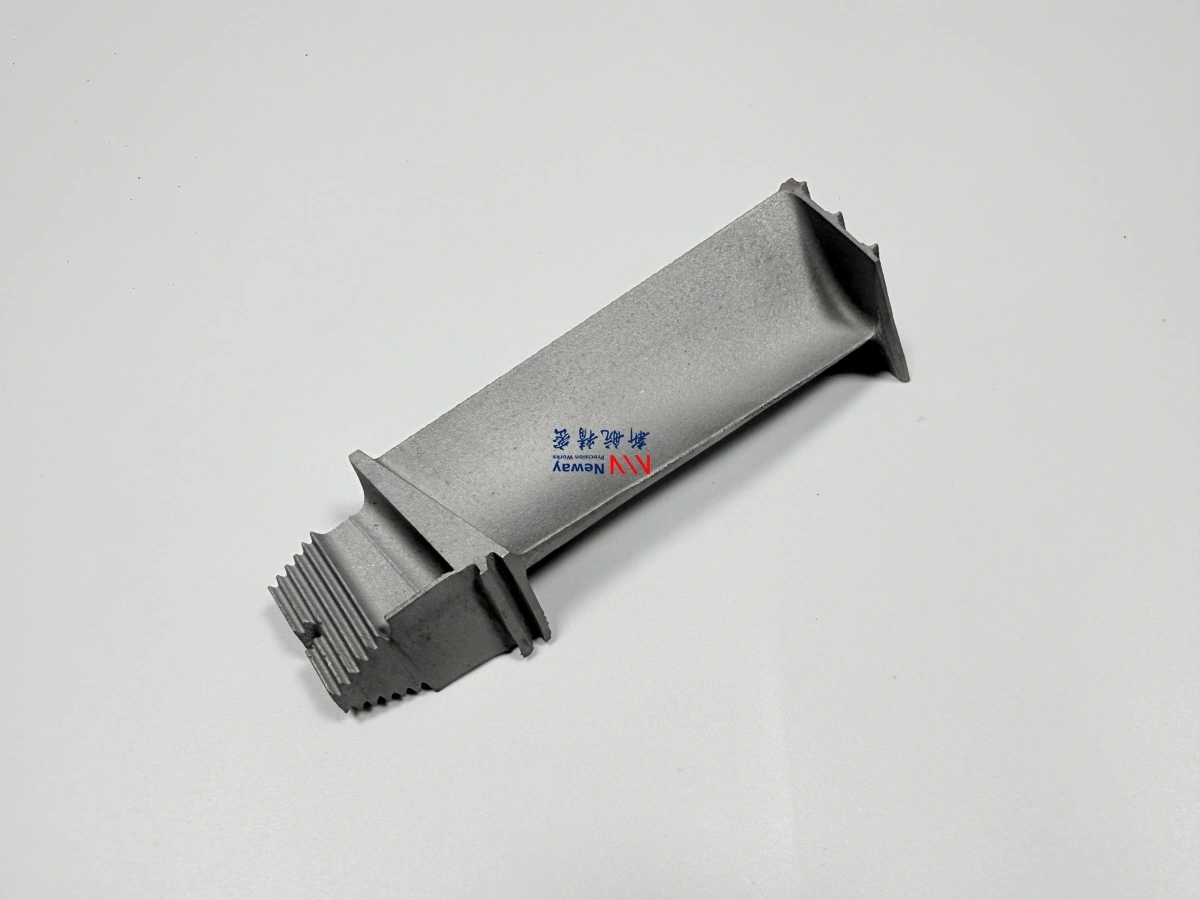
Why Process Selection Matters for Superalloy Parts
Superalloys are not low-risk materials for trial-and-error manufacturing. Raw material cost is high, machining time can be long, tooling can be expensive, and post-processing may include heat treatment, HIP, CNC finishing, EDM, surface treatment, and inspection reports.
A wrong process route can cause several problems:
High upfront tooling cost before the design is validated
Excessive CNC machining time on difficult superalloy materials
Unnecessary 3D printing cost for simple geometries
Long lead time caused by unsuitable process planning
Dimensional or inspection issues after printing or casting
Design changes that make molds, fixtures, or tooling obsolete
Before selecting a process, engineers should define whether the part is for concept validation, assembly testing, hot-section functional testing, small-batch production, or long-term repeat manufacturing. Each stage may require a different manufacturing strategy.
When to Use Superalloy 3D Printing
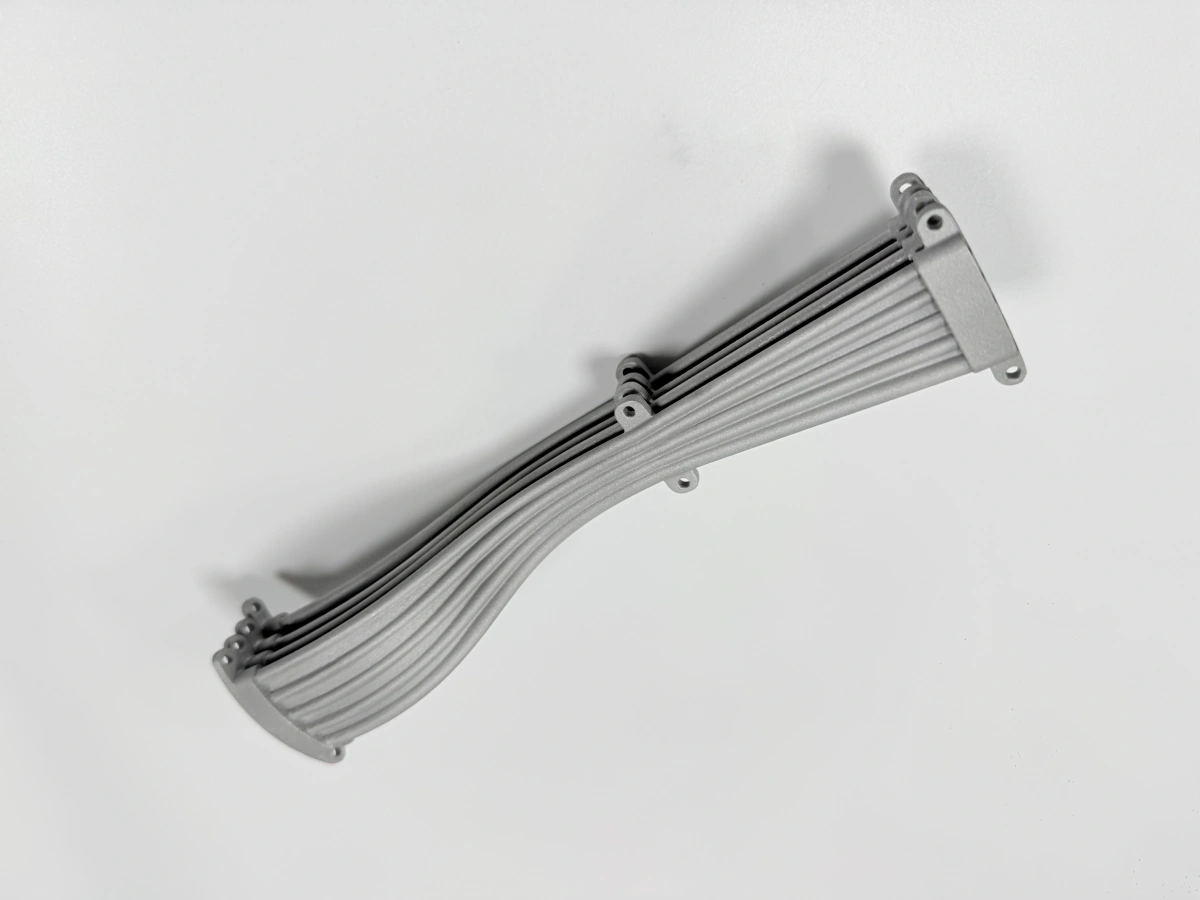
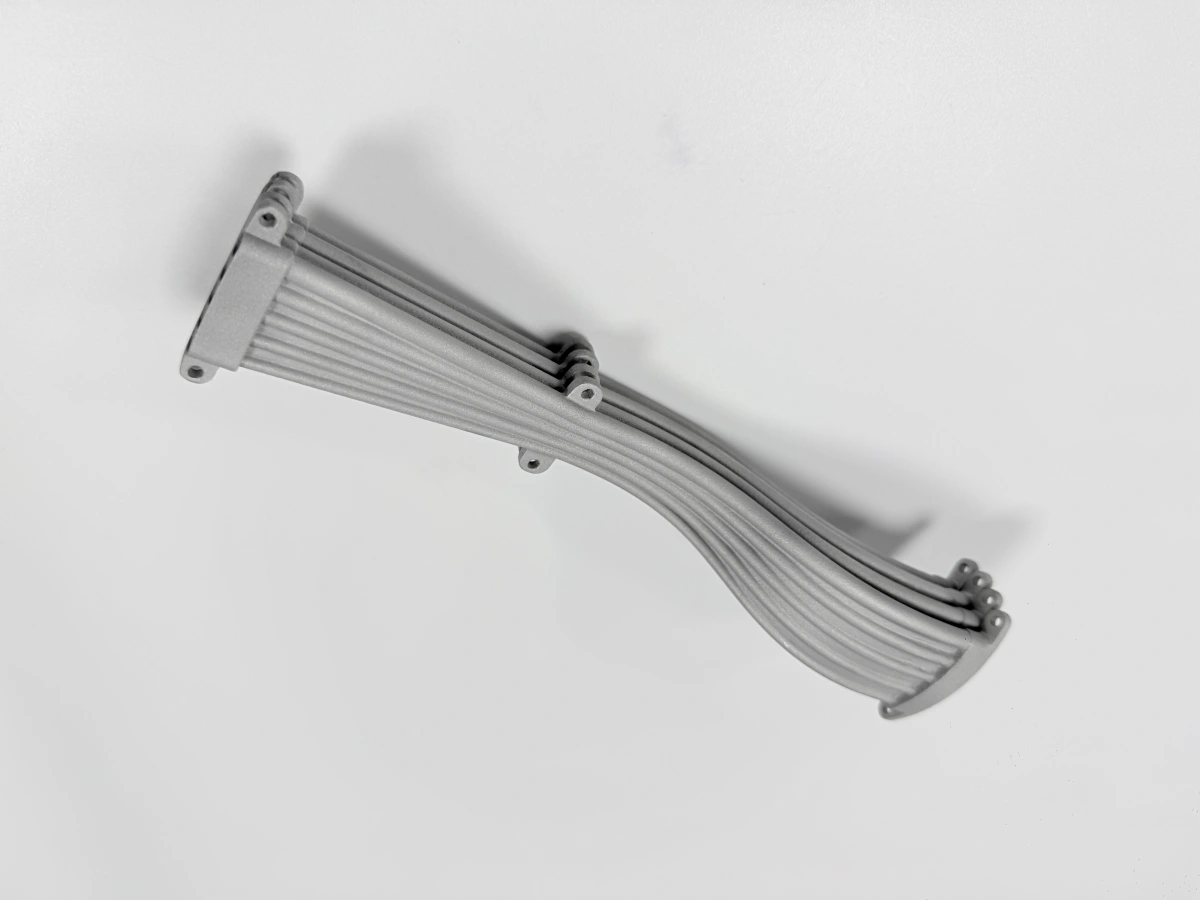
Superalloy 3D printing is most useful when part complexity, design flexibility, and low-volume validation are more important than the lowest unit cost. It can produce complex geometries directly from CAD data, which is valuable when the design includes internal channels, thin walls, integrated structures, or features that are difficult to machine or cast during early development.
3D printing is usually suitable when the project involves:
1–20 pieces for prototype or engineering validation
Complex cooling channels or internal flow paths
Thin-wall hot-section structures
Integrated designs that reduce welding or assembly
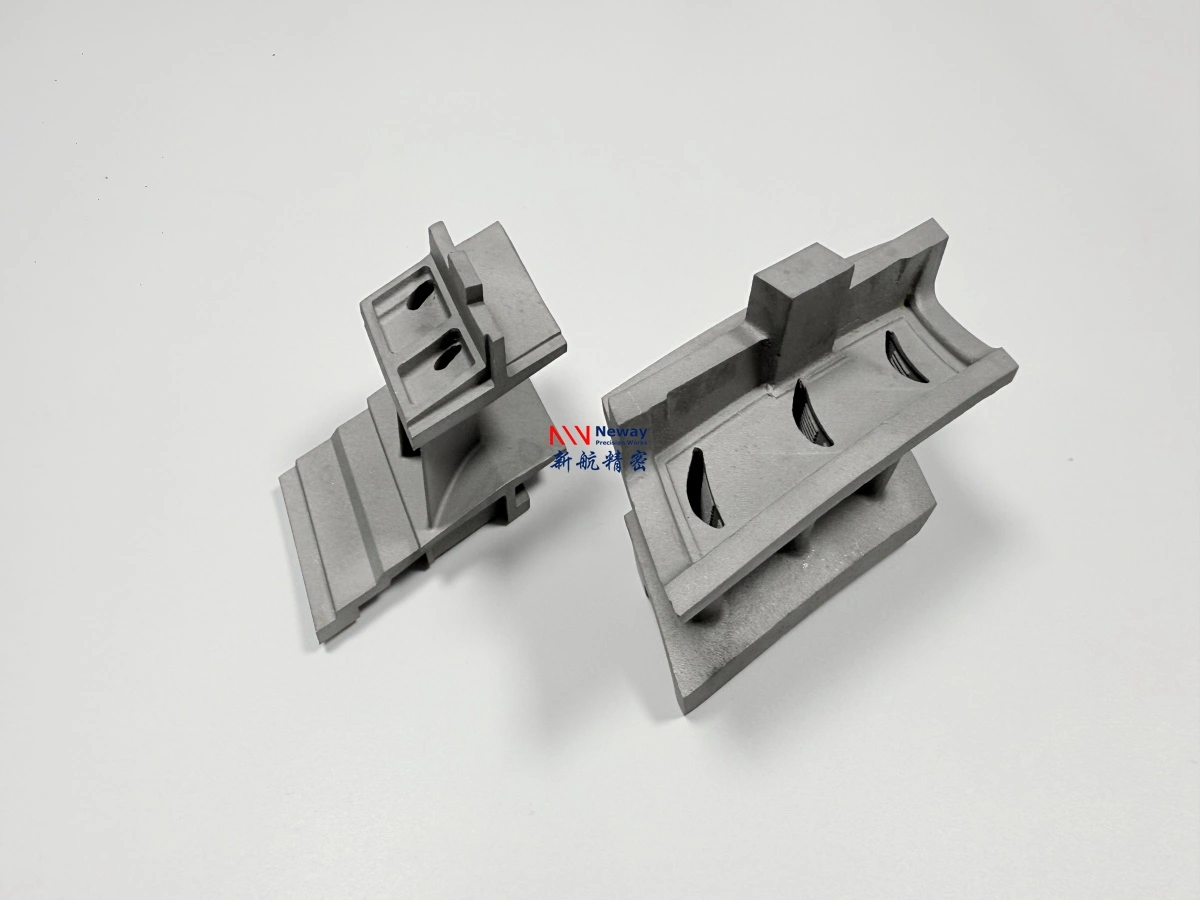
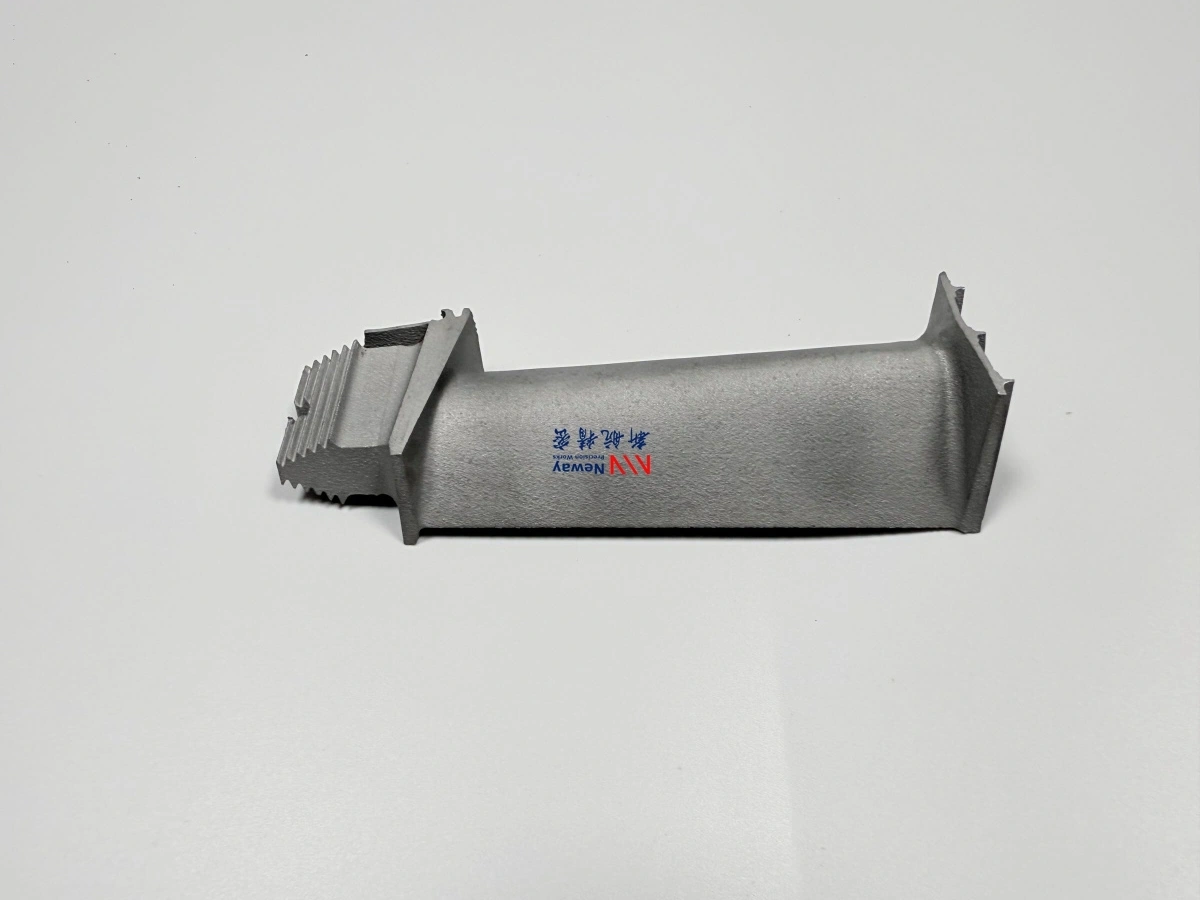
Turbine nozzles, guide vanes, burner parts, or hot gas path prototypes
Designs that may still change after testing
Projects where investment casting tooling is not justified yet
For turbine developers, additive manufacturing can also support early process decisions before committing to casting. The FAQ on Inconel 713C 3D printing explains how turbine vane and nozzle projects can be evaluated against investment casting.
When to Use CNC Machining for Superalloy Parts
CNC machining is usually the better route when the part geometry is relatively simple, the material is available as bar, plate, billet, or forged stock, and most critical features require tight tolerance. For superalloy parts with flat faces, holes, threads, pockets, slots, and precision interfaces, CNC can provide excellent dimensional control.
CNC machining is often suitable when:
The geometry is simple or mainly prismatic
The part can be efficiently machined from bar, plate, or forged stock
Most surfaces require tight tolerances or good surface finish
The quantity is low but the design does not require internal channels
The project uses a wrought or forged material specification
The customer needs a functional prototype without additive manufacturing risks
However, CNC machining becomes less efficient when the part has complex curved surfaces, internal cavities, cooling passages, thin-wall gas-path structures, or high material removal volume. In these cases, 3D printing or casting may reduce material waste and shorten the development path.
When to Use Investment Casting for Superalloy Parts
Investment casting is a strong option for superalloy components when the geometry is stable, the application requires a casting-type production route, and the expected quantity can justify tooling. Many turbine hot-section parts, vanes, nozzles, and high-temperature structures have traditionally been manufactured by casting followed by machining and inspection.
Investment casting is usually suitable when:
The design is mature and unlikely to change
The expected quantity can absorb mold and tooling cost
The geometry is suitable for casting, wax pattern tooling, and ceramic shell processing
The customer needs near-net-shape production instead of one-off prototypes
Long-term repeatability is more important than fast design iteration
The part will later require stable production batches
For Inconel 713C turbine components, many projects start with printed prototypes before moving to casting. The blog on investment casting to 3D printing discusses this small-batch turbine development strategy in more detail.
Hybrid Strategy: Print, Machine, Then Decide the Production Route
For many aerospace, turbine, and hot-section development projects, the best route is not a permanent choice between 3D printing, CNC machining, and investment casting. A hybrid strategy is often more practical.
A typical hybrid route may include:
Use 3D printing to produce prototype or validation parts quickly
Apply heat treatment or stress relief according to the alloy and application
Use CNC machining or EDM for critical surfaces, holes, slots, and datum features
Inspect geometry, internal features, and process records
Test the component in assembly, thermal, flow, or functional conditions
Decide whether to continue small-batch printing, move to casting, or switch to CNC production
This route is useful when the customer needs fast validation but still wants a path toward future production. It reduces early tooling risk and gives engineers real test data before committing to investment casting or production fixtures.
Comparison Table: Superalloy 3D Printing vs CNC vs Investment Casting
The best process depends on geometry, quantity, cost target, lead time, and quality requirements. The table below provides a practical comparison for early manufacturing decisions.
Factor | 3D Printing | CNC Machining | Investment Casting |
|---|---|---|---|
Best quantity range | Prototype to small batch | Prototype to low/mid volume, depending on geometry | Medium to high volume after tooling |
Tooling cost | Usually not required | Fixture cost may be required | Tooling and casting development required |
Design changes | Flexible for CAD updates | Moderately flexible if fixtures are simple | Tooling changes may be costly |
Complex internal channels | Strong advantage | Difficult or impossible | Possible with cores, but complex and slower |
Thin-wall hot-section geometry | Suitable after DfAM review | Difficult if walls are delicate or curved | Suitable if casting process is mature |
High precision surfaces | Needs CNC or EDM finishing | Strong advantage | Usually needs post-machining |
Unit cost at scale | May remain higher | Depends on machining time and material waste | Often better after tooling amortization |
Inspection requirements | CMM, CT/X-ray, FAI, material records as needed | CMM and material records as needed | Casting inspection, X-ray, CMM, FAI as needed |
Case-Based Examples
Process selection becomes clearer when the part type and development stage are considered together. The following examples show how engineers may compare manufacturing routes for common high-temperature components.
Turbine Nozzle or Guide Vane Prototype
If the design includes thin walls, gas-flow surfaces, internal passages, and uncertain geometry, 3D printing is usually a strong option for prototype validation. CNC machining may be required after printing for datum faces, mounting surfaces, or sealing areas. If the design becomes stable and future volume increases, investment casting can be reviewed.
Combustion Liner or Hot Gas Path Structure
For combustion or hot gas path parts with thin walls, thermal cycling exposure, and complex geometry, 3D printing can support rapid design iteration. Material selection, oxidation resistance, heat treatment, surface condition, and inspection should be reviewed before production. Cost factors can vary significantly for cobalt-based alloys, so customers should evaluate Haynes 188 cost factors if the project uses cobalt-based superalloy materials.
Aerospace Structural Bracket
If the bracket has lightweight lattice structures, topology optimization, or complex integrated features, 3D printing may be valuable. If the bracket is mainly a machined block with holes and pockets, CNC machining may be more economical and precise. If repeat volume grows and the geometry is casting-friendly, casting can be reviewed later.
High-Temperature Fixture
For simple high-temperature fixtures, CNC machining from bar or plate may be the most direct route. For fixtures with internal cooling, complex gas flow, or lightweight thermal design, 3D printing can provide more design freedom. If many identical fixtures are required, casting or simplified CNC design may reduce long-term cost.
Cost and Lead Time Considerations
Cost should be evaluated across the full manufacturing workflow. For 3D printing, cost includes powder, machine time, support removal, heat treatment, HIP if required, CNC/EDM, surface finishing, and inspection. For CNC machining, cost includes material stock, cutting time, tool wear, fixtures, and inspection. For investment casting, cost includes tooling, wax patterns, casting development, heat treatment, machining, and quality control.
Buyers can reduce uncertainty by clarifying the design stage, quantity, inspection requirements, and future production expectation before quotation. The FAQ on superalloy cost reduction explains how design simplification, quantity planning, and inspection definition can affect custom printed part pricing.
RFQ Advice for Superalloy Manufacturing Process Selection
When requesting a quote, customers should explain whether they already prefer 3D printing, CNC machining, or investment casting, or whether they want the supplier to recommend the best route. The more context the supplier has, the easier it is to avoid the wrong process path.
Useful RFQ information includes:
3D CAD file in STEP, X_T, or STL format
2D drawing with tolerances, critical dimensions, and datum references
Required material grade or acceptable alternatives
Current required quantity and future annual demand estimate
Whether the design is frozen or still under development
Application type, such as aerospace, turbine, combustion, energy, or test rig
Operating temperature, load, pressure, corrosion, or thermal cycling conditions
Internal channels, thin walls, complex surfaces, or critical interfaces
Post-processing requirements such as heat treatment, HIP, CNC, EDM, coating, or polishing
Inspection requirements such as CMM, CT, X-ray, FAI, material certificate, or heat treatment record
For material-specific quotation preparation, the FAQ on Inconel 718 quote data can help customers prepare drawings, material requirements, tolerance details, and post-processing expectations. For broader process selection, a complete superalloy RFQ should include both technical files and project-stage information.
FAQ
Can Superalloy 3D Printing Be Used for Turbine Nozzles, Vanes, and Hot-Gas Path Parts?
What Makes Superalloy 3D Printing Different from Stainless Steel or Titanium 3D Printing?
What Design Features Increase the Risk of Cracking in 3D Printed Superalloy Parts?
How Should Engineers Design Internal Channels in 3D Printed Superalloy Components?