Should Turbine Developers Choose Inconel 713C 3D Printing or Investment Casting?
Should Turbine Developers Choose Inconel 713C 3D Printing or Investment Casting?
Turbine developers should usually consider Inconel 713C 3D printing for prototype validation, small-batch testing, and early design iteration, while investment casting is often more suitable for stable geometries, repeated production, and cost-sensitive batch manufacturing. The best process depends on whether the design is frozen, how many parts are needed, how complex the geometry is, and what level of inspection or post-processing is required.
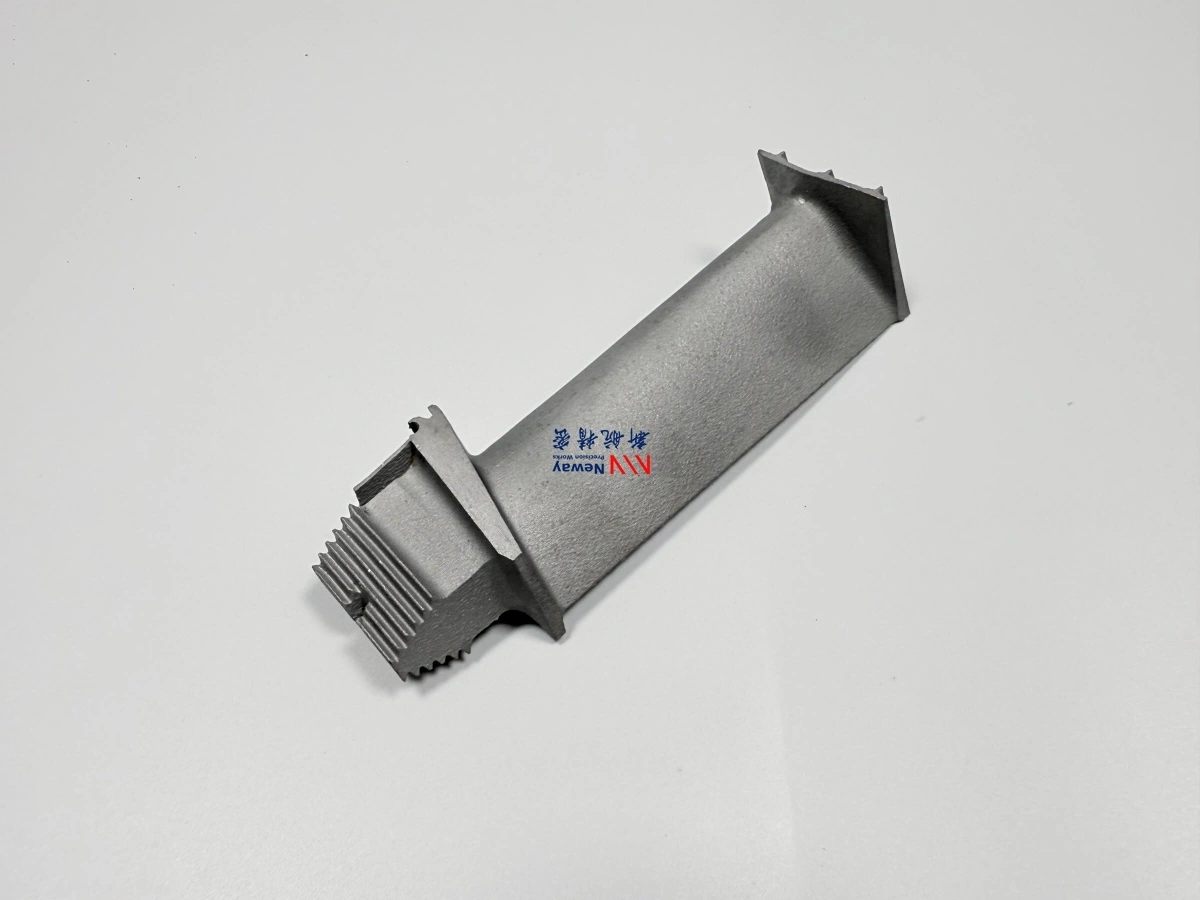
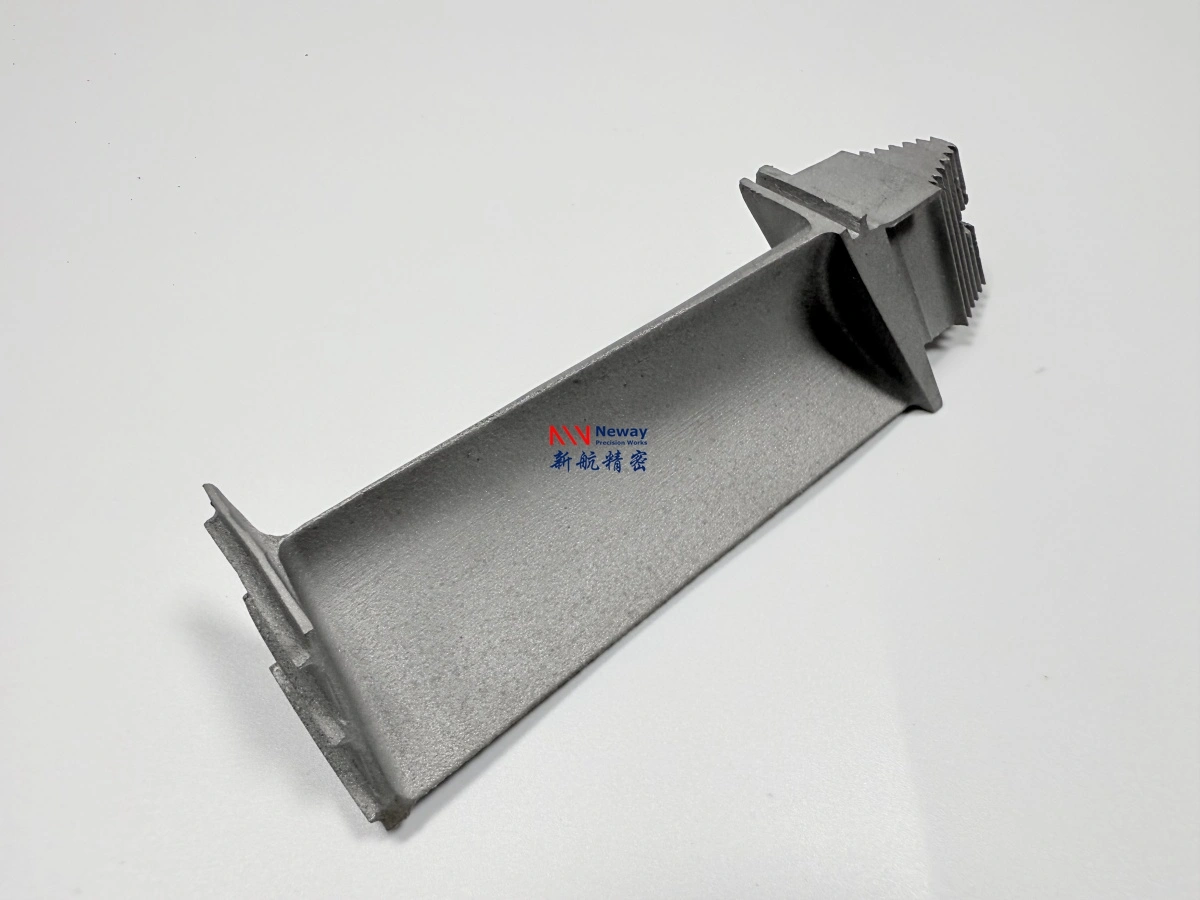
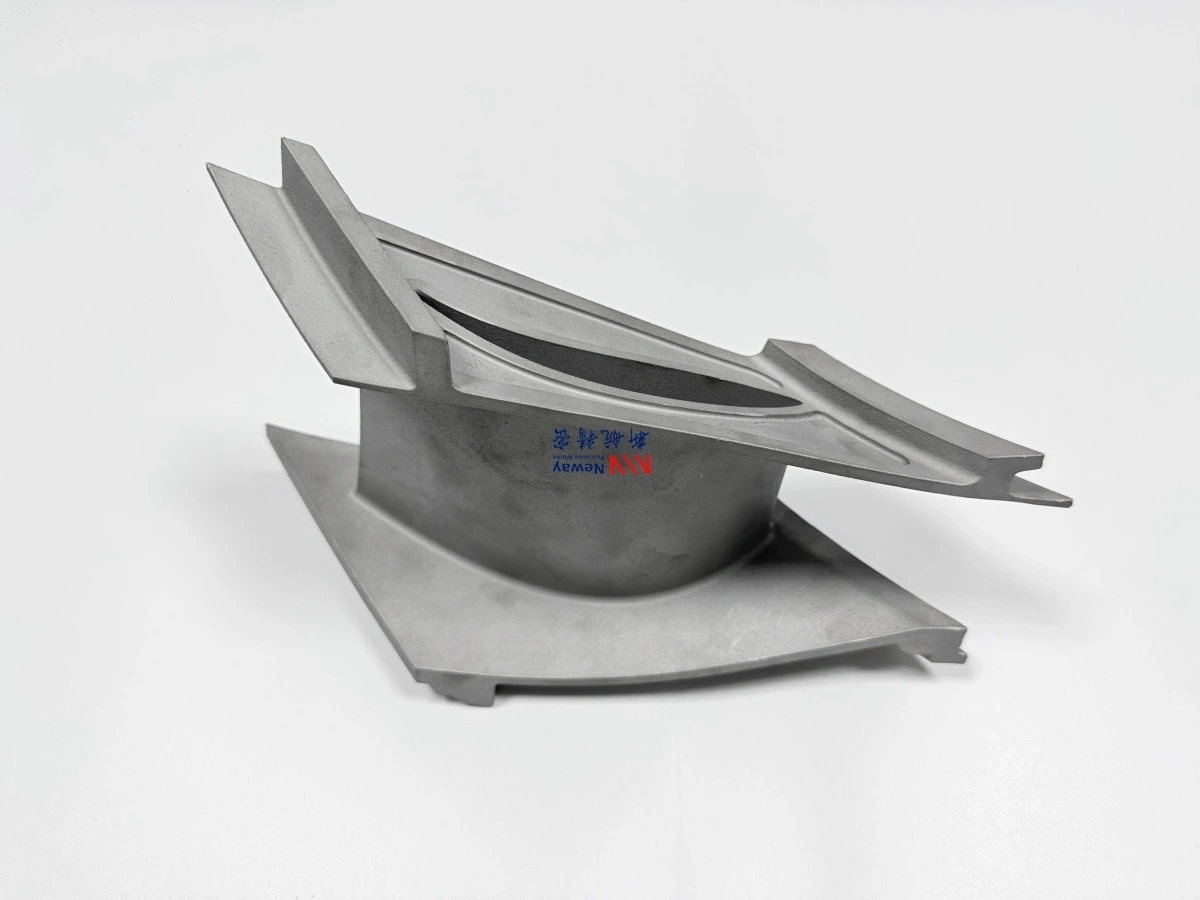
For early-stage turbine vane, nozzle, hot-section bracket, and gas-path component development, Inconel 713C 3D printed parts can help engineers verify geometry before committing to tooling. For long-term production, investment casting may become more economical once the design, tolerance strategy, and quality requirements are stable.
1. Direct Answer: Inconel 713C 3D Printing or Investment Casting?
Choose Inconel 713C 3D printing when the project is still in prototype, design validation, small-batch testing, or engineering development. Choose investment casting when the part design is mature, repeat demand is clear, tooling cost can be justified, and the casting process can meet dimensional, metallurgical, and inspection requirements.
For many turbine development projects, the most practical approach is not choosing one process permanently. A common strategy is to use 3D printing first for fast prototype verification, then evaluate investment casting later if the design moves into stable batch production.
Project Stage | Recommended Process | Reason |
|---|---|---|
Early concept validation | 3D printing | Allows faster geometry review without casting tooling. |
Small-batch turbine prototype | 3D printing | Suitable for limited quantities and design iteration. |
Design not frozen | 3D printing | Avoids repeated mold modification or tooling waste. |
Stable repeated production | Investment casting | Tooling cost can be spread across larger quantities. |
Mature turbine component design | Investment casting or hybrid route | Casting may be more cost-effective after validation. |
2. When Is Inconel 713C 3D Printing Better?
Inconel 713C 3D printing is usually better when turbine developers need speed, flexibility, and low-volume engineering validation. It is especially useful when the design may still change after assembly testing, flow-path evaluation, thermal testing, or customer review.
For rapid prototyping, 3D printing can reduce the need for early casting tooling and allows engineers to test several geometry versions before finalizing the production design.
When 3D Printing Is Better | Why It Helps |
|---|---|
The design is not frozen | Design changes can be made directly from updated CAD data without modifying casting tooling. |
Only 1–20 prototype parts are needed | Small quantities are often easier to justify without mold or tooling investment. |
Complex flow-path geometry needs validation | Curved gas-path surfaces, thin walls, and integrated features can be tested earlier. |
Several design versions need comparison | Multiple iterations can be printed and reviewed before choosing a final structure. |
Assembly interfaces need checking | Mounting faces, holes, flanges, and datum areas can be verified before production tooling. |
Delivery time is more important than unit cost | Printing may support faster development cycles for prototype programs. |
However, Inconel 713C 3D printing still requires careful review because the alloy is crack-sensitive. Thin walls, sharp transitions, internal cavities, support access, and powder removal must be checked before production.
3. When Is Investment Casting Better for Inconel 713C Turbine Parts?
Investment casting may be better when the part design is mature and the customer expects repeated production. Inconel 713C-class alloys have long been associated with turbine-related cast components, so casting can be a strong option when the geometry, tooling strategy, quality controls, and batch demand are already clear.
When Casting Is Better | Why It Helps |
|---|---|
The design is frozen | Tooling investment is more reasonable when part geometry will not change frequently. |
Long-term batch demand is expected | Mold and process setup costs can be spread across repeated production batches. |
The casting route is mature | Stable gating, feeding, ceramic shell, and heat treatment routes can improve repeatability. |
Unit cost is the main concern | Casting may reduce unit cost after tooling cost is amortized. |
The part is already designed for casting | Wall thickness, draft, shrinkage allowance, and machining allowance may already suit the casting process. |
Production qualification is required | A controlled casting process may be preferred for stable production programs after prototype validation. |
Investment casting is not always faster or cheaper at the beginning of a project. Tooling, trial casting, dimensional correction, defect review, and process validation can take time. If the turbine design is still changing, printing a prototype first may reduce the risk of repeated tooling modification.
4. What Are the Main Trade-Offs Between 3D Printing and Casting?
The decision between Inconel 713C 3D printing and investment casting should be based on project stage, quantity, geometry maturity, budget, and validation requirements. 3D printing is usually stronger for early flexibility, while casting is usually stronger for mature repeated production.
Comparison Item | Inconel 713C 3D Printing | Investment Casting |
|---|---|---|
Best project stage | Prototype, small batch, design validation, engineering trial | Stable production, repeated batches, mature design |
Tooling requirement | No casting mold required for initial prototype | Requires tooling, wax pattern strategy, and casting process setup |
Design flexibility | High flexibility for CAD-based design changes | Lower flexibility after tooling is made |
Small quantity cost | Often more practical for low-volume prototype orders | May be expensive for very small batches because tooling cost is not amortized |
Batch production cost | May remain higher for larger quantities depending on part size and post-processing | May become more economical after tooling and process validation |
Geometry risk | Cracking, thin-wall distortion, support removal, powder removal, and surface roughness | Shrinkage, porosity, hot tearing, ceramic core risk, deformation, and casting yield |
Post-processing | Usually requires heat treatment, possible HIP, support removal, machining, and inspection | Usually requires heat treatment, gating removal, machining, surface finishing, and inspection |
5. How Does a Hybrid Prototype-to-Casting Strategy Work?
For many turbine developers, the best strategy is to use 3D printing and investment casting at different stages of the same project. 3D printing can support fast prototype validation, while casting can be evaluated later for stable production after the design is confirmed.
This hybrid route is especially useful for turbine vanes, nozzles, gas-path parts, and hot-section brackets where geometry may change during early testing.
Development Step | Recommended Action | Purpose |
|---|---|---|
Step 1: CAD review | Review geometry, wall thickness, support access, and machining allowance. | Confirm whether the part is suitable for prototype printing. |
Step 2: Printed prototype | Produce a small batch by 3D printing. | Verify geometry, fit, airflow features, assembly, and test performance. |
Step 3: Test feedback | Adjust the design based on test, inspection, or assembly results. | Reduce the risk of committing to an immature design. |
Step 4: Production route review | Compare repeat 3D printing, investment casting, or combined process routes. | Choose the best balance of cost, lead time, quality, and repeatability. |
Step 5: Batch manufacturing | Use the confirmed route for production or pilot batches. | Move from prototype validation to controlled manufacturing. |
Even when 3D printing is used for prototypes, final interfaces such as sealing faces, mounting surfaces, holes, slots, and datum features may still require CNC machining to meet functional requirements.
6. What Information Is Needed to Compare 3D Printing and Casting?
To recommend the right route, the supplier needs to understand both the current prototype requirement and the future production plan. A single prototype, pilot batch, and annual production program may lead to different process recommendations.
Required Information | Why It Is Needed |
|---|---|
Current prototype quantity | Determines whether 3D printing is more practical for the first validation batch. |
Expected annual demand | Helps evaluate whether investment casting tooling cost can be justified later. |
Design freeze status | Confirms whether the geometry is stable enough for casting tooling. |
3D CAD file | Used to review geometry complexity, wall thickness, internal channels, and process feasibility. |
2D drawing | Defines tolerances, datums, critical dimensions, machining areas, and inspection requirements. |
Application temperature | Helps evaluate whether Inconel 713C and the post-processing route are suitable. |
Inspection requirements | Determines whether CT, X-ray, FPI, CMM, metallurgical testing, or FAI should be included. |
Target lead time | Helps compare prototype speed, casting tooling time, and production schedule risk. |
7. Summary
Inconel 713C 3D printing and investment casting serve different stages of turbine development. 3D printing is often better for early prototypes, small batches, design iteration, and fast validation of turbine vanes, nozzles, gas-path parts, and hot-section structures. Investment casting is often better when the design is frozen, repeat demand is stable, tooling cost can be amortized, and the casting process can meet the required quality level.
For many turbine developers, the practical route is to start with printed prototypes through 3D Printing Service, validate the design, then decide whether to continue with small-batch additive manufacturing or transfer to investment casting for production. To compare both options accurately, customers should provide prototype quantity, future annual demand, design freeze status, CAD files, drawings, operating conditions, post-processing needs, inspection requirements, and target lead time.
.webp)