Inconel 713C
Inconel 713C 3D Printing Materials Introduction
Inconel 713C is a precipitation-hardenable nickel-chromium superalloy developed for high-temperature service where creep strength, oxidation resistance, and thermal fatigue stability are critical. It is widely recognized for maintaining structural integrity under repeated thermal cycling, making it suitable for demanding hot-section and industrial environments.
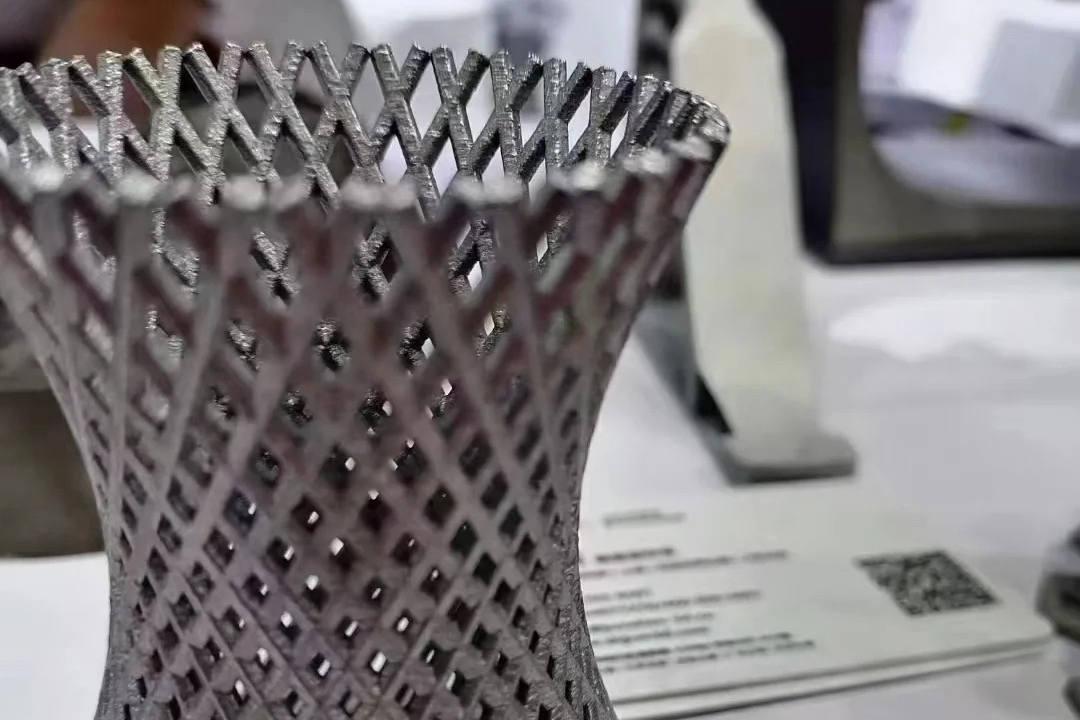
In additive manufacturing, superalloy 3D printing enables Inconel 713C components with complex internal passages, near-net-shape geometry, and reduced machining stock. This makes the alloy especially attractive for turbine hardware, combustion-related components, heat-resistant fixtures, and other parts requiring both elevated-temperature strength and manufacturing flexibility.
Inconel 713C Similar Grades Table
The table below lists common designations and related standards associated with Inconel 713C:
Country/Region | Standard | Grade Name or Designation |
|---|---|---|
USA | UNS | N07713 |
USA | ASTM | ASTM A567 |
USA | AMS | AMS 5377 / AMS 5391 |
Trade Name | Commercial | Alloy 713C / IN 713C |
Material Family | Nickel Superalloy | Cast precipitation-hardened Ni-Cr base alloy |
Inconel 713C Comprehensive Properties Table
Category | Property | Value |
|---|---|---|
Physical Properties | Density | 7.91 g/cm³ |
Melting Range | 1260–1340°C | |
Thermal Conductivity | Approximately 13.4 W/(m·K) at 20°C | |
Specific Heat Capacity | Approximately 460 J/(kg·K) | |
Thermal Expansion | Approximately 14.2 µm/(m·K) at 20–100°C | |
Chemical Composition (%) | Nickel (Ni) | Balance |
Chromium (Cr) | 12.0–14.0 | |
Molybdenum (Mo) | 3.8–5.2 | |
Niobium + Tantalum (Nb + Ta) | 1.8–2.8 | |
Aluminum (Al) | 5.5–6.5 | |
Titanium (Ti) | 0.5–1.0 | |
Carbon (C) | 0.08–0.20 | |
Zirconium (Zr) | 0.05–0.15 | |
Mechanical Properties | Room-Temperature Tensile Strength | Approximately 820–1000 MPa |
Yield Strength (0.2%) | Approximately 650–820 MPa | |
Elongation at Break | Approximately 8–20% | |
Modulus of Elasticity | Approximately 206 GPa | |
Hardness | Approximately 26–34 HRC | |
Useful Elevated-Temperature Strength | Up to about 980°C service environments |
3D Printing Technology of Inconel 713C
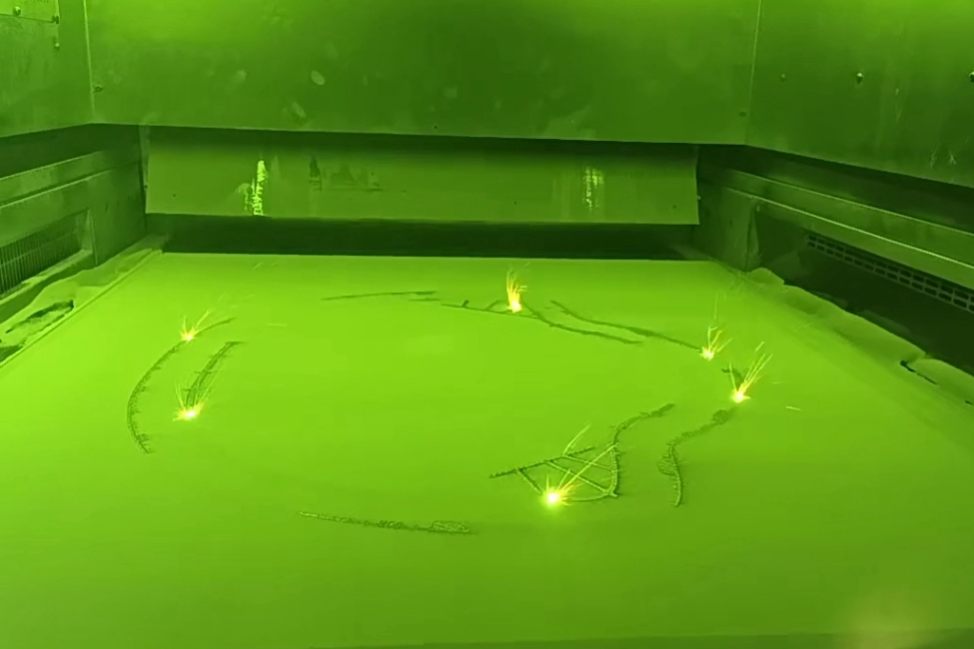
Commonly considered technologies for manufacturing Inconel 713C-type high-temperature nickel superalloy components include Selective Laser Melting (SLM), Direct Metal Laser Sintering (DMLS), and, for selected high-temperature applications, Electron Beam Melting (EBM). These processes support complex geometry production, reduced material waste, and shorter lead times compared with conventional subtractive manufacturing for intricate heat-resistant parts.
Applicable Process Table
Technology | Precision | Surface Quality | Mechanical Properties | Application Suitability |
|---|---|---|---|---|
SLM | ±0.05–0.2 mm | Ra 3.2–6.4 | Excellent | Thin-wall hot-section parts, complex geometry components |
DMLS | ±0.05–0.2 mm | Ra 3.2 | Excellent | Precision superalloy parts, tooling, prototype turbine hardware |
EBM | ±0.1–0.3 mm | Ra 6.4–12.5 | Very Good | Thicker sections, heat-resistant structural components |
Inconel 713C 3D Printing Process Selection Principles
When dimensional precision and intricate geometry are critical, Selective Laser Melting (SLM) is typically preferred. It supports fine feature resolution, high density, and strong mechanical performance for heat-resistant components used in aerospace, energy, and industrial applications.
Direct Metal Laser Sintering (DMLS) is well suited to complex nickel superalloy parts requiring repeatable accuracy and controlled surface quality. It is often selected for prototype and low-volume production where tooling avoidance and fast design iteration are important.
For heavier cross-sections and applications where high-temperature structural integrity is prioritized over the finest surface finish, Electron Beam Melting (EBM) can be considered. Its elevated build temperature environment may help reduce thermal gradients in certain superalloy builds.
Inconel 713C 3D Printing Key Challenges and Solutions
Cracking and residual stress are major concerns when printing high-gamma-prime nickel superalloys such as Inconel 713C. Optimized scanning strategies, controlled heat input, and suitable support design are essential to improve build stability and reduce distortion during fabrication.
Internal porosity can reduce fatigue life and creep performance. Applying Hot Isostatic Pressing (HIP) is recommended to improve density, close internal voids, and enhance structural reliability for critical service environments.
Post-build microstructure control is equally important for achieving the alloy’s intended mechanical properties. Proper heat treatment helps optimize precipitation hardening response, relieve residual stress, and improve elevated-temperature stability.
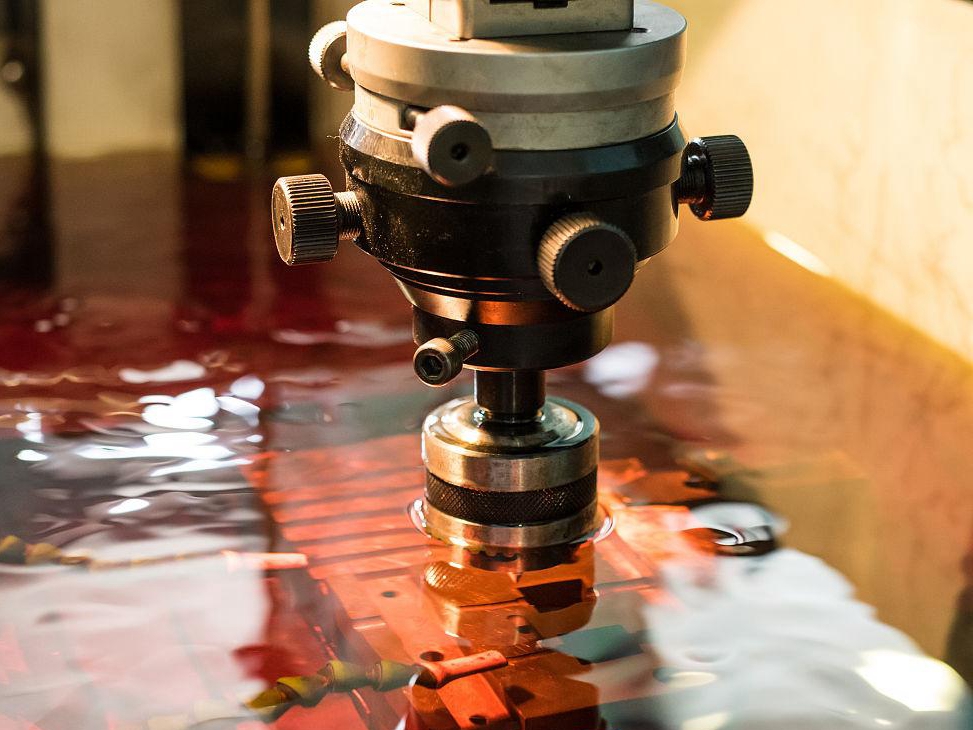
Surface finish is another common limitation for additively manufactured superalloy parts. Precision CNC machining, localized finishing, or suitable surface treatment processes are often necessary to meet sealing, fit, and fatigue-sensitive surface requirements.
Industry Application Scenarios and Cases
Inconel 713C is used where elevated-temperature strength, oxidation resistance, and thermal stability are required:
Aerospace and Aviation: Turbine blades, vanes, combustor-adjacent hardware, and heat-resistant structural components.
Energy and Power: Gas turbine hot-section hardware, burner components, and other parts exposed to sustained thermal loading.
Manufacturing and Tooling: Heat-resistant fixtures, process tooling, and functional components requiring long service life under thermal cycling.
In practical additive manufacturing programs, nickel superalloy parts like Inconel 713C can reduce lead time through near-net-shape production while still allowing critical surfaces and interfaces to be refined through secondary machining and thermal post-processing.
FAQs
What makes Inconel 713C suitable for high-temperature 3D printed components?
How does Inconel 713C compare with Inconel 718 in additive manufacturing applications?
Which post-processing methods are most important for Inconel 713C printed parts?
What types of turbine or hot-section parts are best suited to Inconel 713C?
What challenges must be controlled when printing high-gamma-prime superalloys like Inconel 713C?
Explore Related Blogs