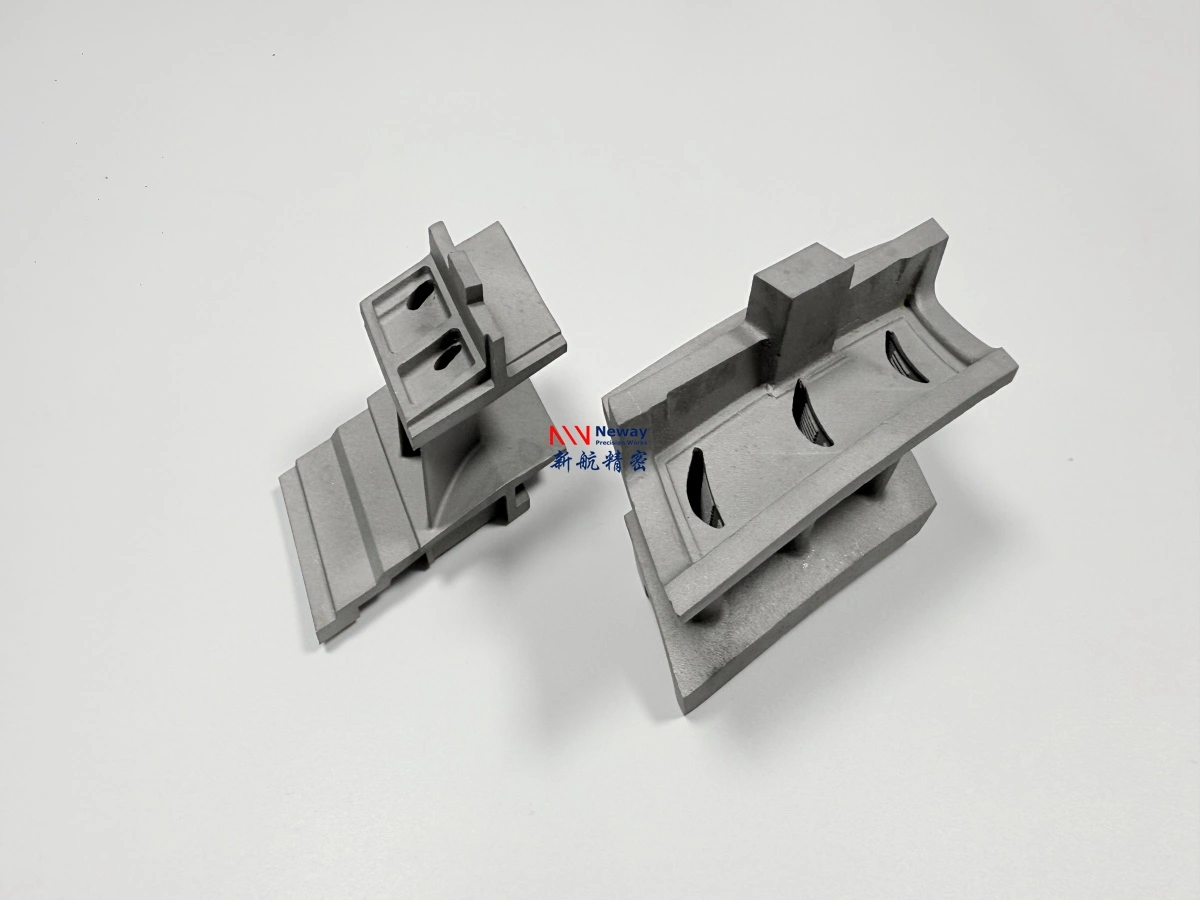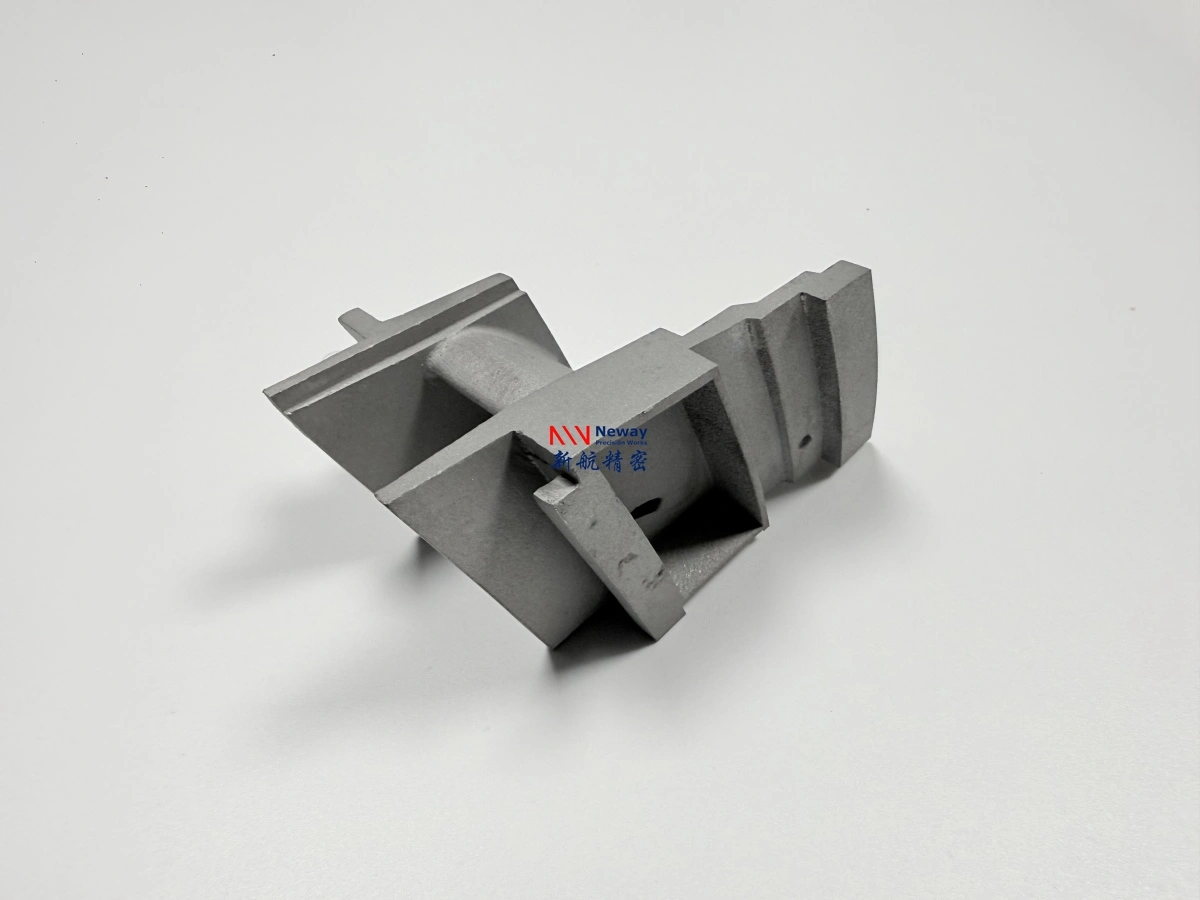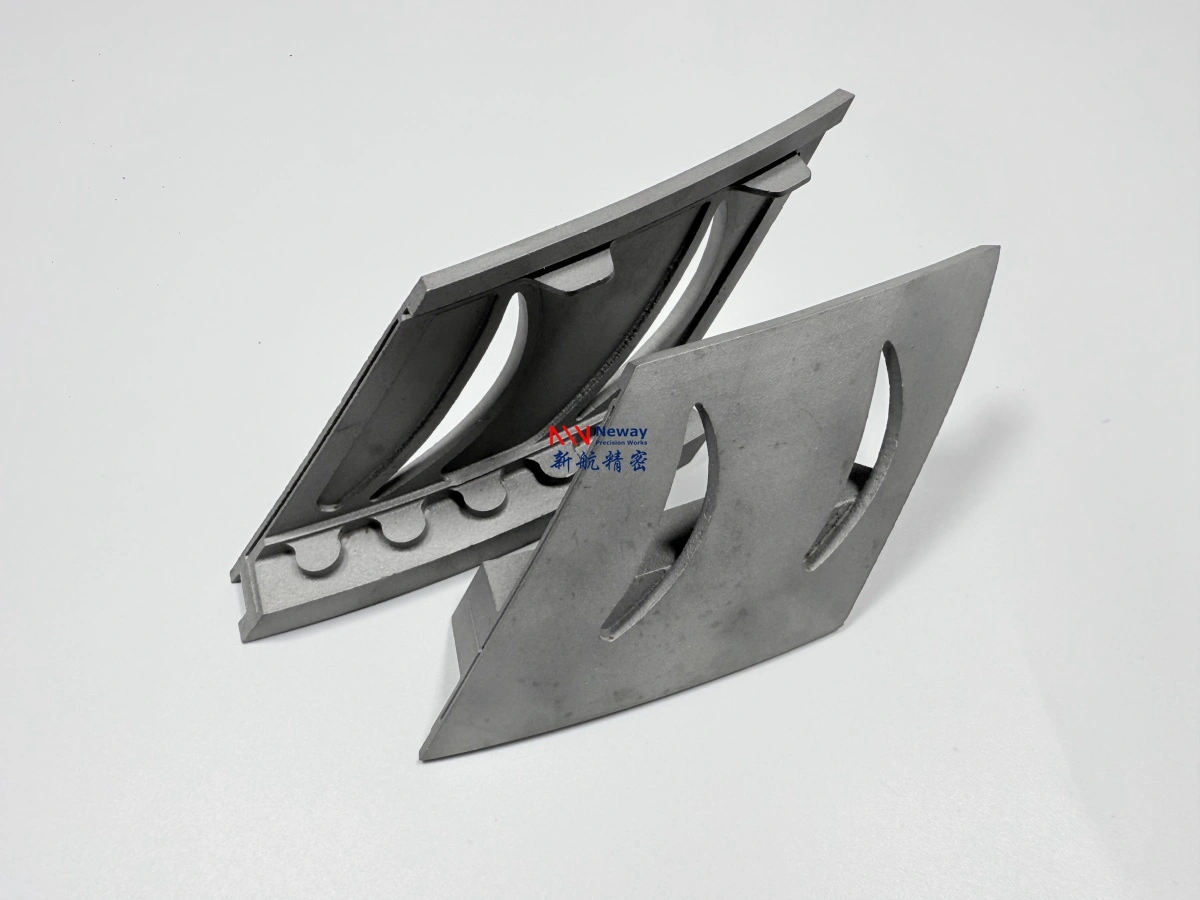
Superalloy 3D Printing for Aerospace and Turbine Hot-Section Components
Choosing the right superalloy for metal 3D printing is not only a material-name decision. In aerospace, turbine, combustion, energy, chemical processing, and hot-section applications, different alloys behave differently under load, heat, oxidation, corrosion, thermal cycling, and post-processing. A part that works well in Inconel 718 may not be the best candidate for Hastelloy X, Haynes 188, or Inconel 713C.
For this reason, superalloy 3D printing projects should begin with material selection, application review, and manufacturability evaluation. The best material depends on the operating temperature, mechanical load, corrosion environment, thermal cycling, geometry complexity, inspection level, and whether the part is for prototype validation or production-intent testing.
This guide compares Inconel 718, Inconel 625, Hastelloy X, Haynes 188, and Inconel 713C for 3D printing. It is designed to help engineers choose a practical starting material before requesting a quote or sending files for technical review.
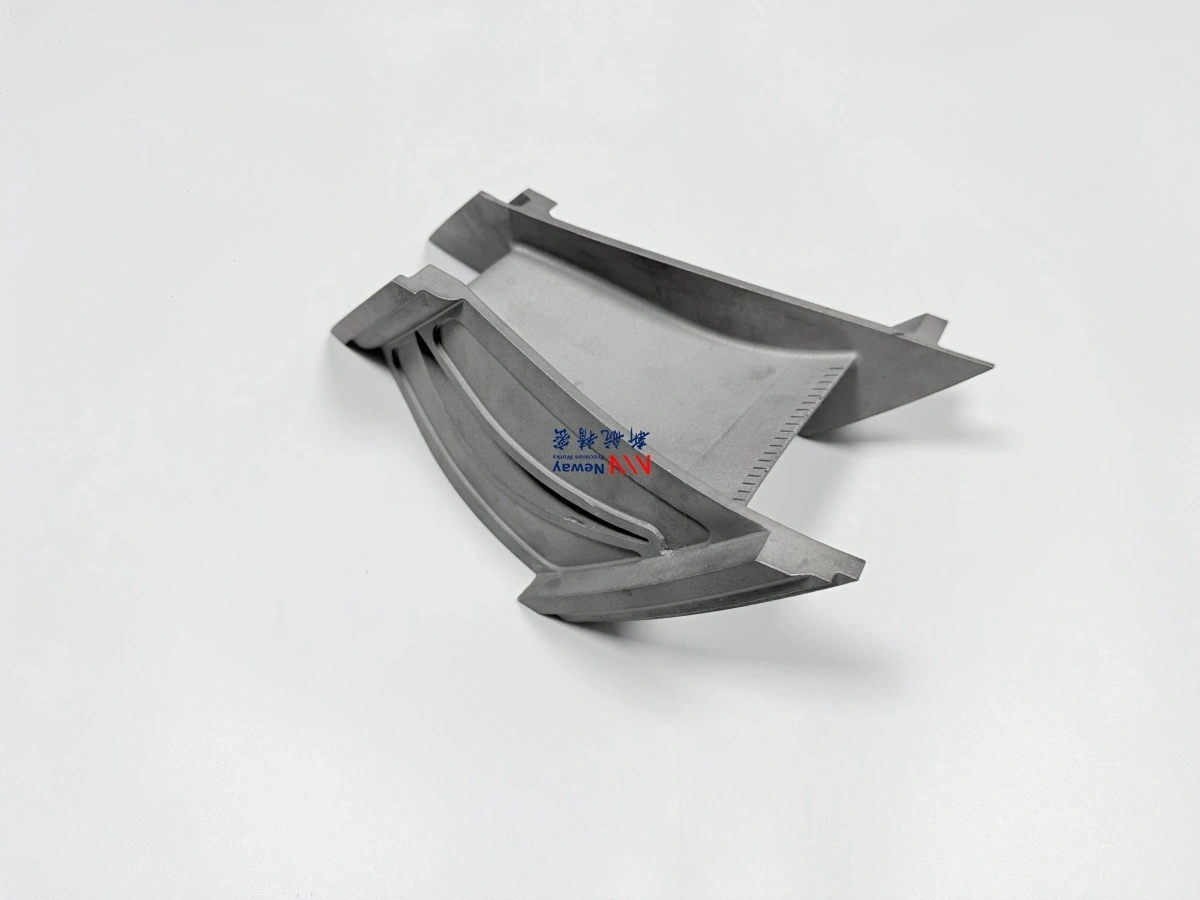
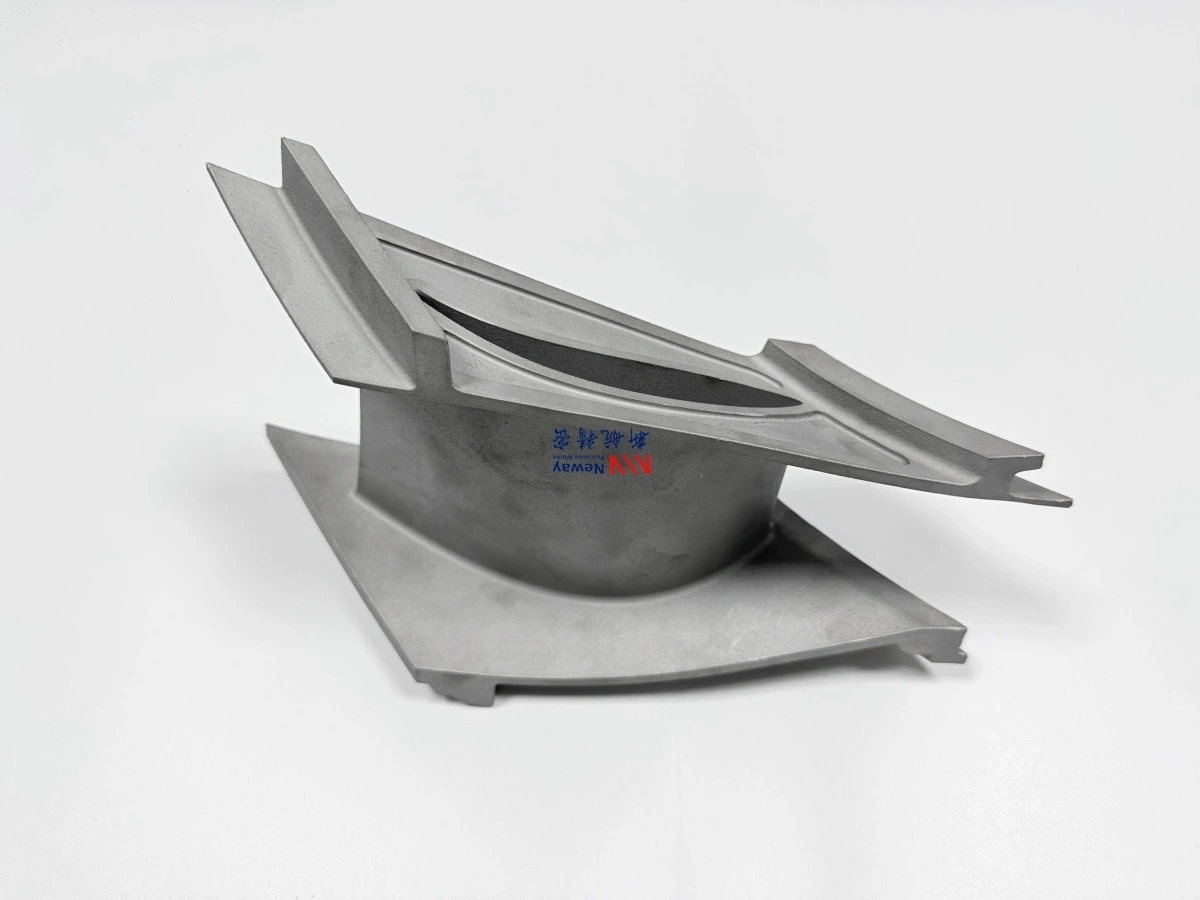
Why Material Selection Matters in Superalloy 3D Printing
Superalloys are often selected for high-temperature or severe-service components, but each alloy has a different performance balance. Some alloys are better for high mechanical strength. Some are better for corrosion resistance. Some are more suitable for combustion gas exposure or thermal cycling. Others are considered for turbine vane and nozzle prototypes but require more careful crack control.
Material selection affects:
High-temperature strength and load-bearing capacity
Oxidation resistance in hot gas environments
Corrosion resistance in chemical, marine, or energy applications
Thermal fatigue resistance during repeated heating and cooling
Cracking risk during powder bed fusion printing
Heat treatment and HIP requirements
CNC machining, EDM, and surface finishing difficulty
Inspection scope and final qualification requirements
If the project is still at the design stage, material selection should be reviewed together with part geometry, wall thickness, support accessibility, powder removal, post-machining allowance, and testing purpose. For early screening of high-temperature superalloys, customers should compare both material performance and manufacturing risk.
Inconel 718 for High-Strength Aerospace and Energy Parts
Inconel 718 is one of the most widely used nickel-based superalloys for 3D printing. It is often selected when the project requires a strong balance of printability, mechanical strength, fatigue resistance, and heat-treated performance.
In 3D printed applications, Inconel 718 is commonly used for aerospace brackets, turbine support parts, structural components, high-temperature fixtures, energy equipment parts, and engineering prototypes that require strong mechanical performance.
Inconel 718 is usually a good starting option when the part requires:
High mechanical strength after heat treatment
Good printability compared with more crack-sensitive superalloys
Aerospace or energy structural performance
Reliable post-processing routes
CNC machining after printing for precision interfaces
However, Inconel 718 is not always the best choice for the hottest combustion zones or the most oxidation-sensitive hot gas path parts. When the main concern is hot gas oxidation or thermal cycling rather than strength alone, Hastelloy X or Haynes 188 may be more suitable.
Inconel 625 for Corrosion-Resistant 3D Printed Parts
Inconel 625 is often selected for corrosion-resistant and oxidation-resistant components. Compared with Inconel 718, it is less focused on precipitation-strengthened high mechanical strength and more commonly used where corrosion resistance, weldability, and environmental resistance are important.
In 3D printing, Inconel 625 can be suitable for chemical processing components, marine-related parts, energy equipment, exhaust-related structures, corrosion-resistant housings, and complex parts exposed to aggressive environments.
Inconel 625 is usually considered when the project requires:
Strong corrosion resistance
Good oxidation resistance
Complex geometry in chemical or energy applications
Good manufacturability for printed nickel alloy parts
Less emphasis on maximum precipitation-hardened strength
If the main decision is between strength-focused 718 and corrosion-focused 625, the Inconel 718 vs Inconel 625 comparison can help clarify which alloy better matches the application.
Hastelloy X for Combustion, Hot Gas, and Thermal Fatigue Applications
Hastelloy X is widely considered for combustion, burner, exhaust, and hot gas path applications. It is valued for high-temperature oxidation resistance, thermal stability, and performance in severe hot gas environments.
For 3D printing, Hastelloy X is often selected for combustion-related components, burner hardware, hot gas path prototypes, aerospace thermal structures, energy test parts, and components that require resistance to repeated heating and cooling.
Hastelloy X is usually a strong candidate when the part requires:
Good oxidation resistance in combustion environments
Thermal fatigue resistance during repeated heat cycles
Hot gas path performance
Complex thin-wall or flow-related structures
Better suitability for combustion-zone applications than strength-only alloys
When customers compare high-strength aerospace alloys with combustion-oriented materials, the Hastelloy X vs Inconel 718 comparison can help determine whether strength or hot gas exposure should drive the material decision.
Haynes 188 for Cobalt-Based Hot Gas Path and Thermal Cycling Parts
Haynes 188 is a cobalt-based superalloy used for high-temperature oxidation resistance, thermal stability, and hot gas path applications. It is often considered when nickel-based alloys are not the only option and the working environment involves combustion gas, thermal cycling, or severe oxidation exposure.
For 3D printed parts, Haynes 188 may be suitable for combustion liners, hot-gas path structures, thermal shields, burner-related components, and high-temperature test hardware. Its value is not simply high-temperature strength, but its performance balance in oxidation-resistant and thermally exposed environments.
Haynes 188 is usually considered when the project requires:
Cobalt-based superalloy performance instead of a nickel-based alloy
Strong oxidation resistance in hot gas environments
Thermal cycling resistance
Combustion or hot-gas path exposure
Thin-wall hot-section structures with careful post-processing
For projects where engineers are comparing cobalt-based alloys against nickel alloys, cobalt-based superalloy 3D printing can help explain when Haynes 188 may offer advantages over common nickel-based options.
Inconel 713C for Turbine Vane, Nozzle, and Hot-Section Prototypes
Inconel 713C is different from the other alloys in this guide because it is strongly associated with turbine hot-section parts, including turbine vanes, nozzle guide components, and small turbine hardware. It can be considered for 3D printed prototype evaluation, but it requires more careful manufacturability review than common printable nickel alloys.
For 3D printing, Inconel 713C is usually not selected as a general-purpose superalloy. It is more suitable for turbine-related prototype development where engineers need to evaluate geometry, flow-path features, mounting interfaces, or small-batch hot-section parts before choosing a final production route.
Inconel 713C may be considered when the project involves:
Turbine vane or nozzle prototype evaluation
Hot-section gas-path parts
Small-batch turbine test components
Prototype validation before investment casting
Careful control of cracking, distortion, support removal, and post-processing
Because Inconel 713C is more sensitive to cracking and distortion, the manufacturing route should be reviewed before quotation. For turbine developers comparing additive manufacturing and casting, Inconel 713C 3D printing should be evaluated together with investment casting, inspection scope, and future production quantity.
Selection Table for Superalloy 3D Printing Materials
The best superalloy depends on the application environment and performance priority. The table below provides a practical starting point for material selection before engineering review.
Selection Factor | Recommended Material Direction | Typical Reason |
|---|---|---|
High mechanical strength | Inconel 718 | Good strength, mature heat treatment, broad aerospace use |
Corrosion resistance | Inconel 625 | Suitable for chemical, marine, and energy environments |
Combustion gas exposure | Hastelloy X or Haynes 188 | Better direction for oxidation and hot gas path applications |
Thermal cycling | Hastelloy X or Haynes 188 | Often used for thermally exposed combustion or hot-section parts |
Turbine vane or nozzle prototype | Inconel 713C evaluation | Relevant to turbine hot-section geometry, but requires crack-control review |
Lower manufacturing risk | Inconel 718 or Inconel 625 | Generally more established printable nickel alloy options |
Prototype before casting | Inconel 713C, Hastelloy X, or selected nickel alloy | Depends on whether the part is turbine, combustion, or structural hardware |
Quick Comparison by Application Intent
Customers often know the application before they know the final material. In this case, the selection can start from the working environment and then move toward detailed engineering review.
Application Intent | Possible Material Options | Selection Comment |
|---|---|---|
Aerospace structural bracket | Inconel 718 | Often selected for strength and mature post-processing |
Corrosive energy equipment part | Inconel 625 | Good option when corrosion resistance is the main driver |
Combustion hardware | Hastelloy X or Haynes 188 | Better direction for oxidation and thermal cycling exposure |
Hot gas path test structure | Hastelloy X, Haynes 188, or Inconel 713C | Depends on temperature, load, gas exposure, and turbine geometry |
Turbine vane or nozzle prototype | Inconel 713C evaluation | Requires review of cracking risk, thin walls, and post-machining allowance |
General high-temperature prototype | Inconel 718, Hastelloy X, or Inconel 625 | Material depends on strength, corrosion, and oxidation priorities |
Manufacturing Risk Is Also Part of Material Selection
In superalloy 3D printing, the best material is not always the alloy with the highest theoretical temperature capability. The part must also be printable, inspectable, cleanable, machinable, and suitable for the intended post-processing route.
For example, a thin-wall turbine part with internal passages may require careful support design, powder removal holes, CT inspection, CNC machining allowance, and heat treatment planning. A high-strength bracket may need less internal inspection but more focus on mechanical properties and machined interfaces.
The superalloy material category has different process risks from stainless steel or titanium 3D printing, especially in thermal stress, cracking control, post-processing, and inspection planning.
RFQ Advice for Superalloy Material Selection
If you are not sure whether to choose Inconel 718, Inconel 625, Hastelloy X, Haynes 188, or Inconel 713C, the best approach is to provide application information rather than only asking for a material quote. A supplier can then help evaluate whether the selected alloy fits the operating environment and manufacturing route.
For material selection support, please provide:
3D CAD file in STEP, X_T, or STL format
2D drawing with tolerances, critical dimensions, and datum references
Target working temperature and thermal cycling condition
Mechanical load, vibration, pressure, or fatigue requirements
Corrosion, oxidation, combustion gas, or chemical exposure
Prototype quantity, pilot batch quantity, and future production expectation
Required post-processing, such as heat treatment, HIP, CNC machining, EDM, coating, or polishing
Inspection requirements, such as CMM, CT, X-ray, FAI, material certificate, or heat treatment record
For quotation preparation, a complete superalloy 3D printing RFQ should include files, material preference, operating environment, quantity, post-processing requirements, and inspection standards.
FAQ
When Is HIP Recommended for 3D Printed Superalloy Components?
Which Features Usually Need CNC or EDM After Superalloy 3D Printing?
How Can Buyers Reduce the Cost of Custom Superalloy 3D Printed Parts?
What Inspection Reports Are Common for 3D Printed Superalloy Aerospace or Turbine Parts?
What Information Should Be Included in a Superalloy 3D Printing RFQ?