
When Is HIP Recommended for 3D Printed Superalloy Components?
When Is HIP Recommended for 3D Printed Superalloy Parts?
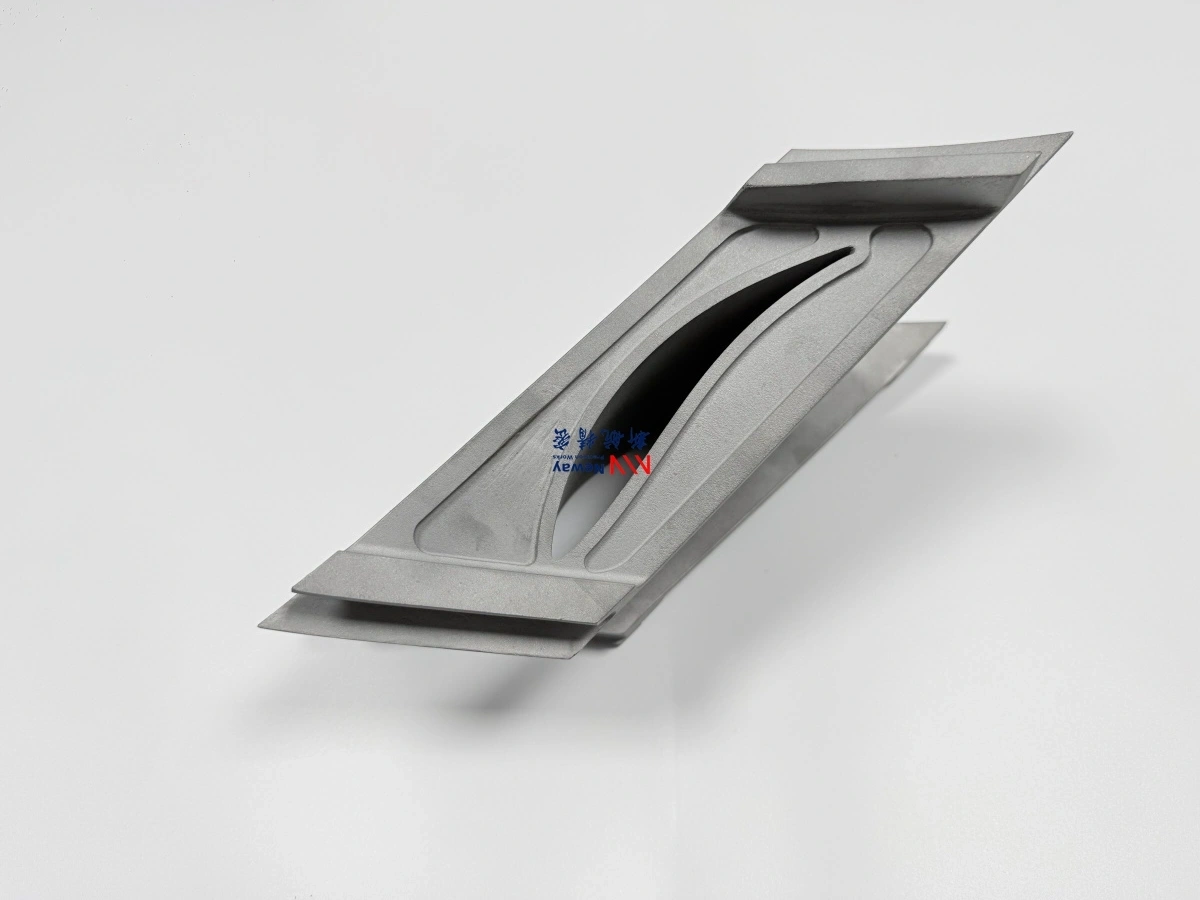
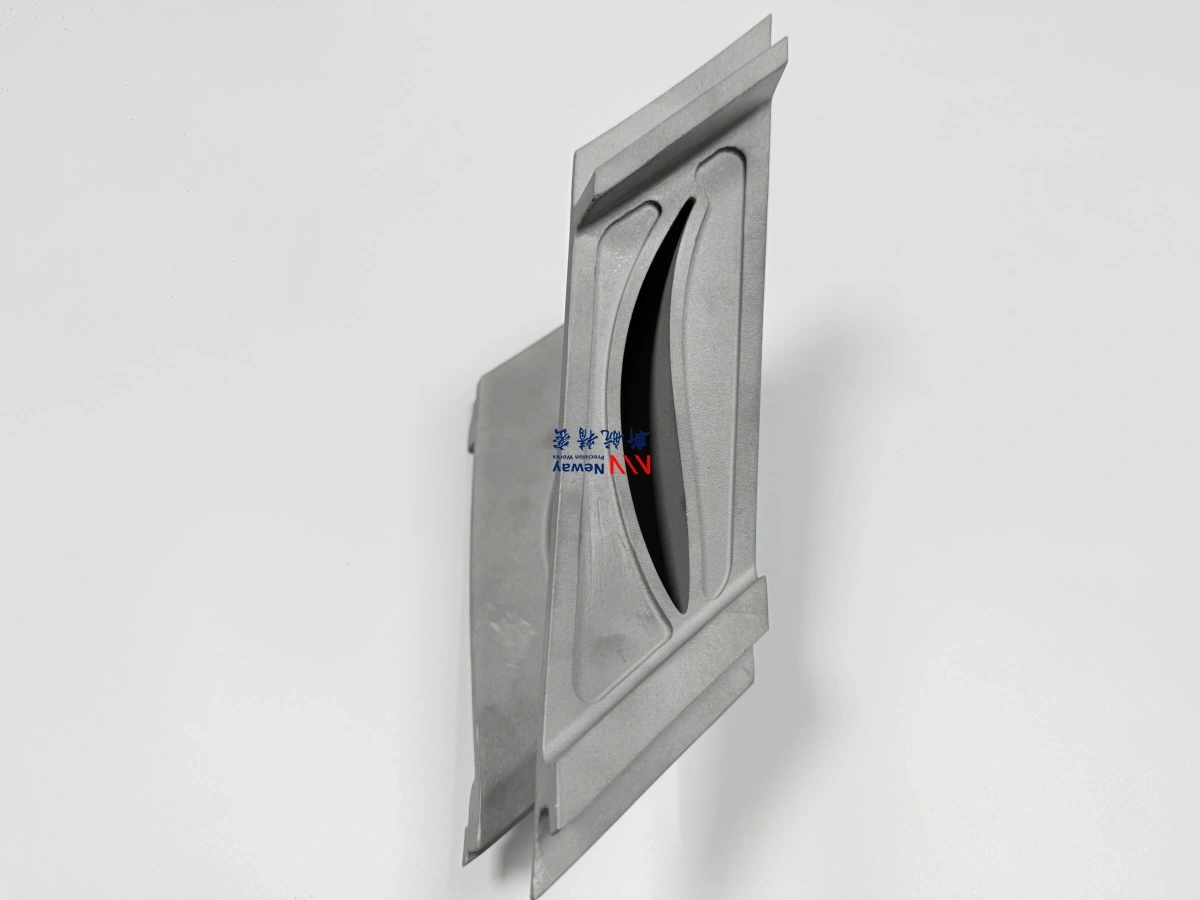
Hot Isostatic Pressing is recommended for 3D printed superalloy parts when internal density, fatigue performance, structural reliability, pressure integrity, or hot-section durability is critical. HIP is especially useful for high-value aerospace, turbine, nozzle, combustion, heat exchanger, pressure-loaded, and thermally cycled components where internal pores or lack-of-fusion defects may reduce service reliability.
For superalloy 3D printing, HIP should not be treated as a universal requirement for every part. It should be evaluated according to material, geometry, application risk, inspection requirements, and customer acceptance standards. Some prototype parts may not need HIP, while critical hot-section or fatigue-sensitive parts may require HIP as part of the complete post-processing and quality-control route.
1. Direct Answer: When Is HIP Recommended?
HIP is recommended when a 3D printed superalloy part must achieve higher internal integrity, reduced porosity, improved fatigue reliability, or better structural performance under high temperature, cyclic load, or pressure conditions. It is commonly considered for turbine parts, aerospace hardware, combustor components, hot-gas path parts, pressure-related components, and parts that will undergo expensive functional testing.
HIP Recommendation Scenario | Why HIP May Be Needed | Typical Part Direction |
|---|---|---|
Fatigue-sensitive parts | Internal pores can reduce fatigue life under repeated loading. | Aerospace brackets, rotating test hardware, high-load fixtures. |
Hot-section components | Thermal cycling and high temperature can make internal defects more critical. | Turbine nozzles, combustor parts, hot-gas path structures. |
Pressure-loaded parts | Internal defects may affect leakage risk, burst strength, or pressure reliability. | Manifolds, heat exchangers, pressure housings, flow components. |
High-value prototypes | HIP can reduce internal defect risk before expensive testing. | Engine test parts, turbine prototypes, validation hardware. |
Customer-specified quality plans | Some projects require HIP for qualification, inspection, or acceptance. | Aerospace, aviation, energy, and power components. |
2. What Does HIP Improve in 3D Printed Superalloy Parts?
HIP uses high temperature and high isostatic gas pressure to help close internal pores and improve the internal integrity of metal parts. For additive manufactured superalloys, this can be valuable because layer-by-layer printing may leave small internal defects depending on material, process parameters, geometry, and build conditions.
For customers reviewing whether HIP is worth adding, references such as Increased Density: Boost Strength and Reliability with HIP, Enhanced Mechanical Properties: Maximize Durability and Performance through HIP, and Better Structural Integrity: Ensure Stronger Parts with HIP Process help explain the relationship between density, mechanical performance, and structural reliability.
HIP Benefit | Why It Matters | Most Relevant Applications |
|---|---|---|
Reduced internal porosity | Helps improve internal quality and reduce defect-sensitive failure risk. | Aerospace, turbine, pressure, and fatigue-sensitive parts. |
Improved structural integrity | Supports reliability when parts are used under load, heat, or vibration. | Hot-section brackets, nozzles, manifolds, test hardware. |
Better fatigue-related performance | Internal defects can become fatigue crack initiation points. | Cyclic-loaded aerospace and energy components. |
Higher confidence before testing | Reduces risk before costly engine, thermal, pressure, or endurance testing. | Prototype turbine, combustion, and hot-gas path parts. |
3. When Is HIP Most Important for High-Temperature Superalloy Parts?
HIP is most important when the part will be exposed to high temperature, thermal cycling, fatigue, pressure, or critical service conditions. Superalloys are often selected for demanding environments, so internal defects may have a greater impact than they would in simple non-critical prototypes.
For Aerospace and Aviation components, HIP may be included in the qualification route when reliability and documentation are important. For turbine and combustion parts, HIP may be evaluated together with heat treatment, CT or X-ray inspection, machining, and surface finishing.
Application Condition | HIP Importance | Reason |
|---|---|---|
High-temperature exposure | High | Internal defects may become more critical under thermal stress and oxidation exposure. |
Repeated thermal cycling | High | Repeated expansion and contraction can promote crack growth from defects. |
Fatigue loading | High | Porosity and lack-of-fusion defects can reduce fatigue performance. |
Pressure or leakage-sensitive service | Medium to high | Internal defects may affect pressure integrity or leakage control. |
Visual or fit-check prototype only | Low to optional | HIP may not be necessary if the part is not functionally loaded or thermally tested. |
4. Do All 3D Printed Superalloy Parts Need HIP?
No. Not all 3D printed superalloy parts need HIP. HIP adds cost, lead time, and process planning requirements, so it should be selected based on application risk and quality requirements. A simple fit-check prototype, display part, or non-critical geometry validation part may not need HIP. A functional turbine, aerospace, heat exchanger, or pressure-loaded part is more likely to benefit from HIP.
Material-specific guidance can also vary. For example, customers often ask whether Does Inconel 718 3D printing require heat treatment or HIP or whether Does Hastelloy X 3D printing require heat treatment or HIP. For crack-sensitive materials, post-processing decisions may be even more project-specific, as explained in What Post-Processing Controls Are Needed for Inconel 713C 3D Printed Parts?.
Part Type | HIP Recommendation | Quotation Note |
|---|---|---|
Visual prototype | Usually not required | Basic printing and finishing may be enough. |
Fit-check prototype | Usually optional | Machining and dimensional inspection may matter more than HIP. |
Functional prototype | Often recommended for higher-risk testing | Depends on load, temperature, pressure, and test value. |
Aerospace or turbine component | Frequently recommended or specified | Usually reviewed with heat treatment, inspection, and documentation. |
Pressure or heat exchanger part | Often recommended | Leakage, porosity, and internal channel quality should be evaluated. |
5. Should HIP Be Done Before or After Inspection?
The inspection sequence depends on the project requirement. In many engineering projects, inspection may be performed both before and after HIP. Pre-HIP inspection can help identify major defects before adding cost to a nonconforming part. Post-HIP inspection can confirm final internal quality, dimensional stability, and surface condition after thermal processing.
X-Ray Inspection may be used to screen internal defects in selected geometries before or after HIP. For complex internal channels or critical hot-section parts, CT inspection may also be considered when the customer needs more detailed internal quality confirmation.
Inspection Stage | Purpose | Typical Use |
|---|---|---|
Pre-HIP inspection | Checks major defects before committing to HIP cost and lead time. | High-value prototypes, critical components, early process validation. |
Post-HIP inspection | Verifies final quality after density improvement and thermal exposure. | Functional parts, aerospace hardware, turbine and pressure components. |
Dimensional inspection after HIP | Checks whether thermal processing caused distortion or geometry shift. | Parts with tight tolerances, sealing faces, holes, or assembly interfaces. |
Final inspection after machining | Confirms final drawing compliance after HIP, heat treatment, and CNC finishing. | Production-intent or customer-approved components. |
6. How Does HIP Affect Machining and Dimensional Control?
HIP is a thermal and pressure process, so it should be considered when planning machining allowance, datum strategy, and final inspection. For many superalloy parts, rough printing, stress relief, HIP, heat treatment, and final CNC machining are planned as a sequence so that critical dimensions are finished after major thermal processing.
If tight tolerances, sealing faces, threaded holes, precision flanges, or datum surfaces are required, customers should define these requirements on the drawing. The supplier can then decide which features should be printed near-net shape and which should be finished after HIP and heat treatment.
Feature | HIP-Related Concern | Recommended Control |
|---|---|---|
Sealing surfaces | Thermal processing may affect flatness or surface condition. | Finish-machine after HIP and heat treatment where possible. |
Mounting faces | Dimensional shift may affect assembly alignment. | Use machining allowance and define datum strategy. |
Holes and threads | Printed holes may not meet final tolerance after thermal processing. | Machine or EDM critical holes after HIP if required. |
Thin-wall sections | Risk of distortion during thermal exposure. | Review support, orientation, stress relief, and final inspection plan. |
Internal channels | Channel quality and powder removal should be confirmed before final acceptance. | Plan cleaning, flow testing, X-ray, or CT inspection as needed. |
7. What RFQ Data Is Needed to Decide If HIP Is Required?
To decide whether HIP is needed, customers should provide both design and service-condition data. The decision depends on whether the part is a prototype or final-use component, how much internal quality matters, and what failure risks must be controlled.
RFQ Data | Why It Helps HIP Evaluation |
|---|---|
3D CAD file | Used to review geometry, wall thickness, internal channels, high-stress areas, and manufacturing risk. |
2D drawing | Defines tolerances, datums, critical surfaces, machined features, and inspection requirements. |
Material grade | Confirms whether the alloy has specific heat treatment, HIP, or crack-risk considerations. |
Application purpose | Clarifies whether the part is visual, fit-check, functional, pressure-loaded, or final-use. |
Operating temperature | Helps evaluate whether internal defects may become more critical in service. |
Load and fatigue condition | Determines whether internal pores could reduce durability or fatigue life. |
Pressure or leakage requirement | Helps decide whether internal density and defect screening are critical. |
Inspection standard | Defines whether X-ray, CT, FPI, CMM, FAI, or material documentation must be included. |
Documentation requirement | Confirms whether HIP records, heat treatment records, inspection reports, or COC are needed. |
8. Summary
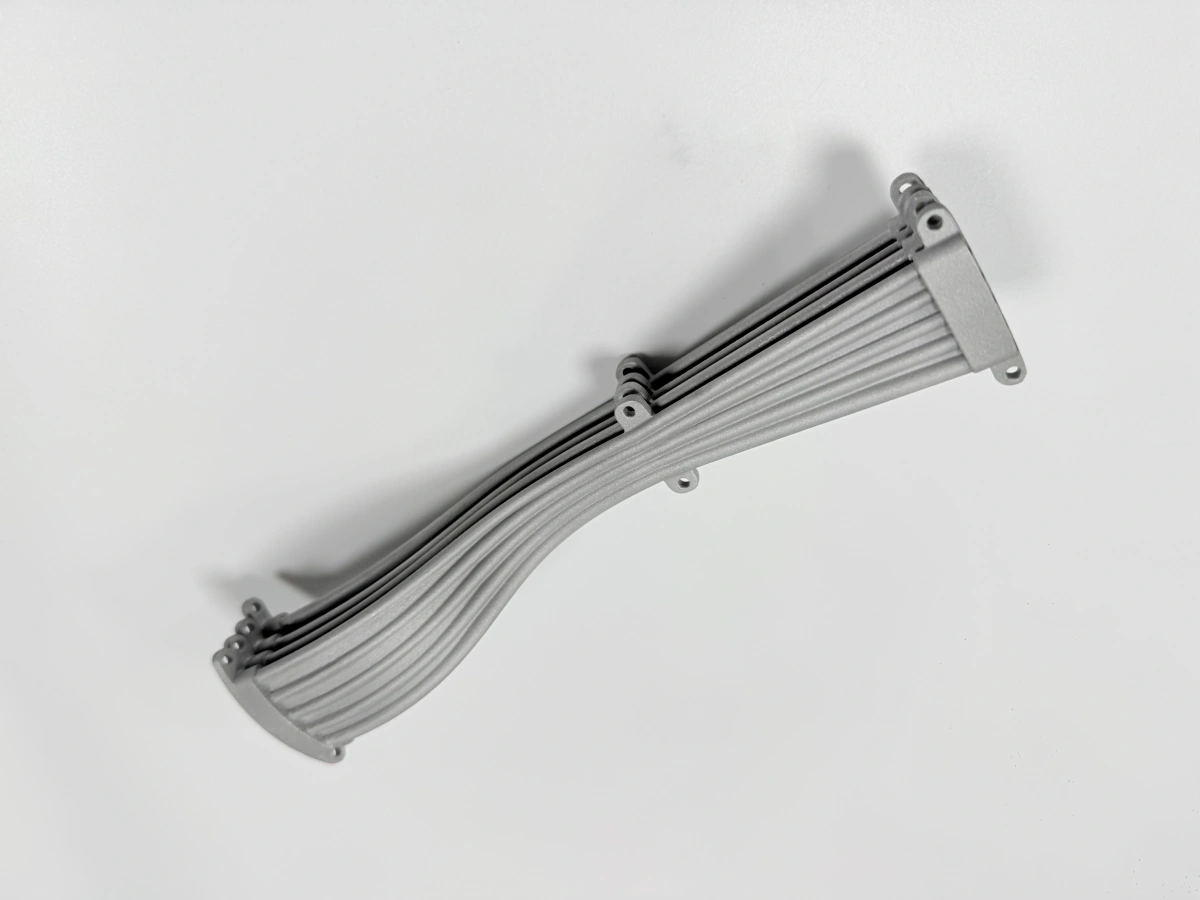
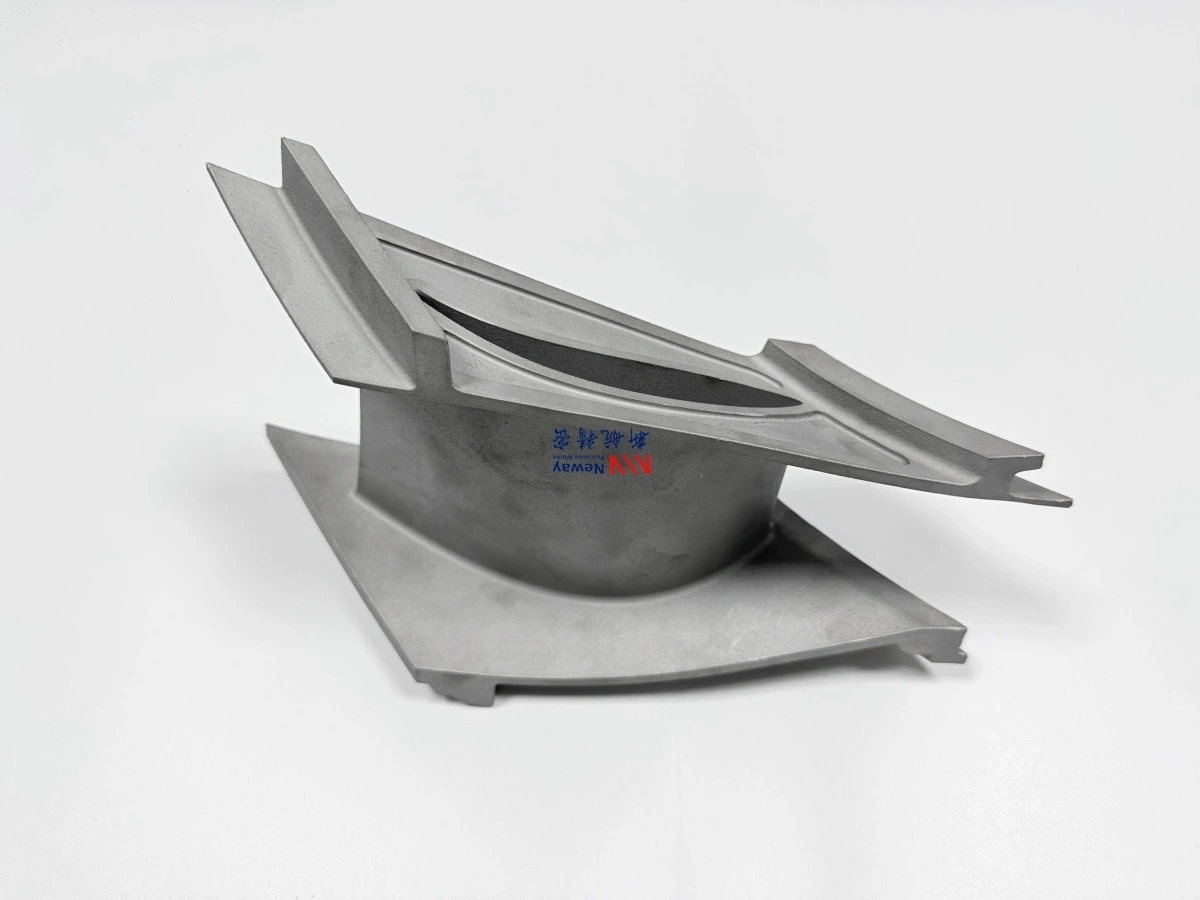
HIP is recommended for 3D printed superalloy parts when internal density, fatigue reliability, pressure integrity, hot-section durability, or customer qualification requirements are important. It is commonly considered for aerospace hardware, turbine parts, combustor components, hot-gas path structures, pressure-loaded parts, heat exchangers, and high-value functional prototypes.
Not every superalloy printed part needs HIP. The decision should be based on material grade, geometry, service temperature, load, pressure, thermal cycling, inspection standard, and development stage. To evaluate HIP requirements accurately, customers should provide CAD files, drawings, application conditions, material requirements, quantity, post-processing needs, inspection scope, and documentation requirements before quotation.
.webp)