
What Post-Processing Controls Are Needed for Inconel 713C 3D Printed Parts?
What Post-Processing Controls Are Needed for Inconel 713C 3D Printed Parts?
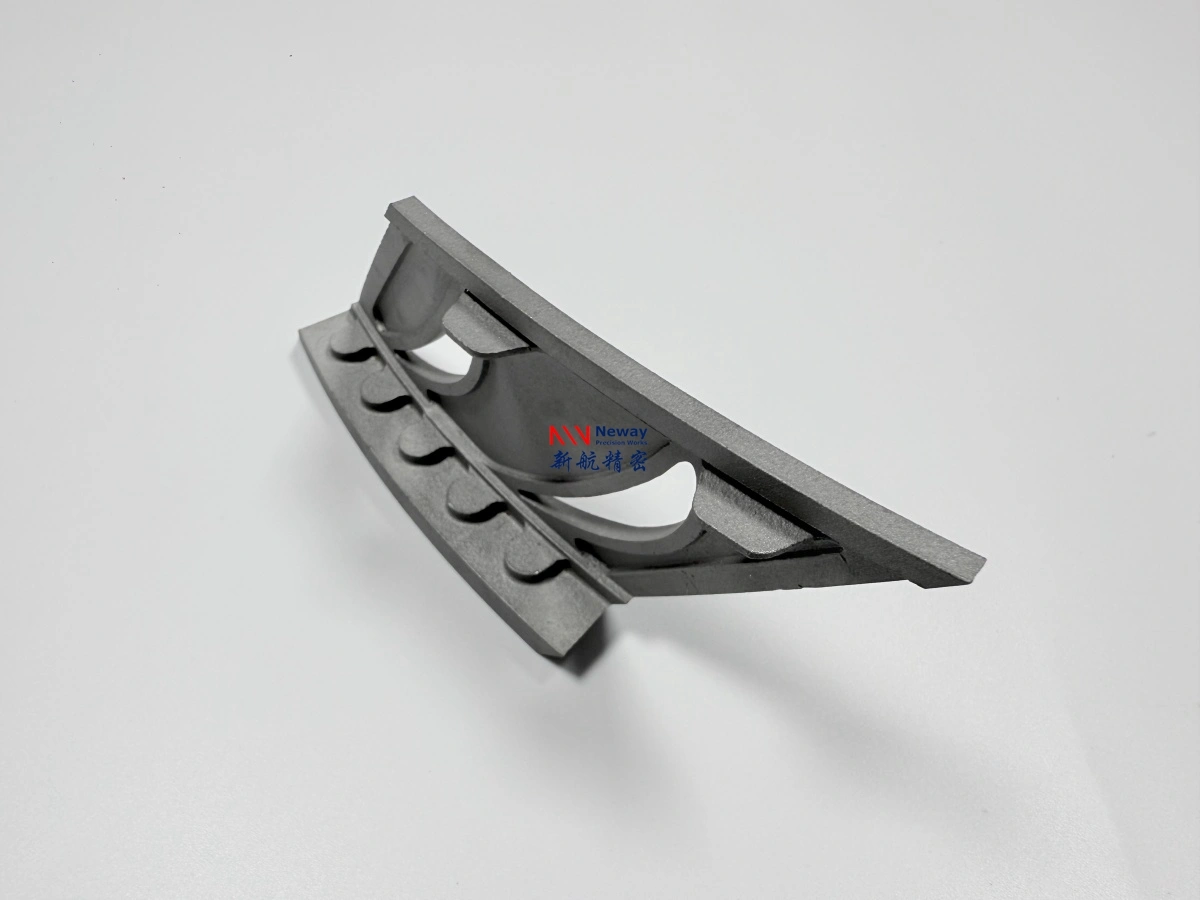
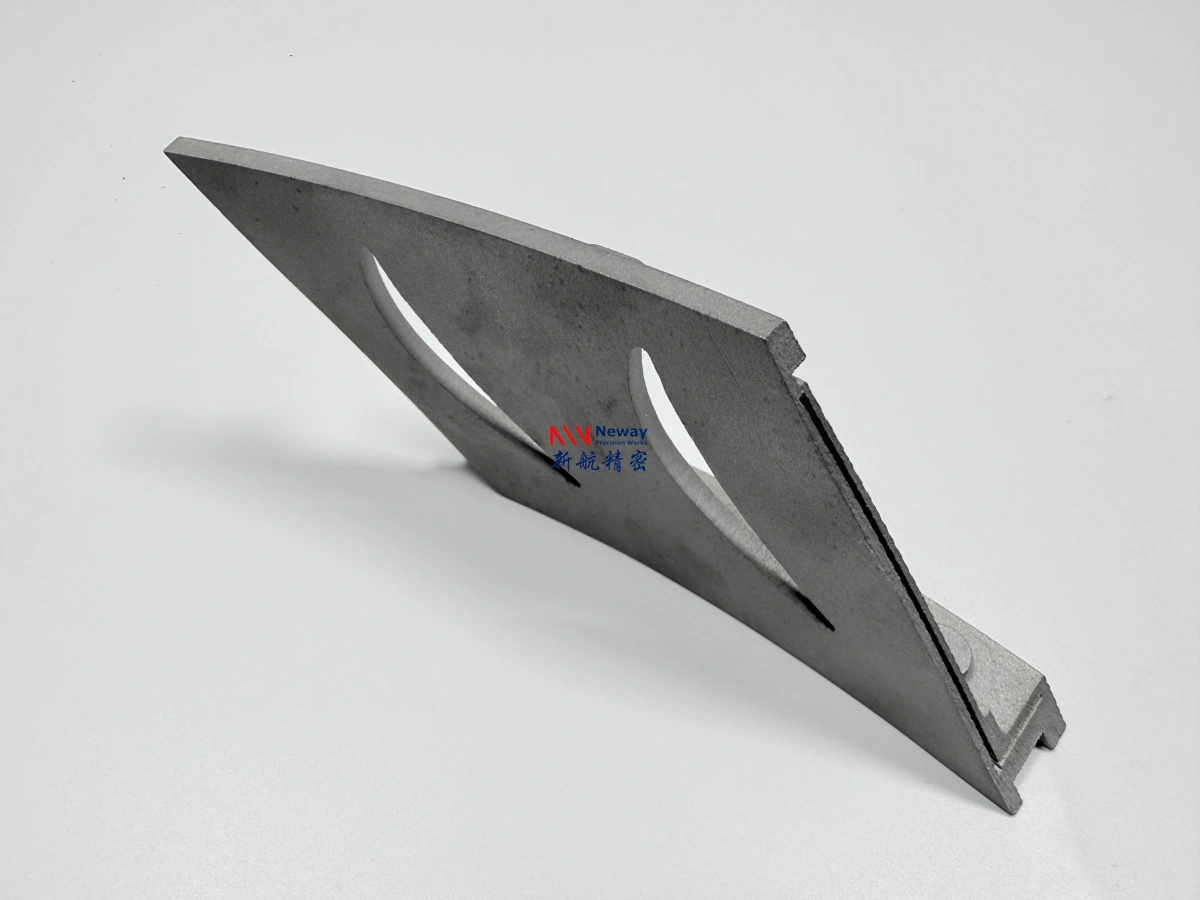
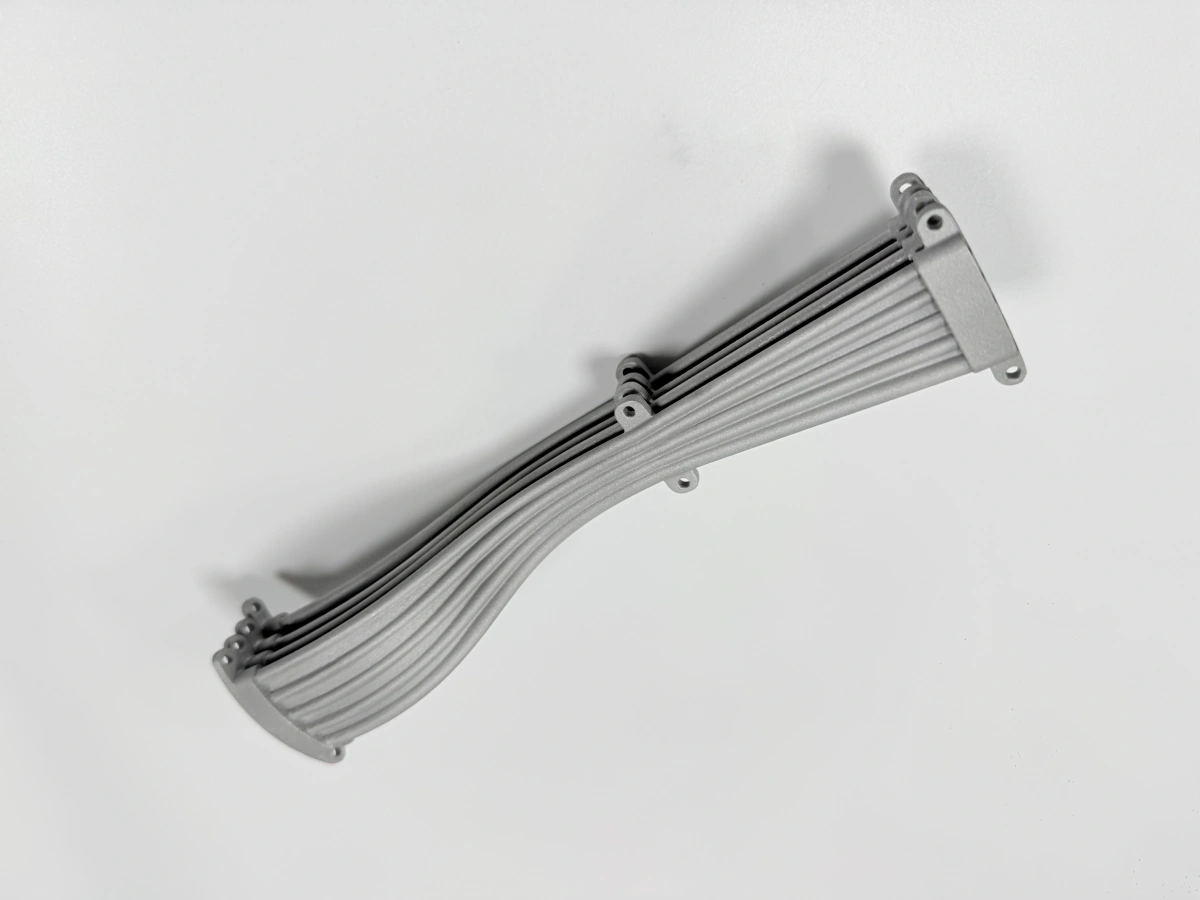
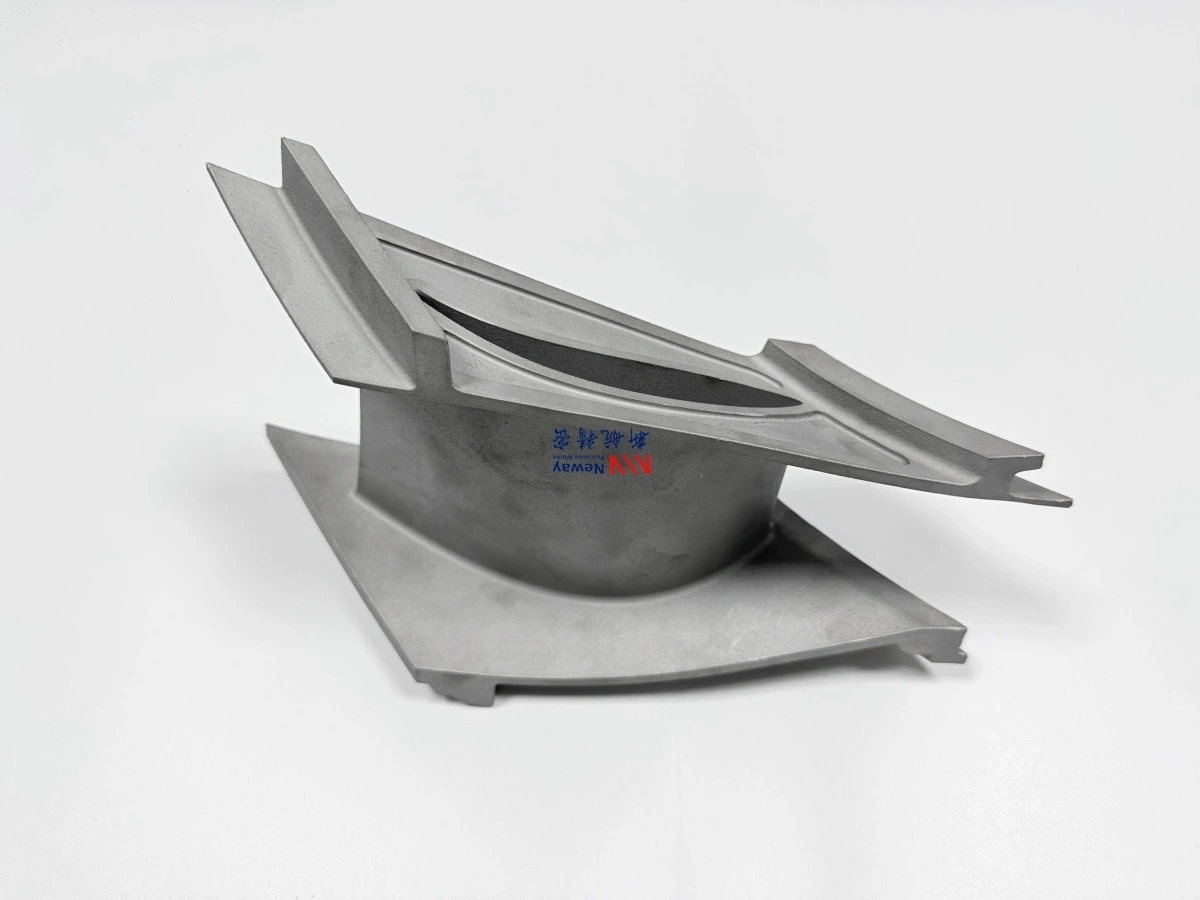
Inconel 713C 3D printed parts usually need controlled post-processing after printing, especially when they are used for turbine, nozzle, combustion, gas-path, or other hot-section applications. Because Inconel 713C-class alloys are crack-sensitive and often used in demanding thermal environments, post-processing should not be treated as a simple finishing step. It is part of the manufacturing control plan.
Typical Inconel 713C post-processing may include stress relief, heat treatment, HIP evaluation, support removal, CNC machining, EDM, surface finishing, X-ray or CT inspection, dimensional inspection, and documentation. The exact route depends on part geometry, wall thickness, application temperature, load condition, inspection standard, and customer acceptance criteria.
1. Direct Answer: What Post-Processing Controls Are Needed?
Inconel 713C 3D printed parts commonly require stress relief, heat treatment review, HIP evaluation, CNC or EDM finishing, dimensional inspection, defect inspection, and process documentation. These controls help reduce residual stress, manage cracking risk, improve internal quality, finish functional features, and verify the part before delivery.
For high-temperature prototypes or critical turbine-related parts, post-processing should be planned before printing. Build orientation, support layout, machining allowance, heat treatment sequence, and inspection access should be reviewed together so the printed part can be finished safely and consistently.
Post-Processing Control | Main Purpose |
|---|---|
Stress relief | Reduces residual stress after printing and helps lower cracking or distortion risk. |
Heat treatment | Adjusts microstructure and mechanical properties according to application requirements. |
HIP evaluation | Helps improve internal quality for defect-sensitive, fatigue-sensitive, or hot-section parts. |
CNC machining | Finishes datum faces, mounting surfaces, holes, threads, sealing faces, and flanges. |
EDM | Machines slots, small holes, thin features, and difficult-to-reach superalloy areas. |
Inspection | Checks cracks, porosity, dimensional accuracy, surface defects, and internal quality. |
Documentation | Provides traceability through material certificates, heat treatment records, inspection reports, or FAI documents. |
2. Why Is Stress Relief Important After Inconel 713C Printing?
Stress relief is one of the most important post-processing steps for Inconel 713C 3D printed parts. During laser powder bed fusion, the part experiences repeated rapid heating and cooling. This can create residual stress inside the printed structure, especially around thin walls, sharp corners, thick-to-thin transitions, support contact areas, and complex gas-path geometry.
If residual stress is not controlled, parts may distort after support removal, crack during later heat treatment, or shift during CNC machining. For turbine vanes, nozzle parts, and hot-section prototypes, stress relief should be considered before aggressive support removal or high-precision machining.
Stress-Related Risk | How Stress Relief Helps |
|---|---|
Cracking after printing | Reduces internal stress that may contribute to crack initiation or growth. |
Distortion during support removal | Improves part stability before cutting supports from thin or curved sections. |
Machining deformation | Helps stabilize the part before finishing datum faces, holes, and sealing surfaces. |
Heat treatment cracking risk | Reduces the chance of stress-related problems during later thermal processing. |
3. How Should Heat Treatment Be Controlled?
Heat treatment for Inconel 713C printed parts should be selected according to the part’s application, alloy condition, geometry, and performance requirements. The purpose may include stress reduction, microstructure adjustment, dimensional stabilization, or preparation for high-temperature service.
For crack-sensitive superalloy components, the heat treatment service should be planned together with printing parameters, part orientation, support strategy, and inspection. Incorrect sequencing may increase distortion or reveal existing cracks in high-stress areas.
Heat Treatment Control Item | Why It Matters |
|---|---|
Temperature profile | Affects residual stress, microstructure, dimensional stability, and final part properties. |
Heating and cooling rate | Important for reducing thermal shock, distortion, and crack risk. |
Part support during heat treatment | Helps prevent thin-wall or vane-like structures from deforming during thermal exposure. |
Sequence before machining | Stabilizes the part before precision CNC machining or EDM operations. |
Inspection after heat treatment | Checks whether cracks, distortion, or dimensional changes occurred during processing. |
4. When Should HIP Be Evaluated for Inconel 713C Printed Parts?
HIP should be evaluated when Inconel 713C printed parts are used in defect-sensitive, fatigue-sensitive, pressure-loaded, thermally cycled, or hot-section environments. HIP can help reduce internal porosity and improve the reliability of printed superalloy parts, but it should be selected based on application risk rather than applied automatically to every component.
For turbine vanes, nozzle prototypes, combustion parts, and critical testing components, hot isostatic pressing may be recommended together with CT or X-ray inspection to evaluate internal quality.
When HIP Should Be Considered | Reason |
|---|---|
Hot-section turbine parts | Improves internal quality for parts exposed to high temperature and thermal cycling. |
Fatigue-sensitive components | Internal porosity can reduce fatigue performance, especially under repeated loading. |
Pressure or flow-path components | Internal defects may affect sealing, leakage risk, or long-term reliability. |
High-value prototypes | Reduces internal defect risk before expensive testing or engine validation. |
Customer-specified quality requirements | Some projects require HIP as part of the qualification or acceptance plan. |
5. What CNC and EDM Controls Are Needed?
Printed Inconel 713C parts often require machining after printing because as-printed surfaces are usually not suitable for precision assembly, sealing, or critical datum requirements. CNC machining and EDM are commonly used to finish functional features after stress relief and heat treatment review.
CNC machining is typically used for datum faces, flanges, threaded holes, mounting surfaces, sealing areas, and precision outer profiles. Electrical discharge machining is useful for small holes, slots, narrow features, hard superalloy areas, and geometries that are difficult to reach with conventional tools.
Feature to Finish | Recommended Control |
|---|---|
Mounting faces | Use machining allowance and datum planning to control flatness and assembly fit. |
Sealing surfaces | Define surface roughness, flatness, and final machining method on the 2D drawing. |
Root features | Control datums, stress concentration, and machining sequence carefully. |
Holes and slots | Use CNC or EDM depending on hole size, depth, tolerance, and access. |
Threads | Machine after printing to ensure thread accuracy, depth, and assembly reliability. |
Thin-wall edges | Use careful fixturing and controlled machining to avoid vibration or edge damage. |
Datum surfaces | Confirm datum strategy before printing so the part can be located correctly during machining and inspection. |
6. What Inspection Controls Are Needed After Post-Processing?
Inspection is essential for Inconel 713C 3D printed parts because cracking, porosity, distortion, powder residue, and surface defects may not be visible from the outside. The inspection plan should match the application risk and customer acceptance requirements.
Inspection Method | What It Checks |
|---|---|
Visual inspection | Checks obvious surface cracks, support removal marks, deformation, and surface damage. |
FPI or dye penetrant inspection | Checks surface-breaking cracks on superalloy parts after printing or heat treatment. |
X-ray inspection | Checks internal defects in selected geometries where radiographic inspection is suitable. |
CT scanning | Checks internal cracks, porosity, blocked channels, powder residue, and complex internal geometry. |
CMM inspection | Verifies machined dimensions, datum surfaces, holes, flanges, and critical tolerances. |
3D scanning | Compares freeform surfaces, vane profiles, nozzle shapes, and printed geometry against CAD. |
FAI | Documents first-article dimensional and quality results for customer approval. |
7. What Documentation Should Be Provided?
For engineering, turbine, and hot-section projects, documentation is important for traceability and customer approval. The required documents should be confirmed before quotation because they affect inspection scope, production planning, and lead time.
Document Type | Purpose |
|---|---|
Material certificate | Confirms material grade, powder batch, or supplied material traceability where applicable. |
Heat treatment record | Documents thermal process conditions and confirms that the agreed route was completed. |
HIP record | Provides traceability when HIP is required for internal quality improvement. |
Dimensional report | Confirms critical dimensions, datums, holes, flanges, and machined features. |
CT, X-ray, or FPI report | Supports defect review for cracks, porosity, internal channels, or surface-breaking defects. |
FAI report | Provides first-article approval data before repeat production or further testing. |
Certificate of Conformance | Confirms that delivered parts were produced according to agreed quotation and technical requirements. |
8. Summary
Inconel 713C 3D printed parts usually need controlled post-processing because the alloy is crack-sensitive and is often selected for demanding turbine, nozzle, combustion, and hot-section applications. Common controls include stress relief, heat treatment review, HIP evaluation, CNC machining, EDM, surface finishing, defect inspection, dimensional inspection, and documentation.
To receive finished Inconel 713C 3D printed parts with the correct post-processing route, customers should provide the 3D CAD file, 2D drawing, material requirement, application temperature, wall thickness, quantity, critical surfaces, machining requirements, inspection standard, and documentation needs before quotation.
.webp)