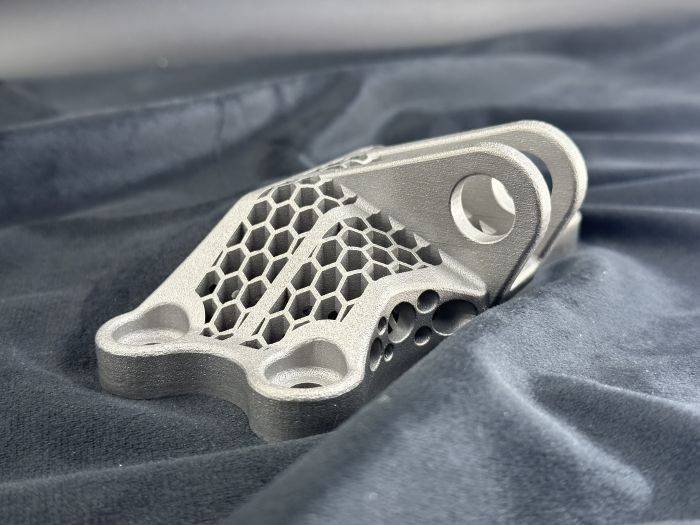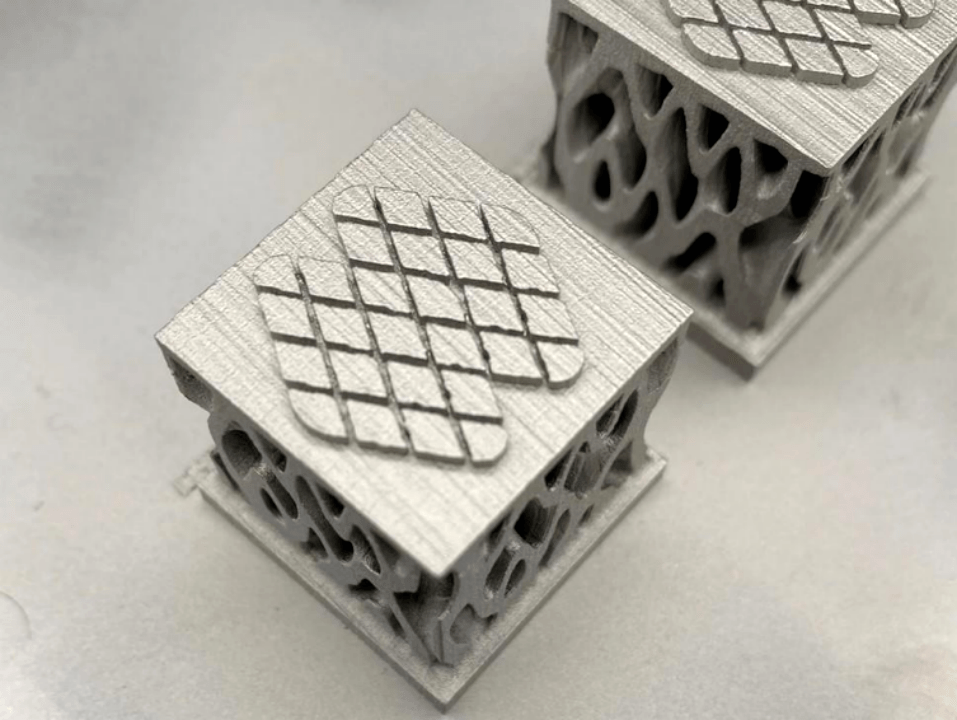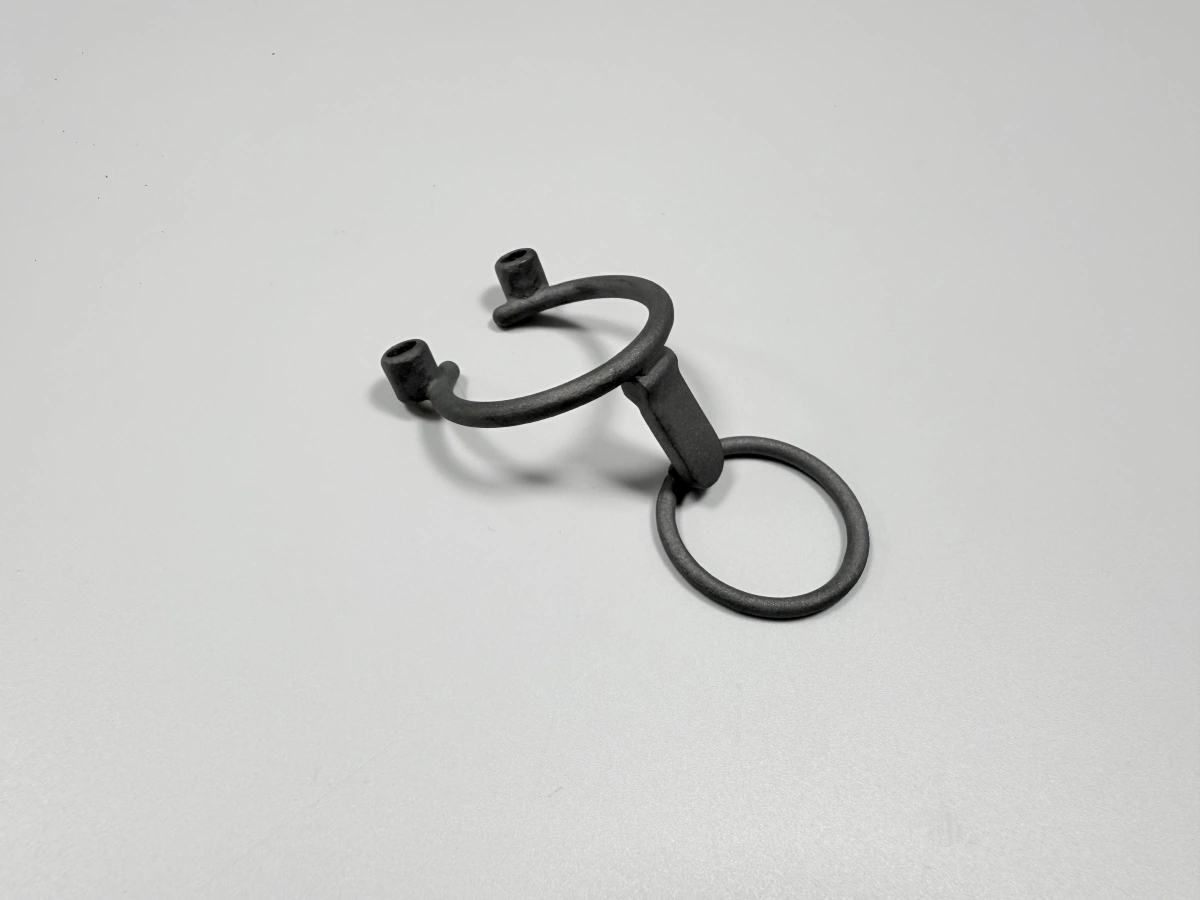
Energy Components 3D Printing: Superalloy, Copper and DED
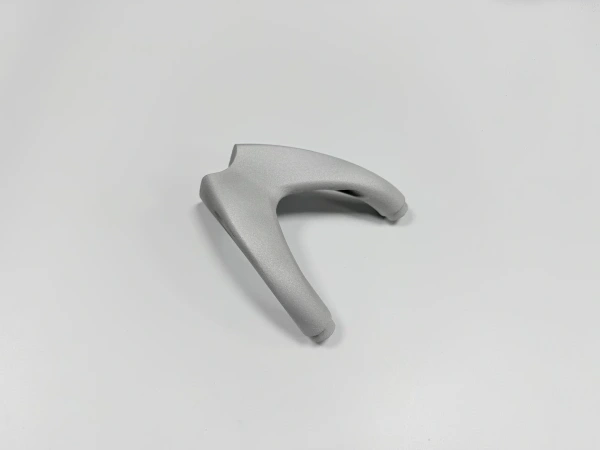
Energy components 3D printing should be reviewed by part function first. A heat exchanger, copper busbar, superalloy hot-section bracket, thermal insert, turbine-related fixture, and DED repair blank do not share the same quotation logic. The buyer needs to define temperature, pressure, conductivity, corrosion, fatigue, leakage, and inspection requirements before selecting the manufacturing route.
Neway separates energy RFQs into material-process families: powder-bed superalloy parts for heat and corrosion, copper alloy AM for thermal or electrical function, and directed energy deposition for large near-net blanks or repair-related work. The route changes build size, machining stock, heat treatment, surface condition, inspection evidence, and acceptance boundaries.
This article is for buyers preparing an RFQ for energy and power parts where AM may reduce tooling, create internal cooling, improve thermal layout, or repair high-value hardware. It does not assume that every energy part should be printed. Simple plates, busbars without complex features, and conventional machined fixtures may still belong to CNC, forming, welding, or casting.
Energy AM Starts With the Failure Mode
The first question is what failure the part must avoid. A heat exchanger may fail by leakage, blockage, pressure loss, thermal fatigue, corrosion, or powder trapped in channels. A copper busbar may fail by resistance rise, interface heating, poor flatness, or coating incompatibility. A hot-section superalloy component may fail by creep, oxidation, thermal cycling, or fatigue-sensitive surface condition. A DED repair may fail by poor bond quality, distortion, machining mismatch, or unclear acceptance criteria.
The drawing should state whether the part works under pressure, carries current, transfers heat, sees combustion gas, supports rotating equipment, or acts only as a fixture. That distinction affects material choice, build orientation, post-processing, and inspection. A thermal insert that only conducts heat may need a different review than a pressure-containing exchanger or turbine-related fixture.
For energy and power RFQs, Neway reviews whether AM adds functional value: internal cooling channels, conformal passages, integrated manifolds, copper thermal paths, reduced welds, or repair of expensive near-net hardware. If AM does not add a measurable manufacturing or functional advantage, another route should be quoted.
Energy component type | AM value to check | Main risk to define | Evidence before acceptance |
|---|---|---|---|
Heat exchanger or cooling channel part | Internal passages, compact flow path, and reduced assembly joints. | Powder removal, leakage, pressure boundary, and channel inspection. | Pressure or leak requirement, CT or flow-related evidence, and cleaning access. |
Copper busbar or conductive insert | Thermal or electrical path integrated with geometry. | Conductivity expectation, contact flatness, surface treatment, and joining method. | Conductivity requirement, machined contact faces, coating note, and inspection plan. |
Superalloy hot-section hardware | High-temperature alloy geometry without tooling for low-volume parts. | Heat exposure, oxidation, fatigue surfaces, and post-processing sequence. | Material grade, heat treatment, HIP need, machined interfaces, and inspection records. |
DED repair or large near-net blank | Material added to worn zones or large forms without full machining from billet. | Distortion, dilution, bond region, machining stock, and repair acceptance. | Repair map, base material, final machining plan, and nondestructive inspection. |
Superalloy Parts Need Heat and Surface Boundaries
Superalloy 3D printing is usually reviewed for hot-section brackets, combustion-related hardware, turbine-related fixtures, thermal shields, manifolds, and parts exposed to high temperature or corrosion. Inconel 718, Hastelloy X, and related alloys may be considered depending on temperature, corrosion, strength, and post-processing requirements.
Heat exposure must be described clearly. A component near a burner, turbine path, exhaust stream, or thermal cycling environment is different from a static high-temperature fixture. The buyer should state whether fatigue, oxidation, creep-related review, or surface condition is the limiting concern. Neway should not assume a part is automatically suitable for critical service without drawing, specification, qualification, and engineering review.
HIP, heat treatment, surface finishing, and CNC machining may change both cost and delivery path. A sealing face, bolted interface, shaft seat, or datum pad should be machined after the thermal steps that can move the part. If a thermal barrier coating is expected, the coating interface, surface preparation, masking, and inspection should be included before PO release.
Copper Energy Parts Are About Conductivity and Interfaces
Copper alloy 3D printing is reviewed differently from superalloy printing. A copper part often exists to move heat or current. Heat exchanger inserts, conductive inserts, busbars with complex routing, thermal spreaders, and compact cooling features need RFQ notes on conductivity expectation, contact surfaces, and post-processing.
Conductivity is not proven by the word copper alone. Alloy selection, density, heat treatment, surface condition, coating, oxidation, and contact pressure can all affect the delivered function. If the part connects to a cable, cooling plate, power module, or thermal fixture, the drawing should identify contact faces that need machining or surface treatment.
Simple flat busbars or plates may be better made by conventional copper processing. AM becomes more relevant when the part includes internal cooling, compact fluid passages, integrated mounting, weight reduction, or a geometry that reduces assembly. Buyers should separate electrical function, thermal function, and structural function in the RFQ so that the quote does not treat all surfaces equally.
DED and WAAM Fit Large Blanks and Repair Logic
Directed energy deposition, including DED and WAAM-style routes, belongs to a different purchasing discussion than powder-bed printing. It can support large near-net blanks, local material addition, buildup of worn regions, and repair-related geometry. It is not normally selected for fine internal channels or small precision features.
DED buyers should define base material, added material, build-up region, machining allowance, distortion risk, and acceptance requirements. A large turbine-related fixture, pump component blank, valve body repair, or energy tooling insert may need stress relief, rough machining, final machining, and nondestructive inspection. The quote should state where the AM boundary ends and where conventional machining begins.
Repair work requires extra caution. Neway can review manufacturing support for material addition and machining routes, but the customer or asset owner must define repair acceptance, operating risk, and any governing specification. A repair should not be treated as a new-part RFQ unless the base condition, damage map, and acceptance method are known.
Purchasing route | Best-fit energy use | Cost driver | Information missing from weak RFQs |
|---|---|---|---|
Powder-bed superalloy AM | Compact hot-section parts, manifolds, thermal fixtures, and complex brackets. | Build orientation, support, HIP or heat treatment, CNC finishing, and inspection. | Temperature exposure, fatigue concern, machined surfaces, and material grade. |
Copper alloy AM | Conductive inserts, heat spreaders, cooling features, and compact busbar geometry. | Material route, conductivity expectations, finishing of contact faces, and testing. | Electrical or thermal target, contact design, coating, and joining method. |
DED or WAAM | Large near-net blanks, local buildup, energy tooling, and repair-related work. | Deposition volume, distortion control, rough machining, final machining, and NDT. | Base material, repair map, stock allowance, and acceptance criteria. |
Pressure, Leak and Internal Features Need Early Agreement
Energy parts often include pressure or leak requirements. A printed heat exchanger, manifold, or cooling channel must be reviewed for wall continuity, powder removal, cleaning access, and inspection method. If the buyer expects pressure testing, leak testing, CT, sectioning, or flow verification, that should be in the RFQ rather than added after the build.
Internal channels require special attention. Ordinary visual inspection cannot confirm a closed passage. CMM cannot measure hidden internal geometry. CT may be reviewed, but acceptance criteria should be defined by the buyer. If trapped powder, narrow turns, or blind channels create risk, the geometry may need drain holes, larger cleaning access, or a different route.
Corrosion and fluid compatibility also matter. A water-cooled copper insert, fuel-related manifold, hot gas fixture, and corrosive process component have different material and surface requirements. Material choice should be tied to the operating environment, not only to the part name.
RFQ Package for Energy Component AM
For an energy components 3D printing quote, send the STEP file, 2D drawing, material grade or candidate alloy, quantity, operating temperature, pressure or leak requirement, fluid or gas environment, electrical or thermal target, fatigue concern, critical surfaces, machined interfaces, post-processing expectations, inspection records, and whether the part is a prototype, replacement, repair, or repeat low-volume production item.
If the part is superalloy, specify heat exposure, heat treatment, HIP expectations, coating needs, and machined datums. If it is copper, define conductivity, contact faces, coating or plating, and joining method. If it is DED or WAAM, provide base material, buildup region, final machining model, stock allowance, and repair acceptance requirement. A quote is more reliable when the buyer separates operating risk from geometry alone.
For hot energy hardware, buyers can also review Neway's Hastelloy X discussion for combustion, aerospace, and energy applications. The final route still depends on the current drawing and specification.
Related FAQs