
Does Inconel 718 3D Printing Require Heat Treatment or HIP?
The cost of Inconel 718 printing depends on powder, build time, supports, inert handling, heat treatment, HIP, machining, inspection, documentation, quantity, and scrap risk. A higher powder price is only one part of the delivered route.
Compare the same CAD revision, quantity, final heat-treated state, tolerance, surface, tests, certification, and delivery condition. Ask the supplier to identify planning values and confirm the cost after design and process review.
Inconel 718 vs Inconel 625: Which Superalloy Is Better for 3D Printing?
The better material depends on the final application. Inconel 718 3D printing is usually preferred for high-strength, high-temperature, and load-bearing superalloy parts. Inconel 625 3D printing is often better when corrosion resistance, weldability, and chemical stability are more important than maximum precipitation-hardened strength.
1. Direct Answer: Inconel 718 or Inconel 625?
Choose Inconel 718 when the component must withstand high load, elevated temperature, and demanding mechanical service. Choose Inconel 625 when the part will operate in corrosive environments, needs good weldability, or requires stable performance without the same level of precipitation-hardening heat treatment.
Requirement | Better Choice | Reason |
|---|---|---|
High strength and load-bearing performance | Inconel 718 | Precipitation strengthening provides higher mechanical performance |
Corrosion resistance | Inconel 625 | Excellent resistance in harsh chemical and marine-like environments |
High-temperature structural parts | Inconel 718 | Better suited for strength retention under thermal and mechanical load |
Welding or repair-friendly components | Inconel 625 | More weld-friendly and easier to use in corrosion-resistant assemblies |
2. Advantages of Inconel 718 for 3D Printing
Inconel 718 is one of the most widely used nickel-based materials for high-performance additive manufacturing. It is suitable for parts that require high strength, elevated-temperature capability, and good structural reliability after proper post-processing.
High strength after heat treatment
Good performance for high-temperature load-bearing parts
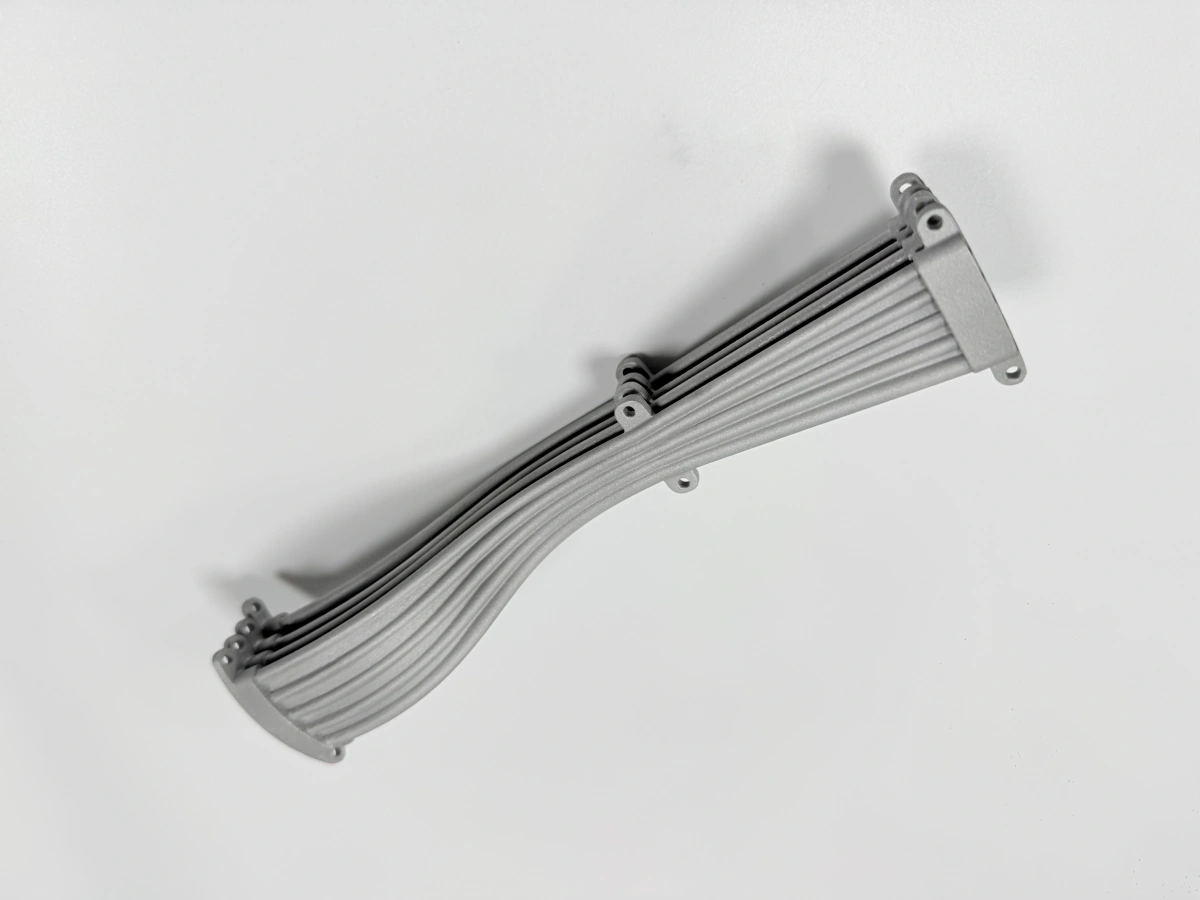
Suitable for aerospace brackets, turbine-related structures, and thermal fixtures
Well established for metal powder bed fusion and post-processing workflows
Strong option for aerospace and aviation applications
3. Advantages of Inconel 625 for 3D Printing
Inconel 625 is commonly selected when corrosion resistance and environmental durability are the main requirements. It is often used for parts exposed to chemical media, salt-containing environments, high-temperature corrosion, or weld-related assembly conditions.
Excellent corrosion and oxidation resistance
Good weldability compared with many precipitation-hardening superalloys
Suitable for chemical, marine, energy, and harsh-environment components
Useful for complex corrosion-resistant printed parts and assemblies
Strong option for energy and power applications
4. Comparison Table: Inconel 718 vs Inconel 625
Comparison Item | Inconel 718 | Inconel 625 |
|---|---|---|
Main strength mechanism | Precipitation hardening | Solid-solution strengthening |
Strength level | Higher after heat treatment | Moderate-to-high, but usually lower than 718 |
High-temperature load capacity | Better for load-bearing thermal structures | Good oxidation and corrosion resistance, but lower high-strength focus |
Corrosion resistance | Good | Excellent |
Weldability | More sensitive due to precipitation-hardening behavior | Generally more weld-friendly |
Post-processing priority | Heat treatment is important for final strength | Stress relief and finishing are usually more important than precipitation aging |
Typical applications | Aerospace brackets, turbine support parts, high-strength fixtures | Chemical hardware, corrosion-resistant ducts, energy equipment, weld assemblies |
Best selection logic | Choose for strength, load, and high-temperature structural performance | Choose for corrosion resistance, weldability, and harsh environments |
5. Selection Advice for Superalloy 3D Printing
When choosing between Inconel 718 and Inconel 625, engineers should evaluate the real service conditions rather than only comparing material names. Load, operating temperature, corrosion environment, inspection requirements, post-processing route, and budget all affect the best material choice.
Choose Inconel 718 if high strength and high-temperature load-bearing performance are the main priorities
Choose Inconel 625 if corrosion resistance and weldability are more important
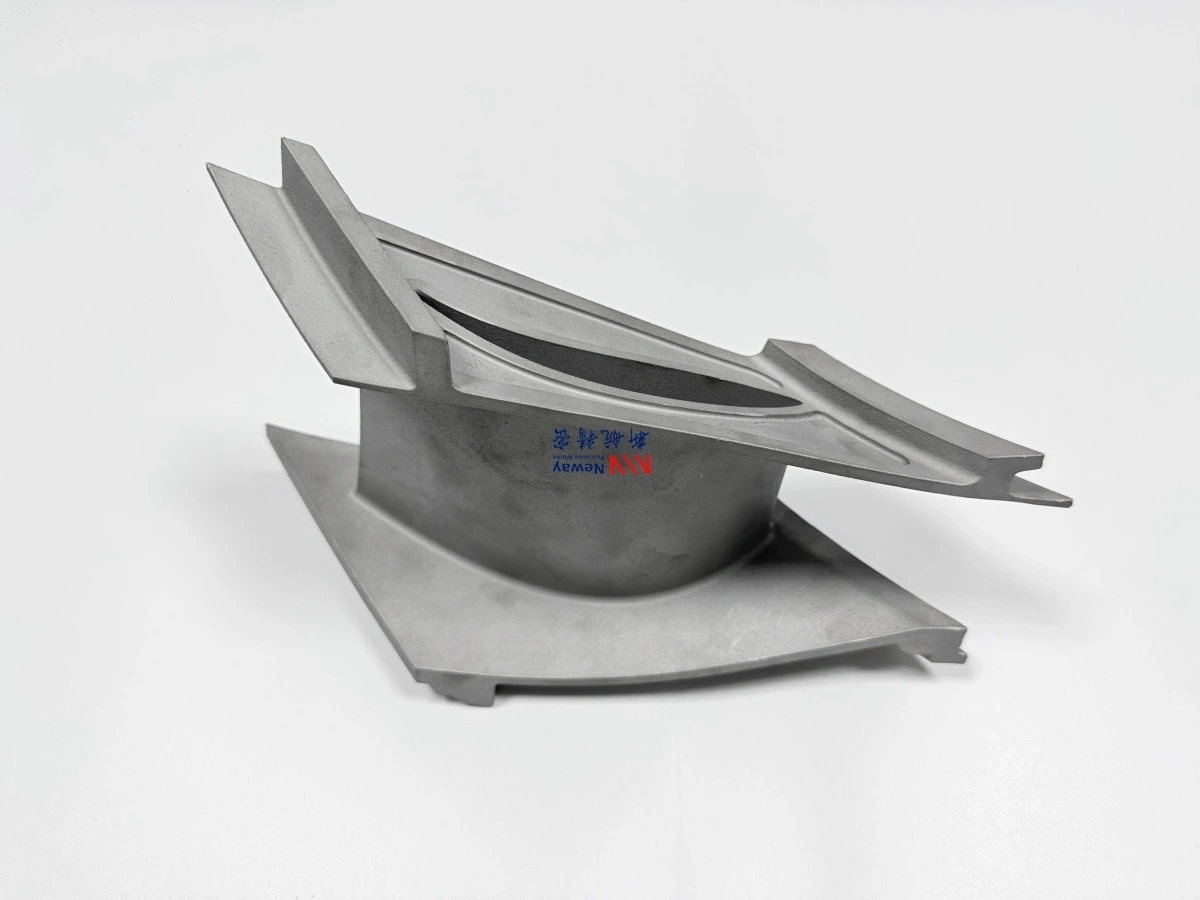
Choose Inconel 718 for aerospace structural parts and turbine-adjacent components
Choose Inconel 625 for chemical, marine-like, energy, and corrosion-exposed applications
Use CNC machining when holes, threads, sealing faces, datum surfaces, or tight tolerances are required
Confirm heat treatment, inspection, and documentation requirements before quotation
For broader nickel alloy options, customers can also review Superalloy material capabilities.
6. RFQ Advice for Inconel Material Selection
To choose the right superalloy 3D printing material, customers should provide the part geometry, drawing requirements, and service conditions. This allows the supplier to recommend whether Inconel 718, Inconel 625, or another superalloy is more suitable.
3D CAD file and 2D drawing
Target material or acceptable equivalent material
Operating temperature, load condition, and corrosion environment
Required quantity and target lead time
Critical tolerances, threads, datum surfaces, and surface finish requirements
Heat treatment, HIP, CNC machining, and inspection requirements
7. Summary
Inconel 718 is usually better for high-strength, load-bearing, and high-temperature structural 3D printed parts. Inconel 625 is usually better for corrosion-resistant, weld-friendly, and harsh-environment components. If the application is dominated by temperature and mechanical load, choose Inconel 718. If the application is dominated by corrosion and environmental durability, choose Inconel 625.
If you need superalloy 3D printing material selection, provide the 3D model, 2D drawing, operating temperature, load, corrosion environment, quantity, post-processing requirements, and inspection needs so the correct material and manufacturing route can be evaluated before quotation.
.webp)