
Does Hastelloy X 3D Printing Require Heat Treatment or HIP?
Does Hastelloy X 3D Printing Require Heat Treatment or HIP?
Yes, Hastelloy X 3D printing usually requires heat treatment evaluation after printing, especially when the part must operate in high-temperature, oxidizing, combustion, or thermal cycling environments. HIP is not required for every prototype, but it should be considered for high-reliability hot-section parts, fatigue-sensitive components, aerospace hardware, and energy and power equipment where internal defect control is important.
1. Why Post-Processing Matters for Hastelloy X Printed Parts
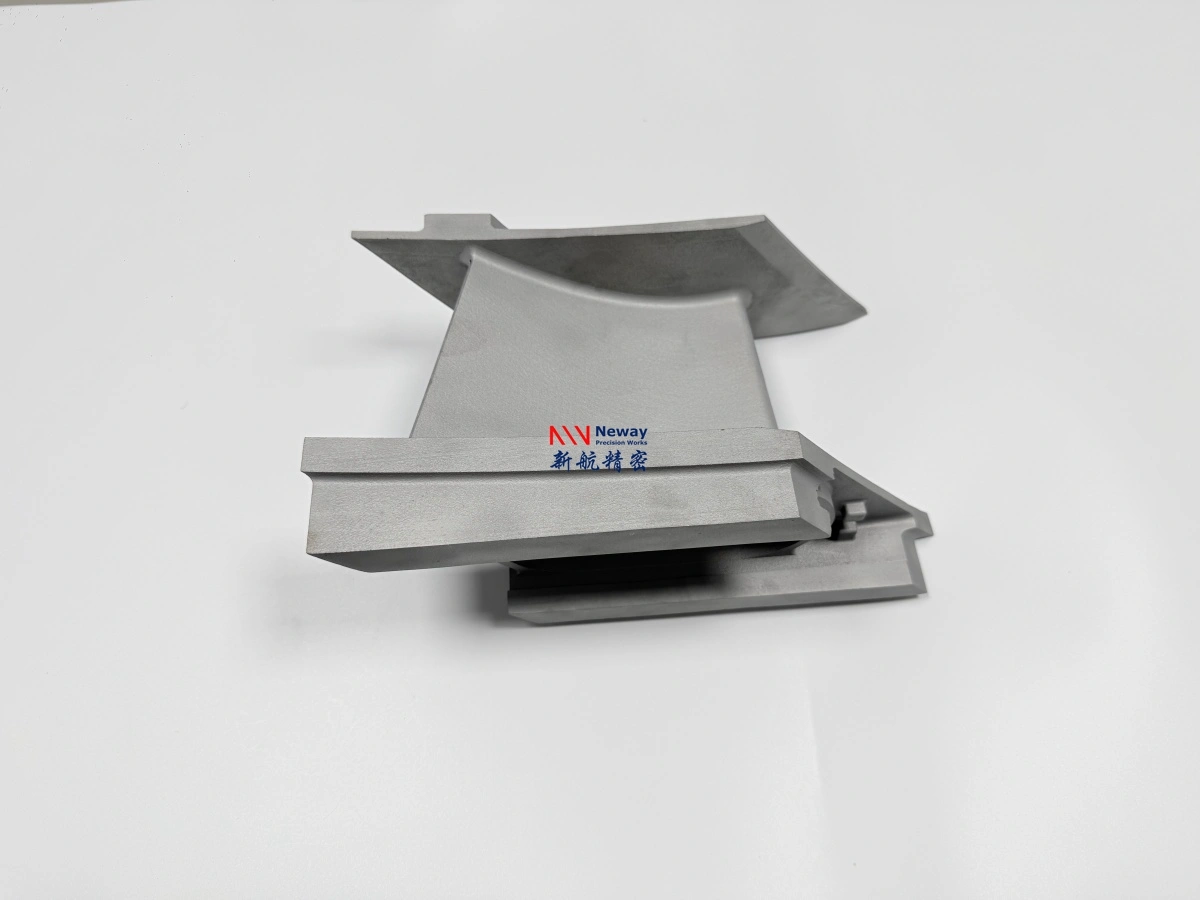
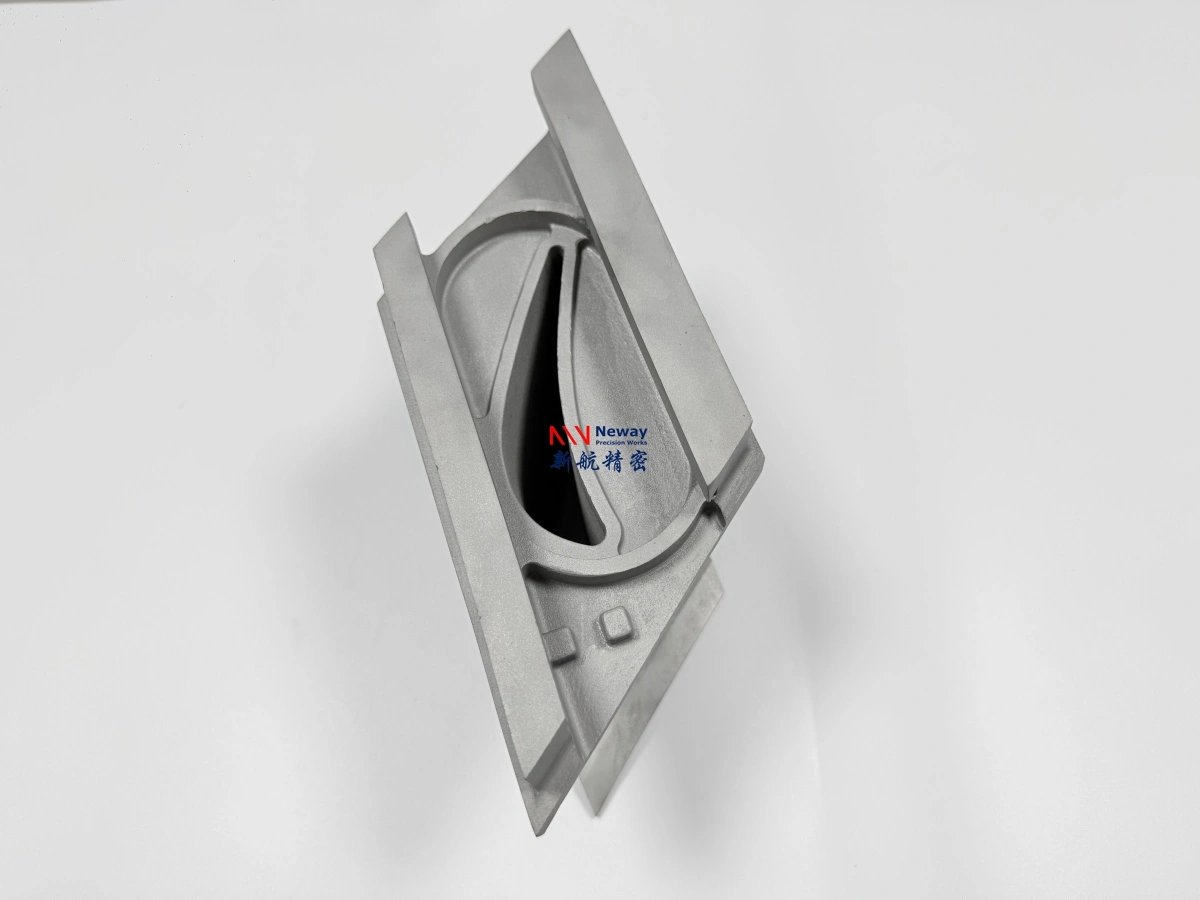
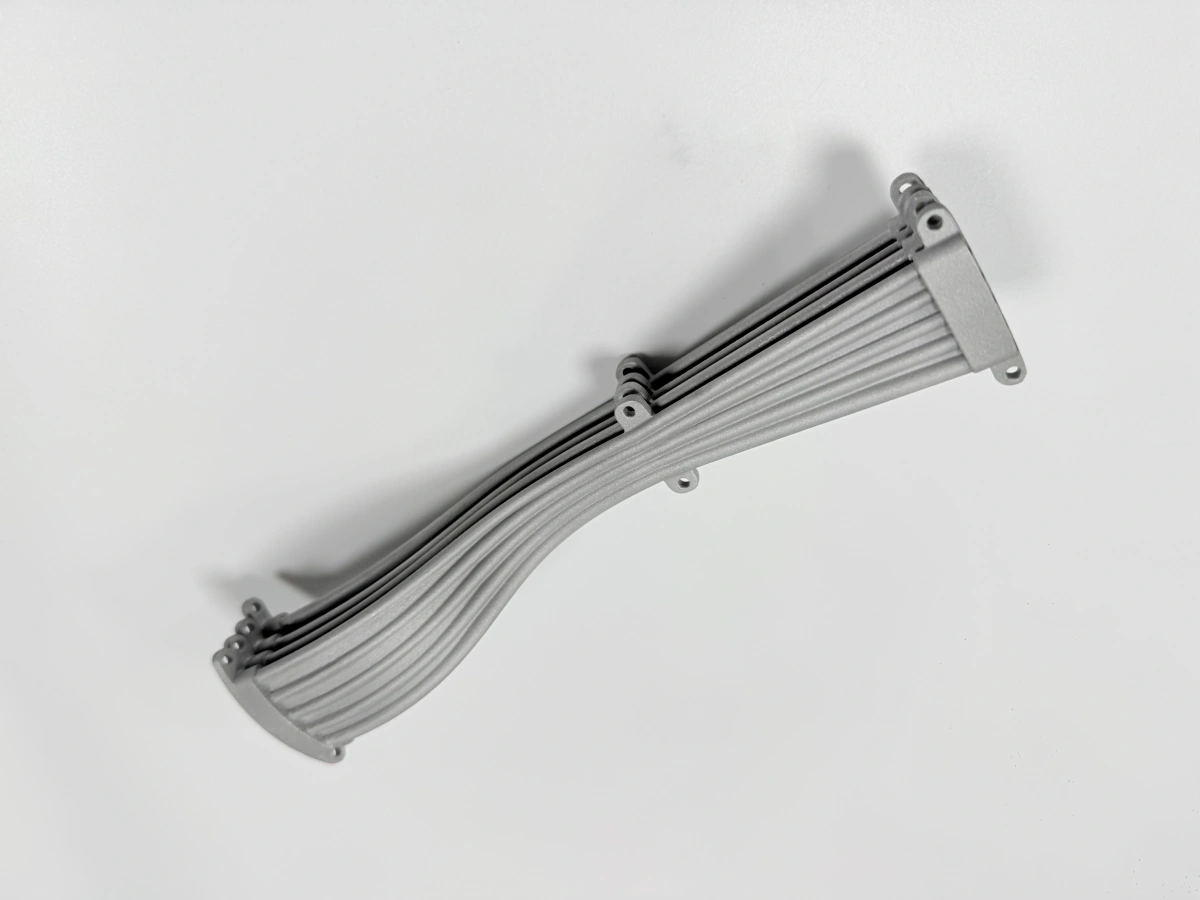
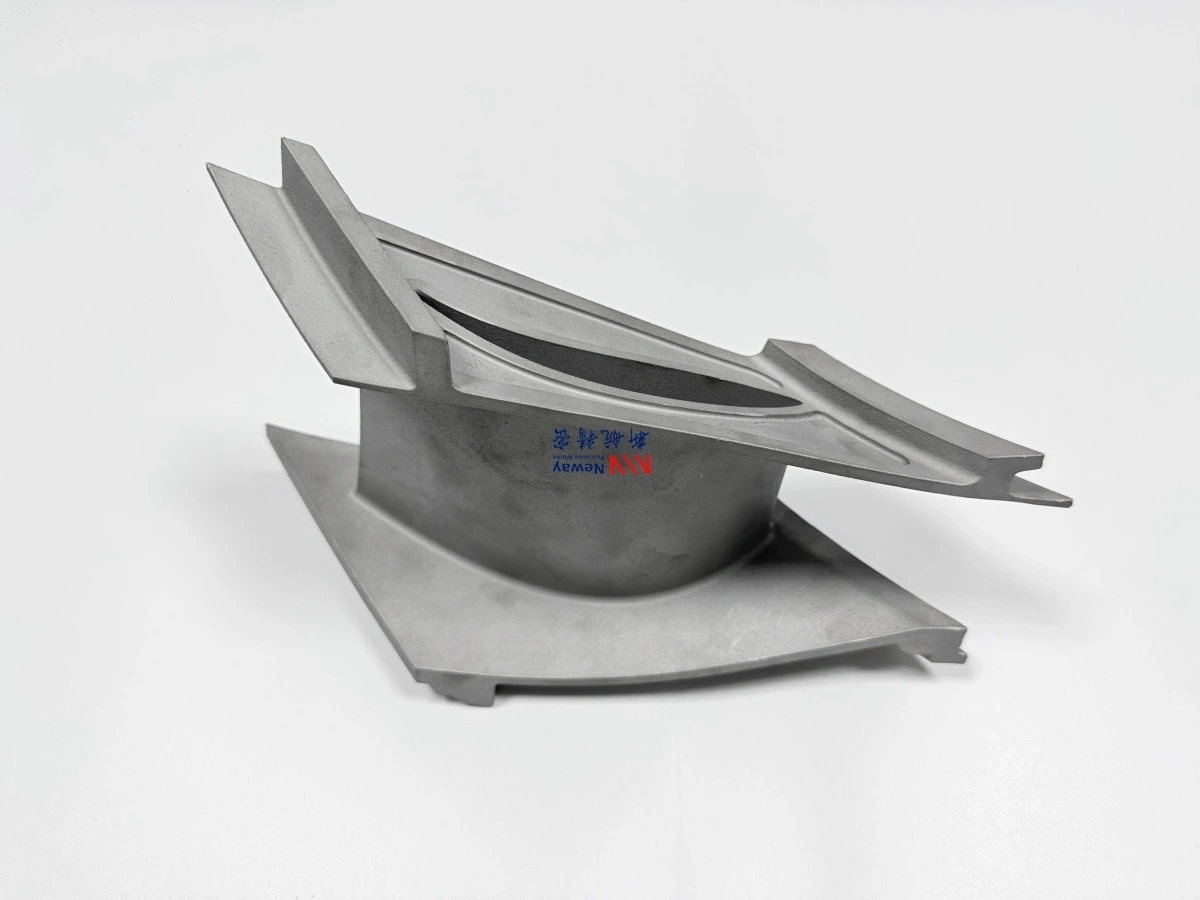
Hastelloy X printed parts are usually produced as near-net-shape superalloy blanks. To make them suitable for finished high-temperature service, post-processing is often required to improve stress stability, dimensional reliability, surface quality, and inspection confidence.
Heat treatment helps relieve residual stress and stabilize the printed structure
HIP helps reduce internal porosity for higher reliability applications
CNC machining finishes holes, threads, datum surfaces, sealing faces, and assembly features
Inspection verifies dimensional accuracy, internal quality, and material documentation
2. Heat Treatment Purpose for Hastelloy X 3D Printed Parts
Heat treatment is commonly evaluated for Hastelloy X printed parts because the printing process creates rapid thermal cycles and residual stress. Proper heat treatment helps improve stability before final machining or service exposure.
Heat Treatment Purpose | Benefit for Hastelloy X Parts |
|---|---|
Residual stress relief | Reduces deformation risk after support removal, machining, or thermal exposure |
Microstructure stabilization | Improves consistency for high-temperature and thermal cycling service |
Dimensional stability | Helps maintain geometry before final CNC machining and assembly |
Thermal service preparation | Supports more reliable behavior in combustion, hot gas, and oxidizing environments |
3. When HIP Is Needed for Hastelloy X Printed Parts
Hot isostatic pressing should be considered when Hastelloy X parts require higher internal integrity, fatigue reliability, or safety-critical performance. HIP is especially relevant when the component is exposed to cyclic thermal stress, vibration, pressure, or critical hot-section service.
Aerospace hot-section structures and thermal hardware
Combustor-related components exposed to repeated heating and cooling
Energy equipment exposed to high temperature, pressure, or cyclic loading
Parts sensitive to internal porosity, lack-of-fusion defects, or fatigue cracks
Components requiring enhanced internal quality validation
4. Recommended CNC Sequence After Heat Treatment
For finished Hastelloy X components, the recommended workflow is usually to print the near-net-shape blank, remove supports, complete required heat treatment or HIP, and then perform final CNC machining on critical features. This sequence helps reduce dimensional movement after machining.
Process Sequence | Purpose |
|---|---|
3D printing | Produces complex Hastelloy X near-net-shape geometry |
Support removal | Removes process supports and prepares the printed blank |
Heat treatment | Relieves residual stress and improves structural stability |
HIP if required | Improves internal integrity for high-reliability or fatigue-sensitive parts |
CNC machining | Finishes holes, threads, sealing faces, datum surfaces, and tolerance-critical features |
Final inspection | Verifies dimensions, surface quality, internal quality, and documentation |
5. Inspection and Documentation After Post-Processing
Inspection requirements should match the part’s application risk and drawing specification. High-temperature Hastelloy X components often require dimensional inspection, internal defect evaluation, and material documentation.
CMM inspection for critical dimensions and GD&T
3D scanning for full-surface CAD deviation review
X-Ray or CT inspection for internal porosity and hidden defects
FAI report for first article validation
Material certificate for alloy traceability
Heat treatment report when required by the specification
Mechanical testing report when strength, elongation, or high-temperature validation is required
6. RFQ Notes for Heat-Treated Hastelloy X Parts
To quote heat treated Hastelloy X 3D printed parts accurately, customers should specify the operating conditions and quality requirements at the RFQ stage. This helps determine whether stress relief, HIP, CNC machining, and advanced inspection should be included.
Working temperature and maximum temperature exposure
Thermal cycling frequency and heating/cooling conditions
Oxidizing, combustion, corrosion, or hot gas environment
Mechanical load, pressure, vibration, or fatigue requirements
Expected service life or reliability target
Required heat treatment standard or customer specification
Inspection and certification requirements such as CMM, CT/X-Ray, FAI, material certificate, or heat treatment report
7. Summary
Hastelloy X 3D printing usually requires heat treatment evaluation to reduce residual stress, stabilize the printed structure, and improve reliability for high-temperature service. HIP is not mandatory for every part, but it should be considered for aerospace hot-section parts, energy equipment, combustion components, fatigue-sensitive parts, and high-reliability structures where internal defect control matters. For finished parts, heat treatment and HIP are usually completed before final CNC machining and inspection.
If you need a heat treated Hastelloy X 3D printed parts supplier, provide the 3D file, 2D drawing, operating temperature, thermal cycling conditions, oxidation environment, load condition, quantity, heat treatment requirement, HIP requirement, inspection scope, and target lead time so the correct post-processing route can be evaluated before quotation.
.webp)