
How Can Buyers Reduce the Cost of Custom Superalloy 3D Printed Parts?
How Can Buyers Reduce the Cost of Custom Superalloy 3D Printed Parts?
Buyers can reduce the cost of custom superalloy 3D printed parts by choosing the right alloy, simplifying non-critical geometry, avoiding unnecessary tight tolerances, optimizing wall thickness, reducing support and powder-removal difficulty, combining parts in one build, limiting post-processing to functional areas, and providing complete RFQ data from the beginning. Because superalloy 3D printing often involves expensive powders, long build times, heat treatment, HIP, CNC machining, EDM, and inspection, cost optimization should start during design and quotation preparation.
The lowest price is not always the best engineering choice. For turbine, aerospace, energy, combustion, and high-temperature applications, the goal should be to reduce unnecessary cost while keeping the required performance, reliability, and inspection level. A clear technical RFQ helps suppliers quote the correct route instead of adding conservative cost for unclear requirements.
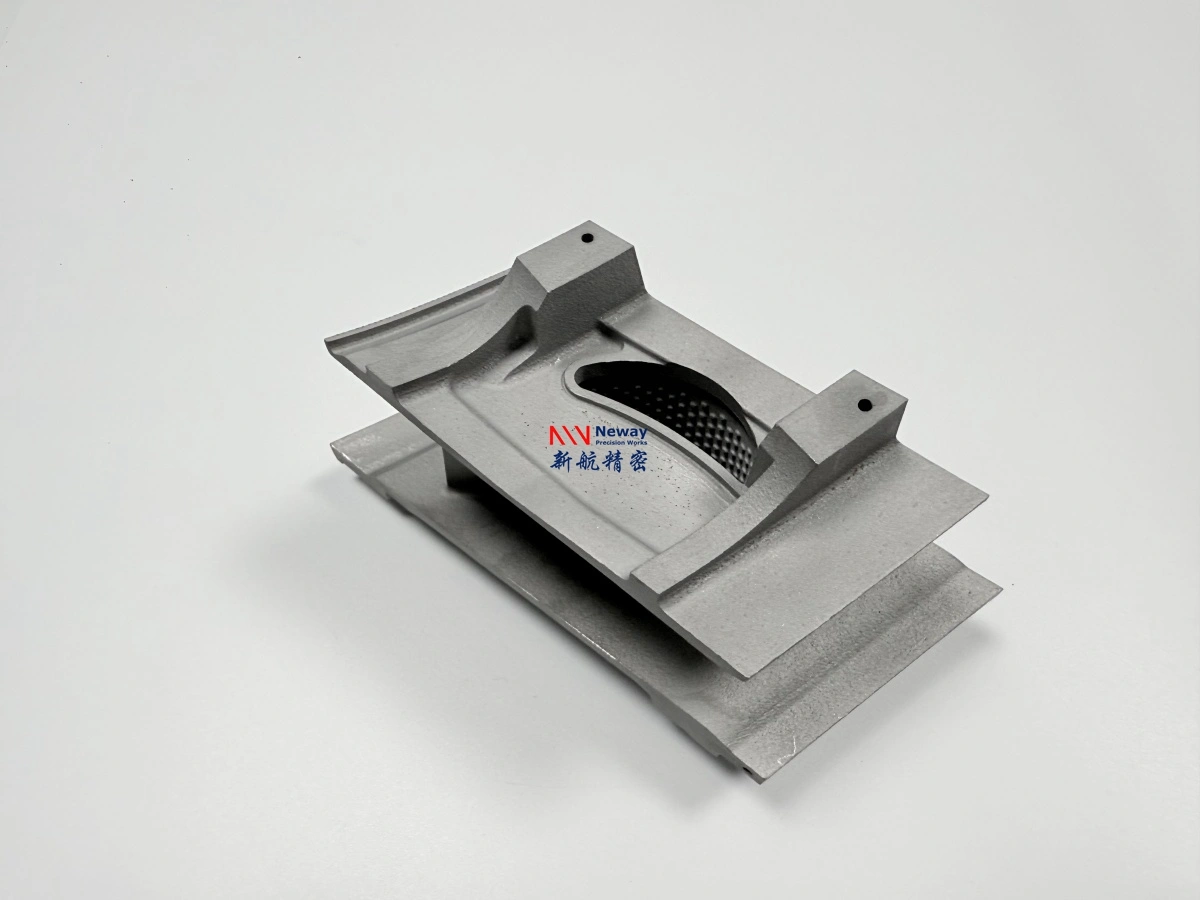
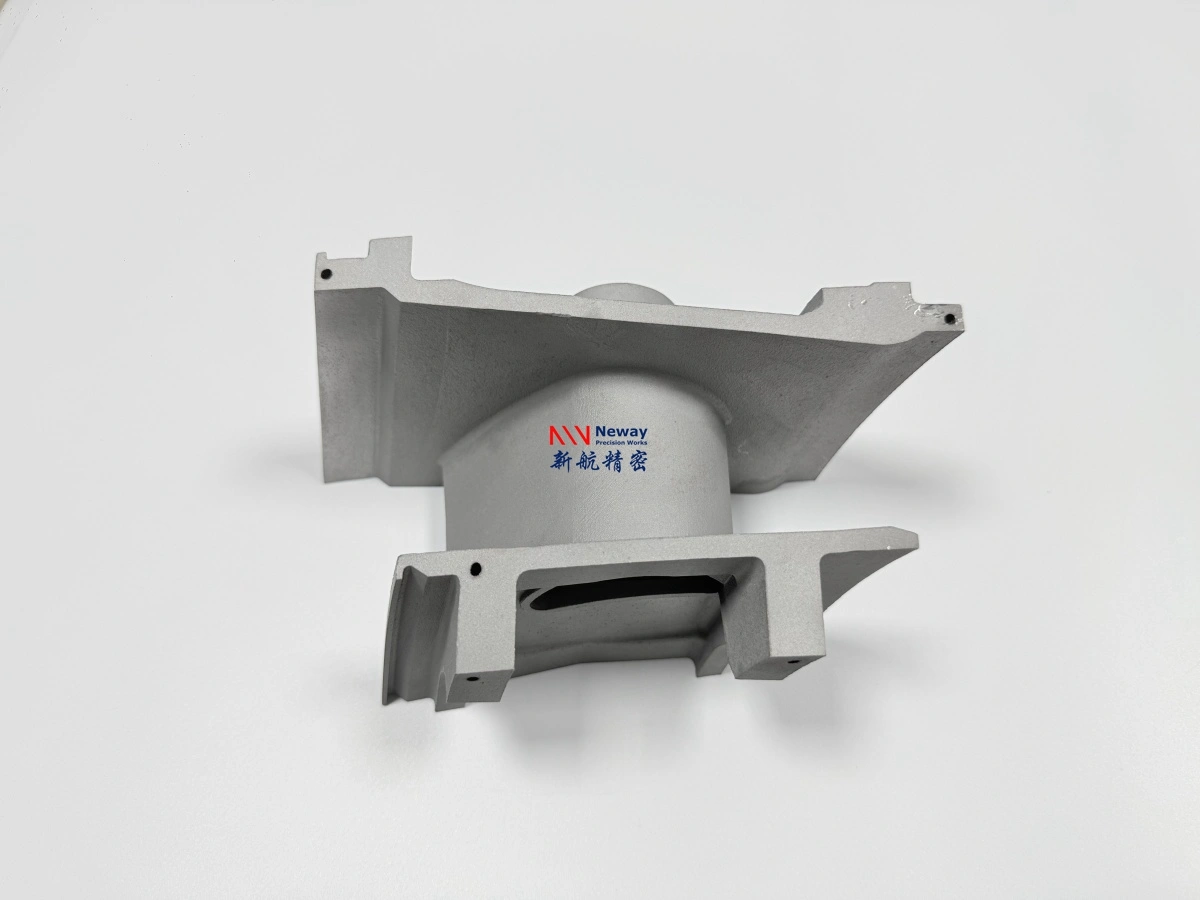
1. Direct Answer: How Can Buyers Reduce Superalloy 3D Printing Cost?
The most effective cost-reduction methods are to select a printable and available superalloy, avoid over-engineered tolerances, reduce unnecessary part volume, improve support-free design, define only required machined surfaces, choose inspection based on application risk, and provide accurate CAD files, drawings, quantities, and post-processing requirements. For early-stage parts, buyers can also use prototype-focused manufacturing before moving to full production controls.
Cost Reduction Method | How It Reduces Cost | Buyer Action |
|---|---|---|
Choose the right alloy | Avoids using an expensive or difficult alloy when a more printable option is acceptable. | Share operating temperature, load, corrosion, and oxidation requirements. |
Optimize geometry | Reduces material volume, build time, support structures, and finishing work. | Remove unnecessary mass and avoid over-complex non-functional features. |
Control tolerances | Prevents unnecessary CNC machining, inspection time, and scrap risk. | Mark only critical dimensions with tight tolerances. |
Batch parts together | Spreads setup, build preparation, and post-processing cost across more parts. | Quote prototype, pilot batch, and possible repeat quantities together. |
Limit post-processing scope | Reduces heat treatment, HIP, machining, polishing, and inspection cost where not needed. | Separate functional surfaces from cosmetic or non-critical surfaces. |
Provide complete RFQ data | Reduces quotation uncertainty and avoids conservative pricing. | Submit CAD, drawing, quantity, material, application, inspection, and lead-time needs. |
2. How Does Material Selection Affect Cost?
Material selection has a major impact on superalloy 3D printing cost. Different nickel-based and cobalt-based superalloys have different powder prices, printability, cracking risk, heat treatment requirements, machining difficulty, and inspection needs. A material that looks ideal on a datasheet may be more expensive if it requires special process development or extensive post-processing.
For cost-sensitive projects, buyers should explain the real service condition instead of only requesting the most advanced alloy. In some cases, a mature alloy such as Inconel 718 or Inconel 625 may be more economical than a more difficult high-temperature superalloy. For cost reference by material, buyers can review How Much Does Inconel 718 3D Printing Cost?, How Much Does Hastelloy X 3D Printing Cost?, and What Affects the Cost of Haynes 188 3D Printed Cobalt Superalloy Parts?.
Material Cost Factor | Cost Impact | How Buyers Can Optimize |
|---|---|---|
Powder price | High-cost powders directly increase part cost. | Ask whether alternative printable superalloys can meet the application. |
Printability | Crack-sensitive alloys may require more process control and inspection. | Share whether the part is prototype, test, or final-use. |
Heat treatment requirement | Special thermal processing adds cost and lead time. | Confirm whether full material performance is required for the first prototype. |
Machining difficulty | Hard-to-machine alloys increase CNC or EDM time. | Reduce tight tolerances to functional areas only. |
3. How Can Design Changes Reduce Printing Cost?
Design has a direct effect on cost because it determines part volume, build time, support structures, cleaning difficulty, and post-processing work. Buyers can often reduce cost by removing unnecessary solid mass, avoiding oversized thick sections, simplifying non-critical surfaces, using smoother transitions, and designing internal channels that can be cleaned and inspected.
For Rapid Prototyping, the first printed version does not always need to include every final production feature. If the purpose is fit-checking, airflow concept validation, or design comparison, some non-critical tolerances and finishing requirements can be relaxed to reduce cost and shorten lead time.
Design Choice | Cost Risk | Cost-Saving Improvement |
|---|---|---|
Overly thick sections | More powder, longer build time, and higher thermal stress. | Use lightweighting, ribs, or hollowing where structurally acceptable. |
Excessive support areas | More printing time, support removal, and surface finishing. | Optimize orientation and redesign overhangs where possible. |
Unnecessary tight surfaces | More CNC machining and inspection cost. | Define only functional sealing, mounting, and datum surfaces as precision areas. |
Closed cavities | Powder removal and inspection become difficult or impossible. | Add powder escape holes and cleaning access. |
Sharp internal corners | Higher crack risk and possible redesign or scrap. | Add fillets and smooth transitions where possible. |
4. How Do Quantity and Build Layout Affect Unit Price?
Quantity affects unit price because setup, build preparation, engineering review, heat treatment, inspection, and documentation can be shared across more parts. A one-off prototype often has a higher unit price because the setup cost is concentrated on one part. A small batch may reduce unit cost if parts can be nested efficiently in the same build.
For Manufacturing and Tooling projects, buyers should share both the first-order quantity and expected repeat demand. This allows the supplier to recommend whether a one-off print, small batch, fixture-assisted finishing route, or production-oriented process plan is more economical.
Quantity Scenario | Typical Cost Behavior | Buyer Recommendation |
|---|---|---|
Single prototype | Highest unit price because setup and review are concentrated on one part. | Clarify whether it is for visual, fit-check, or functional testing. |
Small batch | May lower unit cost by sharing build and post-processing setup. | Ask for pricing at multiple quantities, such as 1, 5, 10, or 20 pcs. |
Repeat production | Allows better fixture planning, process control, and cost review. | Share expected annual demand and design freeze status. |
Mixed part build | May reduce cost if several compatible parts can share one build. | Provide all related parts together for build layout review. |
5. How Can Buyers Control Post-Processing Cost?
Post-processing can become a large part of the total cost for custom superalloy 3D printed parts. Heat treatment, HIP, support removal, CNC machining, EDM, polishing, surface treatment, inspection, and documentation should be selected based on application need rather than added automatically.
For functional high-temperature parts, some post-processing is essential. However, buyers can reduce cost by clearly separating critical surfaces from non-critical surfaces, defining which dimensions need tight tolerance, and confirming whether HIP or full inspection is required for the current project stage.
Post-Processing Item | Cost Driver | How to Optimize |
|---|---|---|
Heat treatment | Batch scheduling, thermal cycle, documentation, and material requirement. | Confirm whether prototype testing requires final heat-treated properties. |
HIP | High-value batch process that adds cost and lead time. | Use HIP for fatigue, pressure, or critical hot-section parts, not for simple visual samples. |
CNC machining | Superalloy cutting time, tooling wear, fixturing, and inspection. | Machine only sealing faces, mounting areas, holes, threads, and datum features that need precision. |
EDM | Small holes, deep slots, and hard-to-reach details increase processing time. | Use EDM only where drilling or milling is not suitable. |
Surface finishing | Polishing, blasting, coating preparation, or cosmetic finishing can add labor. | Define functional roughness zones instead of requiring uniform high finish everywhere. |
Inspection reports | CT, X-ray, FAI, CMM, and documentation add time and cost. | Match inspection scope to application risk and customer acceptance needs. |
6. When Should Buyers Consider Alternative Processes?
Laser powder bed fusion is widely used for high-precision superalloy parts, but it is not always the lowest-cost route. Depending on geometry, quantity, tolerance, density requirement, and surface finish, alternative processes may be worth reviewing. For some applications, binder jetting, casting, CNC machining from billet, or hybrid manufacturing may be more economical.
For example, Binder Jetting 3D Printing: Rapid & Cost-Effective Superalloy Prototyping and Production may be relevant when buyers need faster or more cost-oriented superalloy production and the part requirements fit the process. The best route should be evaluated according to density, tolerance, surface finish, mechanical requirements, and inspection needs.
Process Direction | When It May Reduce Cost | Important Limitation |
|---|---|---|
Laser powder bed fusion | Best for high-precision complex parts, internal channels, and small batches. | Cost can be high for large solid parts or heavy post-processing. |
Binder jetting | May support lower-cost batches when density, tolerance, and material requirements fit. | Needs sintering review and may not suit all high-performance superalloy applications. |
CNC from billet | May be cheaper for simple solid geometry with limited internal features. | Not ideal for complex internal channels or lightweight lattice structures. |
Investment casting | May reduce unit cost for mature designs and larger repeated batches. | Tooling and process validation may be expensive for early prototypes. |
7. What RFQ Information Helps Lower Quotation Uncertainty?
Incomplete RFQ information often increases quotation uncertainty. If tolerances, material, surface finish, application risk, or inspection requirements are unclear, suppliers may add conservative assumptions to avoid underquoting. A complete RFQ helps the supplier provide a more accurate and cost-effective proposal.
Buyers preparing a cost-sensitive request can review What Information Should Be Included in a Superalloy 3D Printing RFQ? before submitting files through 3D Printing Service.
RFQ Information | How It Helps Reduce Cost |
|---|---|
3D CAD file | Allows accurate material volume, build orientation, support, and manufacturability review. |
2D drawing | Clarifies which dimensions, surfaces, and tolerances are truly critical. |
Quantity levels | Allows comparison of prototype, small batch, and repeat production pricing. |
Material flexibility | Lets the supplier suggest lower-cost printable alternatives if performance allows. |
Application purpose | Prevents unnecessary full-performance post-processing for visual or fit-check prototypes. |
Critical surfaces | Limits CNC machining and finishing to functional areas. |
Inspection requirements | Avoids unnecessary CT, X-ray, FAI, or full dimensional reporting when not required. |
Target lead time | Helps avoid urgent scheduling cost when standard lead time is acceptable. |
8. Common Cost Mistakes Buyers Should Avoid
Many superalloy 3D printing quotes become expensive because the design or RFQ requires more manufacturing control than the project actually needs. Buyers can reduce avoidable cost by matching requirements to the current development stage.
Common Mistake | Why It Increases Cost | Better Approach |
|---|---|---|
Using tight tolerances on every surface | Requires excessive CNC machining and inspection. | Apply tight tolerances only to functional features. |
Requesting full polishing everywhere | Adds labor and may not improve function. | Define surface finish by functional zones. |
Specifying HIP without application need | Adds batch cost and lead time. | Use HIP for critical fatigue, pressure, or hot-section applications. |
Submitting only STL files | Limits tolerance, machining, and inspection review. | Provide STEP or X_T files plus 2D drawings where possible. |
Not sharing future demand | Prevents supplier from optimizing build layout or production route. | Share prototype quantity, pilot quantity, and annual forecast. |
Designing sealed internal cavities | Creates powder removal and inspection risks. | Add escape holes and confirm cleaning requirements. |
9. How Should Buyers Think About Total Cost?
The total cost of custom superalloy 3D printed parts is not only the printing price. It includes material, build time, engineering review, support removal, heat treatment, HIP, CNC machining, EDM, surface finishing, inspection, documentation, packing, and lead-time pressure. A low printing price may become expensive if the part later requires extensive rework, failed powder removal, or additional inspection.
For a broader cost breakdown, buyers can review Metal 3D Printing Cost Calculation to understand how material, geometry, process, post-processing, and quality requirements affect final pricing.
Cost Category | Typical Cost Driver | Optimization Focus |
|---|---|---|
Printing cost | Material volume, build height, support volume, machine time. | Reduce unnecessary volume and improve orientation. |
Post-processing cost | Heat treatment, HIP, CNC, EDM, finishing, cleaning. | Apply only the required post-processing route. |
Inspection cost | CT, X-ray, FAI, CMM, 3D scanning, material documentation. | Match inspection level to part risk and acceptance standard. |
Engineering cost | DFM review, support strategy, fixture planning, process validation. | Provide complete data and design intent early. |
Risk cost | Cracking, powder trapping, distortion, rework, or redesign. | Review manufacturability before final quotation and production. |
10. Summary
Buyers can reduce the cost of custom superalloy 3D printed parts by selecting the right material, simplifying geometry, reducing unnecessary volume, optimizing support strategy, batching parts together, limiting tight tolerances to functional areas, defining only required machined surfaces, and matching heat treatment, HIP, surface finishing, and inspection to the actual application risk.
The most effective cost-saving step is to provide complete RFQ information at the beginning. Buyers should submit STEP or X_T files, 2D drawings, quantity options, material requirements, application conditions, critical surfaces, tolerance requirements, post-processing needs, inspection scope, and target lead time. This allows the supplier to recommend a cost-effective manufacturing route while preserving the performance and reliability needed for the final part.
.webp)