How Much Does Hastelloy X 3D Printing Cost?
How Much Does Hastelloy X 3D Printing Cost?
The cost of Hastelloy X 3D printing service depends on part volume, material weight, build height, support structure, printing time, heat treatment, HIP, CNC machining, inspection requirements, quantity, and delivery schedule. Because Hastelloy X, also known as GH3536, is a high-temperature nickel-based superalloy, each quote should be calculated from the actual 3D file, 2D drawing, tolerance requirements, post-processing needs, and final application requirements.
1. Main Cost Factors for Hastelloy X 3D Printing
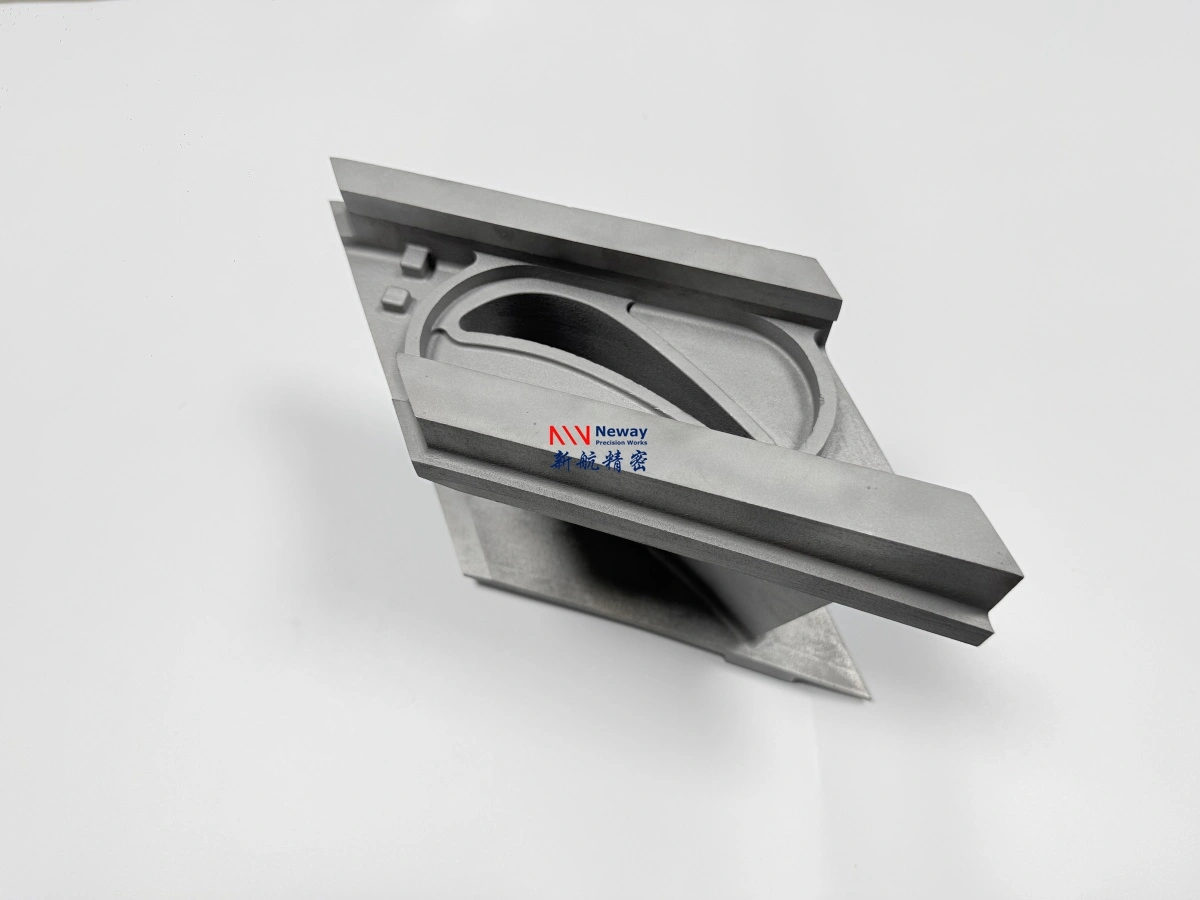
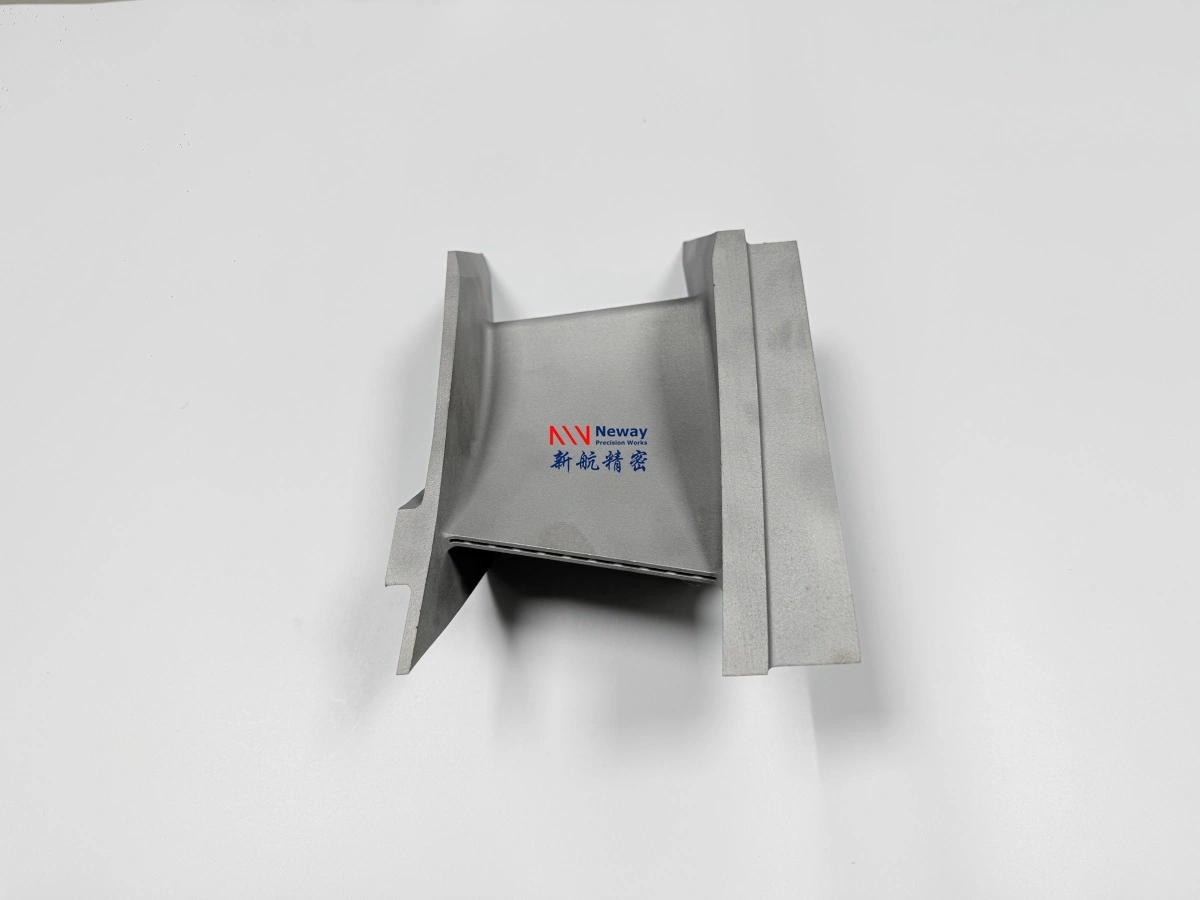
Hastelloy X 3D printing price is usually higher than common metal printing because the powder, machine time, thermal control, support removal, post-processing, and inspection requirements are more demanding. The final price is affected by both the printed blank and the finishing route.
Cost Factor | How It Affects Price |
|---|---|
Powder and material weight | Higher part weight increases superalloy powder usage and material cost |
Build height and printing time | Taller parts and long build cycles increase equipment time |
Support structure | More supports increase material usage, printing time, removal labor, and surface finishing cost |
Internal channels and powder removal | Closed or narrow channels may require cleaning holes, special orientation, or extra powder removal work |
Heat treatment | Heat treatment may be required for stress relief and high-temperature performance stability |
HIP | May be considered for fatigue-critical, aerospace, or high-reliability components |
CNC machining | CNC machining adds cost for holes, threads, sealing faces, datum surfaces, and tight-tolerance features |
Inspection requirements | CMM, 3D scanning, CT/X-ray, FAI, material certificates, or mechanical testing add quality-control cost |
2. Prototype vs Small-Batch Hastelloy X 3D Printing Cost
For a single prototype, the unit cost is usually higher because build preparation, support design, machine setup, post-processing planning, and inspection setup are concentrated on one part. For small-batch orders, these preparation costs can be distributed across multiple parts, which may reduce the unit price.
Order Type | Cost Characteristic | Best Use Case |
|---|---|---|
Single prototype | Higher unit cost due to one-off preparation and handling | Combustor validation, hot-section prototype, geometry test |
Small batch | Better cost distribution when parts share build space and process setup | Pilot production, engineering validation, low-volume superalloy parts |
Repeat production | More stable pricing after orientation, post-processing, and inspection plans are confirmed | Recurring custom Hastelloy X components |
For early-stage projects, rapid prototyping can help validate geometry, fit, and thermal performance before moving to larger quantities.
3. How to Reduce Hastelloy X 3D Printing Cost
Customers can reduce the cost of custom Hastelloy X 3D printed parts by optimizing geometry, reducing unnecessary supports, defining powder removal access, and clearly marking which features require precision finishing.
Optimize part orientation to reduce support material and build height
Avoid unnecessary solid volume where lightweight structures are acceptable
Design reasonable powder removal holes for internal cavities or channels
Clearly mark only the holes, threads, datum faces, and sealing surfaces that require CNC machining
Avoid applying tight tolerances to non-critical surfaces
Use batch production when several parts can share one build
Define inspection requirements based on actual application risk
This allows the 3D Printing Service supplier to focus cost on the features that affect function, reliability, and assembly.
4. Quote Checklist for Hastelloy X / GH3536 Parts
To get an accurate Hastelloy X 3D printing quote, customers should provide complete technical information. A 3D model is needed for printability and material calculation, while a 2D drawing is required for tolerance, machining, surface, and inspection evaluation.
3D CAD file, such as STEP, STL, 3MF, or X_T
2D drawing with tolerances, threads, datum references, critical dimensions, and surface requirements
Required quantity for prototype, small batch, or repeat production
Operating temperature, thermal cycling condition, load condition, corrosion environment, and service requirement
Post-processing requirements, including heat treatment, HIP, CNC machining, or surface finishing
Inspection requirements such as CMM report, 3D scanning, CT/X-ray, FAI, material certificate, or mechanical testing
Target lead time and shipping destination
5. Summary
Hastelloy X 3D printing cost is affected by powder cost, part weight, printing time, support structure, machine setup, powder removal, heat treatment, HIP, CNC machining, inspection, quantity, and lead time. Single prototypes usually have a higher unit cost, while small batches can reduce unit cost by sharing setup and build preparation. Because Hastelloy X is used for high-temperature and thermal-fatigue-resistant superalloy parts, the quotation should be based on the actual design, operating conditions, and quality requirements.
If you need to get Hastelloy X 3D printing quote, provide the 3D file, 2D drawing, quantity, tolerance requirements, operating temperature, load condition, post-processing needs, inspection scope, and delivery schedule so the most suitable manufacturing route can be evaluated before quotation.
.webp)