
What Affects the Cost of Haynes 188 3D Printed Cobalt Superalloy Parts?
What Affects the Cost of Haynes 188 3D Printed Cobalt Superalloy Parts?
The cost of Haynes 188 3D printed cobalt superalloy parts is mainly affected by material weight, build height, support structure, printing time, geometry complexity, powder removal difficulty, post-processing, inspection requirements, and order quantity. Because Haynes 188 is a high-temperature cobalt-based superalloy, each Haynes 188 3D printing quote should be calculated from the actual 3D file, 2D drawing, tolerance requirements, hot-section application conditions, and final quality requirements.
1. Material and Build Cost
Haynes 188 powder is more expensive than common stainless steel, aluminum, or standard prototype materials. In addition to material cost, build layout, machine time, and part height also strongly affect the final price.
Cost Factor | How It Affects Price |
|---|---|
Material weight | Higher part weight increases cobalt superalloy powder usage and final cost |
Build height | Taller parts require more layers and longer equipment time |
Build layout | Efficient nesting can improve machine utilization and reduce unit cost |
Printing time | Longer build cycles increase machine and process monitoring cost |
Support structure | More support increases powder usage, build time, removal labor, and finishing cost |
2. Geometry Cost Drivers
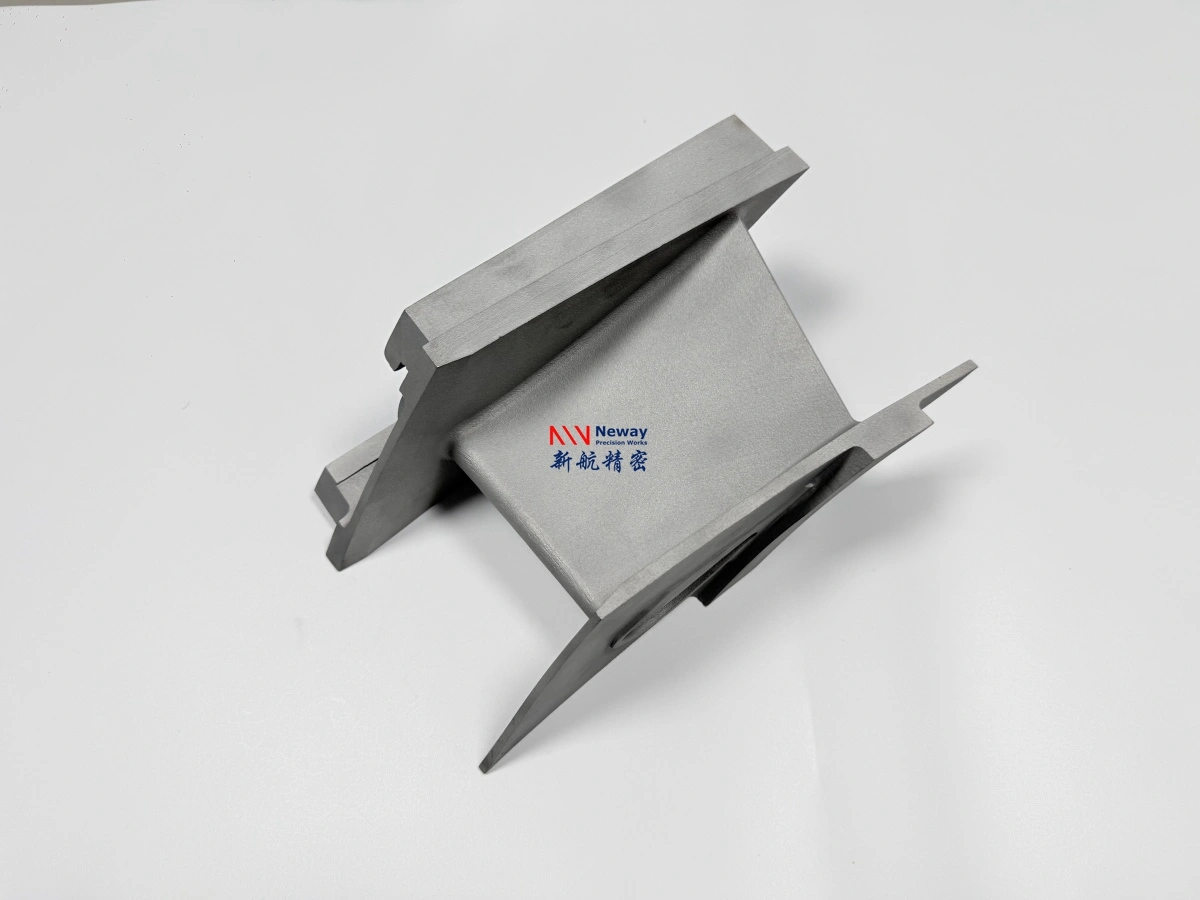
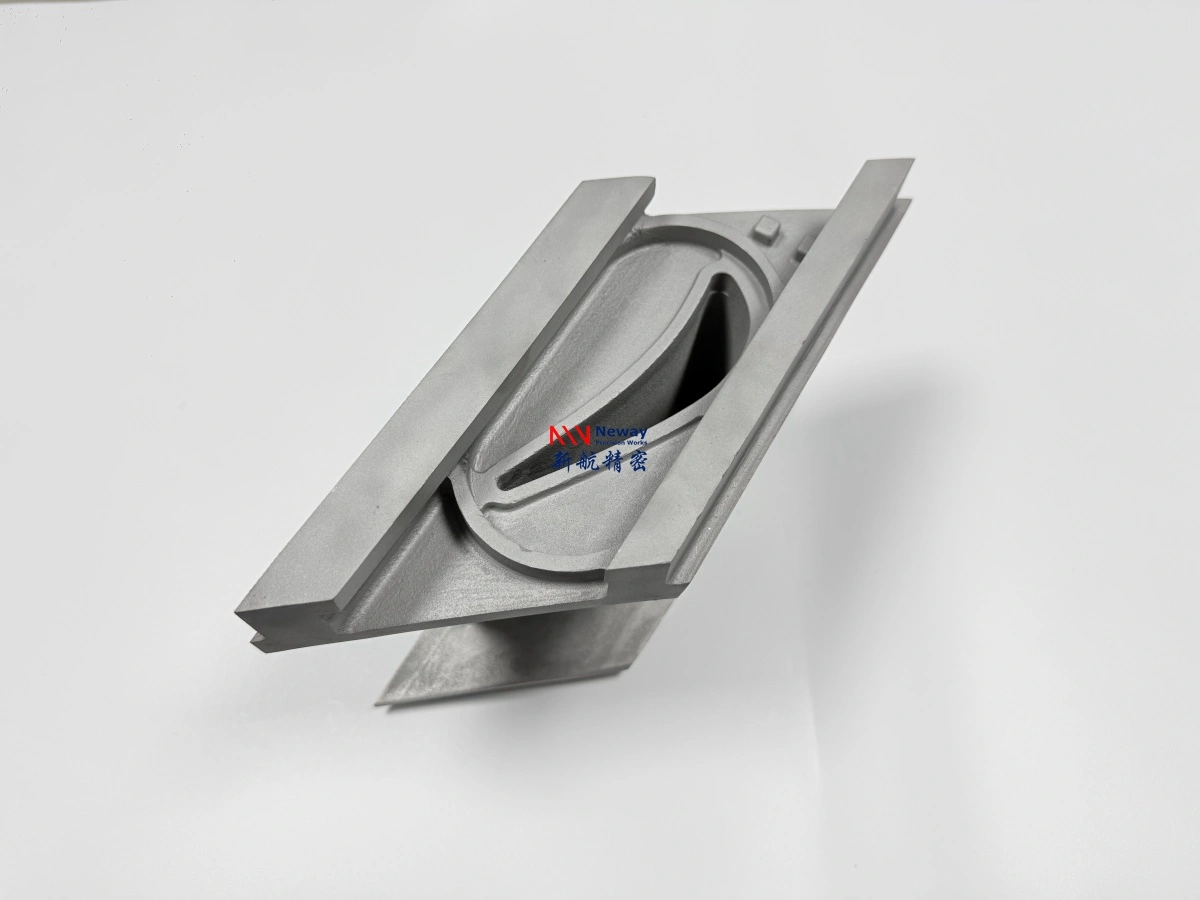
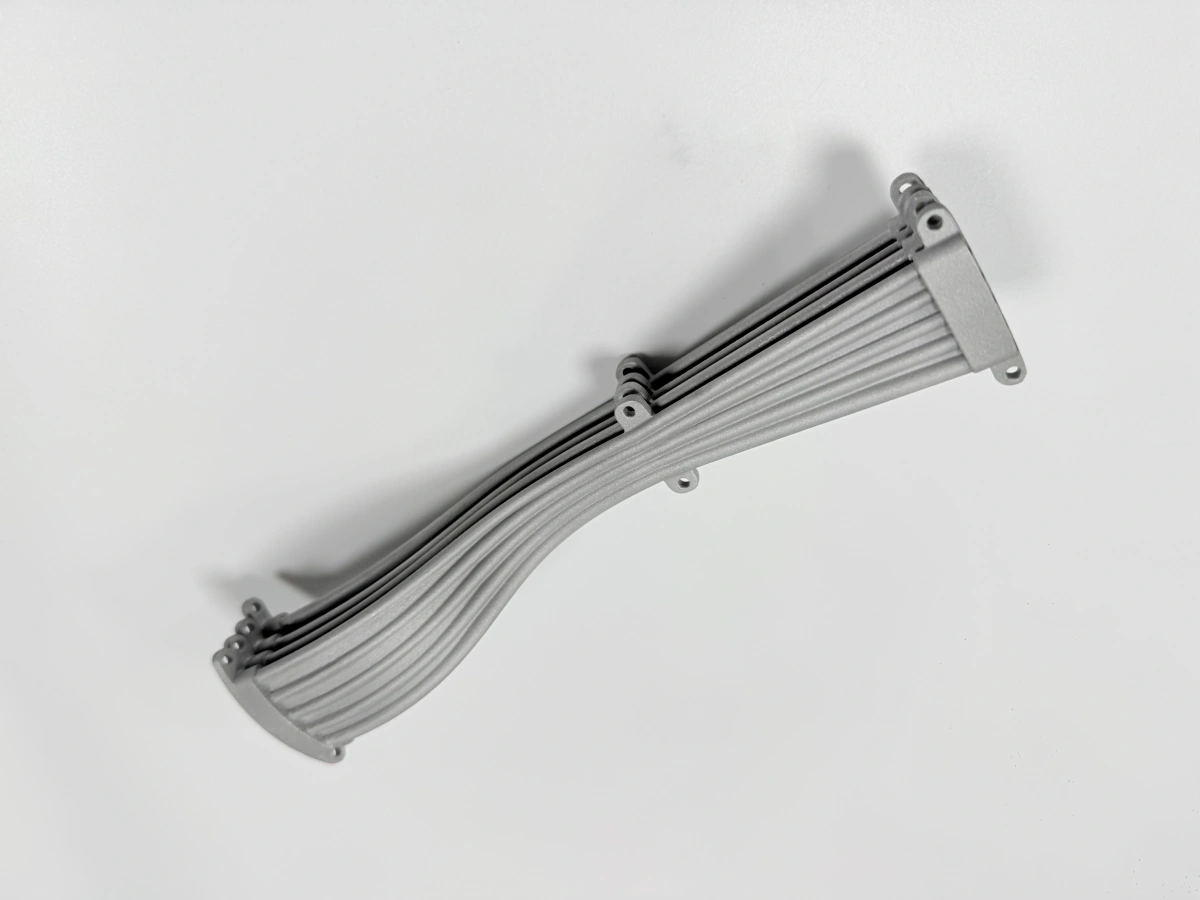
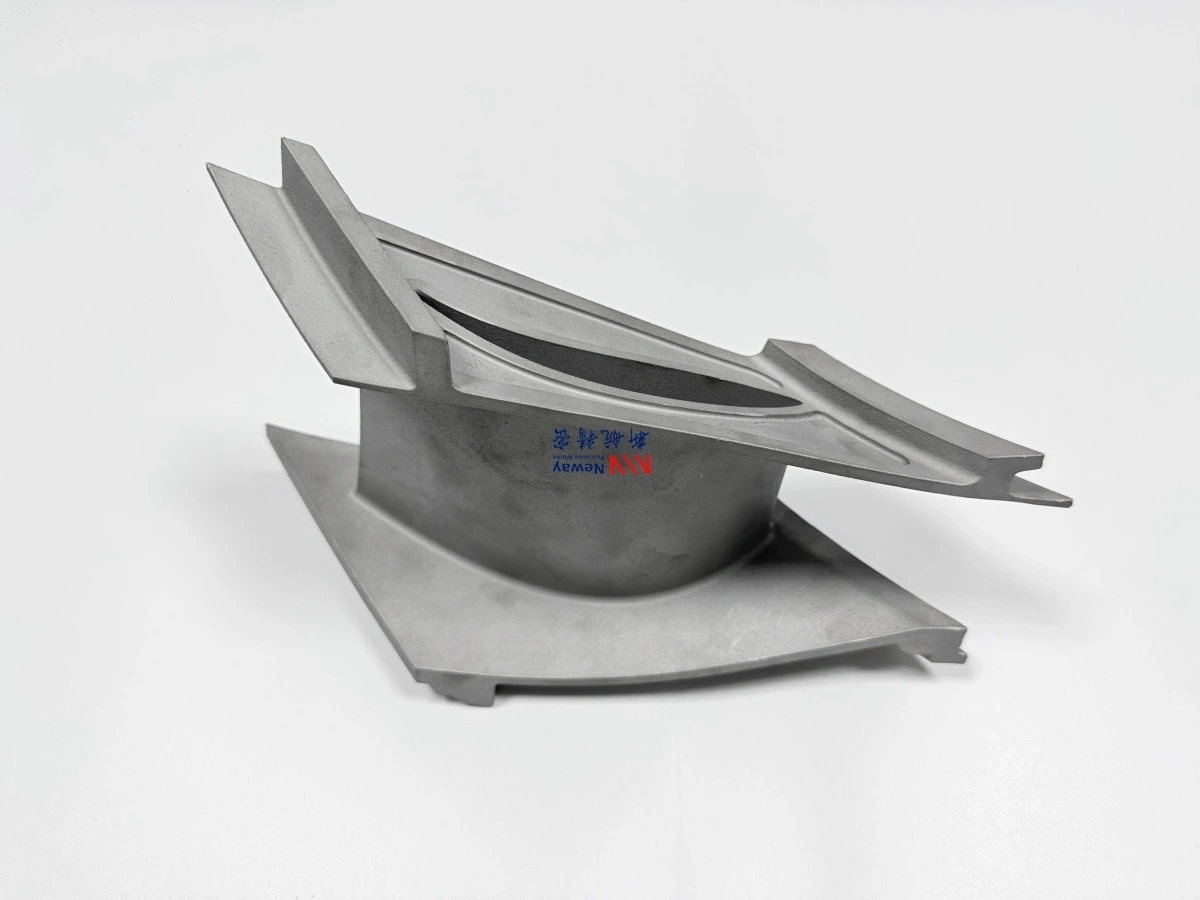
Geometry can affect cost as much as material weight. Haynes 188 is often used for hot-section components such as liners, nozzles, ducts, and guide structures, which may include thin walls, internal channels, and complex overhangs.
Thin-wall structures may require careful orientation and support planning
Closed channels increase powder removal difficulty
Large overhangs increase support volume and removal labor
Deep internal cavities may require cleaning holes or special design review
Complex flow-path surfaces may require additional finishing or inspection
3. Post-Processing Cost
For functional hot-section parts, printing is usually only the first step. Post-processing can become a major part of the total cost, especially when the component must meet temperature, fatigue, sealing, assembly, or inspection requirements.
Post-Processing Item | Cost Impact |
|---|---|
Heat treatment | May be required for stress relief and high-temperature stability |
Adds cost when internal integrity or fatigue reliability is required | |
Needed for holes, threads, flanges, datum faces, and sealing surfaces | |
EDM | May be needed for slots, small holes, or hard-to-reach features |
Blasting, polishing, or coating adds cost for final surface quality | |
X-Ray / CT inspection | Adds cost when internal defect detection is required |
4. Quantity Effect on Haynes 188 Part Cost
Single prototypes usually have a higher unit cost because build preparation, support design, process setup, post-processing planning, and inspection setup are concentrated on one part. Small batches can often share some preparation and machine setup costs.
Order Type | Cost Characteristic | Typical Use |
|---|---|---|
Single prototype | Higher unit cost due to one-off setup and handling | Combustion test part, hot-section trial, nozzle prototype |
Small batch | Lower unit cost when parts share build space and process preparation | Engineering validation, pilot production, low-volume hot-section parts |
Repeat production | More stable pricing after the process route is confirmed | Recurring custom cobalt superalloy parts |
5. Cost Reduction Tips for Haynes 188 Printed Parts
Cost reduction should focus on manufacturability, not simply reducing material thickness. For high-temperature Haynes 188 parts, the design must still maintain thermal stability, strength, and inspection reliability.
Optimize part orientation to reduce support volume and build height
Avoid unnecessary solid mass where lightweight geometry is acceptable
Design powder removal holes for internal cavities and enclosed channels
Apply tight tolerances only to functional surfaces
Clearly mark CNC-machined features such as holes, flanges, threads, and sealing faces
Use batch production when multiple parts can share one build
Match inspection requirements to actual application risk
6. Quote Checklist for Custom Cobalt Superalloy Parts
To prepare an accurate custom cobalt superalloy parts quote, customers should provide complete technical information instead of only asking for a unit price.
3D CAD file, preferably STEP, X_T, STL, or 3MF
2D drawing with tolerances, threads, datums, wall thickness, and critical dimensions
Required quantity for prototype, small batch, or repeat production
Operating temperature, combustion atmosphere, pressure, load, and thermal cycling conditions
Post-processing requirements such as heat treatment, HIP, CNC, EDM, and surface finishing
Inspection requirements such as CMM, 3D scanning, X-Ray/CT, FAI, material certificate, or heat treatment report
Target lead time and shipping destination
7. Summary
Haynes 188 3D printing cost is affected by cobalt superalloy powder cost, part weight, build height, support structure, printing time, geometry complexity, powder removal, heat treatment, HIP, CNC machining, EDM, surface treatment, inspection, quantity, and lead time. Single prototypes usually have a higher unit cost, while small batches can reduce unit cost by sharing preparation and machine setup.
If you need a Haynes 188 3D printing quote or custom cobalt superalloy parts quote, provide the 3D file, 2D drawing, quantity, tolerance requirements, operating temperature, combustion or hot gas conditions, post-processing needs, inspection scope, and delivery schedule so the most suitable manufacturing route can be evaluated through 3D Printing Service.
.webp)