
Hastelloy X vs Inconel 718: Which Superalloy Is Better for 3D Printing?
Hastelloy X vs Inconel 718: Which Superalloy Is Better for 3D Printing?
The better material depends on the service environment. Hastelloy X 3D printing is usually preferred for combustion, oxidation, hot gas, and thermal cycling environments. Inconel 718 3D printing is often better for high-strength, precipitation-hardened, load-bearing superalloy components such as aerospace brackets, fixtures, and structural parts.
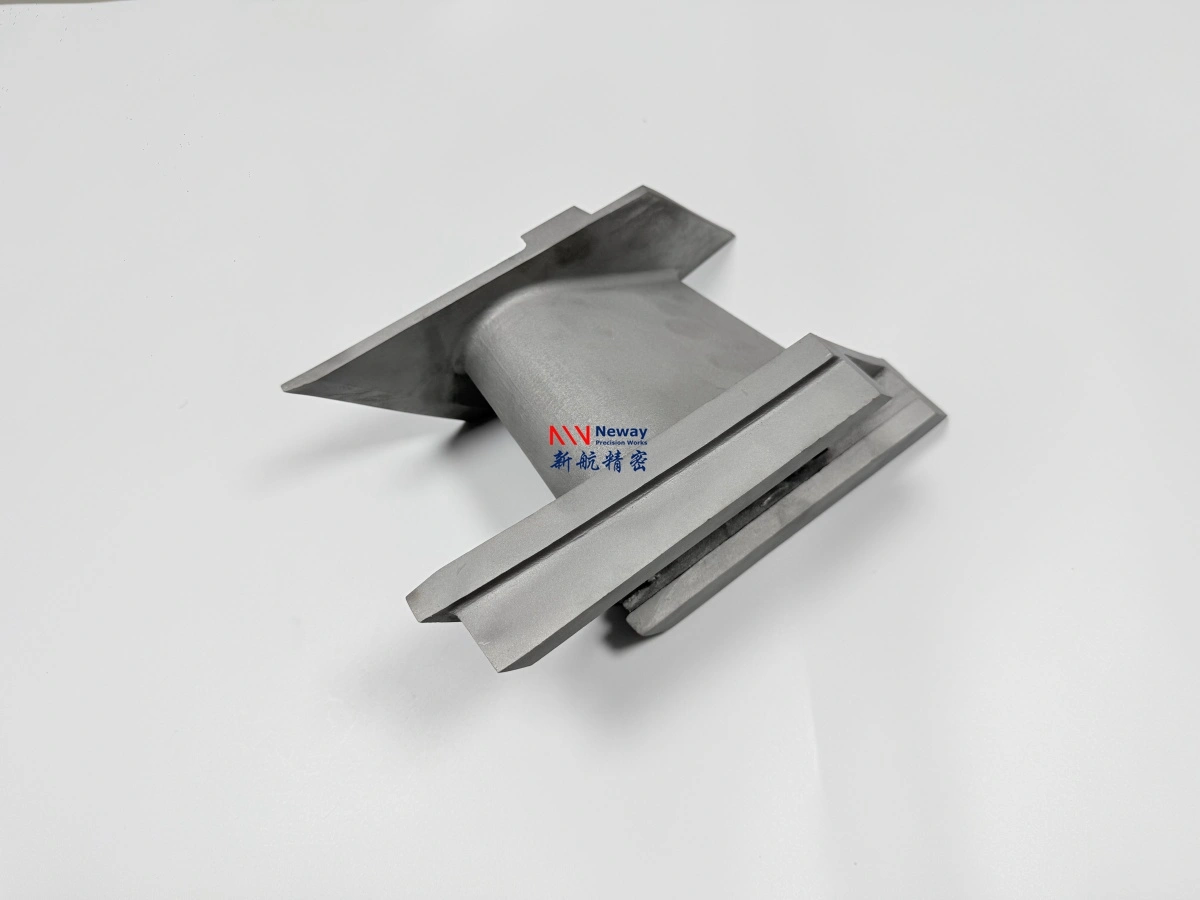
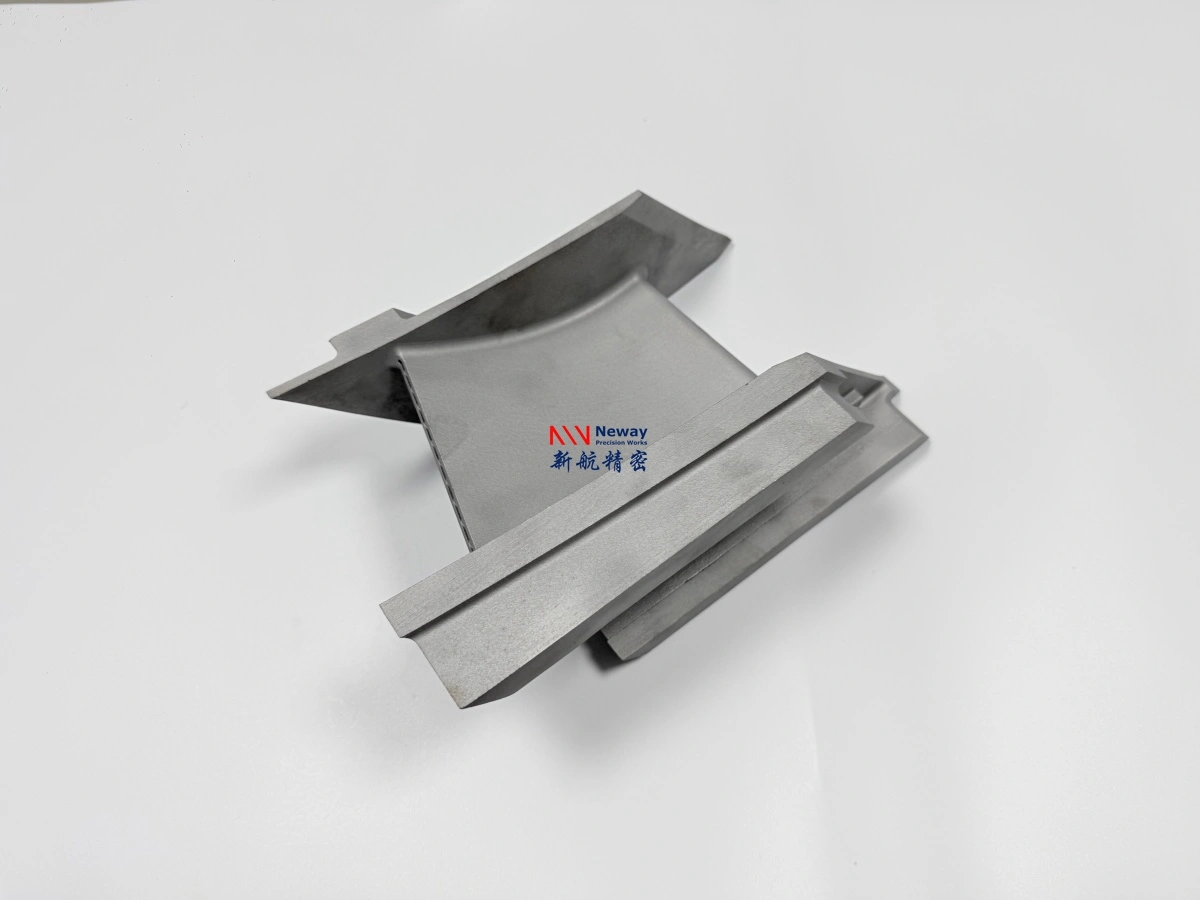
1. Direct Answer: Hastelloy X or Inconel 718?
Choose Hastelloy X when oxidation resistance, thermal fatigue resistance, hot gas exposure, and combustion-related service are the main priorities. Choose Inconel 718 when high strength, dimensional stability, and load-bearing performance after heat treatment are more important.
Requirement | Better Choice | Reason |
|---|---|---|
Combustion or hot gas environment | Hastelloy X | Better fit for oxidation and thermal cycling conditions |
High-strength load-bearing structure | Inconel 718 | Precipitation strengthening provides higher structural strength |
Thermal fatigue resistance | Hastelloy X | More suitable for repeated heating and cooling environments |
Aerospace brackets and fixtures | Inconel 718 | Better for high-strength structural hardware |
2. Advantages of Hastelloy X for 3D Printing
Hastelloy X is a strong option for high-temperature additive manufacturing when the part is exposed to combustion gases, oxidation, or thermal cycling. It is commonly selected for hot-section housings, combustor-related components, nozzles, ducts, and high-temperature fixtures.
Good oxidation resistance in high-temperature environments
Strong resistance to thermal fatigue under repeated heating and cooling
Suitable for combustor liners, flame holders, ducts, nozzles, and hot gas path components
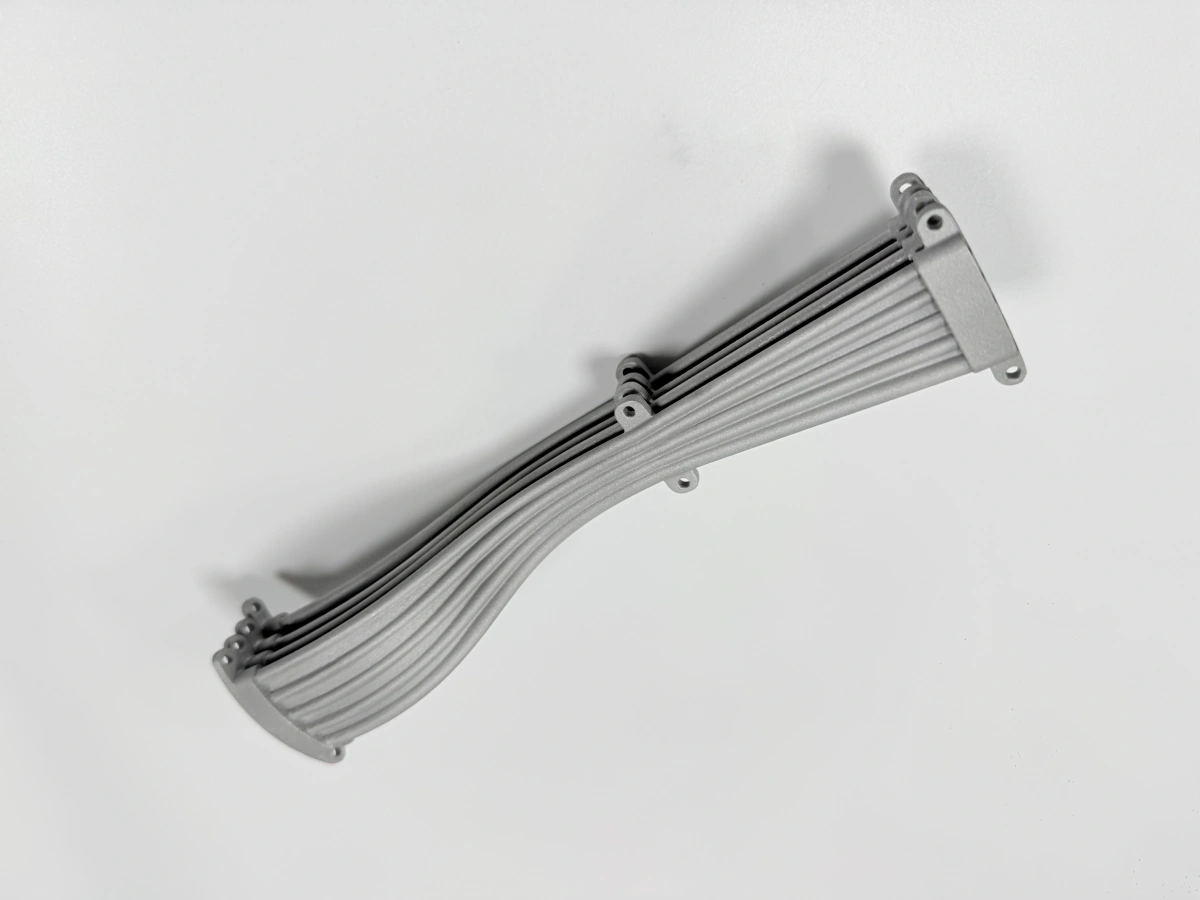
Good option for complex thin-wall superalloy structures
Well suited to energy and power applications involving heat and corrosion exposure
3. Advantages of Inconel 718 for 3D Printing
Inconel 718 is widely used for superalloy additive manufacturing because it offers high strength, good process maturity, and strong performance after heat treatment. It is preferred when the part must carry load while operating at elevated temperature.
High strength after precipitation-hardening heat treatment
Good fit for aerospace structural parts and load-bearing fixtures
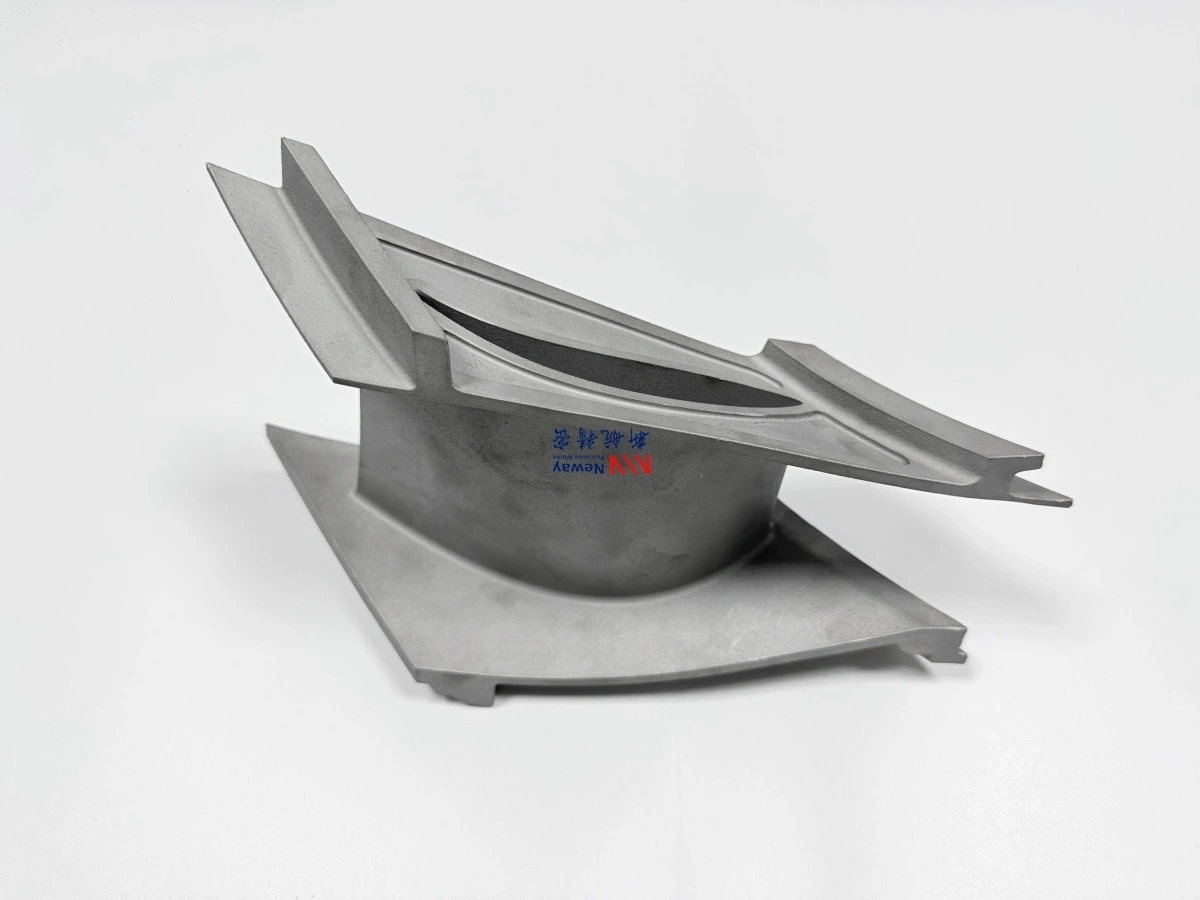
Suitable for brackets, housings, supports, high-strength test parts, and turbine-adjacent hardware
More commonly selected when mechanical strength is the primary design driver
Strong option for aerospace and aviation structural applications
4. Comparison Table: Hastelloy X vs Inconel 718
Comparison Item | Hastelloy X | Inconel 718 |
|---|---|---|
Main application focus | Combustion, oxidation, hot gas, and thermal cycling environments | High-strength and load-bearing structural components |
Strength mechanism | Solid-solution strengthened nickel alloy | Precipitation-hardened nickel alloy |
High-temperature strength | Good for thermal exposure and hot gas service | Better for high-strength load-bearing service |
Oxidation resistance | Excellent fit for oxidizing combustion environments | Good, but usually selected more for strength |
Thermal fatigue resistance | Strong advantage for repeated heating and cooling | Good, but more dependent on heat treatment and part design |
Post-processing priority | Stress relief, distortion control, surface finishing, and inspection | Heat treatment for strength, HIP if required, CNC machining, and inspection |
Typical applications | Combustor parts, nozzles, ducts, hot gas structures, high-temperature fixtures | Aerospace brackets, supports, load-bearing housings, turbine-adjacent structures |
Best selection logic | Choose for oxidation, combustion, and thermal cycling | Choose for strength, load, and structural reliability |
5. Selection Advice for Superalloy 3D Printing
When choosing between Hastelloy X and Inconel 718, engineers should evaluate the real operating environment instead of only comparing material names. The most important factors are temperature, load, oxidation, thermal cycling, fatigue, corrosion, post-processing, and inspection requirements.
Choose Hastelloy X if the part is exposed to combustion gas, oxidation, or repeated thermal cycling
Choose Inconel 718 if the part is primarily a load-bearing high-strength structure
Choose Hastelloy X for combustor components, hot gas ducts, nozzles, and thermal shields
Choose Inconel 718 for aerospace brackets, supports, fixtures, housings, and structural hardware
Use CNC machining when holes, threads, datum faces, sealing faces, or tight tolerances are required
Confirm heat treatment, HIP, inspection, and documentation requirements before quotation
For broader nickel alloy options, customers can also review Superalloy material capabilities.
6. RFQ Advice for Superalloy Material Selection
To choose the correct superalloy 3D printing material, customers should provide the part geometry, drawing requirements, and service conditions. This allows the supplier to recommend whether Hastelloy X, Inconel 718, or another superalloy is more suitable.
3D CAD file and 2D drawing
Target material or acceptable equivalent material
Operating temperature, hot gas exposure, oxidation environment, and thermal cycling conditions
Mechanical load, pressure, vibration, or fatigue requirement
Required quantity and target lead time
Critical tolerances, threads, datum surfaces, and surface finish requirements
Heat treatment, HIP, CNC machining, and inspection requirements
7. Summary
Hastelloy X is usually better for high-temperature 3D printed parts exposed to combustion, oxidation, hot gas flow, and repeated thermal cycling. Inconel 718 is usually better for high-strength, precipitation-hardened, load-bearing superalloy components. If the application is dominated by oxidation and thermal fatigue, choose Hastelloy X. If the application is dominated by strength and structural load, choose Inconel 718.
If you need superalloy 3D printing material selection, provide the 3D model, 2D drawing, operating temperature, load condition, oxidation or corrosion environment, quantity, post-processing requirements, and inspection needs so the correct material and manufacturing route can be evaluated before quotation.
.webp)