
Which Features Usually Need CNC or EDM After Superalloy 3D Printing?
Which Features Usually Need CNC or EDM After Superalloy 3D Printing?
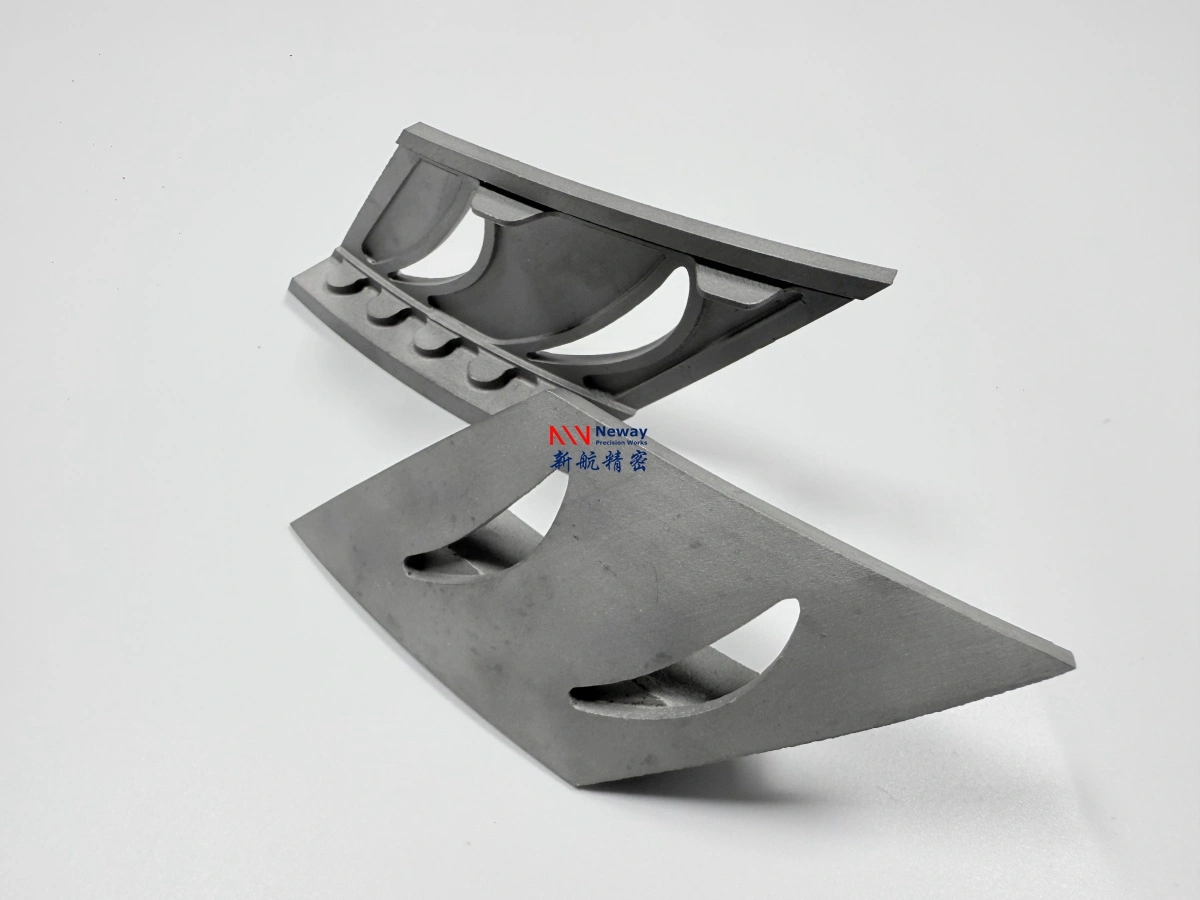
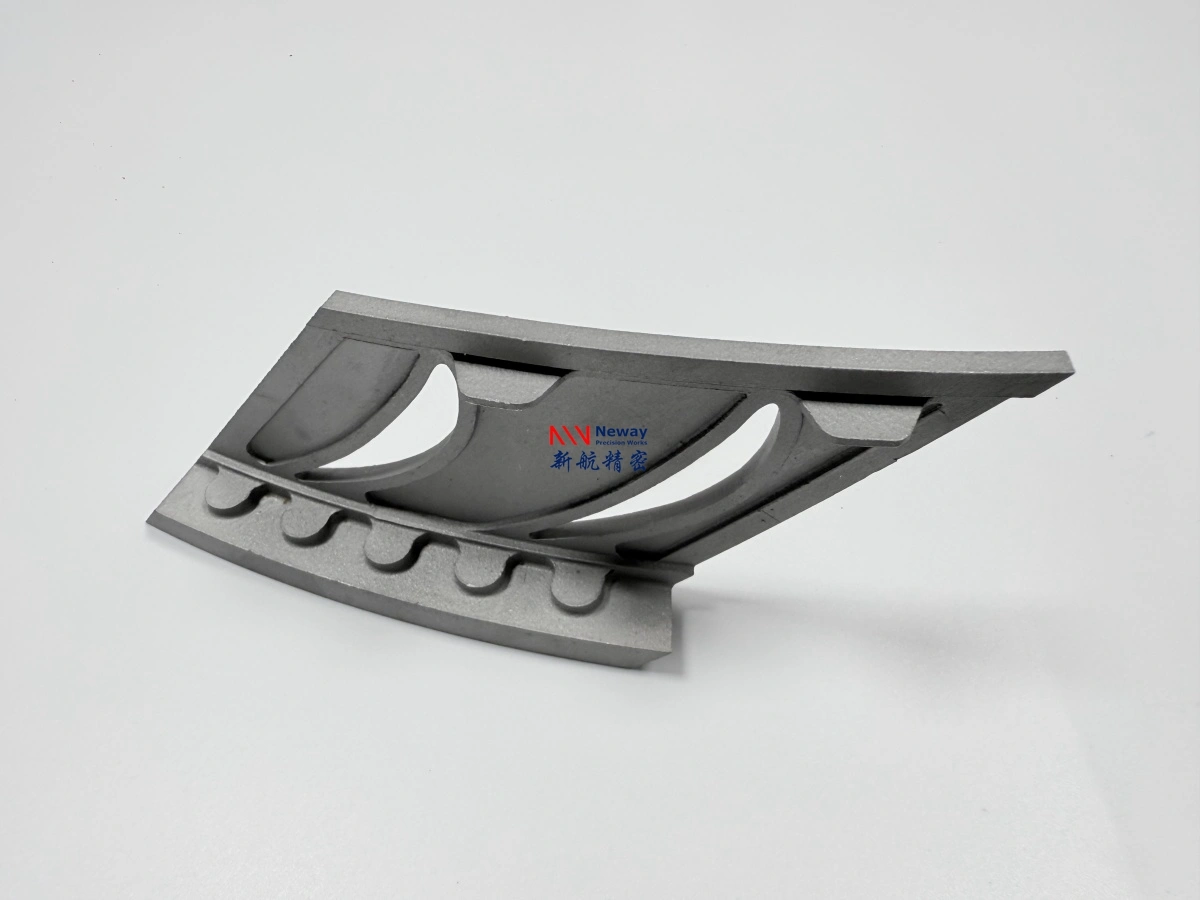
Features that usually need CNC machining or EDM after superalloy 3D printing include sealing faces, mounting surfaces, datum areas, precision holes, threaded holes, slots, grooves, flanges, blade roots, cooling features, small or deep holes, and tight-tolerance assembly interfaces. Although superalloy 3D printing can produce complex near-net-shape parts, as-printed surfaces are usually not sufficient for high-precision fit, sealing, load transfer, or functional assembly.
For high-temperature alloys such as Inconel 718, Inconel 713C, Hastelloy X, Haynes 188, and other nickel- or cobalt-based superalloys, post-machining should be planned before printing. The CAD model and 2D drawing should define machining allowance, datum strategy, inspection points, surface roughness, and which features must be finished by CNC Machining or Electrical Discharge Machining.
1. Direct Answer: Which Features Need CNC or EDM?
Superalloy 3D printed parts usually need CNC machining for flat, round, threaded, sealing, and datum-controlled features. EDM is often used for small holes, narrow slots, deep features, thin details, and hard-to-reach areas where conventional cutting tools are inefficient or risky.
Feature Type | Common Finishing Method | Why Post-Machining Is Needed |
|---|---|---|
Sealing faces | CNC machining | Controls flatness, roughness, sealing contact, and leakage risk. |
Mounting surfaces | CNC machining | Ensures assembly fit, perpendicularity, parallelism, and bolt-up accuracy. |
Datum faces | CNC machining | Provides stable references for inspection, assembly, and further machining. |
Precision holes | CNC machining or EDM | Printed holes may not meet final diameter, roundness, or positional tolerance. |
Threads | CNC machining | Printed threads are usually not recommended for critical assembly accuracy. |
Slots and grooves | CNC machining or EDM | Controls width, depth, edge quality, and functional fit. |
Small cooling holes | EDM | EDM can finish small, deep, or difficult superalloy holes more reliably. |
2. Why Are CNC and EDM Needed After Superalloy 3D Printing?
Metal 3D printing is excellent for complex geometry, internal structures, and near-net-shape superalloy components, but it is not a replacement for all precision machining. Printed parts may have surface roughness, stair-step effects, support contact marks, dimensional variation, residual stress distortion, and heat-treatment-related movement.
Superalloys are also difficult to machine because they are designed for high strength, heat resistance, oxidation resistance, and hot-section performance. Therefore, machining allowance, tool access, datum selection, fixturing, and inspection should be considered during the design stage, not after the part is printed.
Reason for Post-Machining | Impact on Printed Superalloy Parts |
|---|---|
As-printed surface roughness | May not meet sealing, sliding, airflow, or assembly surface requirements. |
Dimensional tolerance limits | Critical dimensions often need machining after printing and heat treatment. |
Support removal marks | Support contact areas may need machining or finishing before final use. |
Thermal distortion | Stress relief, heat treatment, or HIP may shift geometry before final machining. |
Functional interfaces | Assembly, sealing, and load-bearing areas need controlled geometry and surface finish. |
3. Which Features Are Best Finished by CNC Machining?
CNC machining is usually preferred for features that need controlled flatness, parallelism, perpendicularity, hole location, thread accuracy, surface finish, or repeatable assembly fit. For superalloy printed parts, CNC machining is often performed after stress relief, heat treatment, or HIP so the final dimensions are controlled after major thermal processing.
Application articles such as Heat treatment, HIP, and CNC machining for Inconel 718 3D printed parts and Heat treatment, HIP, and CNC machining for Hastelloy X 3D printed parts show why printing, thermal processing, and final machining should be planned as one manufacturing route.
CNC-Finished Feature | Typical Requirement | Design Note |
|---|---|---|
Flanges | Flatness, bolt hole position, sealing contact, and assembly alignment. | Add machining allowance and define datum surfaces. |
Mounting pads | Parallelism, perpendicularity, surface finish, and load transfer. | Identify these areas clearly on the 2D drawing. |
Sealing surfaces | Controlled roughness, flatness, and contact quality. | Final machine after thermal processing where possible. |
Datum faces | Stable reference for inspection and downstream machining. | Plan datum strategy before printing. |
Threaded holes | Thread size, depth, pitch, position, and assembly reliability. | Print pilot holes or solid stock for later machining depending on size. |
Bearing or locating bores | Roundness, diameter tolerance, coaxiality, and surface finish. | Leave enough machining stock for precision boring or reaming. |
4. Which Features Are Better Finished by EDM?
EDM is useful when the feature is small, deep, narrow, hard to reach, or difficult to machine with conventional tools. Superalloys can be challenging for cutting tools because they retain strength at high temperatures and may work harden. EDM removes material electrically, so it can be useful for precise superalloy holes, slots, and thin features.
EDM-Finished Feature | Why EDM May Be Preferred | Typical Application |
|---|---|---|
Small holes | EDM can produce small holes where drilling may be difficult or unstable. | Cooling holes, flow holes, vent holes, and nozzle features. |
Deep holes | EDM can help when tool access, chip evacuation, or tool wear is a concern. | Hot-section flow paths, turbine-related features, and test fixtures. |
Narrow slots | EDM can control slot width and shape in hard superalloy materials. | Gas slots, fixture slots, thin-wall openings, and precision grooves. |
Thin-wall details | Lower cutting force compared with conventional machining. | Vanes, nozzles, delicate brackets, and heat-resistant thin sections. |
Hard-to-reach internal features | EDM may access features that are difficult for standard milling or drilling tools. | Complex printed channels, cavities, and internal passages where applicable. |
5. How Should Machining Allowance Be Planned?
Machining allowance should be added only where final precision is required. Adding too much allowance increases printing material, machining time, cost, and distortion risk. Adding too little allowance may leave insufficient stock to remove roughness, support marks, or thermal distortion.
For functional parts, customers should clearly mark which areas are as-printed and which areas must be machined. This is especially important for Manufacturing and Tooling components, fixtures, turbine prototypes, hot-section parts, and high-temperature assemblies.
Machining Planning Item | Recommended Approach | Why It Matters |
|---|---|---|
Critical surfaces | Add stock only to surfaces requiring final tolerance or finish. | Controls cost while ensuring functional quality. |
Datum features | Define printable locating areas or machine datums first. | Improves fixturing, inspection, and downstream accuracy. |
Holes and threads | Decide whether to print pilot holes or machine from solid material. | Prevents misalignment, rough internal surfaces, or weak threads. |
Thin walls | Avoid excessive machining stock on flexible or delicate sections. | Reduces vibration, deformation, and scrap risk. |
Thermal processing sequence | Finish critical features after stress relief, heat treatment, or HIP when required. | Improves final dimensional stability. |
6. How Does Post-Machining Connect with Surface Treatment?
After CNC machining or EDM, some superalloy parts may still require surface finishing, polishing, blasting, passivation-like cleaning where applicable, coating preparation, or other Surface Treatment. The final surface route depends on the part’s function, operating environment, roughness target, oxidation exposure, and customer drawing requirements.
For example, gas-path parts may require controlled roughness on flow surfaces. Sealing faces may need a machined finish. Coating-related parts may need surface preparation. EDM surfaces may require recast layer review or finishing depending on the application and acceptance standard.
After-Machining Surface Need | Why It Matters | Typical Control |
|---|---|---|
Flow surface roughness | May affect gas flow, pressure drop, or thermal performance. | Machining, polishing, blasting, or customer-defined roughness control. |
Sealing surface finish | Affects contact quality and leakage control. | Final CNC machining and roughness inspection. |
EDM surface condition | May need review for recast layer, edge quality, or fatigue-sensitive areas. | Finishing, polishing, inspection, or customer-specified EDM acceptance criteria. |
Coating preparation | Surface condition can affect coating adhesion and uniformity. | Controlled cleaning, blasting, masking, or coating preparation process. |
7. How Should Machined Features Be Inspected?
Machined features should be inspected according to the 2D drawing and functional requirements. For superalloy 3D printed parts, inspection often combines dimensional checks, surface roughness checks, and CAD comparison. This is important because printing, heat treatment, HIP, CNC machining, EDM, and finishing can each affect the final geometry.
3D Scanning (FAI) can help verify freeform surfaces and CAD deviation, while CMM inspection is usually preferred for datum-controlled dimensions, holes, flanges, machined faces, and tight-tolerance interfaces.
Inspection Item | Recommended Method | Typical Feature |
|---|---|---|
Flatness and parallelism | CMM or surface plate inspection | Mounting faces, sealing faces, flanges. |
Hole position and diameter | CMM, gauges, pin checks, or optical inspection | Bolt holes, locating holes, cooling holes, threaded holes. |
Thread quality | Thread gauges and depth verification | Tapped holes, threaded inserts, assembly features. |
Freeform surface deviation | 3D scanning and CAD comparison | Vanes, ducts, hot-gas path parts, curved shells. |
Surface roughness | Roughness tester or customer-specified method | Sealing areas, flow surfaces, machined interfaces. |
8. Material-Specific Post-Machining Examples
Different superalloys may need different post-machining strategies because they vary in hardness, heat treatment response, cracking risk, oxidation resistance, and application environment. Inconel 718, Hastelloy X, Haynes 188, and Inconel 713C are often used in different high-temperature applications, so their post-processing plans should not be copied blindly from one material to another.
Customers comparing material-specific finishing routes can review How Should Haynes 188 3D Printed Parts Be Finished After Printing? and What Post-Processing Controls Are Needed for Inconel 713C 3D Printed Parts? for additional post-processing considerations.
Material Direction | Common CNC / EDM Focus | Typical Application |
|---|---|---|
Inconel 718 | Machined flanges, holes, mounting faces, threads, and structural interfaces. | Aerospace brackets, housings, manifolds, and energy components. |
Hastelloy X | Machined sealing faces, duct interfaces, combustor features, and thin-wall edges. | Combustion, hot gas, burner, and thermal fatigue components. |
Haynes 188 | EDM or CNC finishing for holes, slots, mounting areas, and gas-path interfaces. | Combustion hardware, hot-gas path parts, and thermal cycling prototypes. |
Inconel 713C | Careful machining of root features, sealing faces, holes, slots, and nozzle interfaces. | Turbine vane, nozzle, and hot-section prototype applications. |
9. What RFQ Data Is Needed for CNC or EDM Review?
To quote CNC or EDM after superalloy 3D printing accurately, customers should provide both 3D and 2D data. The supplier needs to know which features are functional, which surfaces are cosmetic, and which tolerances must be achieved after all thermal and finishing steps.
RFQ Data | Why It Is Needed |
|---|---|
3D CAD file | Used to review geometry, machining access, internal features, and stock allowance. |
2D drawing | Defines tolerances, datums, threads, holes, surface roughness, and inspection requirements. |
Critical features | Identifies which areas must be CNC machined, EDM cut, polished, or inspected. |
Surface finish requirements | Helps decide whether as-printed, machined, polished, blasted, or treated surfaces are needed. |
Thread and hole details | Confirms size, depth, tolerance, position, and whether pilot holes should be printed. |
Thermal processing requirements | Determines whether final machining should occur after stress relief, heat treatment, or HIP. |
Inspection requirements | Defines whether CMM, 3D scanning, gauges, roughness testing, FAI, or reports are required. |
10. Summary
After superalloy 3D printing, CNC machining is usually needed for sealing faces, mounting surfaces, datum faces, flanges, bearing bores, threaded holes, precision holes, and tight-tolerance assembly interfaces. EDM is often used for small holes, deep holes, narrow slots, thin features, cooling holes, and difficult-to-reach superalloy details.
For accurate quotation and reliable manufacturing, engineers should define which features are as-printed and which require CNC machining, EDM, surface finishing, or inspection. The best post-machining plan should be confirmed before printing so machining allowance, datum strategy, thermal processing sequence, and final quality control can be built into the complete manufacturing route.
.webp)