
How Should Haynes 188 3D Printed Parts Be Finished After Printing?
How Should Haynes 188 3D Printed Parts Be Finished After Printing?
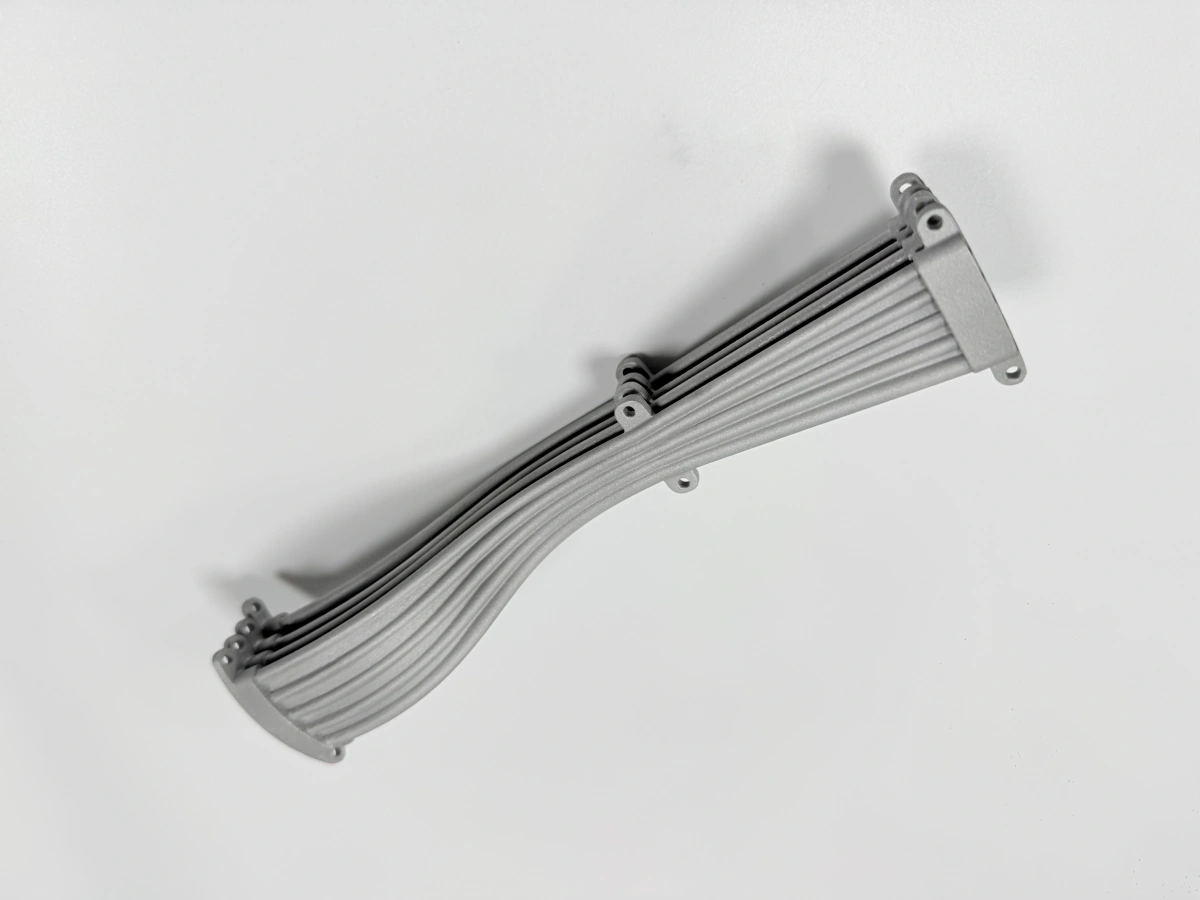
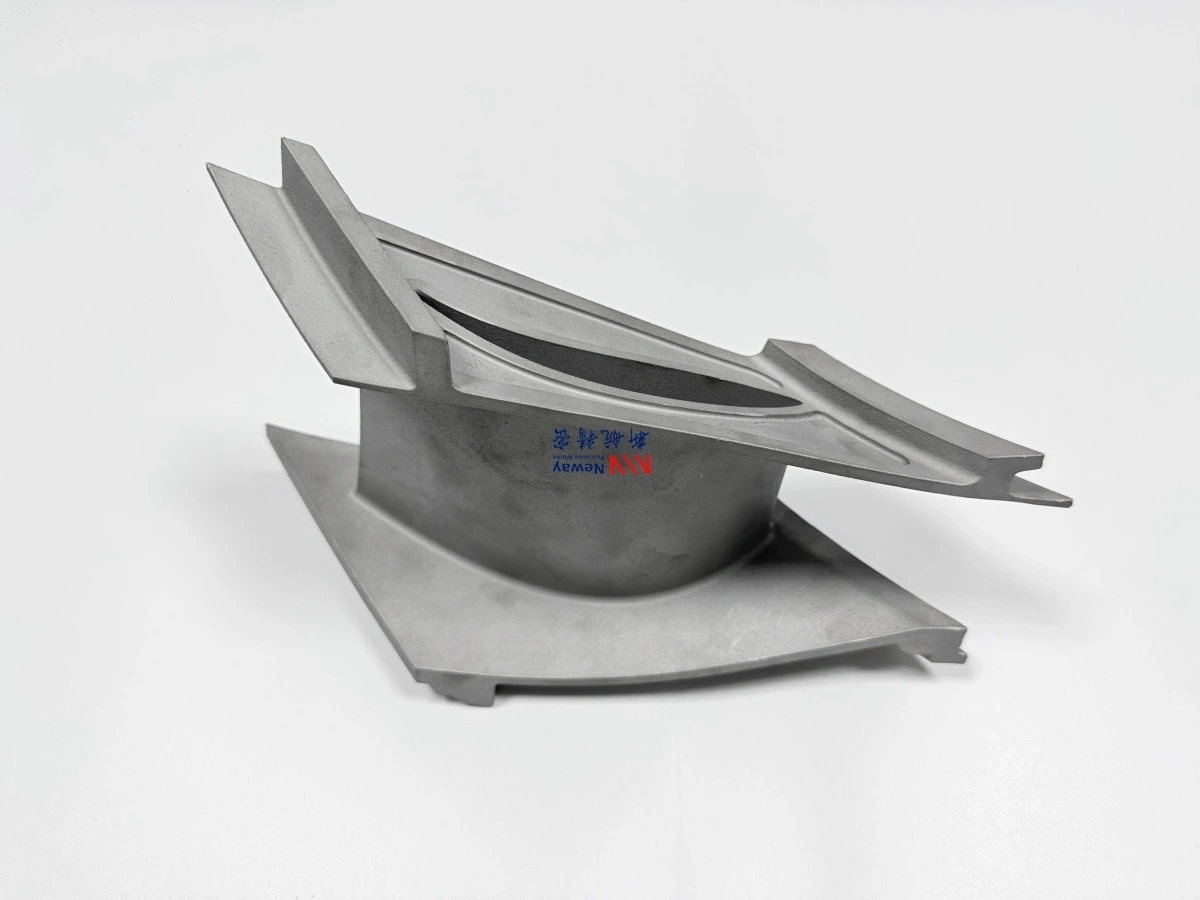
Haynes 188 post-processing usually includes support removal, heat treatment, CNC machining, EDM, surface finishing, and inspection. For high-temperature combustion, nozzle, hot-section, and structural applications, printing is only the near-net-shape manufacturing step. The final finishing route should be selected according to wall thickness, tolerance requirements, sealing surfaces, thermal cycling conditions, fatigue risk, and inspection needs.
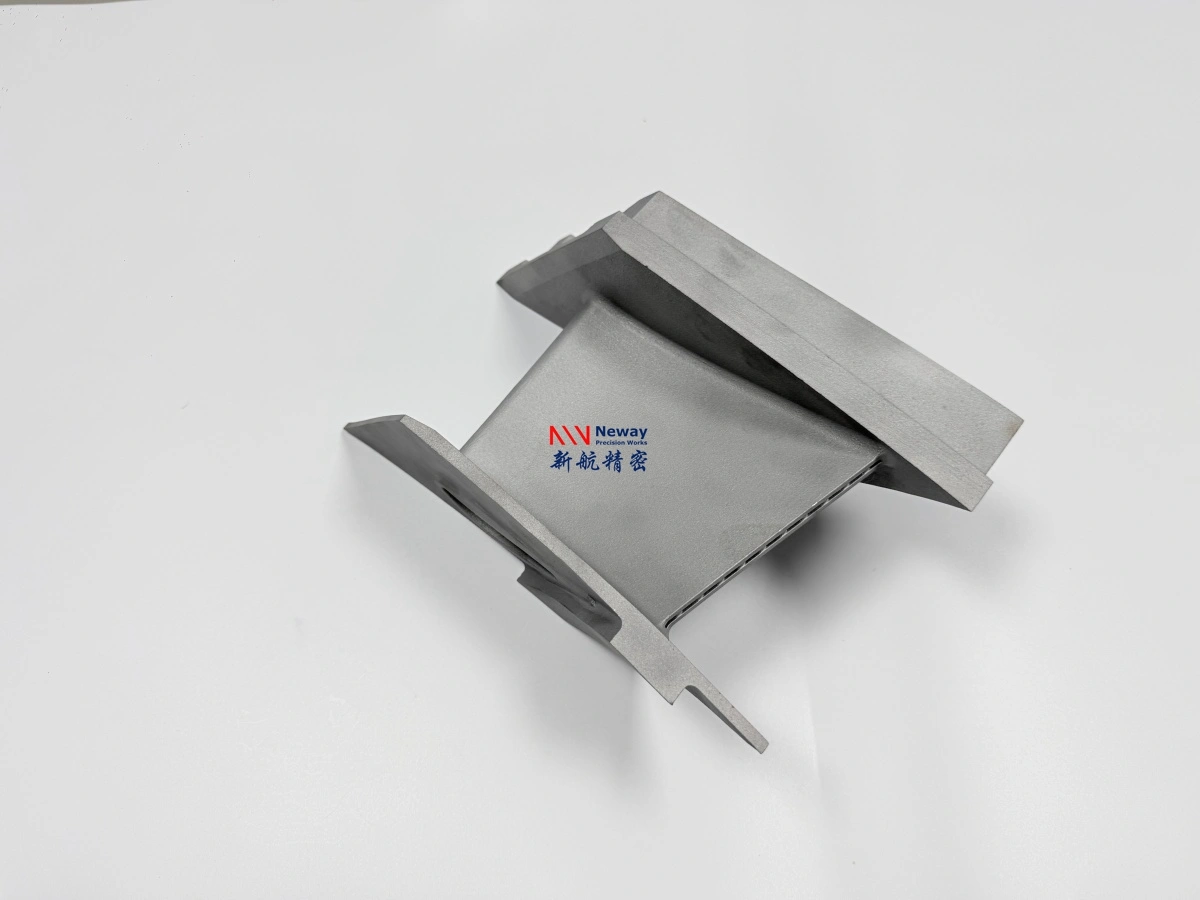
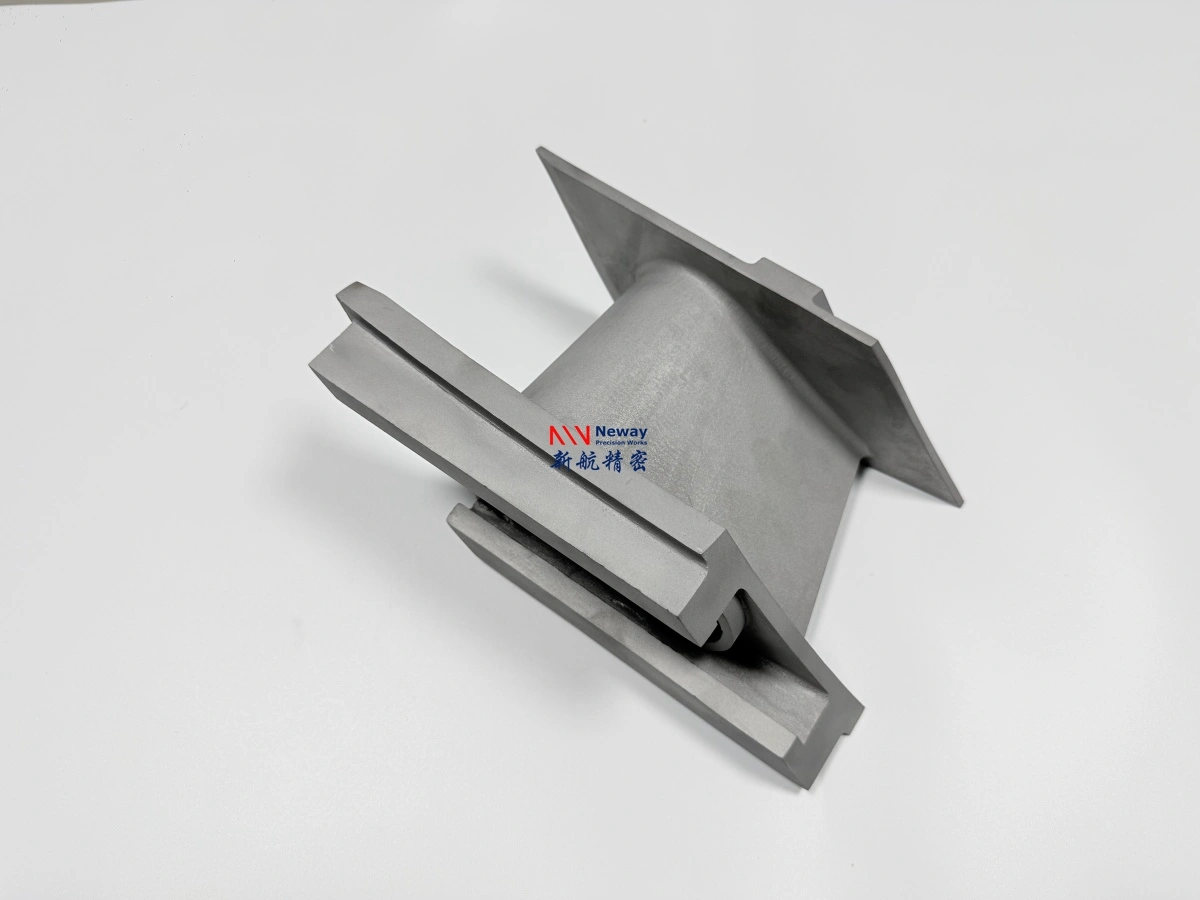
1. Direct Answer: Common Finishing Route
After printing, Haynes 188 parts are typically finished through a controlled sequence. The exact process depends on whether the part is a prototype, test component, or final functional hot-section part.
Finishing Step | Main Purpose |
|---|---|
Support removal | Removes printed supports and prepares the part for later finishing |
Relieves residual stress, stabilizes the structure, and reduces deformation risk | |
Improves internal integrity for high-reliability or fatigue-sensitive parts when required | |
Finishes holes, threads, flanges, datum surfaces, and sealing faces | |
Machines slots, small holes, complex profiles, or hard-to-access features | |
Surface finishing | Improves roughness, appearance, flow surfaces, and edge quality |
Inspection | Confirms dimensions, internal quality, surface condition, and documentation |
2. Heat Treatment for Haynes 188 Printed Parts
Heat treatment is commonly evaluated for Haynes 188 printed parts because additive manufacturing creates rapid thermal cycles and residual stress. For thin-wall hot-section parts, stress relief can help reduce later deformation during machining, inspection, or high-temperature service.
Relieves residual stress from the printing process
Improves dimensional stability before final machining
Supports more stable behavior under thermal cycling
Reduces deformation risk in thin-wall combustion or nozzle parts
3. When HIP Should Be Considered
HIP is not required for every Haynes 188 prototype, but it should be considered for high-reliability components where fatigue life, internal porosity, and structural integrity are important.
Combustion chamber liners exposed to thermal cycling
Nozzles and hot gas flow parts under pressure or vibration
Aerospace and energy hot-section components
Parts requiring internal defect reduction or CT/X-Ray validation
Fatigue-sensitive parts with cyclic thermal or mechanical loads
4. CNC and EDM for Functional Features
Printed Haynes 188 parts often require CNC machining or EDM to achieve final functional dimensions. As-printed surfaces are suitable for near-net-shape geometry, but precision interfaces should be finished after heat treatment or HIP when required.
Feature | Recommended Finishing Method |
|---|---|
Mounting faces and flanges | CNC machining for flatness, parallelism, and sealing quality |
Threaded holes | Drilling, tapping, or thread machining after printing |
Sealing surfaces | CNC machining, grinding, or polishing |
Small holes or slots | EDM when mechanical tool access is difficult |
Complex internal or profile features | EDM, polishing, or special finishing depending on access |
5. Surface Finishing Options
Surface finishing improves appearance, removes support marks, reduces burrs, and improves functional surfaces. For hot gas flow parts, surface condition may also affect flow behavior, crack initiation risk, and cleaning quality.
Sand blasting for uniform matte appearance and loose particle removal
Deburring for edges, holes, and machined transitions
Polishing for visible surfaces, flow paths, or lower roughness requirements
Local grinding for support-contact areas and accessible rough surfaces
Special surface treatment when oxidation, corrosion, or application-specific surface behavior is required
6. Inspection After Finishing
Inspection should be performed after finishing, especially when Haynes 188 parts are used in high-temperature, combustion, aerospace, or energy applications. The inspection plan should match the drawing and final service risk.
CMM inspection for critical dimensions, datums, and GD&T
3D scanning for full-surface CAD deviation review
X-Ray or CT inspection for internal porosity and hidden defects
FAI report for first article validation
Material certificate for alloy traceability
Heat treatment record when required by specification
Visual and surface inspection for support marks, cracks, burrs, and finish quality
7. Summary
Haynes 188 3D printed parts should usually be finished with support removal, heat treatment, CNC machining or EDM for critical features, surface finishing, and inspection. HIP should be evaluated for high-reliability, fatigue-sensitive, or internally defect-sensitive components. The final route depends on whether the part is a prototype, combustion test part, nozzle, hot-section structure, or finished production component.
If you need a finished Haynes 188 3D printed parts supplier, provide the 3D model, 2D drawing, quantity, operating temperature, thermal cycling conditions, tolerance requirements, functional surfaces, post-processing needs, and inspection requirements so the correct finishing route can be evaluated before quotation.
.webp)