
Which Superalloy Is Best for 3D Printed High-Temperature Parts?
Which Superalloy Is Best for 3D Printed High-Temperature Parts?
The best superalloy for 3D printed high-temperature parts depends on the operating temperature, load condition, corrosion environment, oxidation exposure, thermal cycling, wear requirement, and post-processing plan. There is no single superalloy that is best for every application. Inconel 718 is often preferred for high-strength structural parts, Inconel 625 for corrosion-resistant high-temperature parts, Hastelloy X for combustion and oxidation resistance, Haynes 188 and Haynes 230 for hot gas and thermal cycling applications, Rene 41 for high-temperature aerospace strength, and Stellite 6B for cobalt-based wear resistance.
For engineering projects, superalloy 3D printing material selection should be based on both performance requirements and manufacturability. Some superalloys are easier to print and qualify, while others may offer stronger high-temperature performance but require more careful process development, heat treatment, HIP, machining, and inspection.
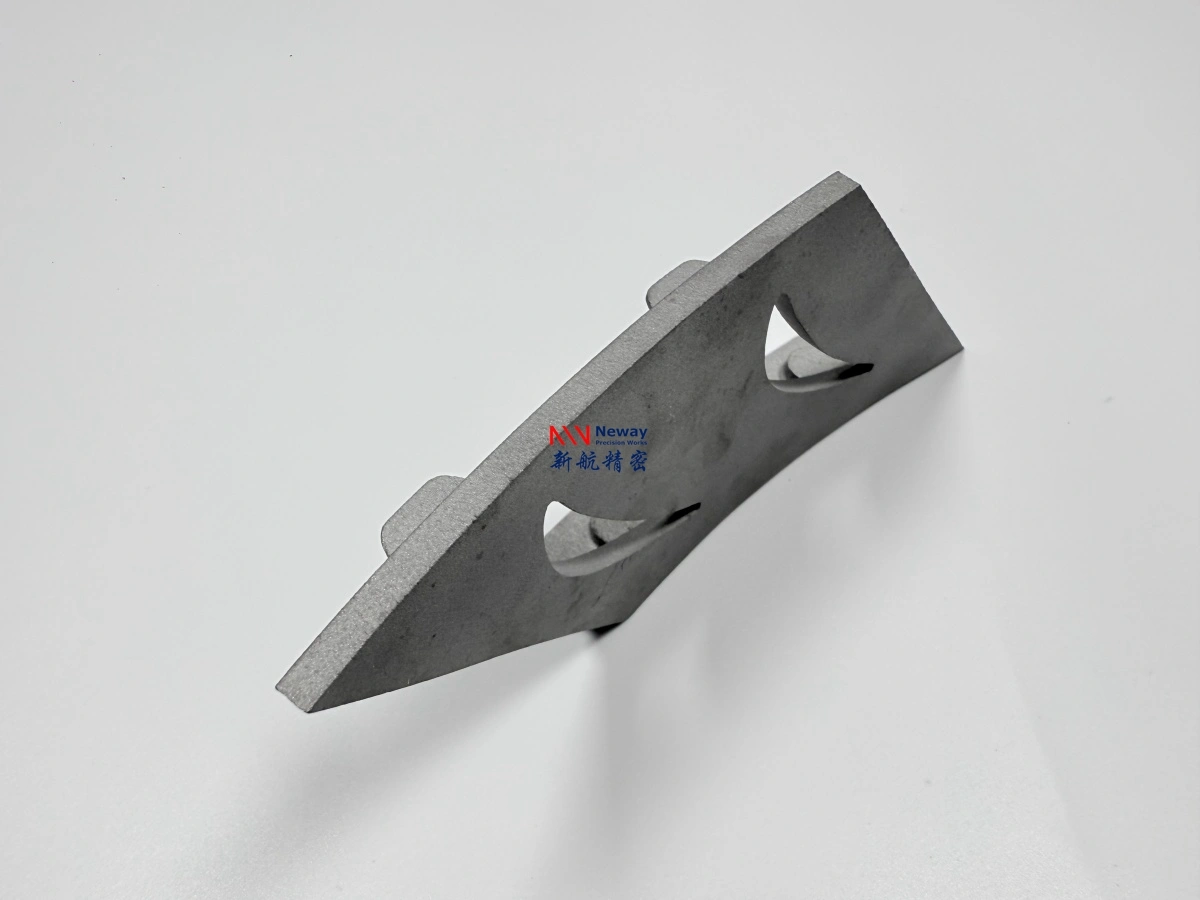
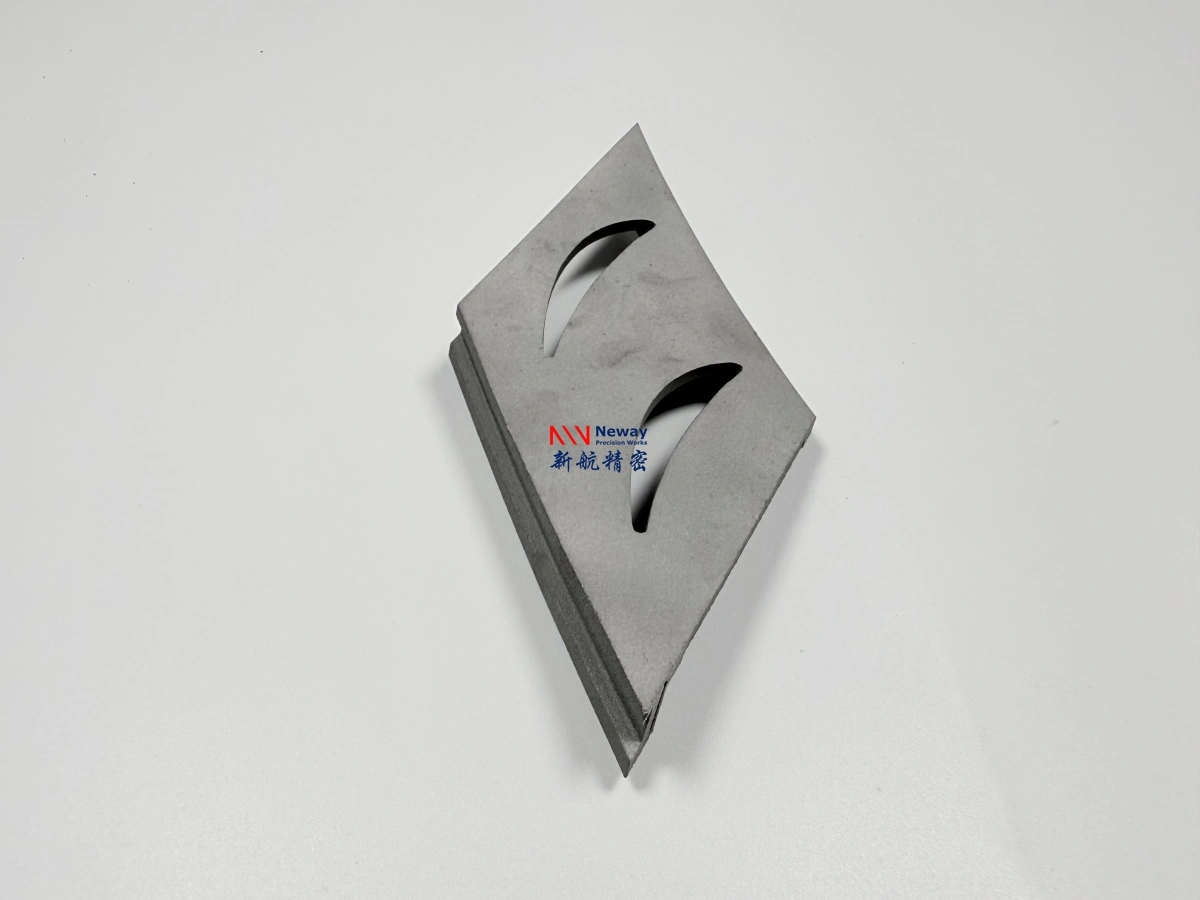
1. Direct Answer: Which Superalloy Is Best?
For most high-temperature 3D printed parts, Inconel 718 is a strong starting choice when mechanical strength and printability are important. Inconel 625 is better when corrosion resistance is more important than maximum strength. Hastelloy X is often selected for combustion, oxidation, and thermal fatigue environments. Haynes 188 and Haynes 230 are suitable for hot gas, oxidation, and thermal cycling applications. Rene 41 may be considered for higher-temperature aerospace strength requirements, while Stellite 6B is more suitable for wear-resistant cobalt-based parts.
Application Requirement | Recommended Superalloy Direction | Why It Fits |
|---|---|---|
High strength and mature printability | Inconel 718 | Good balance of strength, process maturity, and engineering reliability. |
Corrosion resistance with high-temperature exposure | Inconel 625 | Good corrosion resistance and relatively stable additive manufacturing behavior. |
Combustion and oxidation resistance | Hastelloy X | Suitable for hot gas, combustion, and thermal fatigue environments. |
Cobalt-based hot gas oxidation resistance | Haynes 188 | Used for high-temperature oxidation and thermal cycling applications. |
High-temperature oxidation resistance | Haynes 230 | Suitable when oxidation resistance and thermal stability are important. |
Aerospace high-temperature strength | Rene 41 | Can be considered for high-temperature load-bearing aerospace parts after feasibility review. |
Wear resistance and cobalt alloy applications | Stellite 6B | Better suited for wear, sliding, galling, and cobalt-based service environments. |
2. How Should Engineers Choose a Printable Superalloy?
Engineers should choose a printable superalloy by matching the part’s service condition with the alloy’s main performance advantage. A turbine bracket, combustion liner, chemical nozzle, hot gas duct, valve seat, and test-rig fixture may all operate at high temperature, but they may require different material properties.
The broader Superalloy material family includes nickel-based, cobalt-based, and iron-nickel-based alloys. For 3D printing, the best choice also depends on powder availability, process maturity, crack sensitivity, heat treatment response, machinability, and inspection requirements.
Selection Factor | Why It Matters |
|---|---|
Maximum operating temperature | Determines whether strength, oxidation resistance, or creep-related behavior is most important. |
Mechanical load | High-load parts may need stronger precipitation-strengthened alloys and controlled heat treatment. |
Oxidation environment | Hot gas, combustion, and air exposure may require alloys with stronger oxidation resistance. |
Corrosion exposure | Chemical, marine, or exhaust environments may favor corrosion-resistant nickel alloys. |
Thermal cycling | Repeated heating and cooling can increase fatigue, cracking, and distortion risk. |
Wear or galling | Cobalt alloys may be preferred when sliding wear or surface damage is the main issue. |
Printability | Some superalloys are more mature for additive manufacturing, while others need feasibility testing. |
3. When Is Inconel 718 the Best Choice?
Inconel 718 is often one of the best choices for high-strength 3D printed superalloy parts because it offers a strong balance of mechanical performance, process maturity, and post-processing flexibility. It is commonly considered for aerospace brackets, housings, manifolds, structural components, and moderate hot-section parts.
Choose Inconel 718 When | Project Reason |
|---|---|
The part needs high strength | Suitable for load-bearing components that need good mechanical properties after heat treatment. |
Printability must be relatively mature | Often easier to validate than more crack-sensitive high-temperature superalloys. |
The part needs CNC finishing | Mounting faces, holes, threads, and sealing features can be finished after printing. |
The application is aerospace or industrial | Commonly used for structural and functional metal additive manufacturing projects. |
4. When Is Inconel 625 a Better Option?
Inconel 625 is often selected when corrosion resistance, oxidation resistance, and manufacturability are more important than maximum precipitation-hardened strength. It is suitable for chemical processing components, exhaust parts, marine hardware, nozzles, ducts, and high-temperature corrosion-resistant structures.
Choose Inconel 625 When | Project Reason |
|---|---|
Corrosion resistance is critical | Useful for chemical, marine, exhaust, and aggressive service environments. |
Strength demand is moderate | Often chosen when corrosion and temperature resistance are more important than peak strength. |
The part has complex geometry | Can be a practical option for complex corrosion-resistant printed components. |
Post-processing needs are manageable | Can be combined with machining, surface finishing, and inspection according to drawing needs. |
5. When Should Hastelloy X Be Selected?
Hastelloy X is a strong candidate for 3D printed high-temperature parts exposed to combustion, hot gas, oxidation, and thermal fatigue. It is commonly considered for combustor parts, hot gas ducts, burners, nozzles, transition pieces, and thermal test components.
Choose Hastelloy X When | Project Reason |
|---|---|
The part works in combustion gas | Suitable for hot gas and combustion-related components. |
Oxidation resistance is important | Helps support parts exposed to oxidizing high-temperature environments. |
Thermal fatigue is a concern | Can be considered for components exposed to repeated heating and cooling. |
The part has ducts or thin-wall shapes | Useful for complex hot gas flow structures where additive manufacturing offers design flexibility. |
6. When Are Haynes 188 and Haynes 230 Suitable?
Haynes 188 is a cobalt-based superalloy option for hot gas, oxidation, and thermal cycling applications. It may be used for combustion hardware, nozzle structures, hot-section prototypes, and thermal test parts where cobalt-based high-temperature performance is preferred.
Haynes 230 can be considered when high-temperature oxidation resistance and thermal stability are important. It helps expand the material choice for hot-section components where Inconel 718 or Inconel 625 may not fully match the operating environment.
Material | Best-Fit Application Direction | Selection Logic |
|---|---|---|
Haynes 188 | Combustion, hot gas, thermal cycling, cobalt-based high-temperature parts | Useful when cobalt-based oxidation and hot gas performance are required. |
Haynes 230 | High-temperature oxidation, furnace hardware, thermal structures, hot-section parts | Useful when oxidation resistance and thermal stability are key requirements. |
7. When Should Rene 41 or Stellite 6B Be Considered?
Rene 41 may be considered for aerospace and high-temperature load-bearing applications where stronger elevated-temperature performance is required. However, it should be reviewed carefully for printability, cracking risk, heat treatment, and inspection requirements.
Stellite 6B is different from many nickel-based superalloys because it is usually selected for cobalt-based wear resistance, galling resistance, and harsh contact conditions rather than only high-temperature strength. It may be suitable for valves, wear surfaces, sliding parts, and high-temperature wear components.
Material | When to Consider It | Key Review Point |
|---|---|---|
Rene 41 | High-temperature aerospace strength and load-bearing applications | Requires careful feasibility review for cracking, heat treatment, and inspection. |
Stellite 6B | Wear, galling, cobalt alloy, and harsh contact applications | Best used when wear resistance is a primary requirement. |
8. Superalloy Selection Table for 3D Printed High-Temperature Parts
The following table summarizes common selection logic for 3D printed high-temperature superalloy parts. Final material selection should still be confirmed according to part geometry, service conditions, required properties, post-processing route, and inspection standard.
Superalloy | Main Advantage | Typical Printed Part Direction | Important RFQ Review |
|---|---|---|---|
Inconel 718 | High strength and mature process route | Brackets, housings, manifolds, structural parts, aerospace hardware | Heat treatment, machining, tolerance, and inspection requirements |
Inconel 625 | Corrosion resistance and high-temperature service | Nozzles, ducts, chemical parts, marine parts, exhaust components | Corrosion environment, surface finish, and post-processing needs |
Hastelloy X | Oxidation and combustion environment resistance | Combustors, burners, hot gas ducts, thermal test parts | Thermal cycling, oxidation exposure, wall thickness, and inspection |
Haynes 188 | Cobalt-based hot gas and oxidation performance | Combustion parts, nozzles, hot-section prototypes, thermal cycling parts | Hot gas exposure, support removal, heat treatment, and inspection |
Haynes 230 | High-temperature oxidation resistance | Furnace hardware, heat shields, thermal structures, hot-section parts | Operating temperature, oxidation exposure, and surface condition |
Rene 41 | High-temperature aerospace strength | High-temperature load-bearing aerospace components | Crack risk, heat treatment, HIP, and inspection feasibility |
Stellite 6B | Cobalt-based wear resistance | Wear parts, valve components, sliding surfaces, high-temperature contact parts | Wear condition, machining allowance, surface finish, and final hardness requirement |
9. What Data Is Needed to Select the Best Superalloy?
To recommend the best superalloy for a 3D printed high-temperature part, customers should provide both design data and service-condition data. Material selection should not be based only on the alloy name. Geometry, temperature, load, corrosion, oxidation, wear, and inspection requirements can all change the recommended material.
Required Data | Why It Is Needed |
|---|---|
3D CAD file | Used to review geometry, printability, wall thickness, support design, and powder removal. |
2D drawing | Defines tolerances, datums, critical surfaces, holes, threads, and inspection requirements. |
Operating temperature | Helps compare high-temperature strength, oxidation resistance, and thermal stability. |
Environment | Confirms whether the part is exposed to air, combustion gas, corrosion, marine conditions, or chemical media. |
Load condition | Determines whether tensile strength, fatigue resistance, creep behavior, or wear resistance is most important. |
Thermal cycling | Helps evaluate cracking, distortion, fatigue, and post-processing needs. |
Quantity | Affects build layout, material availability, process validation, unit cost, and lead time. |
Post-processing requirements | Determines heat treatment, HIP, CNC machining, EDM, surface finishing, and inspection scope. |
10. Summary
The best superalloy for 3D printed high-temperature parts depends on the specific engineering requirement. Inconel 718 is often preferred for high-strength structural parts, Inconel 625 for corrosion-resistant components, Hastelloy X for combustion and oxidation environments, Haynes 188 for cobalt-based hot gas applications, Haynes 230 for high-temperature oxidation resistance, Rene 41 for aerospace high-temperature strength, and Stellite 6B for cobalt-based wear resistance.
For custom high-temperature metal parts, customers should compare available 3D printing materials according to temperature, load, corrosion, oxidation, wear, geometry, inspection, and post-processing needs. To start a material selection review, submit the 3D model, 2D drawing, operating conditions, quantity, and target performance requirements through 3D Printing Service.
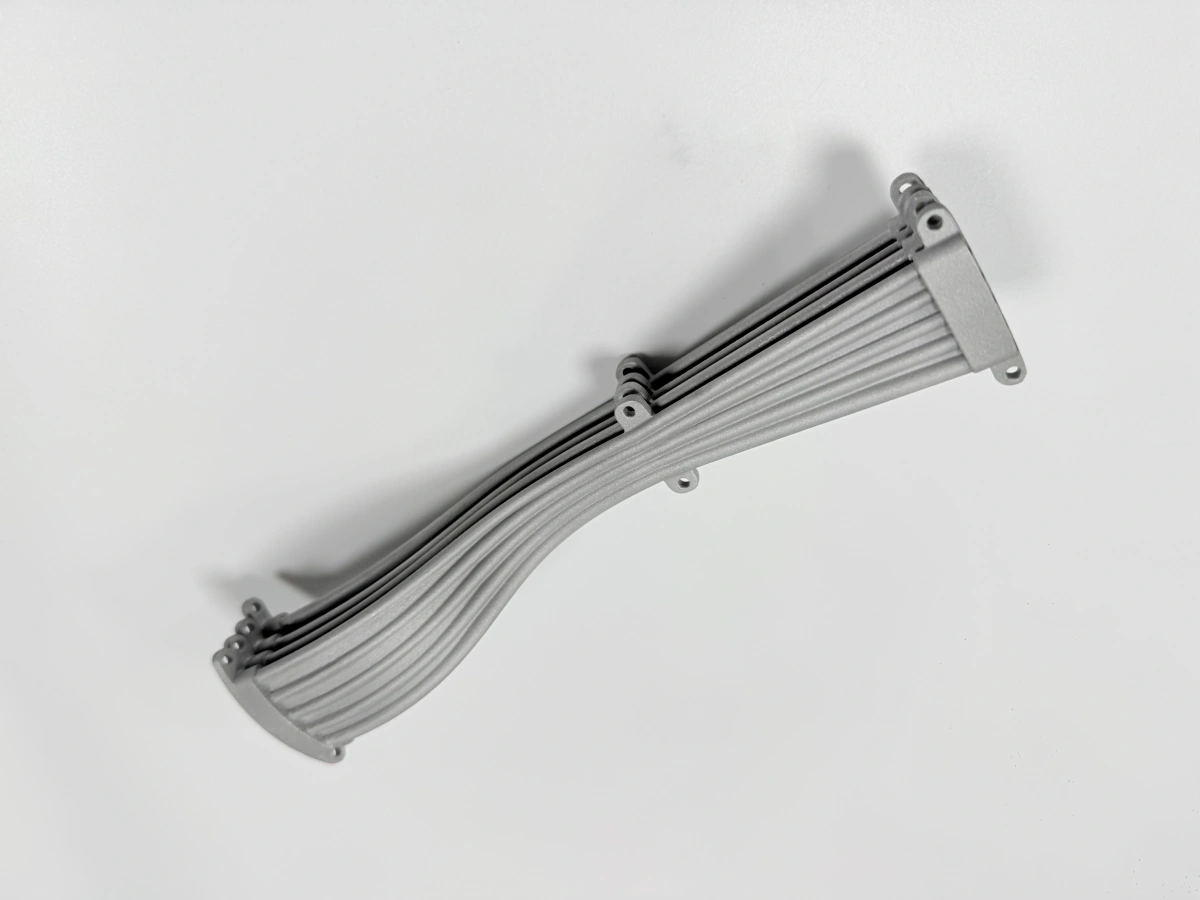
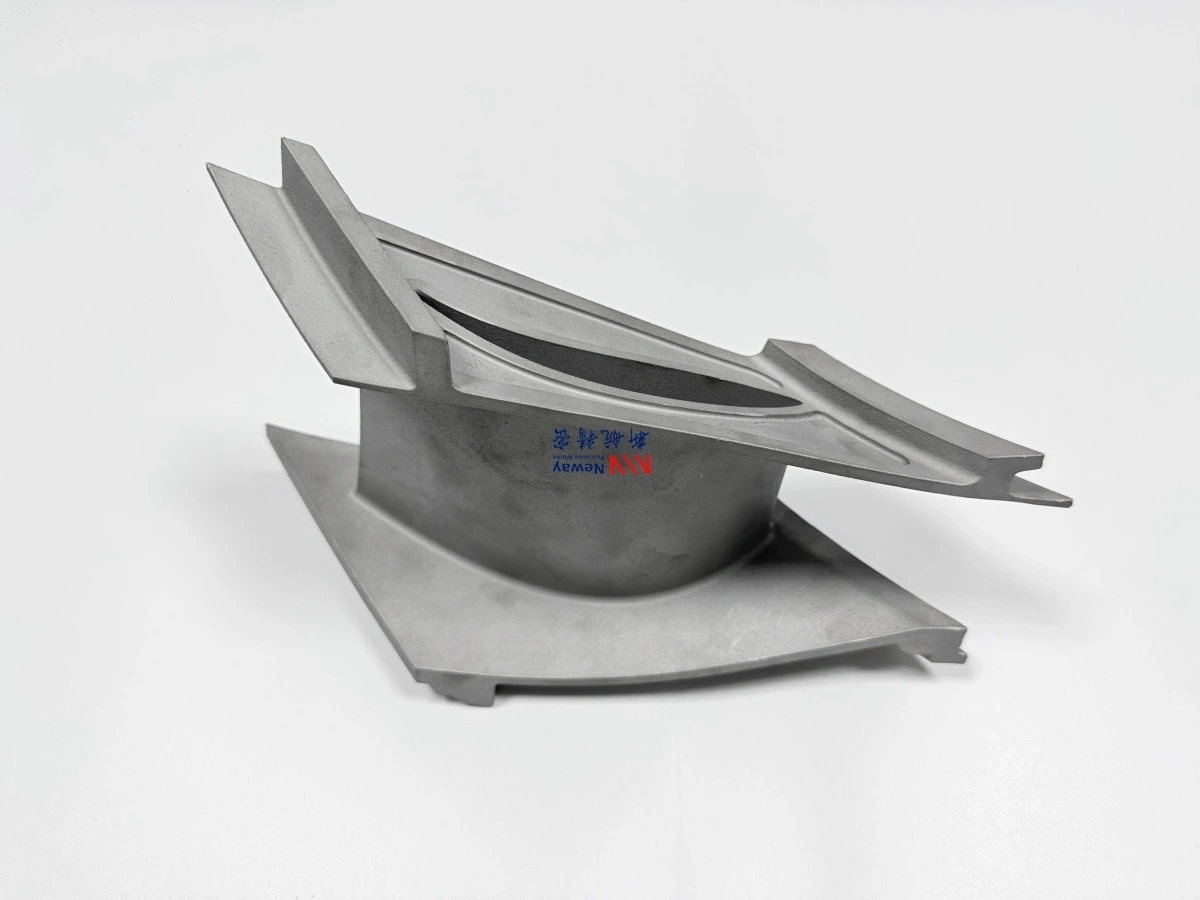
.webp)