
What Makes Superalloy 3D Printing Different from Stainless Steel or Titanium 3D Printing?
What Makes Superalloy 3D Printing Different from Stainless Steel or Titanium 3D Printing?
Superalloy 3D printing is different from stainless steel or titanium 3D printing because superalloys are usually selected for higher temperature, stronger oxidation resistance, creep-related performance, combustion exposure, and hot-section service conditions. These benefits also make many superalloys more demanding to print, heat treat, machine, and inspect.
Compared with Stainless Steel 3D Printing and Titanium 3D Printing, superalloy printing usually requires stricter control of cracking risk, residual stress, powder quality, build orientation, heat treatment, HIP evaluation, support removal, CNC machining, and non-destructive inspection. The right material choice depends on whether the part needs corrosion resistance, lightweight performance, high-temperature strength, wear resistance, or hot-gas path durability.
1. Direct Answer: How Is Superalloy 3D Printing Different?
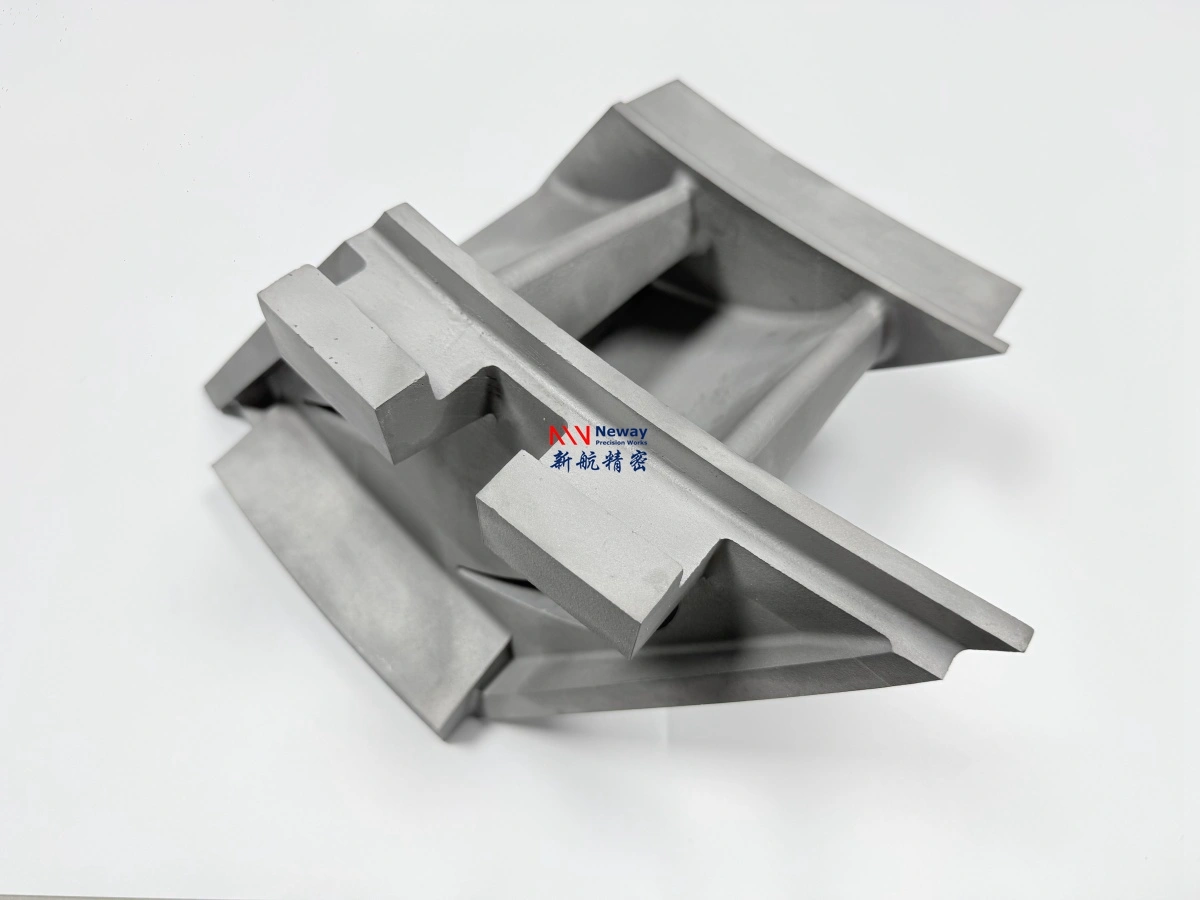
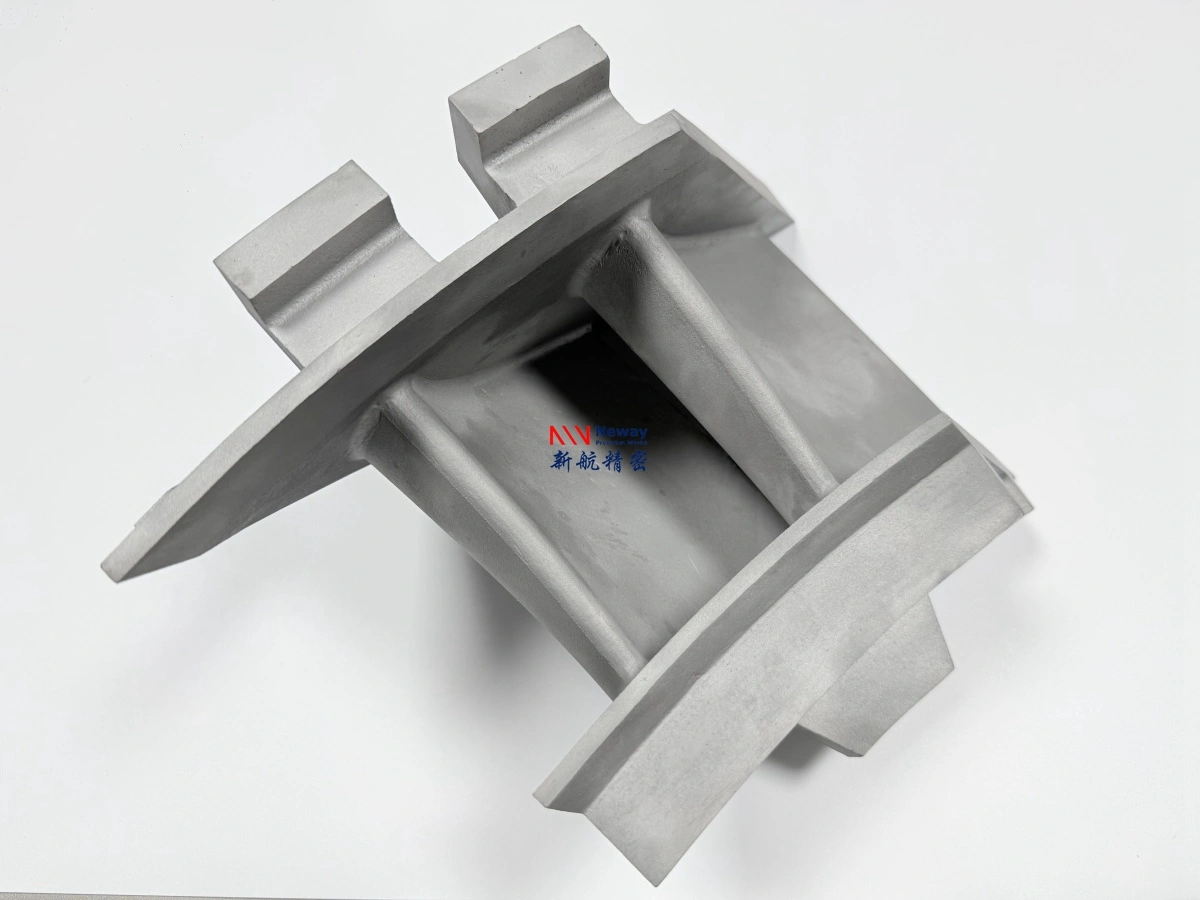
Superalloy 3D printing is mainly different in four areas: service temperature, alloy behavior, manufacturing risk, and post-processing control. Stainless steel is often selected for general corrosion resistance and functional metal parts. Titanium is often selected for lightweight, high strength-to-weight ratio, and biocompatibility. Superalloys are selected when parts must work in higher-temperature, more aggressive, or more demanding environments.
Comparison Item | Superalloy 3D Printing | Stainless Steel 3D Printing | Titanium 3D Printing |
|---|---|---|---|
Main selection reason | High-temperature strength, oxidation resistance, hot gas service, thermal cycling | Corrosion resistance, mechanical strength, cost-effective functional metal parts | Lightweight strength, fatigue performance, aerospace and medical applications |
Typical application | Turbine parts, combustors, nozzles, hot-section prototypes, heat-resistant fixtures | Housings, brackets, manifolds, tools, fixtures, corrosion-resistant parts | Lightweight brackets, medical implants, aerospace structures, performance components |
Printing difficulty | Often higher because of crack sensitivity, thermal stress, and heat treatment complexity | Generally more mature and easier for many standard applications | Requires strict oxygen control and support planning, but process routes are mature for common alloys |
Post-processing demand | High; often needs stress relief, heat treatment, HIP evaluation, machining, and inspection | Moderate; may need stress relief, machining, polishing, passivation, or surface finishing | Moderate to high; may need stress relief, HIP, machining, polishing, or anodizing |
2. How Do the Material Families Differ?
The broader Superalloy, Stainless Steel, and Titanium Alloy families are designed for different engineering priorities. The material family affects not only the printed part performance, but also the process window, heat treatment route, machining difficulty, and quality-control plan.
Material Family | Typical Strength | Typical Limitation | Best-Fit Use |
|---|---|---|---|
Superalloys | High-temperature strength, oxidation resistance, hot corrosion resistance, thermal stability | Higher cost, harder machining, stricter process control, possible cracking risk | Hot-section, combustion, turbine, nozzle, and high-temperature test parts |
Stainless steels | Good corrosion resistance, general mechanical performance, broad industrial usability | Limited high-temperature strength compared with superalloys | General industrial parts, corrosion-resistant structures, brackets, housings, manifolds |
Titanium alloys | High strength-to-weight ratio, fatigue resistance, corrosion resistance, biocompatibility | Requires oxygen control and may not match superalloys in hot gas or extreme-temperature service | Aerospace lightweight parts, medical implants, motorsport components, performance structures |
3. Why Are Superalloys More Demanding to Print?
Superalloys are more demanding to print because many of them are designed to maintain strength at elevated temperatures. The same alloy chemistry that improves hot-section performance can also increase sensitivity to thermal stress, solidification cracking, microstructural control, and heat treatment response during additive manufacturing.
For example, Inconel 718 high-temperature 3D printed parts are widely used because Inconel 718 offers a strong balance of printability and high-temperature mechanical performance. In contrast, more crack-sensitive alloys require deeper feasibility review. This is why engineers often ask whether Can Inconel 713C be 3D printed without cracking before choosing it for turbine or nozzle prototypes.
Superalloy Printing Challenge | Why It Matters | Typical Control |
|---|---|---|
Cracking risk | Some superalloys are sensitive to rapid melting, cooling, and residual stress. | Material selection, parameter control, build orientation, fillets, and heat treatment planning |
Residual stress | Thermal gradients can distort parts or increase crack risk after printing. | Stress relief, support strategy, thermal management, and controlled support removal |
Microstructure control | High-temperature performance depends heavily on microstructure and heat treatment response. | Heat treatment route, HIP evaluation, metallurgical review, and process documentation |
Machining difficulty | Superalloys are harder to machine than many stainless steels and require suitable tooling. | Machining allowance, datum planning, EDM, CNC process control, and inspection |
Inspection demand | Hot-section parts may require proof of internal and surface quality. | FPI, X-ray, CT, CMM, 3D scanning, FAI, and material documentation |
4. How Are DMLS and SLM Used for These Materials?
Superalloy, stainless steel, and titanium parts are commonly produced using metal powder bed fusion technologies. The process principle is similar, but the process window, atmosphere control, support design, heat input, and post-processing strategy vary by material.
Direct Metal Laser Sintering and Selective Laser Melting both use laser-based powder bed fusion principles to build metal parts layer by layer. For superalloys, however, the same process must be controlled more carefully because of thermal stress, crack sensitivity, and high-temperature property requirements.
Process Control Item | Superalloys | Stainless Steels | Titanium Alloys |
|---|---|---|---|
Atmosphere control | Important for oxidation-sensitive printing and high-quality melt control | Important but often less demanding than titanium for oxygen pickup | Very important because titanium is highly reactive at elevated temperature |
Heat input control | Critical for cracking, density, microstructure, and residual stress | Important for density, surface condition, and distortion control | Important for density, oxygen control, distortion, and fatigue performance |
Support strategy | Used for distortion control and heat dissipation in high-stress regions | Used for overhang support and general distortion control | Used for distortion control, thermal management, and part stability |
Build orientation | Strongly affects cracking, support removal, and post-machining feasibility | Affects support removal, surface quality, and tolerance control | Affects support removal, fatigue performance, and surface finishing |
5. How Do Post-Processing Requirements Differ?
Post-processing is important for all metal 3D printed parts, but superalloys usually need more application-specific control because they are often used in high-temperature, fatigue-sensitive, or hot-gas environments. Stainless steel post-processing often focuses on machining, passivation, polishing, and corrosion performance. Titanium post-processing often focuses on stress relief, HIP, machining, surface finishing, and fatigue performance. Superalloy post-processing may require a more detailed route covering heat treatment, HIP evaluation, machining, EDM, surface finishing, and inspection.
Post-Processing Item | Superalloy Parts | Stainless Steel Parts | Titanium Parts |
|---|---|---|---|
Stress relief | Often needed to reduce residual stress and crack risk | Used for dimensional stability and stress reduction | Commonly used to improve stability before final finishing |
Heat treatment | Critical for mechanical properties, thermal stability, and high-temperature behavior | Depends on stainless grade and performance requirement | Depends on titanium alloy and customer specification |
HIP | Considered for high-value, fatigue-sensitive, or hot-section components | Used when internal quality or fatigue performance is critical | Common for aerospace, medical, or fatigue-sensitive titanium parts |
CNC machining | Often required for flanges, sealing faces, holes, slots, and datum surfaces | Common for functional dimensions and mating surfaces | Common for precision interfaces and assembly features |
Surface finishing | May support roughness control, coating preparation, oxidation behavior, or gas-path performance | May include polishing, blasting, passivation, or electropolishing | May include polishing, blasting, anodizing, or implant-grade finishing where required |
Inspection | Often includes FPI, CT, X-ray, CMM, 3D scanning, or FAI for critical parts | Usually based on dimensional and surface requirements | Often includes dimensional, surface, and internal quality inspection for critical applications |
6. When Should You Choose Superalloy Instead of Stainless Steel or Titanium?
Choose a superalloy when the part must survive high-temperature exposure, hot gas, combustion, oxidation, creep-related loading, or aggressive thermal cycling. Stainless steel may be a better option for general corrosion-resistant parts where temperature is moderate. Titanium may be better when lightweight performance is more important than hot-gas strength.
Choose This Material Family | When the Main Requirement Is | Example Part Direction |
|---|---|---|
Superalloy | High-temperature strength, oxidation resistance, thermal cycling, hot gas exposure | Turbine nozzles, combustor parts, heat shields, hot-section brackets, thermal test fixtures |
Stainless steel | Corrosion resistance, functional metal strength, lower-cost industrial use | Manifolds, housings, brackets, tools, fixtures, food or medical hardware |
Titanium alloy | Lightweight strength, fatigue resistance, corrosion resistance, biocompatibility | Aerospace brackets, medical implants, lightweight structures, motorsport components |
7. What RFQ Data Helps Compare These Materials?
To compare superalloy, stainless steel, and titanium 3D printing accurately, customers should provide both geometry data and service-condition data. The same CAD model may require different material recommendations depending on temperature, load, environment, weight target, and inspection requirements.
RFQ Data | Why It Helps Material Selection |
|---|---|
3D CAD file | Used to review geometry, support strategy, wall thickness, powder removal, and manufacturability. |
2D drawing | Defines tolerances, datums, holes, threads, surface finish, and inspection requirements. |
Operating temperature | Determines whether stainless steel, titanium, or a superalloy is suitable. |
Service environment | Identifies corrosion, oxidation, combustion gas, chemical exposure, marine exposure, or vacuum conditions. |
Load condition | Helps evaluate strength, fatigue, creep, wear, or structural safety requirements. |
Weight requirement | Helps determine whether titanium provides a better strength-to-weight benefit. |
Post-processing needs | Determines heat treatment, HIP, CNC machining, polishing, passivation, anodizing, or coating needs. |
Inspection standard | Defines whether CT, X-ray, FPI, CMM, 3D scanning, FAI, or material documentation is needed. |
8. Summary
Superalloy 3D printing differs from stainless steel and titanium 3D printing because it is usually used for higher-temperature, more demanding service conditions. Superalloys are preferred for hot-section, combustion, turbine, nozzle, oxidation-resistant, and thermal cycling applications. Stainless steel is often more practical for general corrosion-resistant industrial parts, while titanium is selected when lightweight strength and fatigue performance are the main priorities.
Because superalloys can involve higher crack sensitivity, harder machining, stricter heat treatment, HIP evaluation, and more demanding inspection, customers should provide complete technical data before quotation. The best material choice should be based on CAD files, drawings, operating temperature, load, environment, weight target, post-processing, and inspection requirements.
.webp)