Superalloys
Superalloy 3D Printing Materials Introduction
Superalloys are a family of nickel, cobalt, and iron-based alloys engineered to maintain exceptional mechanical strength, creep resistance, and oxidation stability at temperatures exceeding 700°C. Their unique microstructure and precipitation-hardening capabilities make them indispensable for additive manufacturing in extreme environments.
Through advanced superalloy 3D printing, materials such as Inconel 718, Inconel 625, Hastelloy X, Hastelloy C-276, Haynes 188, Haynes 230, Inconel 713C, and 4J36 (Invar 36) are used to produce complex components for jet engines, gas turbines, nuclear reactors, and precision instruments. These alloys deliver superior fatigue resistance, thermal stability, corrosion protection, and in the case of Invar 36, extremely low thermal expansion, enabling lightweight designs and reduced lead times compared to traditional casting or forging.
Superalloy Grades Table
Category | Grade | Key Characteristics |
|---|---|---|
Nickel-based | High strength up to 700°C, excellent fatigue and creep resistance, age-hardenable | |
Nickel-based | Outstanding corrosion resistance, excellent weldability, good strength | |
Nickel-based | Cast nickel-base superalloy with high creep-rupture strength at 870–980°C, ideal for turbine blades and vanes | |
Nickel-based | Excellent oxidation resistance and fabricability at high temperatures up to 1200°C | |
Nickel-based | Superb resistance to pitting, stress-corrosion cracking, and oxidizing/reducing environments | |
Nickel-based | Superior thermal stability, exceptional resistance to grain coarsening, and oxidation resistance | |
Cobalt-based | Excellent high-temperature strength and oxidation resistance up to 1095°C | |
Iron-nickel (Low expansion) | Low coefficient of thermal expansion (≈1.2×10⁻⁶/K), ideal for precision instruments, composite tooling, and cryogenic applications |
Superalloy Comprehensive Properties Table
Category
Property
Value Range
Physical Properties
Density
7.8–9.2 g/cm³ (Invar 36 ~8.05 g/cm³)
Melting Point
1260–1400°C (Invar 36 ~1425°C)
Thermal Conductivity
8–15 W/(m·K) at 20°C
Mechanical Properties
Tensile Strength
800–1500 MPa (Invar 36 ~450–550 MPa)
Yield Strength (0.2%)
400–1200 MPa (Invar 36 ~250–350 MPa)
Elongation at Break
10–40%
Hardness (HRC)
25–45
High-Temperature Performance
Max Service Temperature
700–1100°C (Invar 36 ≤260°C for low expansion)
Creep Resistance
Excellent
Corrosion Resistance
Oxidation Resistance
Excellent to Superior (except Invar 36 moderate)
3D Printing Technology of Superalloys
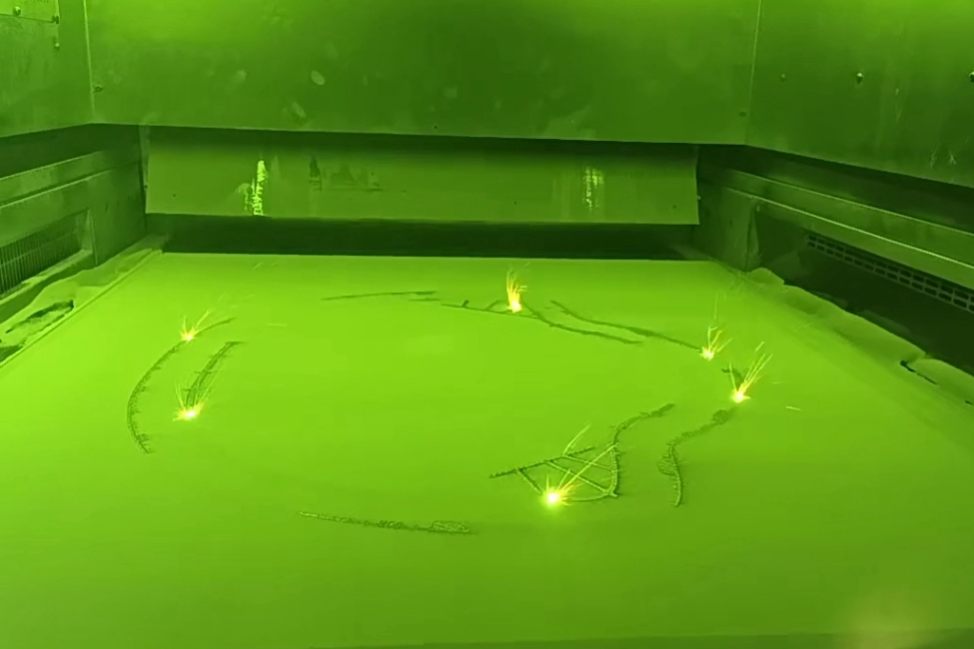
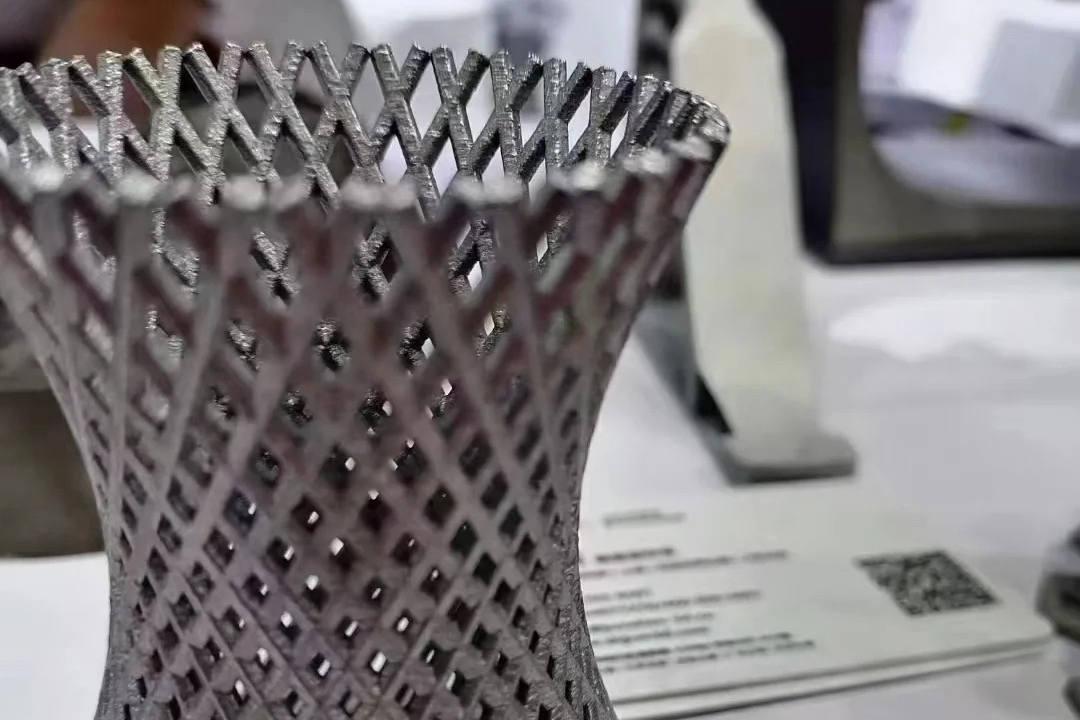
Superalloys are primarily processed using powder-bed fusion and directed energy deposition technologies. Selective Laser Melting (SLM), Direct Metal Laser Sintering (DMLS), and Electron Beam Melting (EBM) are the most common methods, each offering distinct advantages for different superalloy compositions and application requirements. These techniques enable near-net shape fabrication of complex cooling channels, lattice structures, and thin-walled features that are impossible to achieve with conventional casting or machining.
Applicable Process Table
Technology | Precision | Surface Quality | Mechanical Properties | Application Suitability |
|---|---|---|---|---|
SLM | ±0.05–0.2 mm | Ra 3.2–6.4 | Excellent | Aerospace blades, heat exchangers, Inconel 718/625 |
DMLS | ±0.05–0.2 mm | Ra 3.2 | Excellent | Complex manifolds, turbine components, Hastelloy X |
EBM | ±0.1–0.3 mm | Ra 3.2–6.4 | Very Good | Large impellers, structural parts, Inconel 713C |
Superalloy 3D Printing Process Selection Principles
When intricate detail and superior surface finish are required, Selective Laser Melting (SLM) is recommended. It provides precise control over melting and solidification, delivering high-density parts with excellent mechanical properties for critical rotating components such as Inconel 718 turbine blades.
Direct Metal Laser Sintering (DMLS) is ideal for complex thin-wall structures and parts requiring fine feature resolution, such as Hastelloy X combustion chambers or Inconel 625 manifolds. Its powder-bed nature allows for efficient material usage and minimal post-processing.
For large-scale superalloy parts with thicker cross-sections, Electron Beam Melting (EBM) offers faster build rates and reduced residual stress due to its high-temperature build environment, making it suitable for aerospace structural components, Inconel 713C turbine wheels, and energy turbine parts.
For low thermal expansion applications requiring dimensional stability over temperature ranges, 4J36 (Invar 36) can be processed via SLM or DMLS to produce composite tooling, optical mounts, and cryogenic components.
Superalloy 3D Printing Key Challenges and Solutions
Residual stress and cracking are major challenges in superalloy additive manufacturing, especially for age-hardenable alloys like Inconel 718, Inconel 713C, and Rene 41. Optimized scanning strategies, preheating the build plate to 200–300°C, and post-process heat treatment (solution annealing and aging) effectively relieve residual stresses and restore ductility.
Porosity and lack-of-fusion defects can compromise fatigue life. Applying Hot Isostatic Pressing (HIP) at pressures of 100–150 MPa and temperatures of 1120–1200°C closes internal pores, achieving near-100% density and significantly improving mechanical reliability, especially for Inconel 718 and Hastelloy X.
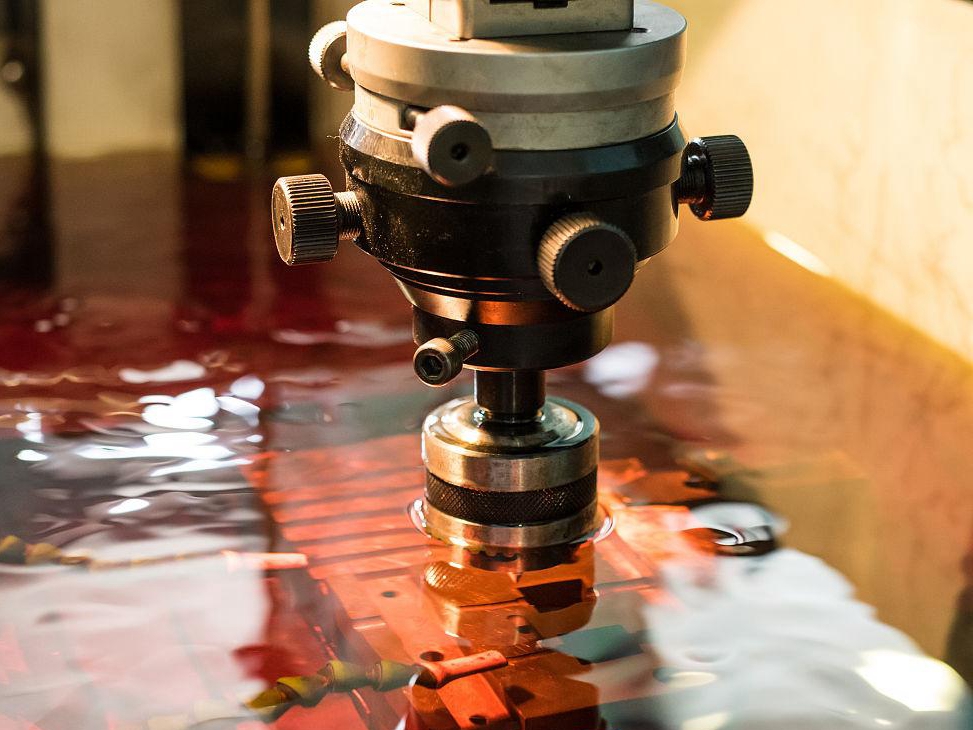
Surface roughness of as-printed superalloy parts typically ranges from Ra 6–15 µm, which may not meet stringent aerospace standards. Precision CNC machining and surface treatment processes such as electropolishing or micro-machining can achieve finishes as low as Ra 0.4–1.6 µm.
Oxidation and hot corrosion can degrade performance in extreme environments. Applying Thermal Barrier Coatings (TBC) or aluminide diffusion coatings significantly enhances oxidation resistance and extends component lifespan for Haynes 230 and Inconel 713C parts.
For Invar 36, maintaining precise composition and avoiding contamination is critical to preserve the low expansion coefficient. Controlled-atmosphere printing and post-process stress-relief annealing at 800–850°C ensure dimensional stability.
Industry Application Scenarios and Cases
Aerospace and Aviation: Turbine blades (Inconel 718, Inconel 713C), combustion chambers (Hastelloy X), nozzle guide vanes (Haynes 230), casings, and low-expansion tooling (Invar 36).
Energy and Power: Gas turbine components, nuclear reactor parts, heat exchangers (Inconel 625, Hastelloy C-276), and high-temperature valves.
Automotive: High-performance turbocharger wheels (Inconel 713C), exhaust components (Inconel 625), and motorsport parts.
Manufacturing and Tooling: Composite layup molds and cryogenic tooling from Invar 36 for aerospace composites.
In a recent case study, a leading aerospace manufacturer adopted SLM-printed Inconel 718 turbine blades, achieving a 35% weight reduction and 25% shorter lead time compared to investment casting, while maintaining equivalent fatigue performance after HIP and heat treatment.
Another example includes the use of Invar 36 3D printing for composite tooling, where the near-zero thermal expansion eliminated part distortion during autoclave curing, reducing scrap rates by 40%.
FAQs
Which superalloy grade offers the highest temperature resistance for 3D printing?
How does heat treatment affect the mechanical properties of printed Inconel 718 vs. Inconel 625?
What post-processing are required to achieve aerospace-grade surface on superalloy components?
Can 3D printed superalloys match the strength of forged superalloys?
What is the advantage of using Invar 36 (4J36) in additive manufacturing for composite tooling?
Is Inconel 713C suitable for laser-based powder bed fusion or only for EBM?
Explore Related Blogs