4J36 (Invar 36)
4J36 (Invar 36) 3D Printing Materials Introduction
4J36 (Invar 36) is a nickel-iron low-expansion alloy widely used in applications where dimensional stability under temperature fluctuation is critical. Its defining characteristic is its extremely low coefficient of thermal expansion near room temperature, making it highly suitable for precision assemblies, optical structures, molds, electronic equipment, and measuring instruments.
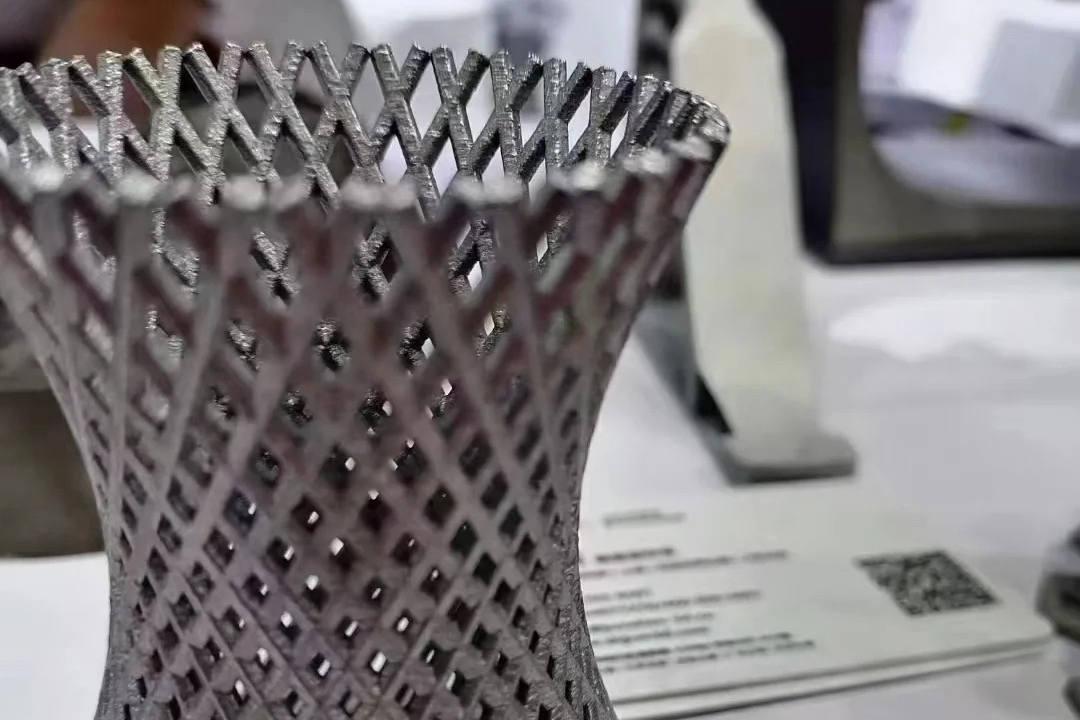
Through advanced 3D printing service, 4J36 can be manufactured into complex geometries that are difficult or costly to achieve by conventional machining alone. This makes the alloy especially valuable for custom fixtures, aerospace structural supports, metrology components, and thermal-matching assemblies where both geometric freedom and dimensional control are required.
4J36 (Invar 36) Similar Grades Table
The table below lists common equivalent grades and designations of 4J36 (Invar 36) in various standards:
Country/Region | Standard | Grade Name or Designation |
|---|---|---|
China | GB / YB | 4J36 |
USA | ASTM / UNS | K93600 |
USA | Trade Name | Invar 36 |
Germany | DIN / W.Nr. | 1.3912 |
Japan | JIS | Invar |
International | Material Family | Fe-Ni low expansion alloy |
4J36 (Invar 36) Comprehensive Properties Table
Category | Property | Value |
|---|---|---|
Physical Properties | Density | 8.05 g/cm³ |
Melting Range | 1425–1450°C | |
Thermal Conductivity | Approximately 10–14 W/(m·K) at room temperature | |
Specific Heat Capacity | Approximately 500 J/(kg·K) | |
Thermal Expansion | Approximately 1.2–1.5 µm/(m·K) at 20–100°C | |
Chemical Composition (%) | Nickel (Ni) | 35.0–37.0 |
Iron (Fe) | Balance | |
Carbon (C) | ≤0.05 | |
Manganese (Mn) | ≤0.60 | |
Silicon (Si) | ≤0.30 | |
Phosphorus (P) | ≤0.02 | |
Sulfur (S) | ≤0.02 | |
Mechanical Properties | Tensile Strength | Approximately 450–650 MPa |
Yield Strength (0.2%) | Approximately 240–380 MPa | |
Elongation at Break | Approximately 25–40% | |
Modulus of Elasticity | Approximately 141 GPa | |
Hardness | Approximately 120–180 HB |
3D Printing Technology of 4J36 (Invar 36)
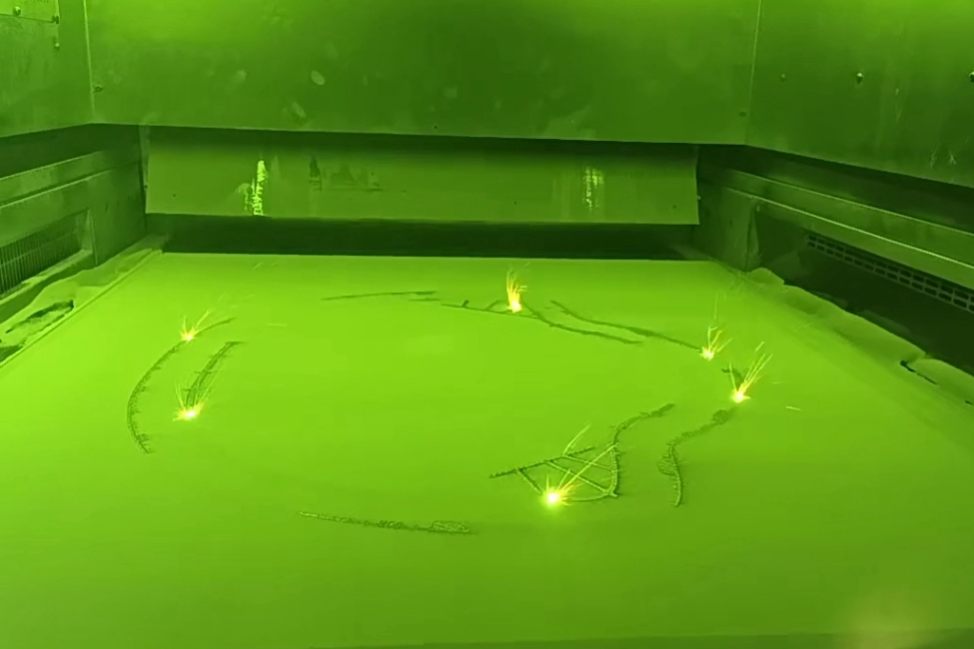
Commonly applied technologies for producing 4J36 (Invar 36) parts include powder-based metal additive manufacturing methods such as Selective Laser Melting (SLM) and Direct Metal Laser Sintering (DMLS). These technologies support the fabrication of dimensionally stable, near-net-shape components with complex contours, internal channels, and lightweight structural features while minimizing material waste.
Applicable Process Table
Technology | Precision | Surface Quality | Mechanical Properties | Application Suitability |
|---|---|---|---|---|
SLM | ±0.05–0.2 mm | Ra 3.2–6.4 | Very Good | Precision frames, thermal-stability structures, custom tooling |
DMLS | ±0.05–0.2 mm | Ra 3.2 | Very Good | Instrument parts, low-expansion fixtures, prototype precision components |
Binder Jetting | ±0.1–0.3 mm | Ra 6.3–12.5 | Good | Larger or less intricate components requiring efficient production |
4J36 (Invar 36) 3D Printing Process Selection Principles
When dimensional precision and low thermal expansion performance are the highest priorities, Selective Laser Melting (SLM) is generally recommended. It enables dense builds, fine geometry resolution, and strong dimensional control for precision assemblies and thermally stable structures.
Direct Metal Laser Sintering (DMLS) is well suited for intricate Invar 36 parts that require repeatable quality, reduced material waste, and near-net-shape geometry. It is especially useful for tooling inserts, metrology parts, and low-volume customized assemblies.
For parts where throughput and cost efficiency matter more than the finest dimensional precision, Binder Jetting can be considered, particularly when secondary finishing and densification processes are acceptable within the final manufacturing route.
4J36 (Invar 36) 3D Printing Key Challenges and Solutions
One key challenge in printing 4J36 is maintaining its low-expansion behavior after the additive manufacturing process. Thermal history, residual stress, and microstructural variation can influence final dimensional stability, so optimized parameter development and controlled thermal cycles are important.
Residual stress and part deformation may occur during build and cooling. Applying suitable scan strategies and subsequent heat treatment helps relieve internal stress and improve stability for precision parts.
Internal porosity can reduce consistency in dimensional and structural performance. When higher density is required, Hot Isostatic Pressing (HIP) may be used to reduce voids and improve overall integrity.
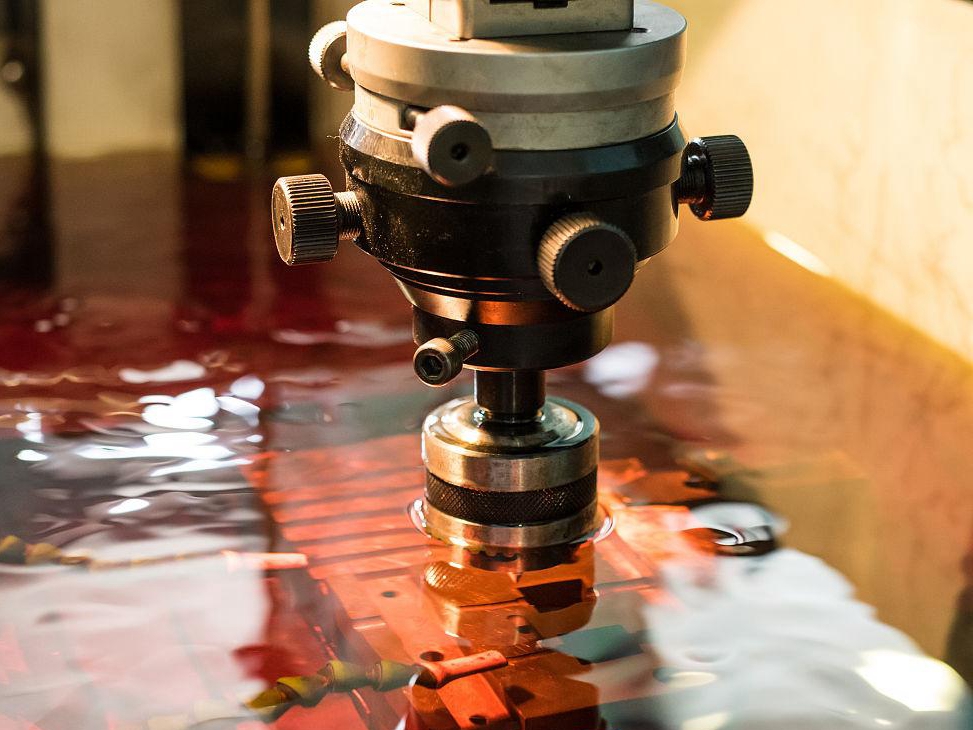
As-printed surface roughness may not meet final assembly or measurement requirements. Post-processing through precision CNC machining and suitable surface treatment processes can improve fit, finish, and functional accuracy.
Industry Application Scenarios and Cases
4J36 (Invar 36) is widely used in applications where thermal expansion control and dimensional precision are critical:
Aerospace and Aviation: Precision support frames, instrument housings, and thermal-matching structures for sensitive assemblies.
Consumer Electronics: Low-expansion structural parts and fixtures for dimensionally sensitive electronic systems.
Manufacturing and Tooling: Precision molds, measuring fixtures, and tooling components requiring stable geometry under temperature variation.
Education and Research: Optical, metrology, and scientific instrument components where thermal drift must be minimized.
In practical production, additively manufactured Invar 36 parts can reduce machining complexity and shorten development cycles for customized low-expansion components while preserving the alloy’s core benefit of outstanding dimensional stability.
Explore Related Blogs