
Is Inconel 713C suitable for laser-based powder bed fusion or only for EBM?
Is Inconel 713C suitable for laser-based powder bed fusion or only for EBM?
Inconel 713C is suitable for both laser-based powder bed fusion (DMLS/SLM) and Electron Beam Melting (EBM). While this precipitation-hardened nickel-based superalloy was originally developed for investment casting, it has been adapted for various superalloy 3D printing processes.
However, the choice between laser and electron beam technologies is not arbitrary. It depends heavily on the part geometry and the need to manage residual stress. Inconel 713C has a high susceptibility to cracking, so the process environment is critical.
1. Processing Inconel 713C with DMLS/SLM (Laser)
Using laser-based systems for Inconel 713C is possible but requires strict process control due to the material's composition.
The Challenge: Inconel 713C contains high levels of Aluminum and Titanium (forming the Gamma prime phase). This makes it significantly more prone to cracking during solidification than alloys like Inconel 718, especially under the rapid cooling cycles of a laser.
Process Requirements: To use DMLS or SLM, it is critical to use preheated build platforms and optimized scan strategies to minimize thermal gradients.
Post-Processing: For fatigue-limited rotating parts (such as small turbine blades), Hot Isostatic Pressing (HIP) is almost mandatory to heal internal micro-cracks and ensure structural integrity.
2. Processing Inconel 713C with EBM (Electron Beam)
EBM is often the preferred method for specific Inconel 713C applications, particularly large static components.
Stress Reduction: The EBM process operates at high vacuum and high preheat temperatures. This environment significantly reduces residual stress and the risk of cracking during the build phase.
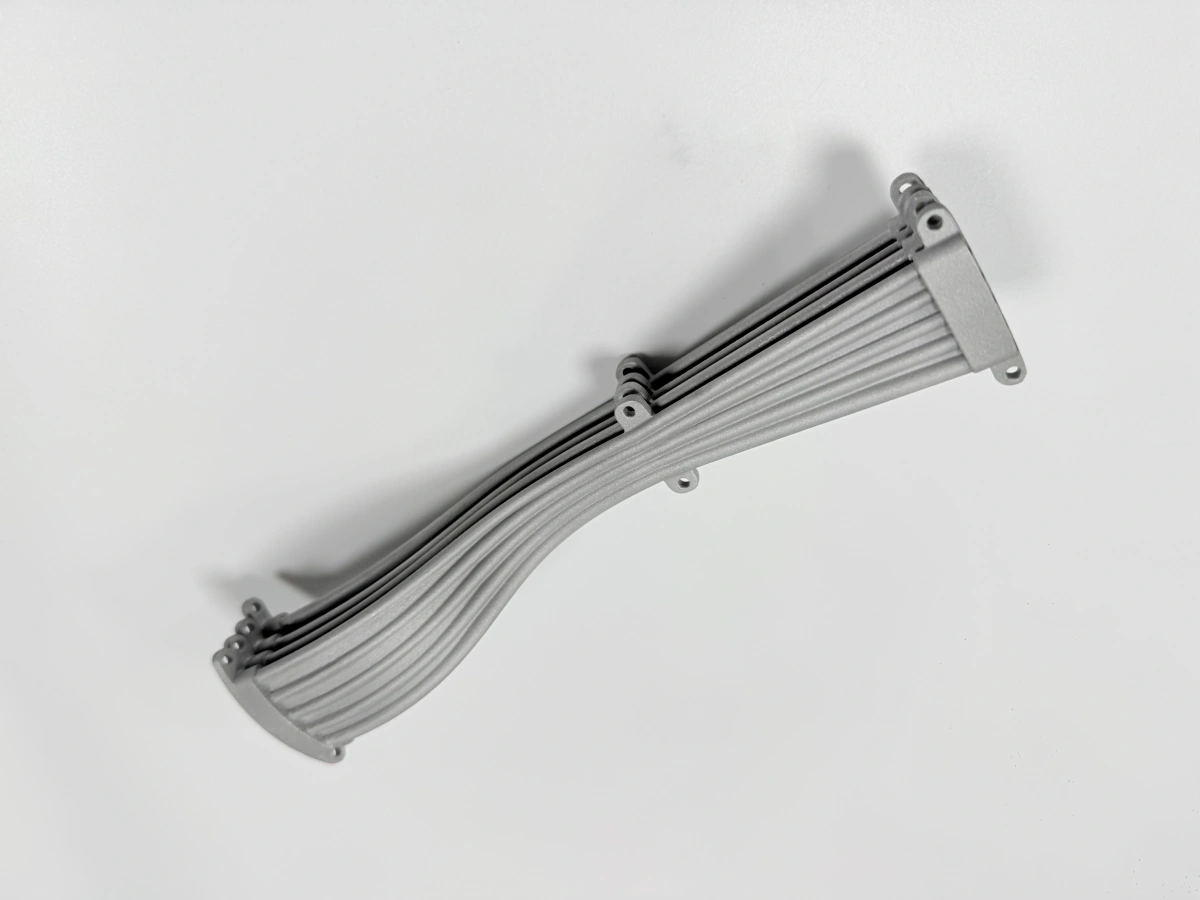
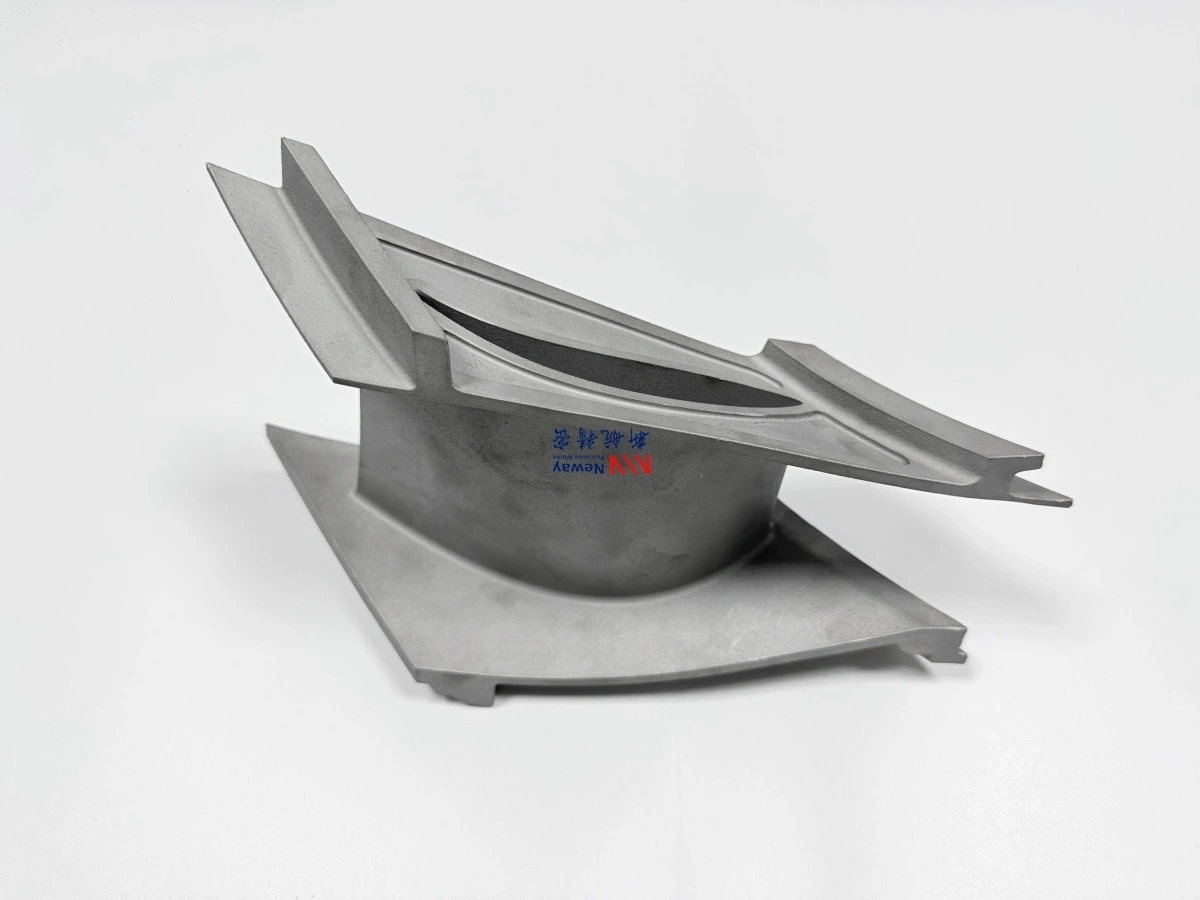
Best Suited For: EBM is frequently favored for large static components such as turbine vanes and shrouds. The high-temperature build chamber naturally accommodates the material's thermal requirements without the need for external preheating systems found in some laser machines.
3. Comparison Table: Laser vs. EBM for Inconel 713C
Factor | Laser (DMLS/SLM) | EBM |
|---|---|---|
Cracking Risk | High (requires mitigation) | Low (inherent process stability) |
Build Environment | Argon/Nitrogen atmosphere | High vacuum |
Typical Use Case | Complex, high-detail parts requiring post-HIP | Large static structures (vanes, shrouds) |
4. Mandatory Post-Processing for All Methods
Regardless of whether you use a laser or electron beam process, Inconel 713C requires rigorous post-processing to achieve its full mechanical properties.
Heat Treatment: A standard solution treatment followed by a two-step aging heat treatment (typically 1120°C + 845°C + 760°C) is required to develop the full precipitation-hardened structure. This applies to parts made via powder bed fusion regardless of the energy source.
Surface Finishing: Due to the nature of powder bed fusion, surfaces may require improvement. Sandblasting or electropolishing are common. Critical airfoils often require CNC machining
.webp)