Why Choose Haynes 188 for 3D Printed Combustion and Hot-Gas Path Components?
Why Choose Haynes 188 for 3D Printed Combustion and Hot-Gas Path Components?
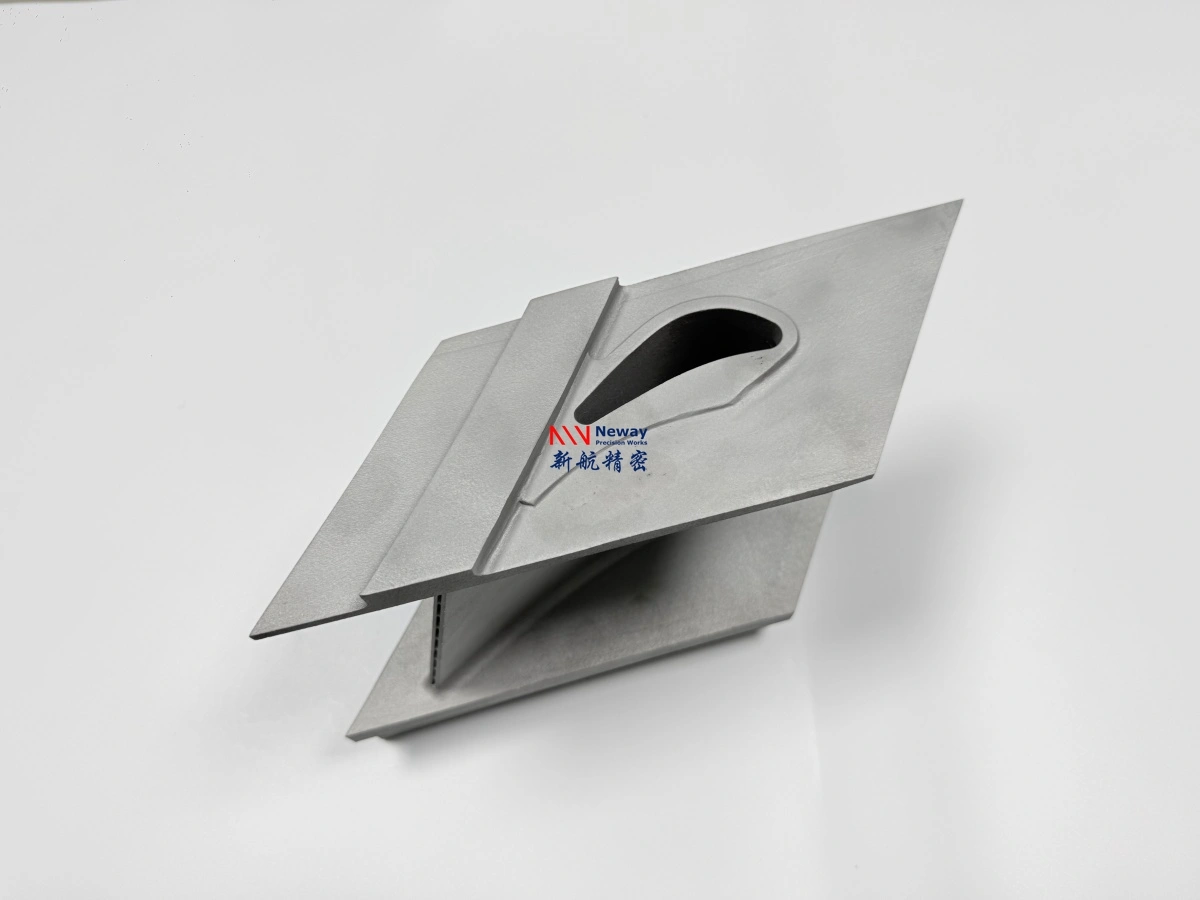
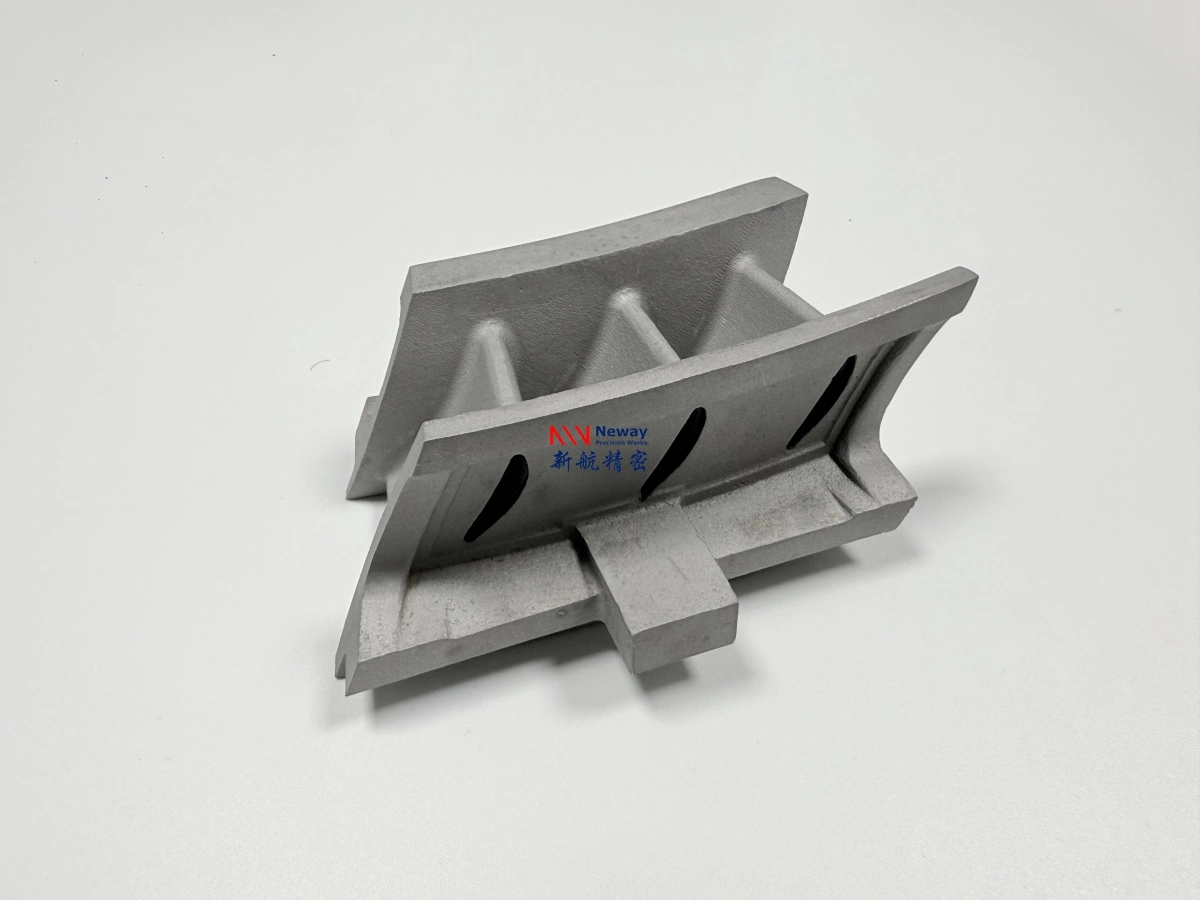
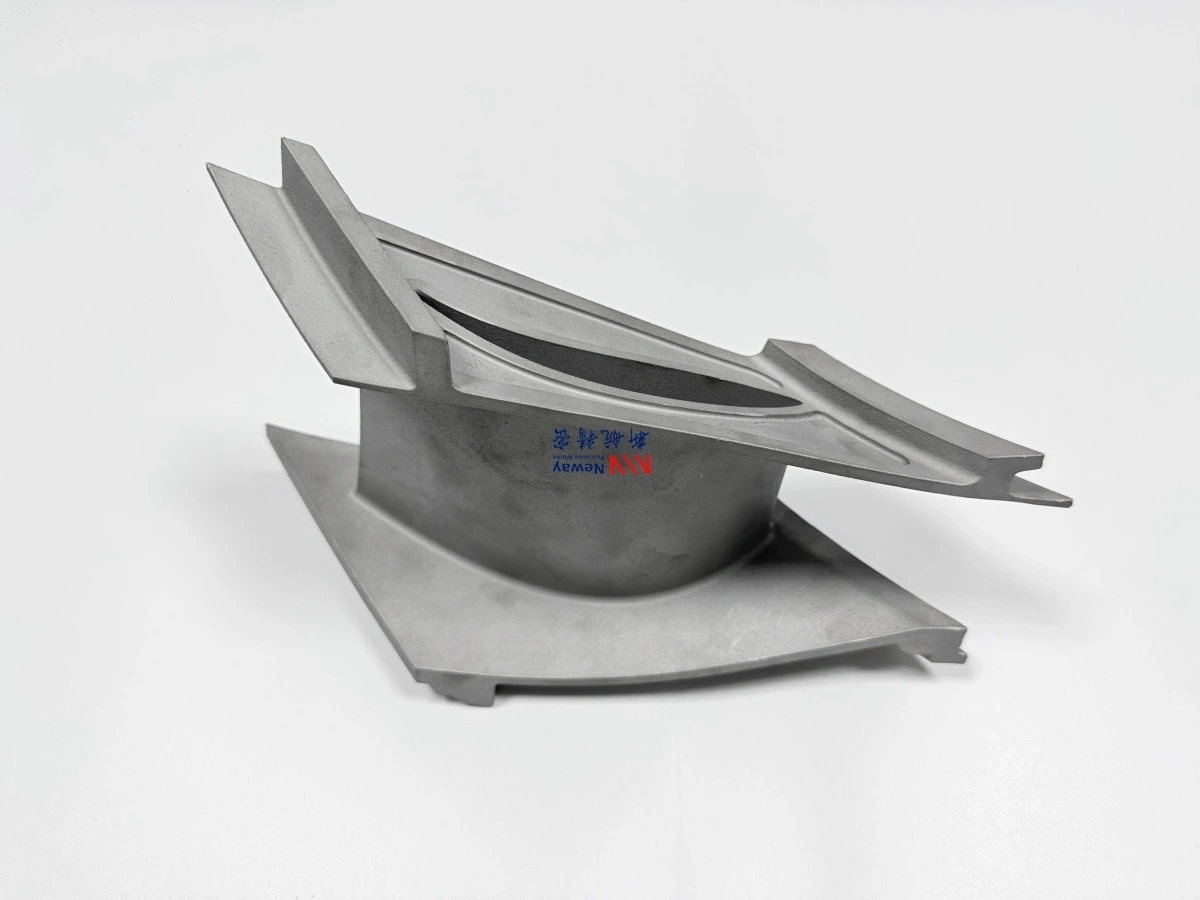
Haynes 188 3D printing is used for combustion and hot-gas path components that must survive high-temperature oxidation, thermal shock, thermal cycling, and corrosive gas exposure. For parts such as combustion liners, nozzles, guide vanes, heat shields, flame tubes, hot-end brackets, and high-temperature fixtures, ordinary stainless steel, aluminum, or titanium alloys are often not suitable for the service environment.
At Neway3DP, our Haynes 188 3D printing service supports custom cobalt superalloy components for combustion, aerospace, gas turbine, and energy applications. We can combine powder bed fusion printing with heat treatment, CNC machining, EDM, surface treatment, inspection, and one-stop delivery for high-value hot-section parts.
For engineering customers evaluating a Haynes 188 3D printing quote, the key is not only the material name. The supplier must understand hot-gas exposure, working temperature, thermal cycling, wall thickness, support removal, powder cleaning, post-processing, machining allowance, and inspection requirements before confirming the manufacturing route.
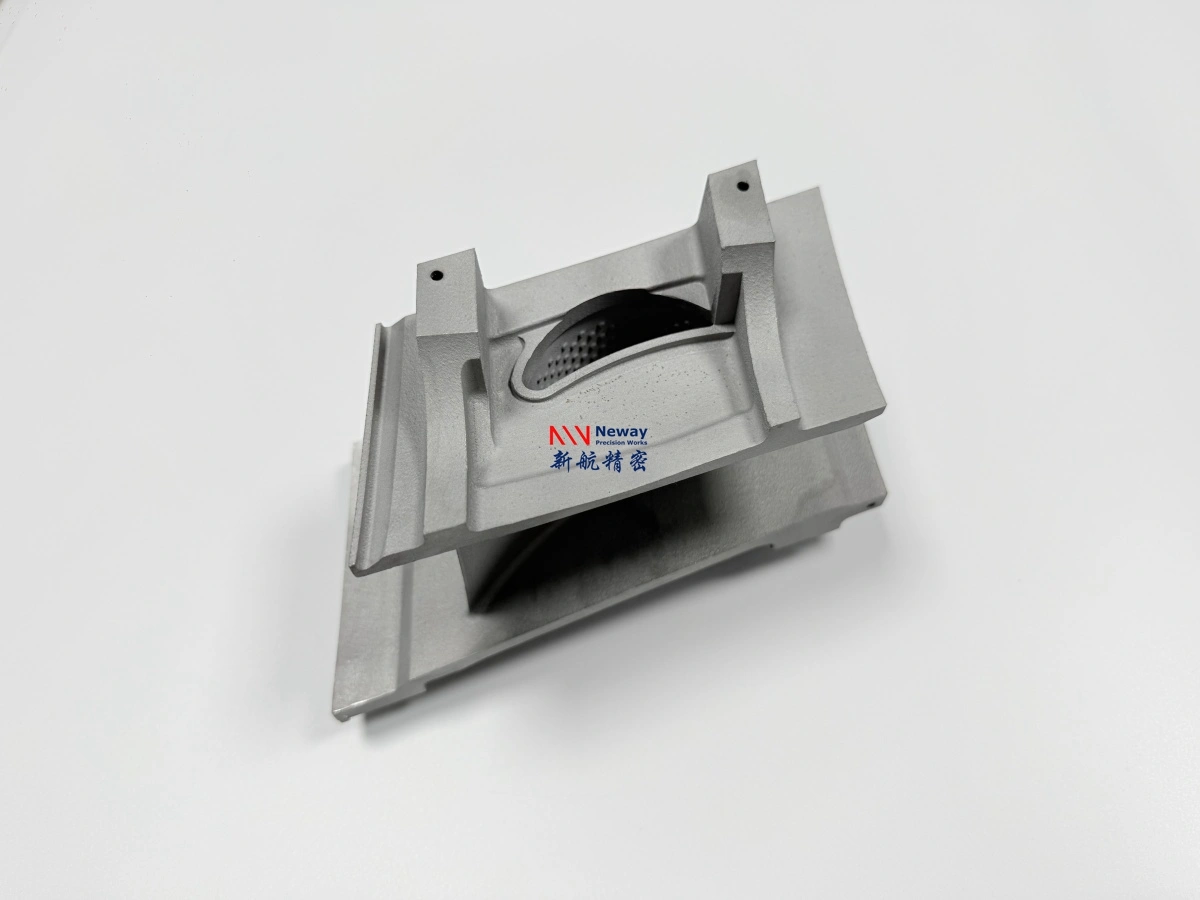
Why Combustion Parts Need Special Superalloys
Combustion chamber and hot-gas path components work in some of the most demanding thermal environments. These parts may experience high-temperature oxidation, rapid heating and cooling, thermal shock, gas corrosion, vibration, pressure, and localized stress. A material that performs well at room temperature may fail quickly in this type of service condition.
Special superalloys are selected because they can maintain useful performance under heat, oxidation, and thermal cycling. For combustion-related parts, material selection must consider not only strength, but also oxidation resistance, hot-gas corrosion resistance, thermal fatigue behavior, manufacturability, and post-processing control.
Combustion Environment Challenge | Why It Matters | Typical Part Risk |
|---|---|---|
High-temperature oxidation | Hot gas can attack the material surface during service | Scaling, surface degradation, reduced service life |
Thermal shock | Rapid temperature changes can create high local stress | Cracking, distortion, early failure |
Thermal cycling | Repeated heating and cooling can cause fatigue damage | Thermal fatigue cracks and dimensional movement |
Gas corrosion | Combustion products may create aggressive service conditions | Surface attack, material loss, reduced reliability |
Thin-wall hot-section geometry | Lightweight hot-end parts can be sensitive to stress and deformation | Warping, support damage, tolerance loss |
What Makes Haynes 188 Different?
Haynes 188, also known as GH5188 in some Chinese material references, is a cobalt-based high-temperature superalloy. It is selected for hot-section applications where oxidation resistance, thermal stability, and hot-gas performance are important. Compared with many general nickel alloys, Haynes 188 is often considered for more severe combustion and hot-gas path environments.
For 3D printed cobalt superalloy hot-section parts, Haynes 188 is valuable when the component must handle high temperature, repeated thermal cycles, and complex geometry. It is not usually chosen for ordinary appearance prototypes or low-temperature parts. It is better suited to high-value combustion hardware, aerospace hot-end development parts, gas turbine components, and energy equipment structures.
Haynes 188 Feature | Engineering Value | Typical Application Fit |
|---|---|---|
Cobalt-based superalloy | Designed for demanding high-temperature environments | Combustion and hot-gas path components |
High-temperature oxidation resistance | Supports parts exposed to hot gas and oxidizing conditions | Combustion liners, nozzles, heat shields |
Thermal cycling suitability | Useful where parts face repeated heating and cooling | Flame tubes, thermal shields, hot-end housings |
Powder bed fusion compatibility | Allows complex thin-wall and internal-channel geometry | Complex combustion structures and prototype hot-section parts |
Suitable 3D Printed Haynes 188 Parts
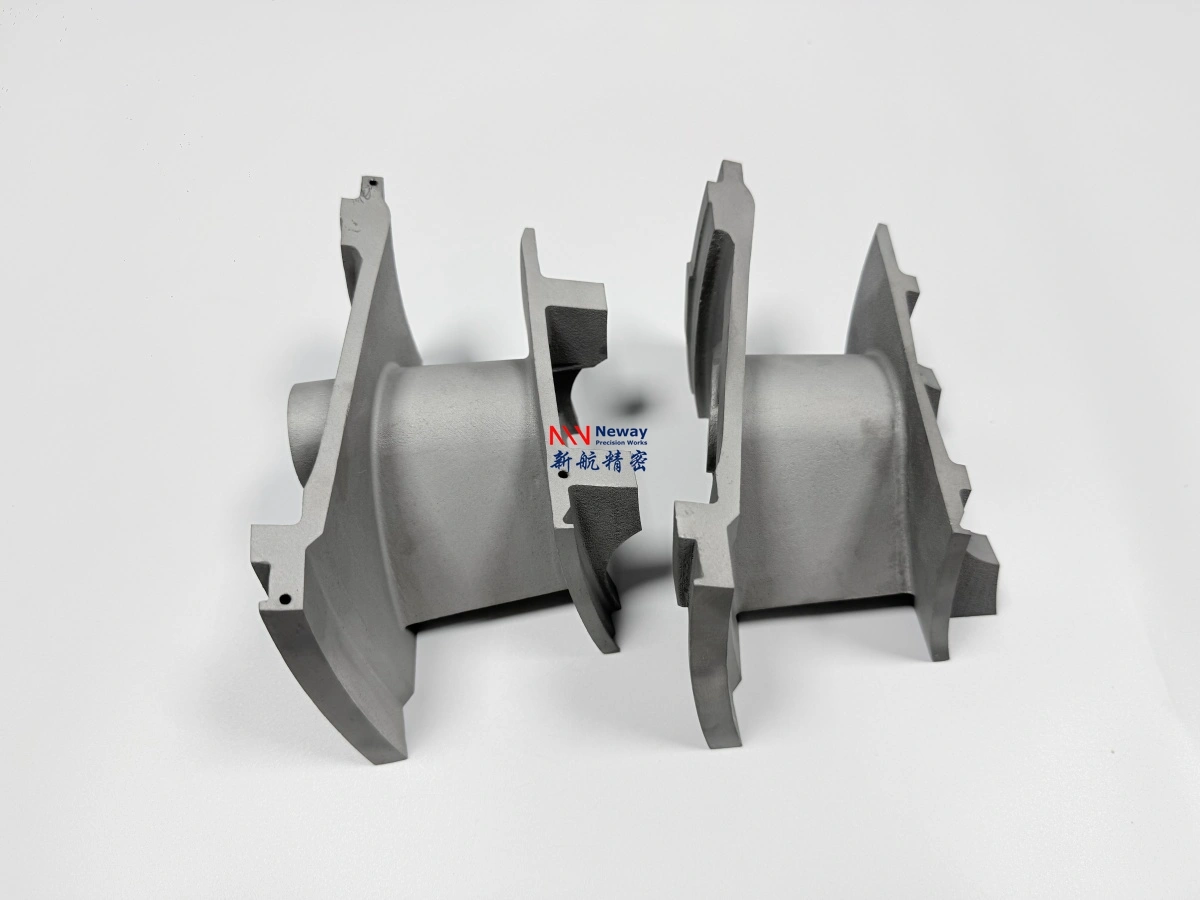
Haynes 188 combustion parts are usually selected when the component must work close to hot gas, flame, thermal cycling, or oxidizing environments. Typical custom parts include combustion chamber liners, nozzles, guide vanes, heat shields, flame tubes, hot-end brackets, high-temperature fixtures, and gas turbine development components.
For aerospace and aviation applications, Haynes 188 can be used for hot-section development parts, combustion hardware, heat shields, nozzles, and thermal structures. For energy and power applications, it can support gas turbine auxiliary parts, combustion equipment, thermal fixtures, and heat-resistant structural components.
Part Type | Why Haynes 188 Is Suitable | Common Post-Processing |
|---|---|---|
Combustion chamber liners | Supports hot-gas exposure, oxidation resistance, and thin-wall thermal structures | Heat treatment, support removal, surface finishing, CT or X-ray inspection if required |
Nozzles | Allows complex flow paths and high-temperature cobalt superalloy performance | EDM, CNC machining, polishing, dimensional inspection |
Guide vanes and flow-directing parts | Useful for hot-gas flow guidance and complex thermal geometry | Heat treatment, surface treatment, 3D scanning, inspection |
Heat shields | Suitable for thermal protection and oxidation-resistant structures | Support removal, blasting, polishing, inspection |
High-temperature fixtures | Supports custom tooling used in repeated thermal exposure | Heat treatment, CNC machining, surface finishing |
Benefits of 3D Printing Haynes 188 Combustion Components
3D printing provides major design advantages for Haynes 188 combustion and hot-gas path components. Through powder bed fusion, engineers can produce integrated structures, internal cooling channels, thin-wall features, curved passages, and lightweight hot-end geometry that may be difficult to machine or weld using conventional methods.
For prototype development, additive manufacturing can shorten the trial cycle because tooling is not required. For complex hot-section structures, 3D printing can reduce welding and assembly by combining multiple features into one component. This is especially useful when testing new combustion geometry, nozzle flow paths, thermal shields, or aerospace engine peripheral structures.
3D Printing Benefit | Engineering Value | Typical Use Case |
|---|---|---|
Integrated structure | Reduces welding, joining, and multi-piece assembly | Combustion liners, nozzles, flame tubes |
Complex cooling channels | Enables internal thermal management features | Hot-gas path components and thermal structures |
Thin-wall structures | Supports lightweight hot-section components with complex geometry | Heat shields, liners, hot-end housings |
Reduced welding | Helps reduce weld-related distortion and assembly risk | Integrated combustion and aerospace thermal components |
Shorter prototype cycle | Supports design validation without tooling | Custom Haynes 188 combustion prototypes and test hardware |
Manufacturing Risks for Haynes 188 3D Printed Hot-Section Parts
Haynes 188 3D printed hot-section parts require careful manufacturing review because combustion components often include thin walls, overhangs, internal passages, and complex curved surfaces. These features can create risks related to deformation, support removal, powder cleaning, thermal stress, and post-machining access.
Before production, the supplier should review build orientation, support contact areas, wall thickness, cleaning paths, machining allowance, heat treatment requirements, and inspection needs. For high-value hot-gas path components, manufacturing risk should be reduced through process planning rather than corrected only after printing.
Manufacturing Risk | Potential Issue | Engineering Control Method |
|---|---|---|
Thin-wall deformation | Hot-section shells may move during printing, heat treatment, or support removal | Review wall thickness, support strategy, orientation, and heat treatment route |
Support removal | Support marks or damage may affect flow, sealing, or visible surfaces | Place supports away from critical surfaces where possible |
Powder cleaning | Trapped powder may remain inside cooling channels or internal cavities | Design cleaning holes, powder drainage paths, and inspection access |
Thermal stress | Residual stress may cause distortion or reduced dimensional stability | Use stress relief, proper orientation, and suitable build strategy |
Post-machining allowance | Critical holes, flanges, threads, and sealing faces may need extra stock | Reserve machining allowance and define critical dimensions on the drawing |
Recommended Workflow for Haynes 188 3D Printed Parts
A reliable workflow for Haynes 188 combustion and hot-gas path components should connect printing, post-processing, machining, finishing, and inspection as one manufacturing route. This helps reduce deformation risk, improve final dimensional control, and support finished part delivery.
Neway3DP can support superalloy 3D printing with heat treatment, CNC machining, EDM, surface finishing, and inspection. For complex combustion hardware, the process route should be confirmed before production so the final part condition matches the drawing and application environment.
Workflow Step | Purpose | Customer Benefit |
|---|---|---|
PBF printing | Build complex Haynes 188 geometry layer by layer | Supports thin walls, internal channels, and integrated structures |
Support removal | Remove temporary printed support structures | Prepares the part for heat treatment, machining, and finishing |
Relieve stress and stabilize the printed superalloy structure | Reduces deformation risk and supports final performance | |
CNC machining / EDM | Finish critical holes, threads, flanges, datums, and sealing faces | Improves assembly accuracy and final usability |
Surface treatment | Improve surface roughness, appearance, oxidation resistance, or functional surface quality | Delivers parts closer to final-use condition |
Inspection | Verify dimensions, internal quality, material records, and process documentation | Supports engineering approval and repeat production decisions |
RFQ Checklist for Haynes 188 3D Printing
To quote Haynes 188 combustion parts accurately, the supplier needs to understand both the part geometry and the final service environment. A 3D model helps review build orientation, support strategy, wall thickness, internal channels, and powder removal. A 2D drawing confirms material, tolerances, datums, surface finish, post-processing, and inspection requirements.
For faster quotation, please provide the following information:
3D CAD model, preferably STEP, X_T, IGS, or STL format
2D drawing with material grade, tolerances, datum requirements, threads, flanges, sealing surfaces, surface finish, and inspection notes
Required material, such as Haynes 188, GH5188, or an approved equivalent
Quantity for prototype, validation batch, low-volume production, or repeat order
Working temperature, thermal cycling condition, hot-gas exposure, oxidation environment, pressure, vibration, fatigue, or corrosion exposure
Required post-processing, such as heat treatment, CNC machining, EDM, blasting, polishing, coating, or surface treatment
Inspection requirements, such as dimensional report, CMM report, 3D scan, FAI, CT inspection, X-ray inspection, material certificate, heat treatment record, or tensile test
Target delivery schedule and shipping destination
Why Work with Neway3DP for Haynes 188 Hot-Section Parts?
Neway3DP supports custom Haynes 188 combustion parts from early manufacturability review to final delivery. Our service is suitable for customers who need cobalt superalloy printing, combustion hardware, hot-gas path components, nozzles, thermal shields, heat-resistant fixtures, aerospace hot-end parts, and energy equipment components.
Our one-stop manufacturing support includes material review, powder bed fusion printing, heat treatment, CNC machining, EDM, surface finishing, inspection, and documentation. This helps customers receive functional Haynes 188 components that are closer to final-use condition rather than only rough printed blanks.
FAQ