
Why Is Haynes 188 Used for 3D Printed Hot-Section Parts?
Why Is Haynes 188 Used for 3D Printed Hot-Section Parts?
Haynes 188 3D printed parts are used for hot-section applications because the alloy offers stable performance in high-temperature oxidation, combustion, and thermal cycling environments. As a cobalt-based superalloy, Haynes 188 is especially suitable for components exposed to hot gas flow, repeated heating and cooling, and demanding aerospace or energy service conditions.
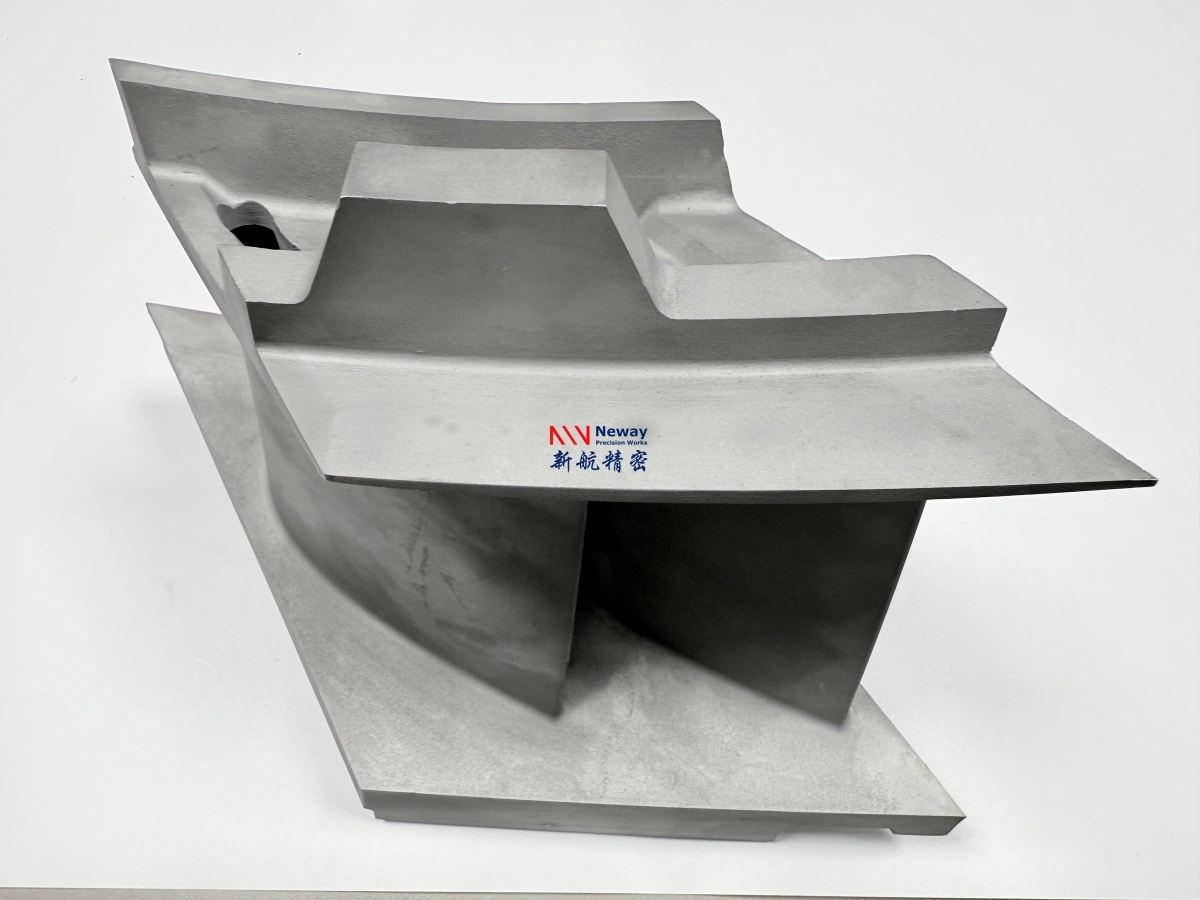
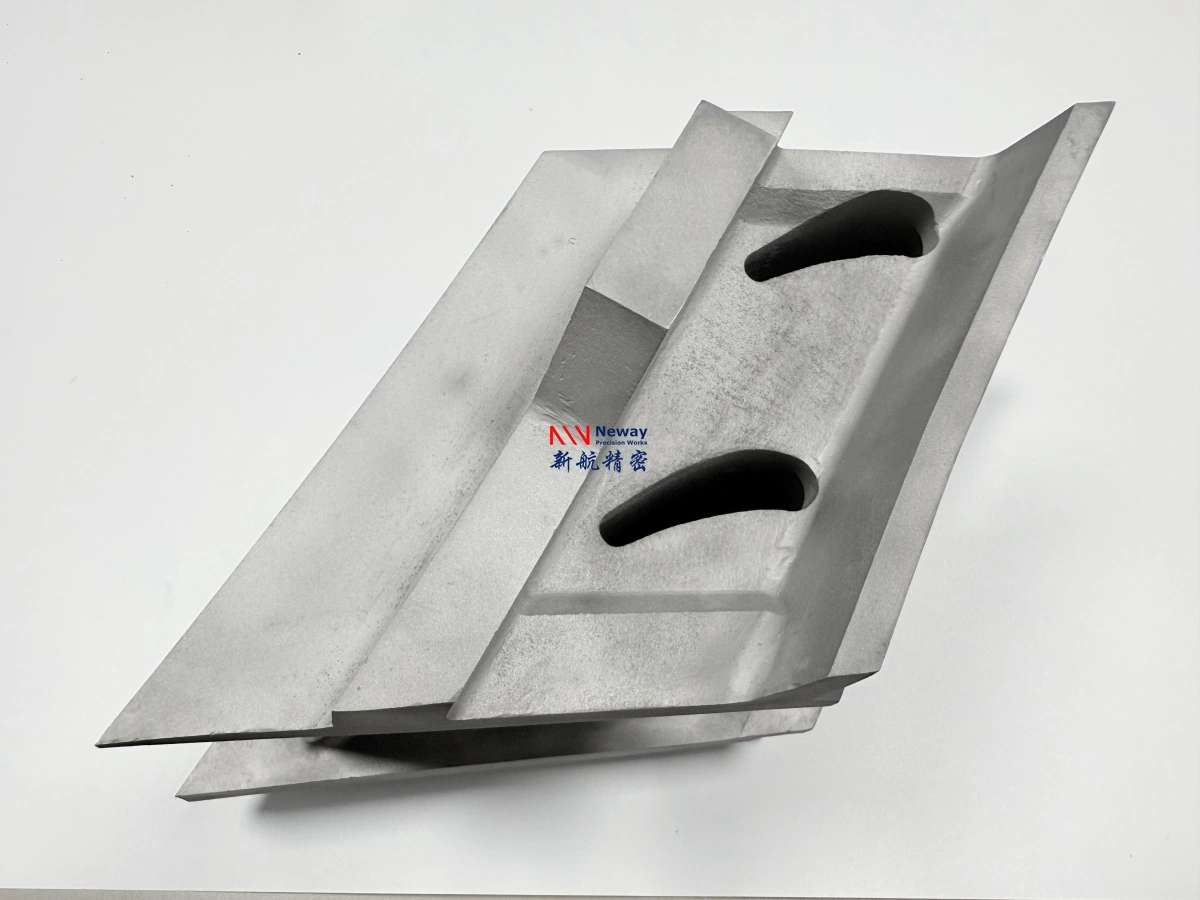
1. Key Material Advantages of Haynes 188
Haynes 188 is selected for hot-section parts because it combines high-temperature stability, oxidation resistance, and thermal fatigue resistance. These properties are important for components that operate near combustion zones or in high-temperature gas paths.
Good oxidation resistance in high-temperature environments
Strong resistance to thermal fatigue during repeated heating and cooling
Stable performance in combustion and hot gas conditions
Suitable for complex thin-wall hot-section structures
Useful for high-value aerospace and energy applications
2. Typical 3D Printed Hot-Section Parts
Part Type | Why Haynes 188 Is Used |
|---|---|
Combustion chamber components | Suitable for hot gas, oxidation, and thermal cycling exposure |
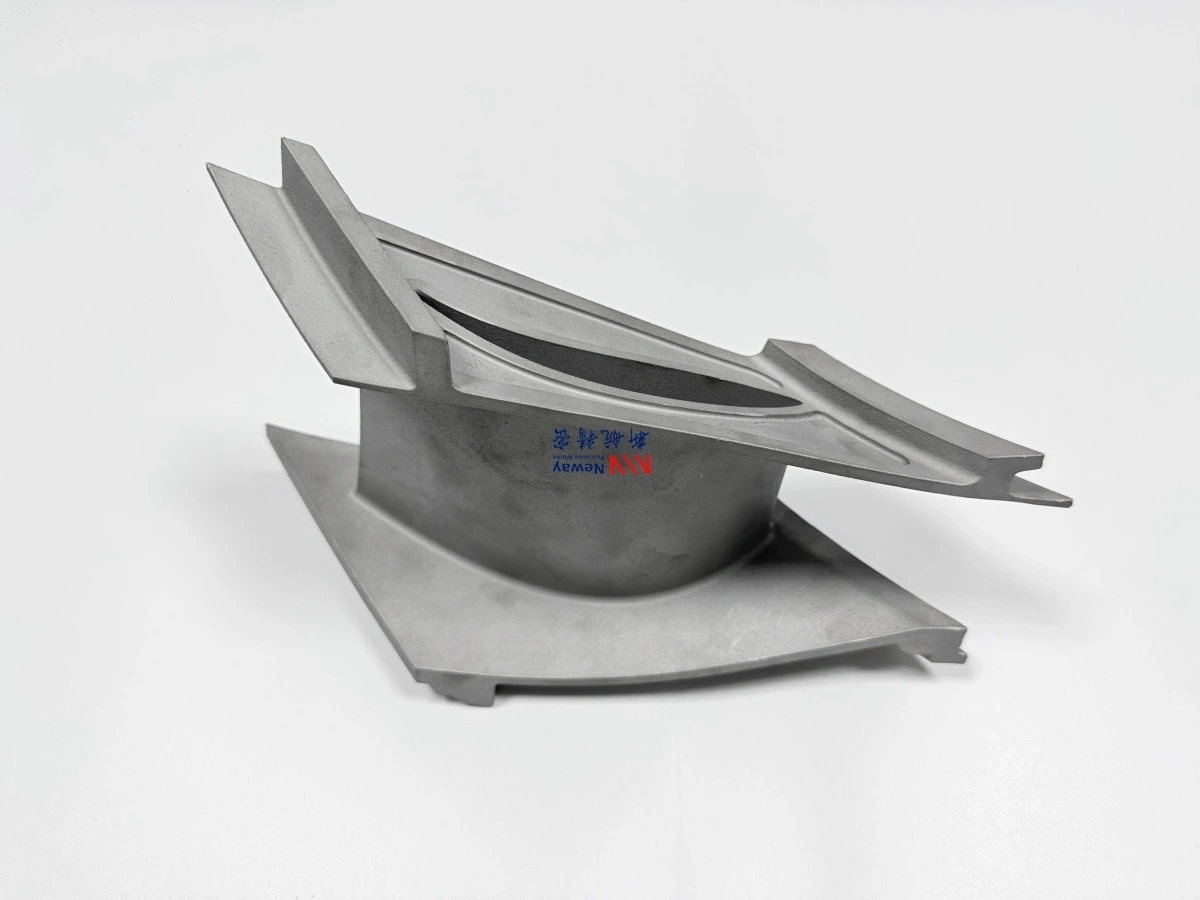
Nozzles | Supports complex flow paths and high-temperature gas environments |
Flow guide structures | Useful for directing hot gas while maintaining thermal stability |
Thermal shields | Provides protection in oxidizing and high-temperature service |
High-temperature fixtures | Works well for thermal test rigs and repeated heating applications |
3. Manufacturing Benefits of Haynes 188 3D Printing
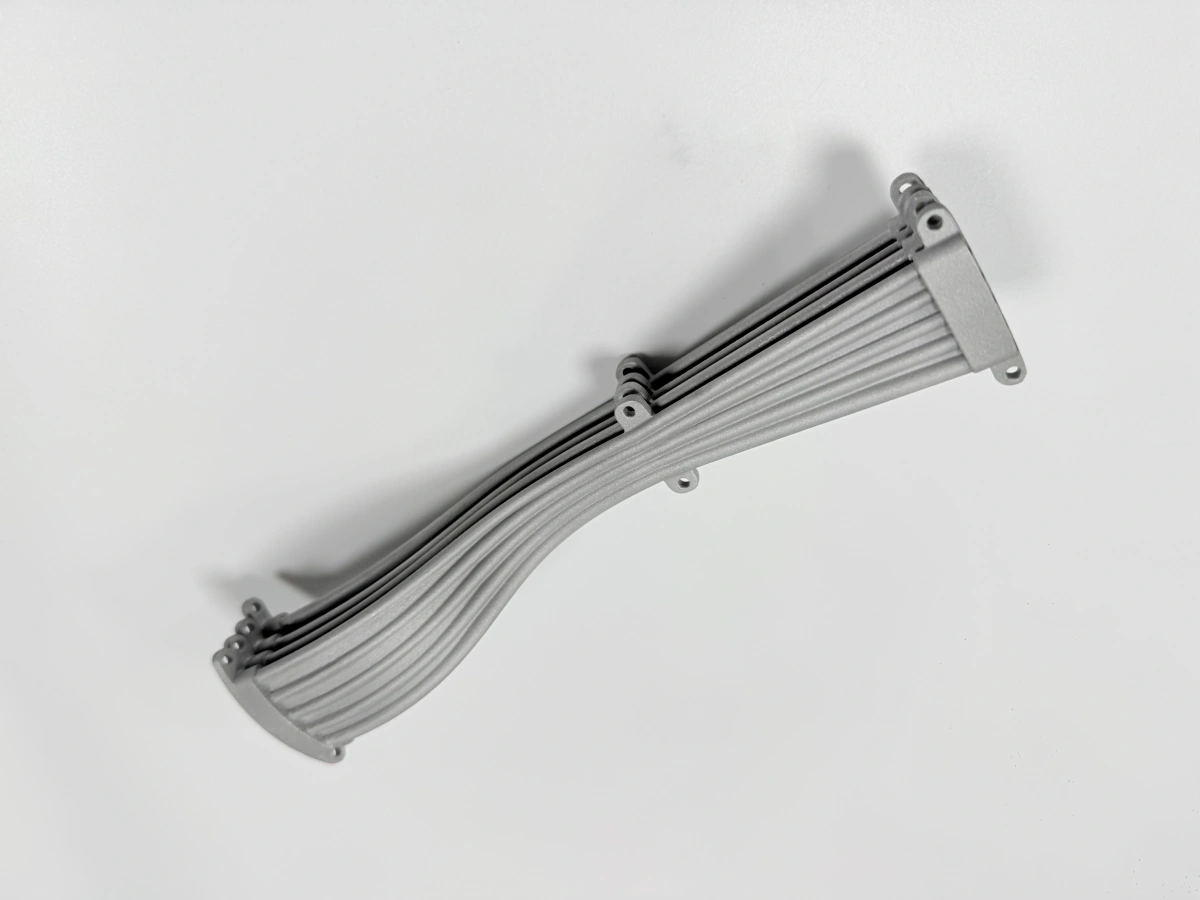
Haynes 188 is valuable in additive manufacturing because hot-section parts often include thin walls, curved flow paths, integrated channels, and geometries that are difficult to fabricate by welding or machining alone.
Enables complex thin-wall structures
Allows integrated cooling or flow-channel features
Reduces the need for multi-piece welded assemblies
Supports fast development of custom hot-section prototypes
Helps consolidate parts for demanding energy and power applications
4. When Haynes 188 May Not Be the Best Choice
Haynes 188 is not the best material for every superalloy application. If the main requirement is high-strength load-bearing performance, Inconel 718 may be more suitable. If the part is mainly exposed to severe corrosion or requires better weldability, Inconel 625 may be worth evaluating.
Main Requirement | Material to Consider |
|---|---|
Combustion, oxidation, and thermal cycling | Haynes 188 |
High-strength load-bearing structures | Inconel 718 |
Corrosion resistance and weldability | Inconel 625 |
5. Quote Advice for Custom Haynes 188 Hot-Section Components
To evaluate custom Haynes 188 hot-section components accurately, customers should provide both geometry data and service conditions. This helps determine material suitability, printability, post-processing, and inspection requirements.
3D CAD file and 2D drawing
Operating temperature and maximum temperature exposure
Thermal cycling frequency and heating/cooling conditions
Mechanical load, pressure, vibration, or fatigue requirements
Required quantity for prototype, testing, or production
Post-processing and inspection requirements
6. Summary
Haynes 188 is used for 3D printed hot-section parts because it performs well in high-temperature oxidation, combustion, and thermal cycling environments. It is suitable for combustion chamber components, nozzles, flow guides, thermal shields, and high-temperature fixtures. For applications dominated by structural strength or corrosion resistance, Inconel 718 or Inconel 625 may also need to be evaluated.
If you need a custom Haynes 188 hot-section components manufacturer, provide the 3D model, 2D drawing, operating temperature, thermal cycling conditions, load requirements, quantity, and inspection needs so the correct superalloy material and manufacturing route can be evaluated before quotation.
.webp)