
What Files and Technical Details Are Needed to Quote Haynes 188 3D Printed Parts?
What Files and Technical Details Are Needed to Quote Haynes 188 3D Printed Parts?
To quote Haynes 188 3D printed parts accurately, customers should provide a 3D CAD file, 2D drawing, quantity, tolerance requirements, post-processing needs, operating environment, inspection requirements, and target lead time. Because Haynes 188, also known as GH5188, is often used for combustion, hot-section, and thermal cycling components, the quotation should be based on both geometry and technical service conditions.
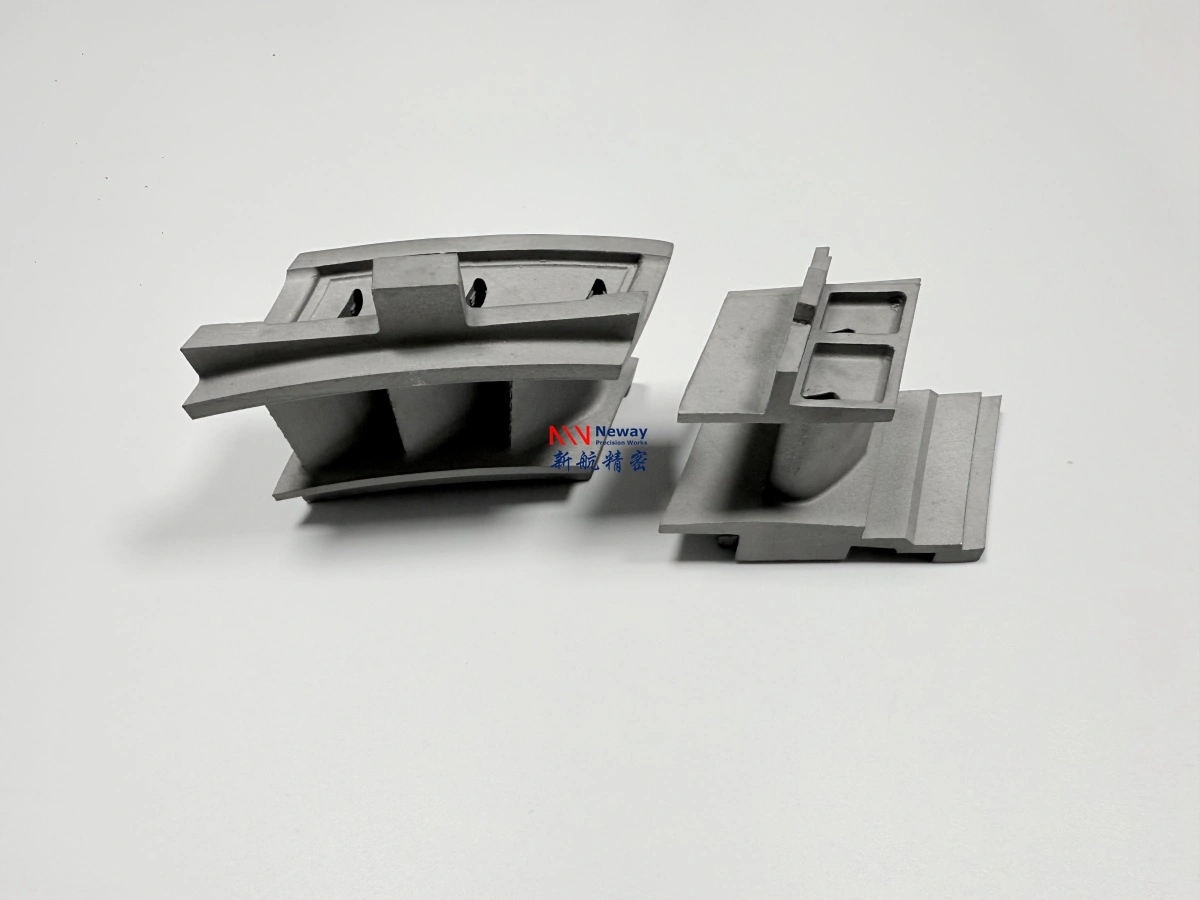
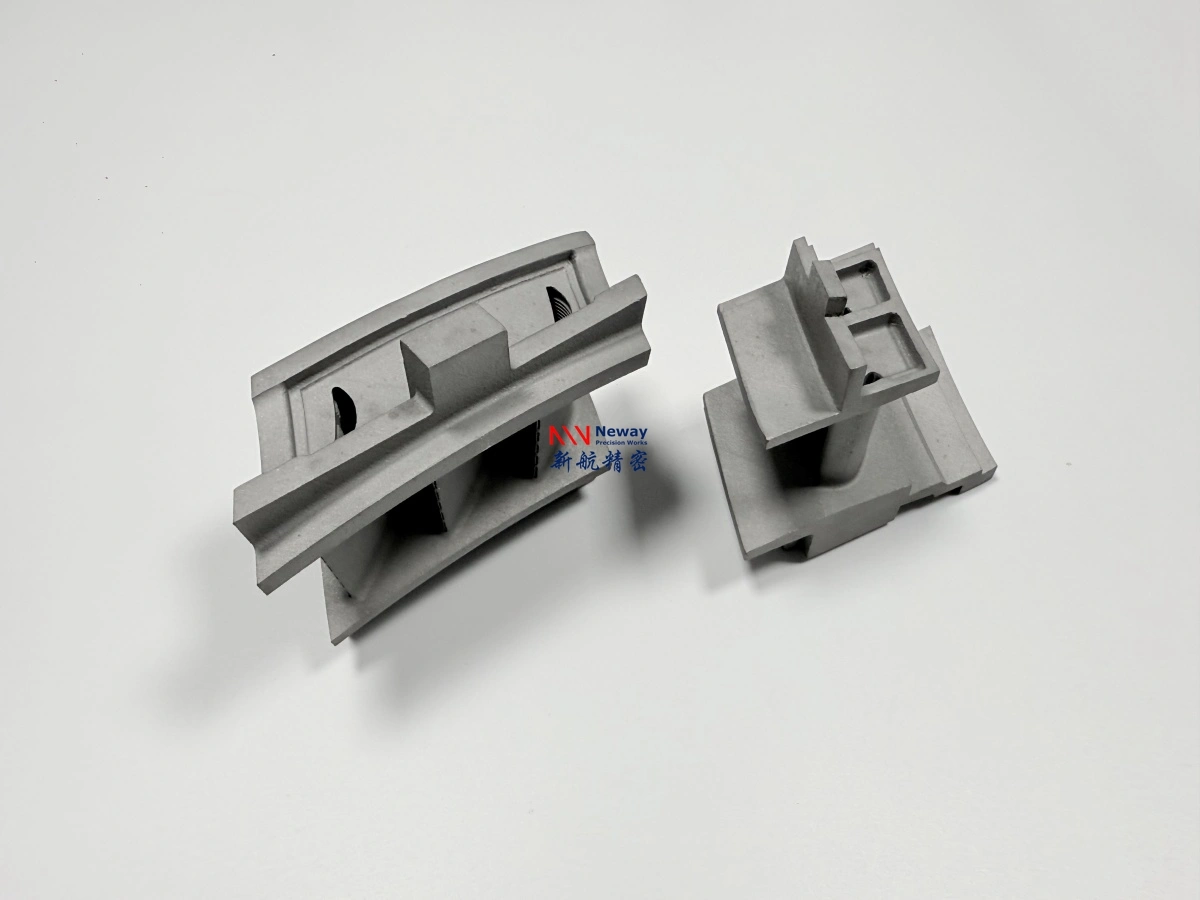
1. Direct Answer: Files and Details Needed for Quotation
A complete Haynes 188 RFQ should include the information needed to evaluate printability, material usage, support strategy, machining requirements, finishing scope, and inspection level.
Required Information | Why It Is Needed |
|---|---|
3D CAD file | Used to evaluate geometry, build orientation, support design, volume, and manufacturability |
2D drawing | Defines tolerances, datums, threads, sealing surfaces, assembly faces, and critical dimensions |
Quantity | Affects build layout, setup cost, unit price, and production planning |
Application details | Helps evaluate temperature, thermal cycling, combustion atmosphere, load, and service-life requirements |
Post-processing requirements | Determines heat treatment, HIP, CNC machining, EDM, surface finishing, and inspection cost |
Inspection requirements | Confirms whether CMM, 3D scanning, X-Ray/CT, FAI, material certificate, or heat treatment records are needed |
2. 3D File Requirements
STEP or X_T files are preferred for engineering and manufacturability review because they provide accurate solid model data. STL files can be used for initial printing evaluation, but they are not enough to define critical tolerances, machining requirements, or inspection standards.
STEP or X_T files are preferred for quote review
STL and 3MF files can support initial printability and volume evaluation
The latest model revision should be clearly identified
Assembly files should show part quantity and installation relationship
Internal channels should be visible enough to evaluate powder removal and support risk
Haynes 188 parts are commonly produced by powder bed fusion, so wall thickness, overhangs, build height, closed cavities, and support accessibility should be checked before quotation.
3. 2D Drawing Requirements
A 2D drawing is strongly recommended for Haynes 188 parts because hot-section components often include precision interfaces, flanges, holes, sealing surfaces, and inspection requirements that cannot be fully understood from an STL file alone.
Drawing Item | Recommended Details |
|---|---|
Tolerances | Define critical dimensions and general tolerance requirements |
Datums | Identify datum faces for CNC machining and inspection |
Threads | Specify thread size, depth, tolerance, and whether post-machining is required |
Sealing surfaces | Mark flatness, roughness, pressure-related requirements, and finishing method |
Assembly faces | Define flatness, parallelism, perpendicularity, and surface finish requirements |
Critical dimensions | Mark dimensions that affect fit, function, airflow, sealing, or structural performance |
4. Application Details for Hot-Section Parts
For Haynes 188 combustion or nozzle parts, application information is as important as geometry. These details help determine whether the part design, material, heat treatment, inspection, and finishing route are suitable.
Operating temperature and maximum temperature exposure
Thermal cycling frequency and heating or cooling rate
Combustion atmosphere, oxidizing environment, or hot gas condition
Mechanical load, pressure, vibration, or fatigue requirement
Expected service life or test duration
Wall thickness and flow-channel requirements
5. Post-Processing Details
Post-processing can significantly affect Haynes 188 part cost, lead time, and performance. Customers should specify which finishing steps are required, especially for functional hot-section components.
Heat treatment for stress relief and thermal stability
HIP for high-reliability or fatigue-sensitive parts
CNC machining for flanges, holes, threads, datum faces, and sealing surfaces
EDM for small holes, slots, thin-wall features, or hard-to-access geometry
Surface treatment for roughness control, oxidation behavior, appearance, or functional surfaces
CMM, 3D scanning, X-Ray/CT, FAI, material certificate, or heat treatment report when required
6. Quantity and Lead Time
Quantity and lead time directly affect the quotation. A single prototype, small batch, and annual repeat demand require different production planning, build layout, post-processing scheduling, and inspection strategy.
Quantity Type | Quotation Consideration |
|---|---|
Single prototype | Higher unit cost because setup and engineering review are concentrated on one part |
Small batch | May reduce unit cost by sharing build preparation, machining setup, and inspection planning |
Annual demand | Helps evaluate repeat production pricing and process stability planning |
Target lead time | Helps determine whether standard or urgent production scheduling is needed |
7. Summary
To request Haynes 188 3D printed parts quotation accurately, customers should provide the 3D CAD file, 2D drawing, quantity, tolerances, post-processing requirements, working temperature, thermal cycling conditions, combustion atmosphere, load condition, inspection needs, and target lead time. Complete technical information helps the supplier evaluate printability, cost, finishing route, and quality-control requirements.
If you need custom Haynes 188 parts quote support, submit your CAD files, drawings, quantity, application conditions, finishing requirements, inspection scope, and delivery target so the correct manufacturing route can be evaluated through 3D Printing Service.
.webp)