
Can Haynes 188 Be 3D Printed for Combustion Chamber Liners and Nozzles?
Can Haynes 188 Be 3D Printed for Combustion Chamber Liners and Nozzles?
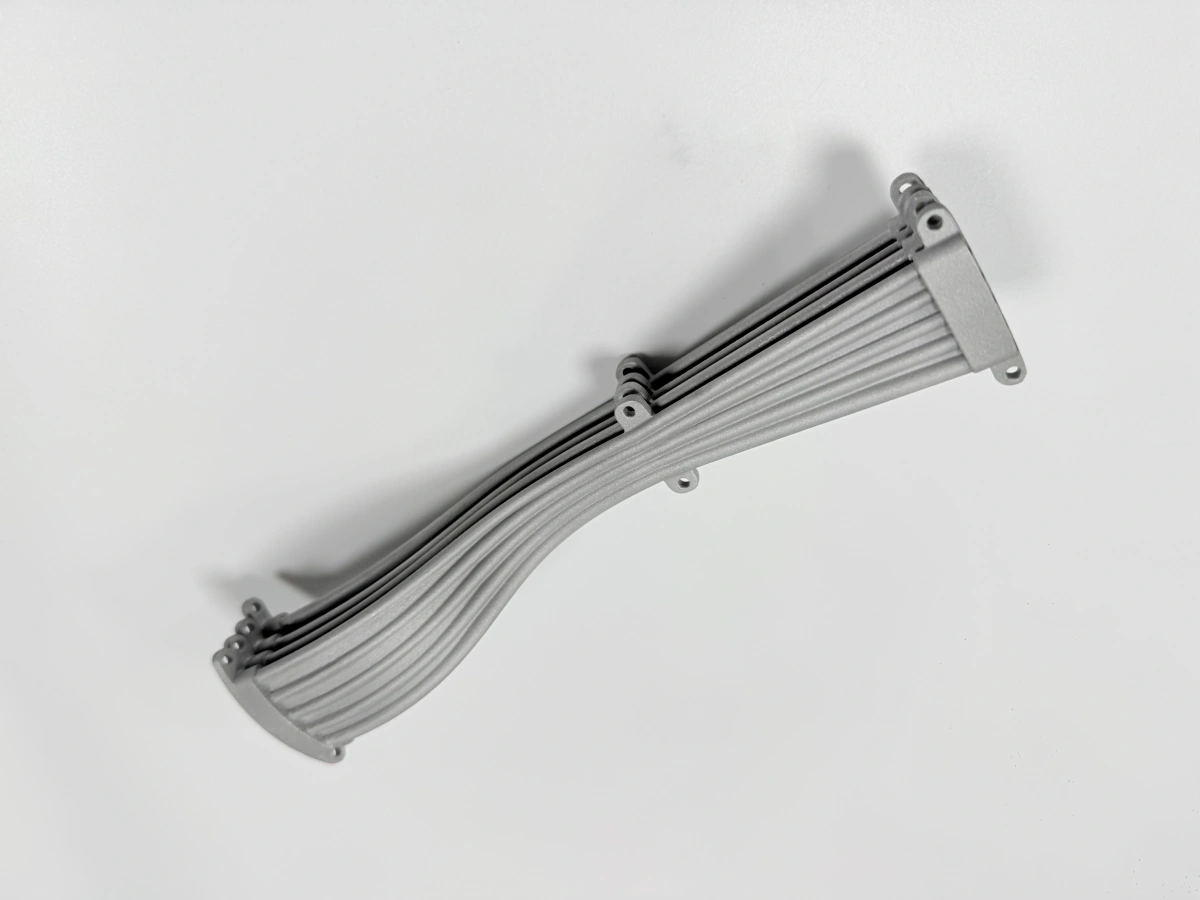
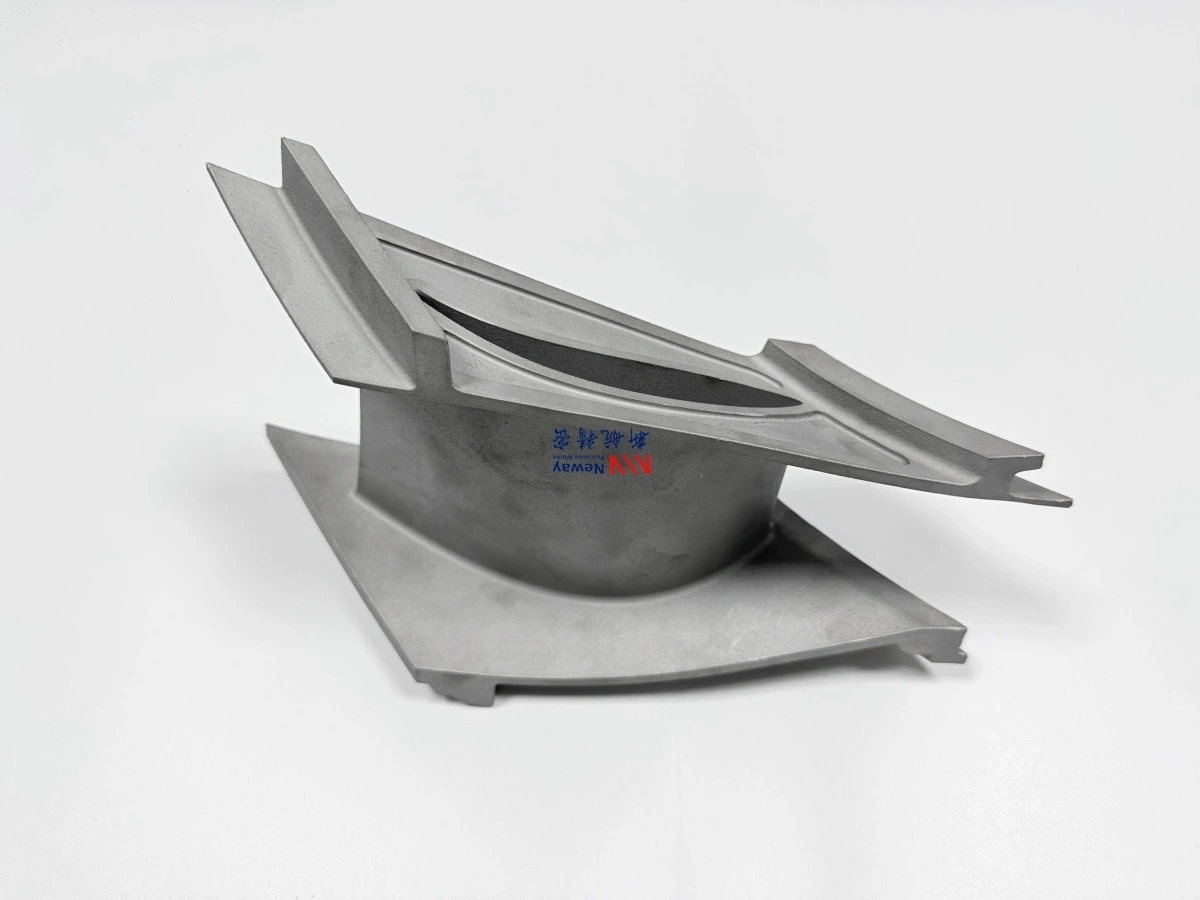
Yes. Haynes 188 3D printing can be evaluated for combustion chamber liners, nozzles, guide structures, hot gas flow components, and other 3D printed hot-section parts. As a cobalt-based superalloy, Haynes 188 is suitable for applications involving high-temperature oxidation, combustion atmospheres, thermal cycling, and complex thin-wall geometries, but the final feasibility depends on wall thickness, support access, powder removal, tolerances, post-processing, and inspection requirements.
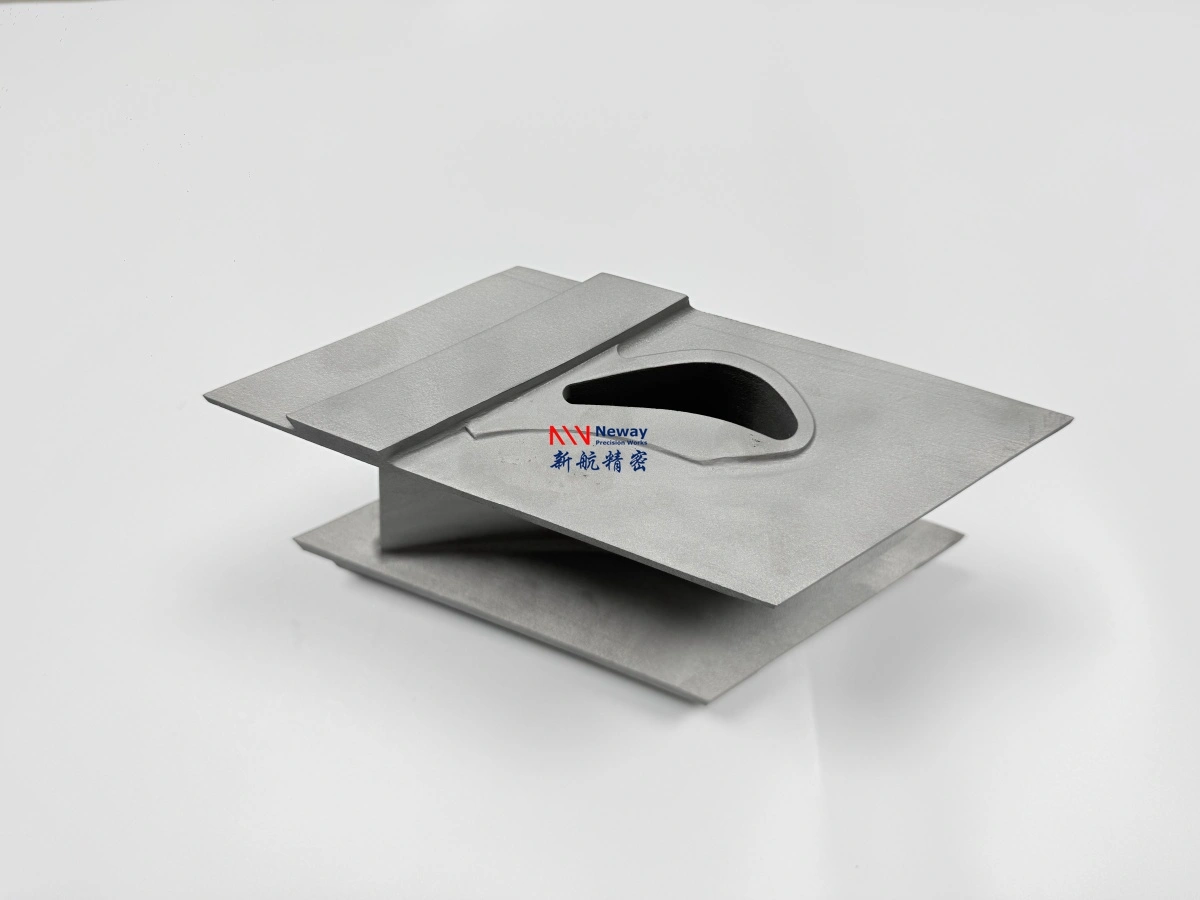
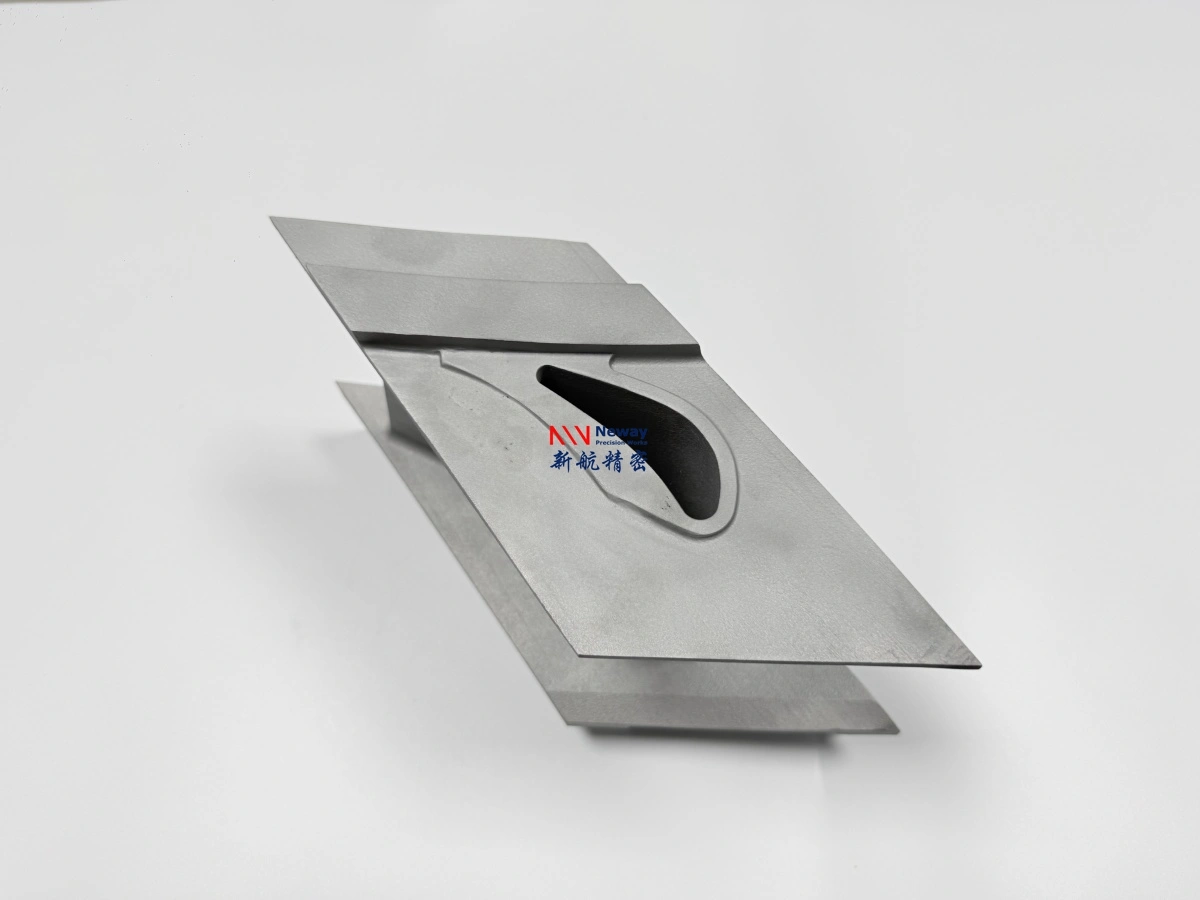
1. Why Haynes 188 Works for Combustion Components
Haynes 188 is selected for combustion-related applications because it combines high-temperature strength, oxidation resistance, and thermal stability. These properties make it attractive for components exposed to hot gas, repeated heating and cooling, and oxidizing service conditions.
Suitable for combustion chamber liners and flame-exposed structures
Good fit for nozzles, ducts, guide vanes, and hot gas flow parts
Useful for thin-wall and integrated designs enabled by powder bed fusion
Applicable to high-value aerospace and aviation hot-section development
2. Suitable Haynes 188 Printed Parts
Part Type | Why Haynes 188 Is Suitable |
|---|---|
Combustion chamber liners | Designed for hot gas exposure, oxidation resistance, and thermal cycling |
Nozzles | Suitable for high-temperature flow paths and complex internal geometry |
Hot gas ducts | Supports thin-wall, curved, and integrated flow-channel designs |
Guide and flow-directing structures | Useful where geometry complexity and thermal resistance are both required |
Thermal shields and hot-section covers | Helps withstand oxidizing and high-temperature operating conditions |
3. Design Risks for Haynes 188 Combustion Parts
Combustion chamber liners and nozzles are usually more difficult than simple solid brackets because they often include thin walls, internal cavities, overhangs, and enclosed flow paths. These features require careful manufacturability review before production.
Design Risk | Recommended Control Method |
|---|---|
Thin-wall deformation | Optimize wall thickness, orientation, support strategy, and heat treatment plan |
Support removal difficulty | Avoid inaccessible supports inside closed channels or critical flow paths |
Powder removal issues | Design suitable powder escape holes and avoid dead-end cavities |
Thermal stress and cracking risk | Review scan strategy, geometry transitions, support design, and stress-relief requirements |
Critical tolerance surfaces | Reserve machining allowance for CNC or EDM post-processing |
4. Recommended Post-Processing for Haynes 188 Parts
For functional combustion and hot-section parts, superalloy 3D printing is usually only the first manufacturing stage. Post-processing is needed to improve final stability, accuracy, surface condition, and reliability.
Heat treatment for stress relief and thermal stability
CNC machining for flanges, mounting faces, threaded holes, sealing faces, and datum surfaces
EDM for slots, small holes, difficult internal features, or hard-to-access geometry
Surface treatment, polishing, or blasting for flow surfaces and appearance requirements
CMM, 3D scanning, X-ray/CT, FAI, material certificate, or heat treatment report when required
5. RFQ Notes for Custom Haynes 188 Combustion Components
To evaluate custom Haynes 188 combustion components accurately, customers should provide both geometry and operating conditions. This is especially important for combustion chamber liners, nozzles, and hot-section components where manufacturability and service reliability depend on design details.
3D CAD file, preferably STEP or X_T for engineering review
2D drawing with tolerances, wall thickness, datums, threads, and critical dimensions
Operating temperature and maximum temperature exposure
Thermal cycling frequency and heating or cooling conditions
Combustion atmosphere, oxidation environment, pressure, or gas flow condition
Required quantity for prototype, testing, or small-batch production
Post-processing requirements, including heat treatment, CNC, EDM, surface treatment, and inspection
6. Summary
Haynes 188 can be 3D printed for combustion chamber liners, nozzles, hot gas ducts, guide structures, and other hot-section components when the design is reviewed carefully for wall thickness, support access, powder removal, thermal stress, machining allowance, and inspection requirements. It is a strong candidate for custom combustion components that require high-temperature oxidation resistance, thermal cycling capability, and complex geometry.
If you need a custom Haynes 188 combustion components supplier, provide the 3D model, 2D drawing, operating temperature, thermal cycling conditions, combustion atmosphere, wall thickness, tolerance requirements, post-processing needs, and inspection requirements so the correct manufacturing route can be evaluated before quotation.
.webp)