From Prototype to Small-Batch Production: Superalloy 3D Printing for High-Temperature Parts
High-temperature superalloy parts are often difficult to manufacture during the early development stage. Materials such as Inconel 718, Inconel 625, Hastelloy X, Haynes 188, and Inconel 713C are expensive, difficult to machine, and usually require controlled post-processing. If the part is still under design review, traditional casting or full production tooling may create too much cost and risk.
This is where superalloy 3D printing becomes valuable. For aerospace, turbine, combustion, energy, and high-temperature test parts, additive manufacturing can support the transition from one prototype to small-batch production without requiring investment casting tooling at the first stage.
For buyers and engineers, the key is to match the manufacturing route with the project stage. A 1-piece prototype, a 10-piece validation batch, and a 100-piece pilot order should not be quoted or managed in the same way. Each stage has different priorities for geometry validation, heat treatment, machining, inspection, and cost control.
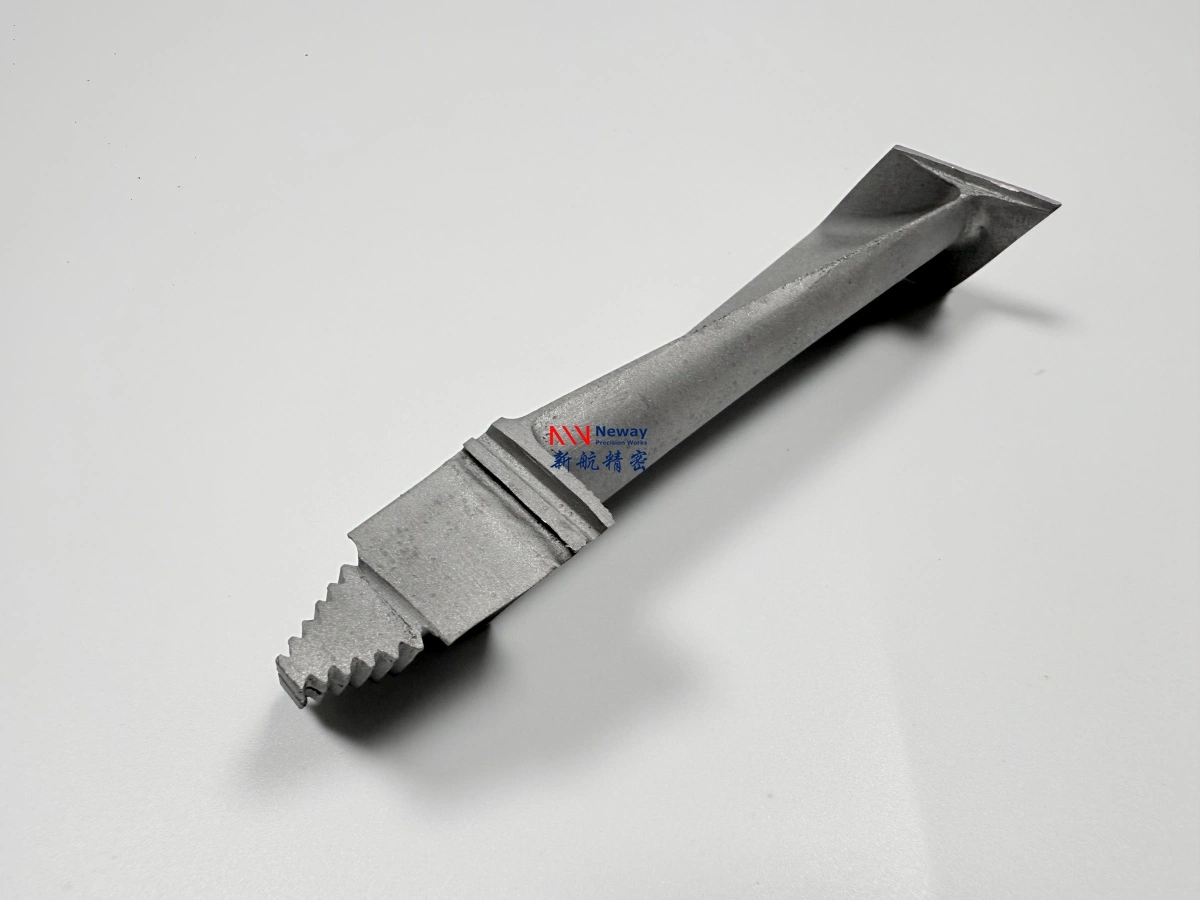
Why Superalloy Prototypes Are Difficult to Manufacture
Superalloy prototypes are more challenging than standard stainless steel or aluminum prototypes. The material itself is more expensive, the processing window is narrower, and post-processing is usually more demanding. For turbine and aerospace parts, the component may also require strict dimensional control, internal defect inspection, heat treatment records, and material traceability.
Traditional manufacturing can be difficult at the prototype stage for several reasons:
Superalloy raw material cost is high
CNC machining time can be long due to poor machinability
Investment casting requires tooling before the design is fully validated
Thin-wall or internal-flow structures may be difficult to machine
Design changes can make early tooling or fixtures obsolete
Inspection requirements may be unclear before testing starts
For early turbine, aerospace, combustion, or energy projects, these challenges make it important to choose a flexible manufacturing route that supports design changes before the part moves into stable production.
When 3D Printing Is Suitable for Superalloy Prototypes
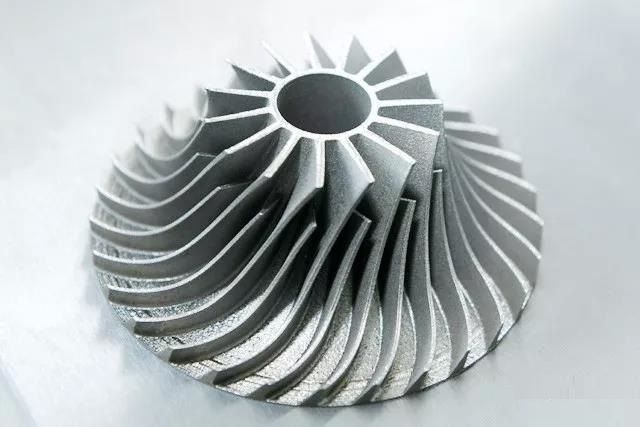
Superalloy 3D printing is most suitable when the project involves complex geometry, uncertain design maturity, short lead time, or low-to-medium quantity demand. It is especially useful when the part contains internal channels, thin walls, lightweight structures, integrated features, or hot gas path geometry that would be difficult to manufacture by conventional machining alone.
Typical suitable cases include:
1–5 pieces for geometry or assembly verification
5–20 pieces for engineering validation and functional testing
20–100 pieces for pilot production or small-batch use
Complex turbine, aerospace, combustion, or energy components
Parts requiring cooling channels or internal flow structures
Projects where casting tooling is not justified yet
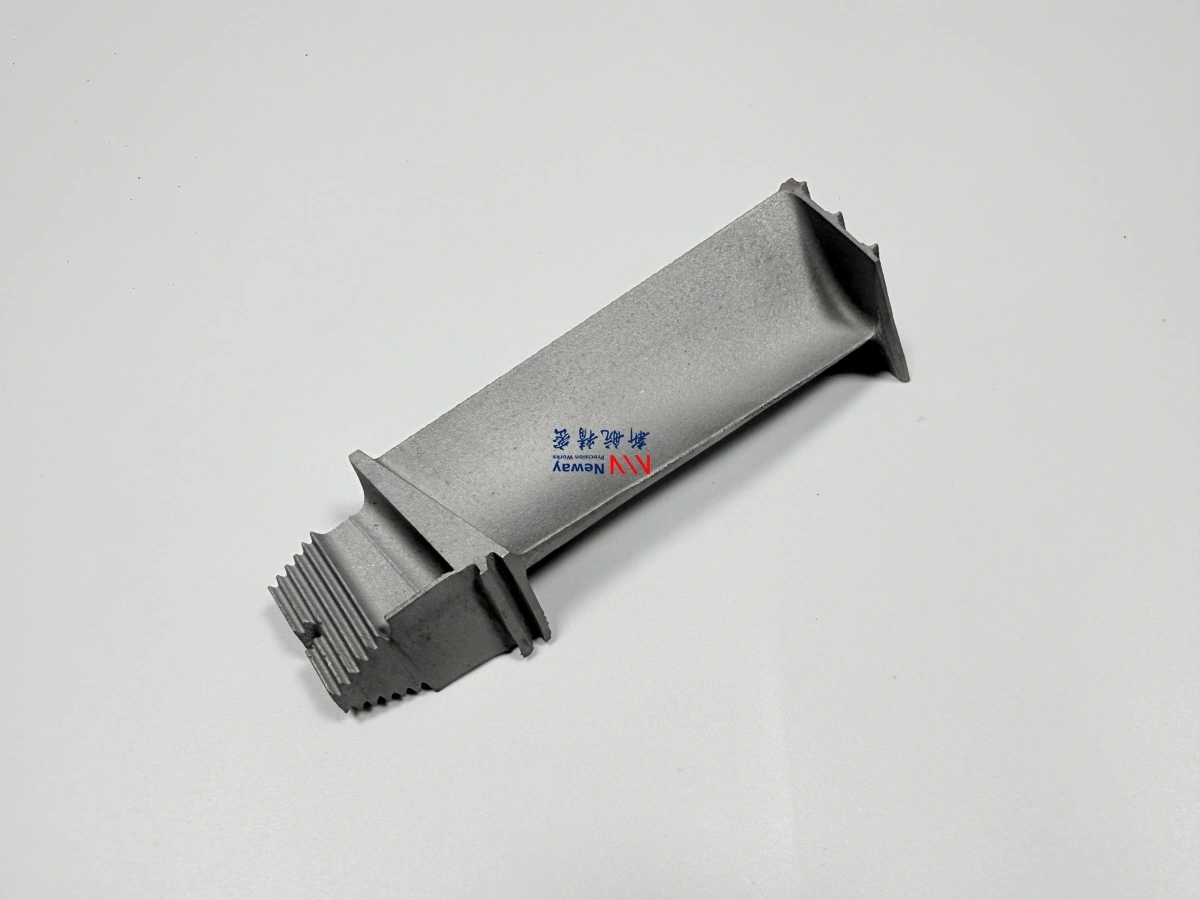
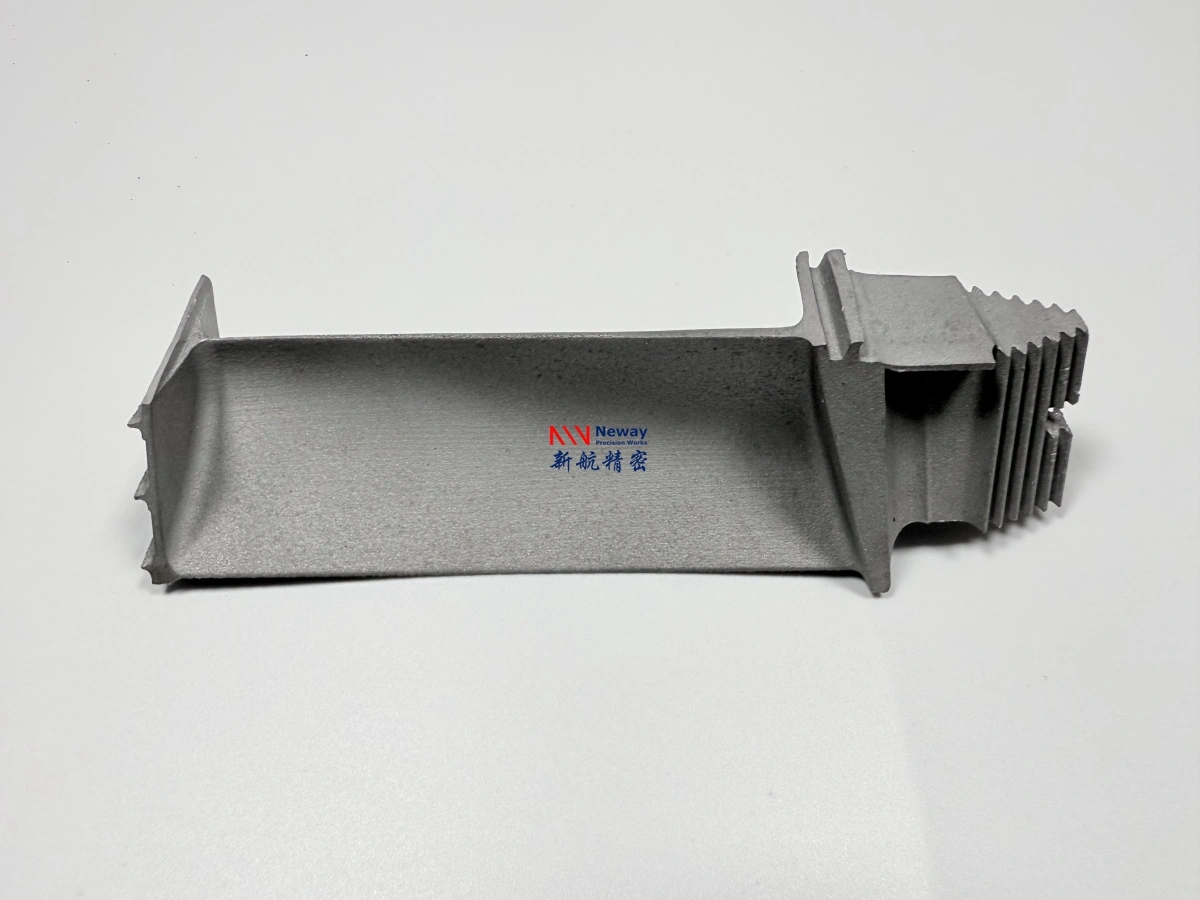
For turbine components, additive manufacturing can also help engineers compare printed prototypes against casting routes. For example, the transition from investment casting to 3D printing is often considered when Inconel 713C turbine parts need prototype validation before tooling investment.
Prototype Stage: 1–5 Pieces
At the first prototype stage, the main goal is usually not low unit cost. The purpose is to verify whether the part geometry, assembly interface, wall thickness, internal passage, or functional concept is feasible. For superalloy parts, this stage often helps identify design risks before the customer commits to a larger order or production process.
For 1–5 pieces, engineers usually focus on:
Basic geometry and dimensional feasibility
Assembly fit and interface checking
Support removal and powder cleaning feasibility
Machining allowance for critical surfaces
Early thermal or flow-path evaluation
Material and process suitability before scaling
At this stage, the quotation should clearly define whether the part is for visual checking, assembly testing, functional testing, or high-temperature exposure. A visual prototype and a hot-section test part may look similar in CAD, but they require different levels of heat treatment, machining, inspection, and documentation.
Engineering Validation Stage: 5–20 Pieces
After the first prototype is reviewed, many customers move into an engineering validation stage. This may involve 5–20 pieces for repeated testing, design comparison, assembly trials, thermal cycling, or customer-side qualification. At this stage, consistency becomes more important than simply producing one successful part.
For engineering validation batches, the supplier should focus on:
Stable build orientation and support strategy
Repeatable dimensional performance
Controlled heat treatment or stress relief
CNC or EDM finishing for critical features
Inspection plan for key dimensions and internal features
Material certificate and post-processing documentation
This stage is also where customers should start reviewing the complete manufacturing workflow. For example, Inconel 718 may be suitable for high-strength aerospace or energy components, while Hastelloy X may be more suitable for combustion and hot gas environments. Material selection should match the actual validation target.
Small-Batch Stage: 20–100 Pieces
When the order quantity increases to 20–100 pieces, the project changes from prototype manufacturing to small-batch production. At this stage, cost control, repeatability, build layout, post-processing efficiency, and inspection sampling become more important.
For small-batch superalloy 3D printing, the supplier should review:
Build nesting and machine utilization
Support design for repeatable removal
Batch heat treatment planning
Machining fixture strategy for repeated parts
Inspection scope and sampling plan
Surface finishing consistency
Packaging and traceability requirements
For buyers, this is also the stage to evaluate whether 3D printing remains the best route. If the geometry is complex, the annual demand is moderate, or the design may still change, 3D printing may remain practical. If the design is mature and demand is increasing significantly, casting or CNC machining may need to be reviewed again.
Project Stage | Typical Quantity | Main Goal | Key Manufacturing Focus |
|---|---|---|---|
Prototype | 1–5 pcs | Check geometry, fit, and basic feasibility | Printability, support removal, machining allowance |
Engineering validation | 5–20 pcs | Verify function, consistency, and process route | Heat treatment, inspection, dimensional stability |
Small-batch production | 20–100 pcs | Control repeatability, cost, and documentation | Build layout, fixtures, post-processing, QC plan |
Cost Control for Small-Batch Superalloy 3D Printing
Superalloy 3D printed parts are usually cost-sensitive because the powder, machine time, support removal, heat treatment, machining, and inspection can all add cost. However, buyers can often reduce cost by improving manufacturability and clarifying technical requirements before quotation.
Common cost drivers include:
Part size and build volume
Material type and powder cost
Support volume and removal difficulty
Internal channels and powder cleaning requirements
Heat treatment or HIP requirements
CNC machining and EDM finishing scope
Inspection level, especially CT or X-ray
Quantity and repeat batch expectations
For cost-sensitive projects, buyers should identify which features truly require tight tolerance, which surfaces need machining, and which reports are mandatory. The FAQ on superalloy cost reduction can help customers prepare a more efficient RFQ and avoid unnecessary manufacturing cost.
When to Consider Casting or CNC Machining Instead
Although 3D printing is valuable for prototypes and small batches, it is not always the best long-term production route. Once the design is stable, the annual demand is high, or the geometry becomes simple enough for conventional manufacturing, casting or CNC machining may become more economical.
Casting may be better when:
The geometry is stable and unlikely to change
The expected quantity can justify tooling cost
The part is already designed for near-net-shape casting
Long-term repeatability is more important than design flexibility
CNC machining may be better when:
The geometry is simple or mainly prismatic
The part can be machined efficiently from bar, plate, or forged stock
Tight tolerance is required on most surfaces
The material is available in suitable billet or bar form
In many development programs, the best route is not fixed from the beginning. A customer may start with 3D printed prototypes, use small-batch printed parts for testing, and later transition to investment casting or CNC machining after the design and demand become stable.
Documentation for Superalloy Prototype and Small-Batch Parts
Documentation becomes more important as the project moves from prototype to engineering validation and small-batch production. Early samples may only need basic dimensional checks, while functional turbine, aerospace, or high-temperature parts may require more complete inspection records.
Common documentation may include:
Material certificate
Heat treatment report
FAI report
CMM inspection report
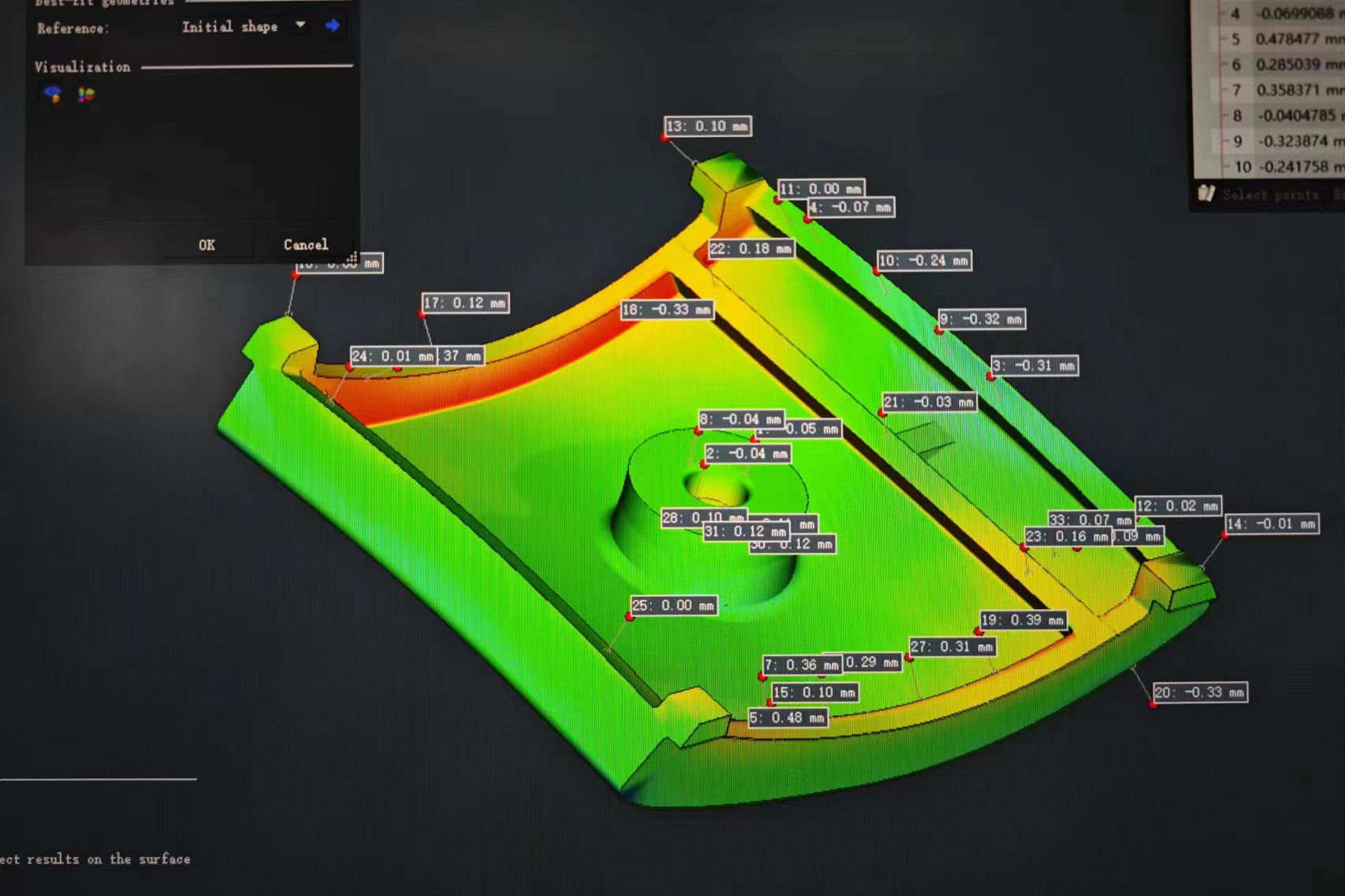
3D scanning report
X-ray or CT inspection report
Post-machining inspection record
Process traceability information
For aerospace, turbine, and hot-section projects, buyers should define documentation requirements before quotation. The FAQ on inspection reports explains which reports are commonly requested for 3D printed superalloy parts.
Document Type | Purpose | When It Is Commonly Needed |
|---|---|---|
Material certificate | Confirms alloy grade and material traceability | Most engineering and validation projects |
Heat treatment report | Confirms post-processing condition | Functional high-temperature parts |
FAI report | Confirms first article dimensional requirements | Before repeat batch or pilot production |
CMM report | Checks critical dimensions and datum features | Machined interfaces and assembly surfaces |
X-ray or CT report | Checks internal defects, channels, or powder trapping | Turbine, aerospace, and hot-section validation parts |
Quote Checklist for Prototype-to-Small-Batch Superalloy Parts
To quote custom superalloy prototype or small-batch parts accurately, the supplier needs to understand not only the current quantity but also the expected development path. A 2-piece prototype and a 100-piece small-batch order may require different build planning, fixtures, inspection scope, and post-processing strategy.
Please provide the following information when requesting a quote:
3D CAD file in STEP, X_T, or STL format
2D drawing with tolerances, datum references, and critical dimensions
Target material or acceptable superalloy alternatives
Current prototype quantity and expected next-stage quantity
Estimated annual demand if the validation is successful
Application type, such as aerospace, turbine, combustion, energy, or test rig
Operating temperature, load, pressure, corrosion, or thermal cycling conditions
Critical surfaces requiring CNC machining, EDM, polishing, or coating
Inspection requirements such as CMM, X-ray, CT, FAI, material certificate, or heat treatment record
For Inconel 713C turbine or hot-section parts, customers should also prepare detailed technical data before quotation. The FAQ on Inconel 713C RFQ data explains what information is needed to evaluate printability, machining allowance, and inspection requirements.
FAQ
When Is HIP Recommended for 3D Printed Superalloy Components?
Which Features Usually Need CNC or EDM After Superalloy 3D Printing?
How Can Buyers Reduce the Cost of Custom Superalloy 3D Printed Parts?
What Inspection Reports Are Common for 3D Printed Superalloy Aerospace or Turbine Parts?
What Information Should Be Included in a Superalloy 3D Printing RFQ?