
What Technical Data Is Required to Quote Inconel 713C Turbine or Hot-Section Parts?
What Technical Data Is Required to Quote Inconel 713C Turbine or Hot-Section Parts?
To quote Inconel 713C turbine or hot-section parts accurately, customers should provide 3D CAD files, 2D drawings, quantity, tolerance requirements, material specifications, operating temperature, load conditions, thermal cycling details, post-processing requirements, inspection standards, and development stage information. Because Inconel 713C-class alloys are often used for turbine, nozzle, combustion, and high-temperature validation projects, quotation review must consider both geometry and service conditions.
A complete Inconel 713C 3D printing quote should not be based only on part size and weight. For crack-sensitive superalloy parts, the supplier must also evaluate printability, support strategy, powder removal, machining allowance, heat treatment, HIP needs, inspection scope, and whether the design is still under development.
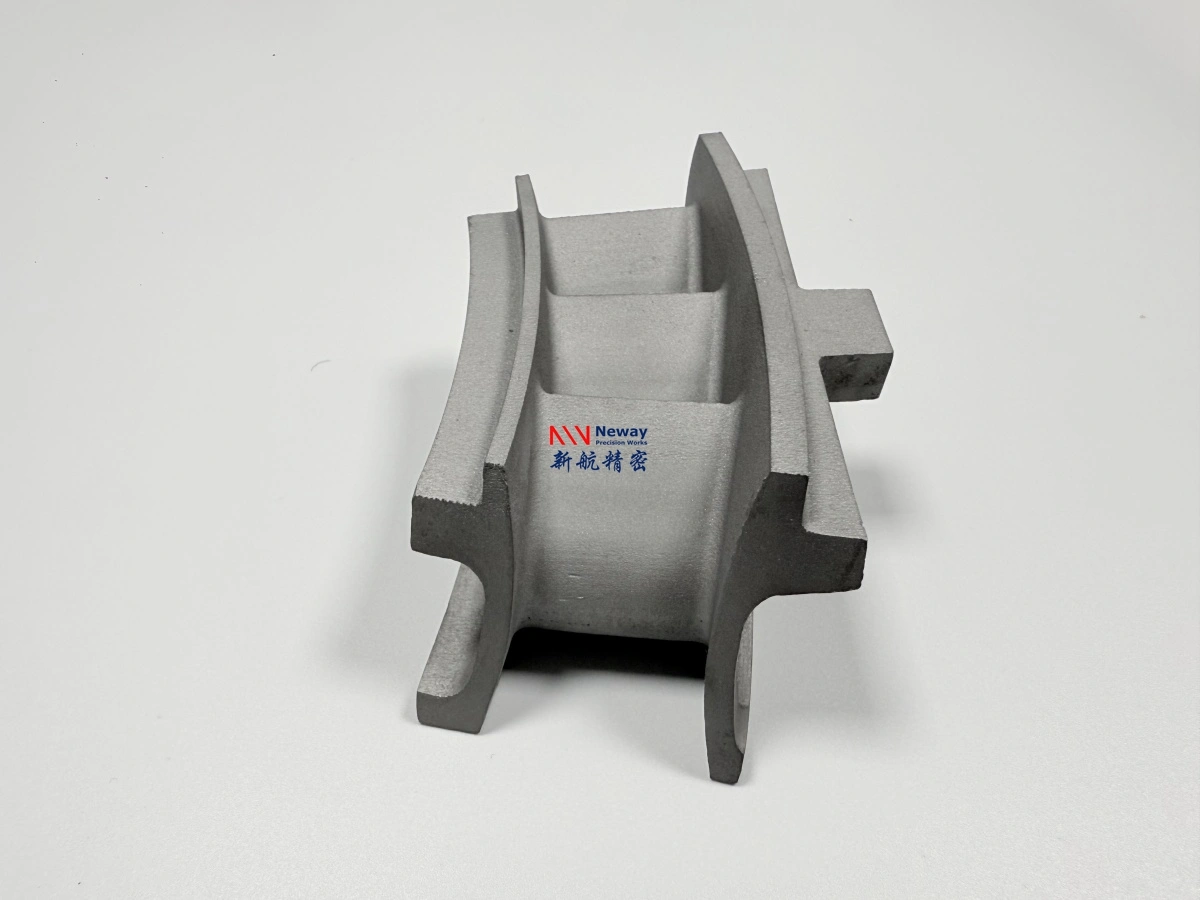
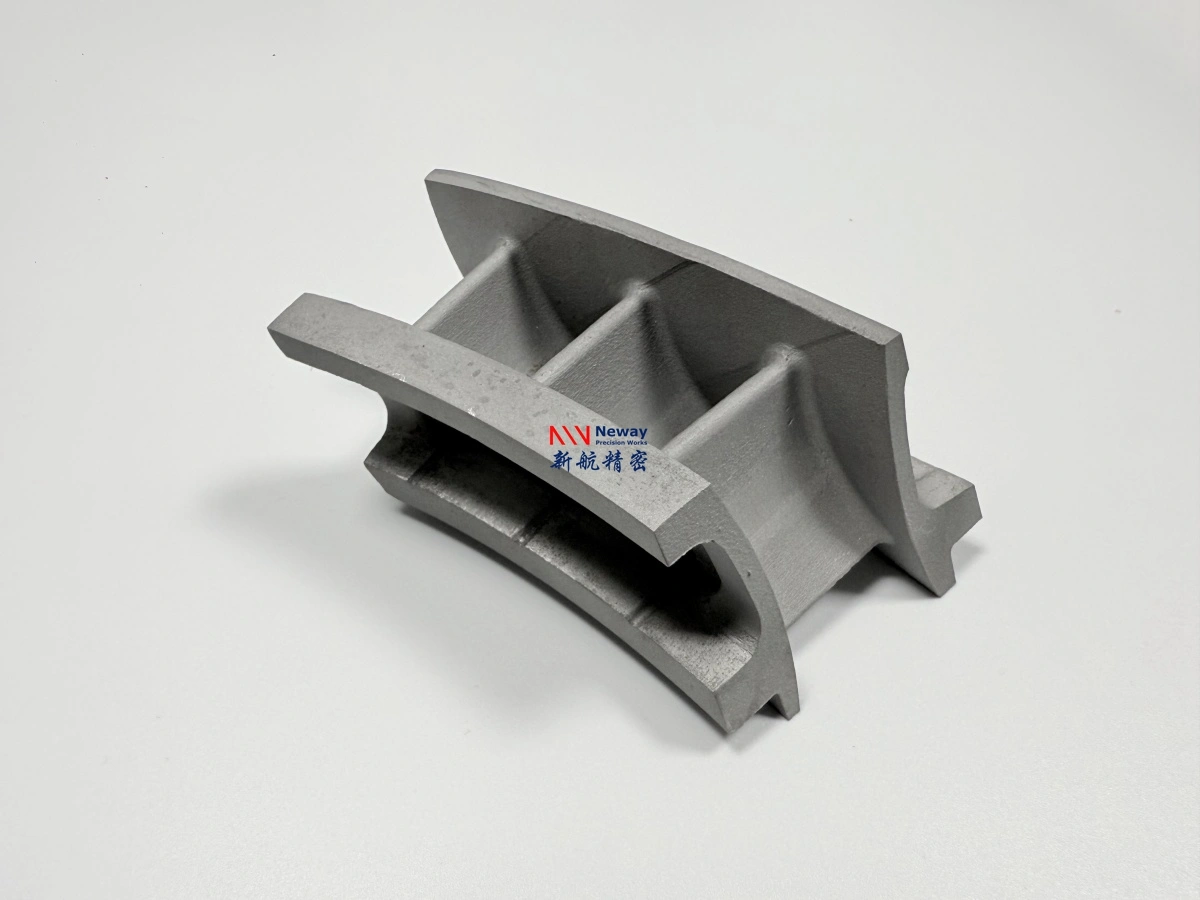
1. Direct Answer: What Data Is Needed for an Inconel 713C Quote?
For an accurate Inconel 713C turbine or hot-section part quotation, customers should provide technical data that allows the supplier to review manufacturability, cost, lead time, risk, and quality-control requirements. The most important information includes CAD files, drawings, quantity, tolerance requirements, wall thickness, application conditions, post-processing needs, and inspection standards.
Required Data | Why It Is Needed |
|---|---|
3D CAD file | Used to review geometry, build orientation, support design, material volume, and powder removal feasibility. |
2D drawing | Defines tolerances, datums, wall thickness, holes, slots, sealing faces, assembly surfaces, and inspection points. |
Quantity | Affects build layout, setup cost, post-processing plan, inspection scope, and unit price. |
Material requirement | Confirms whether Inconel 713C, GH4099-class alloy, or another superalloy is required. |
Operating temperature | Helps evaluate whether the alloy and post-processing route are suitable for the hot-section environment. |
Load and pressure conditions | Helps determine whether HIP, CT, X-ray, FPI, or additional mechanical evaluation should be considered. |
Thermal cycling details | Important for turbine, nozzle, combustion, and test-rig parts exposed to repeated heating and cooling. |
Inspection requirements | Defines whether CMM, 3D scanning, CT, X-ray, FPI, material certificates, or FAI reports are needed. |
2. What 3D File Format Should Be Provided?
STEP or X_T files are preferred for Inconel 713C turbine and hot-section part quotation because they provide accurate solid model data for engineering review. STL files can support an initial printing evaluation, but they are usually not enough to define tolerances, datums, machining allowance, or inspection requirements.
For powder bed fusion, the 3D model is used to evaluate build orientation, support design, powder removal, volume, thin-wall risk, and possible cracking or distortion areas. If the part includes internal passages, cooling channels, or enclosed cavities, the model should clearly show these features.
File Type | Quotation Use |
|---|---|
STEP | Preferred for engineering review, machining planning, and manufacturability analysis. |
X_T | Preferred for accurate solid model review and technical quotation. |
STL | Useful for initial printability and volume review, but limited for tolerance and machining evaluation. |
3MF | Can support preliminary additive manufacturing review when available. |
Assembly file | Helpful when the part must fit with surrounding turbine, nozzle, housing, or fixture components. |
3. What Should Be Included in the 2D Drawing?
A 2D drawing is strongly recommended for Inconel 713C hot-section parts because many functional requirements cannot be understood from the 3D model alone. Turbine vanes, nozzles, brackets, rings, and test-rig parts often include datum faces, root features, holes, slots, sealing surfaces, flanges, and assembly interfaces that need controlled machining and inspection.
Drawing Item | Recommended Details |
|---|---|
Datums | Define reference surfaces for CNC machining, EDM, CMM inspection, and assembly alignment. |
Tolerances | Separate critical tolerances from general tolerances to avoid overpricing non-critical features. |
Wall thickness | Important for crack-risk review, distortion control, and powder removal feasibility. |
Holes and slots | Specify diameter, depth, tolerance, position, and whether CNC or EDM finishing is required. |
Assembly faces | Define flatness, parallelism, perpendicularity, surface finish, and machining allowance. |
Sealing surfaces | Specify roughness, flatness, pressure-related requirements, and final finishing method. |
Blade root or mounting interface | Define critical geometry, datum control, machining sequence, and inspection requirements. |
Critical surfaces | Identify gas-path, flow, sealing, load-bearing, or mating areas that require special control. |
4. What Application Conditions Should Be Shared?
For Inconel 713C turbine or hot-section parts, application conditions are essential for quotation. The same geometry may need different manufacturing routes depending on temperature, combustion environment, pressure, load, and service-life expectations.
Inconel 713C parts are often associated with turbine development, hot gas flow, combustion testing, and energy and power applications. These parts should be quoted with a clear understanding of the operating environment rather than only geometric data.
Application Condition | Why It Matters |
|---|---|
Maximum operating temperature | Helps evaluate alloy suitability, heat treatment needs, and hot-section risk. |
Gas or combustion environment | Important for oxidation, hot corrosion, surface condition, and coating or finishing decisions. |
Thermal cycling frequency | Helps assess fatigue, cracking risk, distortion, and inspection level. |
Heating and cooling rate | Important for parts exposed to rapid temperature changes or test-rig cycles. |
Mechanical load | Helps determine whether the part is structural, fixture-related, or mainly for geometry validation. |
Pressure or flow condition | Important for nozzles, channels, sealing surfaces, and leakage-sensitive parts. |
Target service life | Helps distinguish short-term prototype testing from long-duration functional validation. |
5. What Post-Processing Requirements Should Be Defined?
Post-processing can strongly affect the cost, lead time, and performance of Inconel 713C printed parts. Customers should define whether the parts need stress relief, heat treatment, HIP, CNC machining, EDM, surface treatment, inspection, or documentation.
For turbine and hot-section parts, as-printed surfaces are often not sufficient for sealing, assembly, airflow, or precision mounting. Functional areas may require machining, polishing, blasting, coating preparation, or other surface treatment depending on the application.
Post-Processing Item | Quotation Impact |
|---|---|
Stress relief | May be needed to reduce residual stress before support removal or precision machining. |
Heat treatment | Affects material properties, dimensional stability, and process sequence. |
HIP | May be recommended for internal quality improvement in high-risk hot-section parts. |
CNC machining | Required for datum faces, flanges, sealing surfaces, threaded holes, and precision interfaces. |
EDM | Useful for fine holes, slots, thin features, and hard-to-machine superalloy areas. |
Surface finishing | Affects roughness, appearance, airflow surfaces, coating preparation, and functional surfaces. |
X-ray or CT inspection | Important for detecting internal defects, cracks, porosity, blocked channels, or trapped powder. |
Dimensional inspection | Confirms critical dimensions, datum features, machined interfaces, and drawing compliance. |
6. Why Do Quantity and Development Stage Matter?
Quantity and development stage directly affect quotation strategy. A single prototype, small validation batch, and future production program should not be quoted in the same way. For Inconel 713C turbine and hot-section parts, the supplier needs to know whether the design is still changing or already frozen for production planning.
Project Information | Quotation Consideration |
|---|---|
Single prototype | Higher unit price may occur because engineering review, setup, and inspection are concentrated on one part. |
Small batch | May allow better build layout and shared post-processing cost compared with one-off production. |
Future annual demand | Helps compare repeat 3D printing, tooling-based manufacturing, or hybrid prototype-to-production routes. |
Design not frozen | 3D printing may be useful for validation before committing to tooling or production process development. |
Design frozen | Allows more accurate quotation for repeat production, machining fixtures, inspection planning, and lead time. |
Prototype or final-use part | Determines whether the quote should focus on geometry validation, functional testing, or production-level quality control. |
7. RFQ Checklist for Inconel 713C Turbine and Hot-Section Parts
Before requesting a quote, customers can use the following checklist to prepare the required technical information. Complete data helps reduce quotation delays and improves the accuracy of cost, lead time, manufacturability, and quality-control review.
RFQ Checklist Item | Recommended Input |
|---|---|
CAD file | STEP or X_T preferred; STL acceptable for preliminary evaluation. |
2D drawing | Include tolerances, datums, wall thickness, holes, slots, sealing surfaces, and critical features. |
Material | Confirm Inconel 713C, GH4099-class alloy, or acceptable alternatives. |
Quantity | Specify prototype quantity, pilot batch quantity, and possible future demand. |
Application | Describe turbine, nozzle, combustion, test-rig, gas-path, or other hot-section use. |
Operating condition | Provide temperature, gas environment, pressure, load, thermal cycling, and target service life. |
Post-processing | Confirm heat treatment, HIP, CNC, EDM, surface finishing, or coating-related needs. |
Inspection | Specify CT, X-ray, FPI, CMM, 3D scanning, FAI, or material documentation requirements. |
Target lead time | Indicate whether the project is standard, urgent, or linked to a test schedule. |
8. Summary
To request Inconel 713C hot-section parts quotation accurately, customers should provide complete technical data, including 3D CAD files, 2D drawings, quantity, tolerances, material requirements, working temperature, gas environment, thermal cycling, load conditions, post-processing needs, inspection standards, and development stage.
For turbine, nozzle, combustion, and energy-related hot-section components, a complete RFQ allows the supplier to evaluate crack risk, printability, support removal, powder removal, machining allowance, heat treatment, HIP, surface treatment, inspection cost, and lead time. Customers can submit files and technical requirements through 3D Printing Service to start an Inconel 713C turbine or hot-section part quotation review.
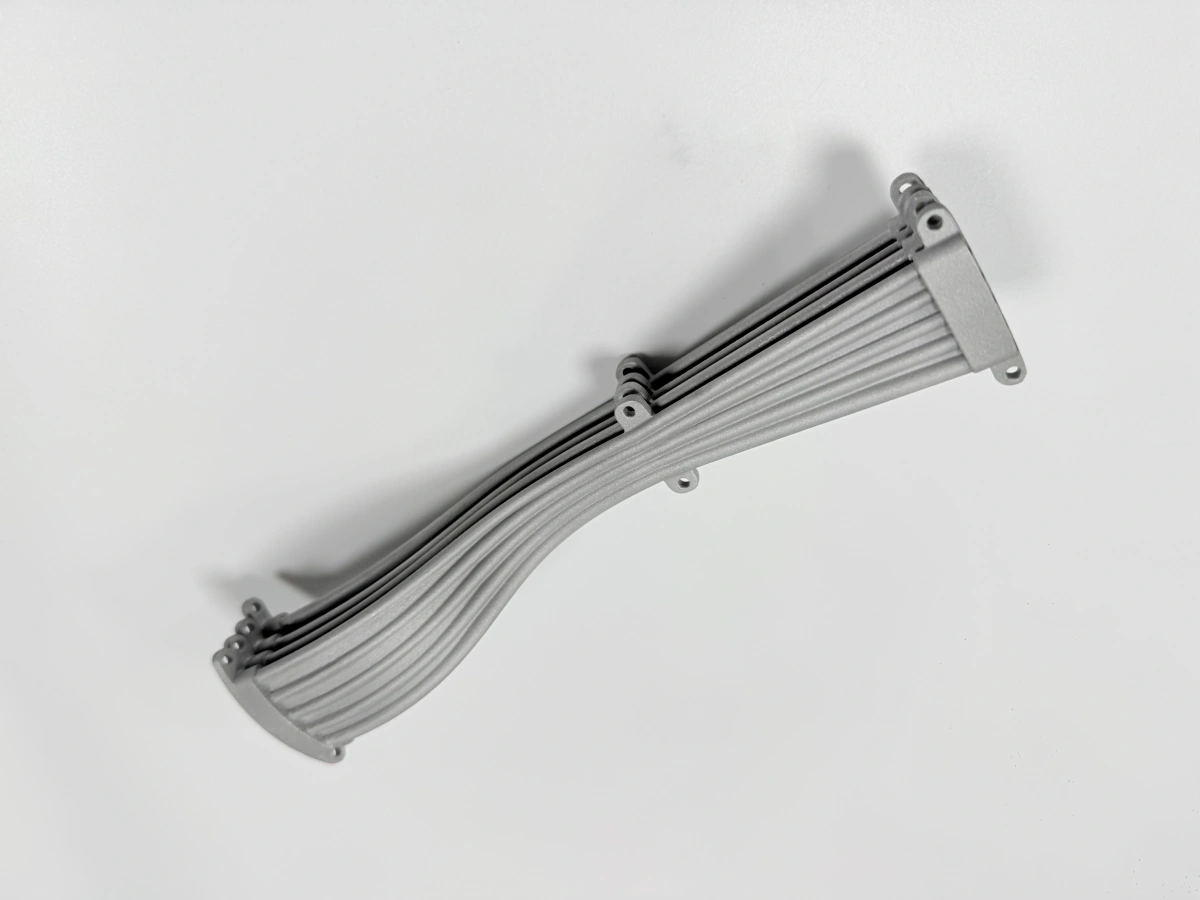
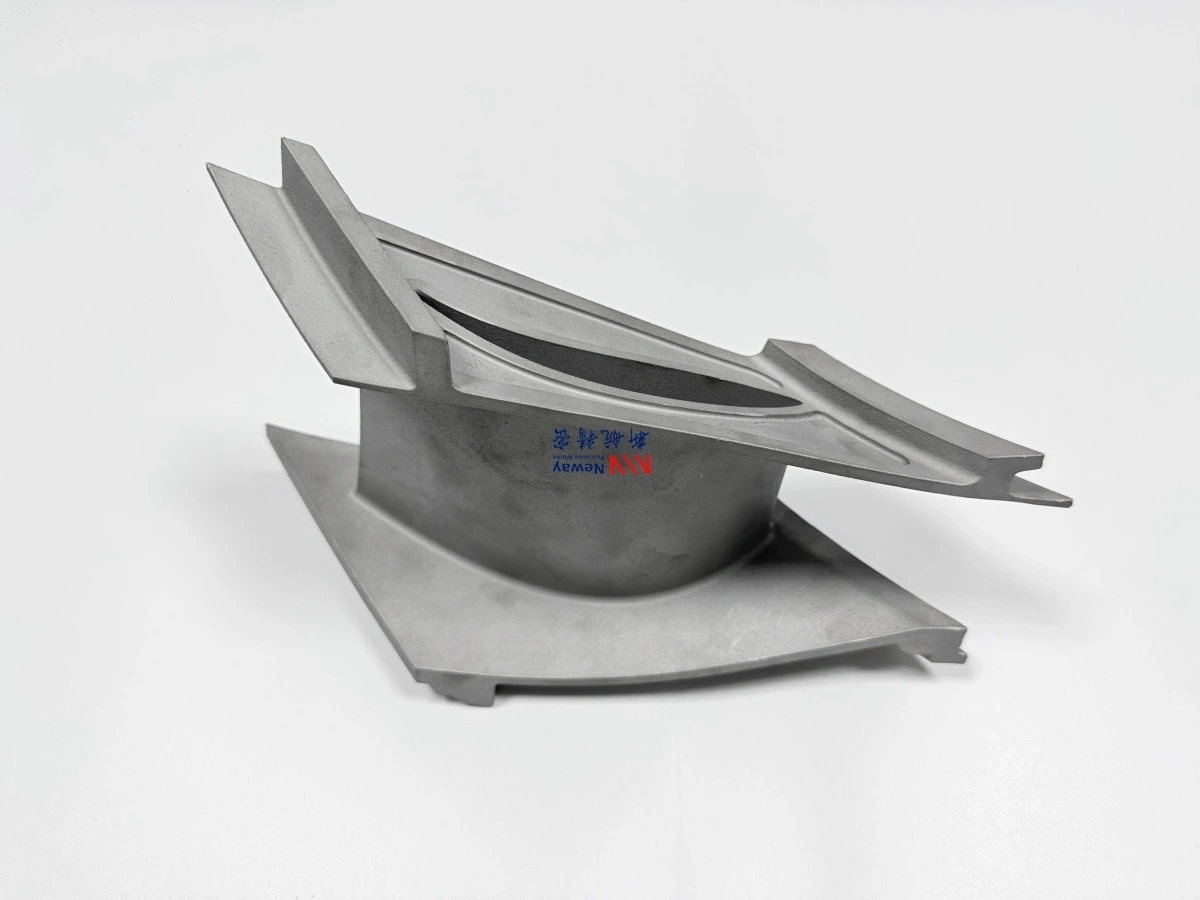
.webp)