How do post-processing methods improve resin 3D printed parts?
How do post-processing methods improve resin 3D printed parts?
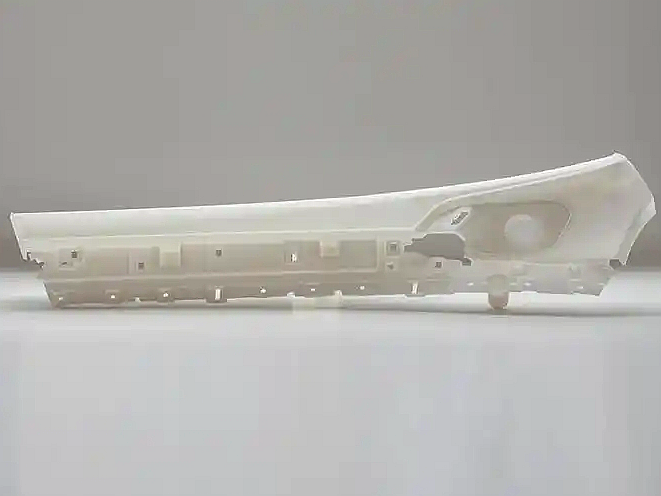
Post-processing improves resin parts by removing uncured material, completing polymer conversion, reducing tack, improving appearance, and establishing the final dimensions and surface. Each step can also change shrinkage, color, modulus, and brittleness, so it must be controlled rather than treated as a universal upgrade.
What is the correct sequence?
A typical route includes support removal, washing, drying, post-curing, and then sanding, coating, machining, or polishing if required. The exact solvent, wash duration, cure intensity, temperature, and time should follow the selected resin and geometry.
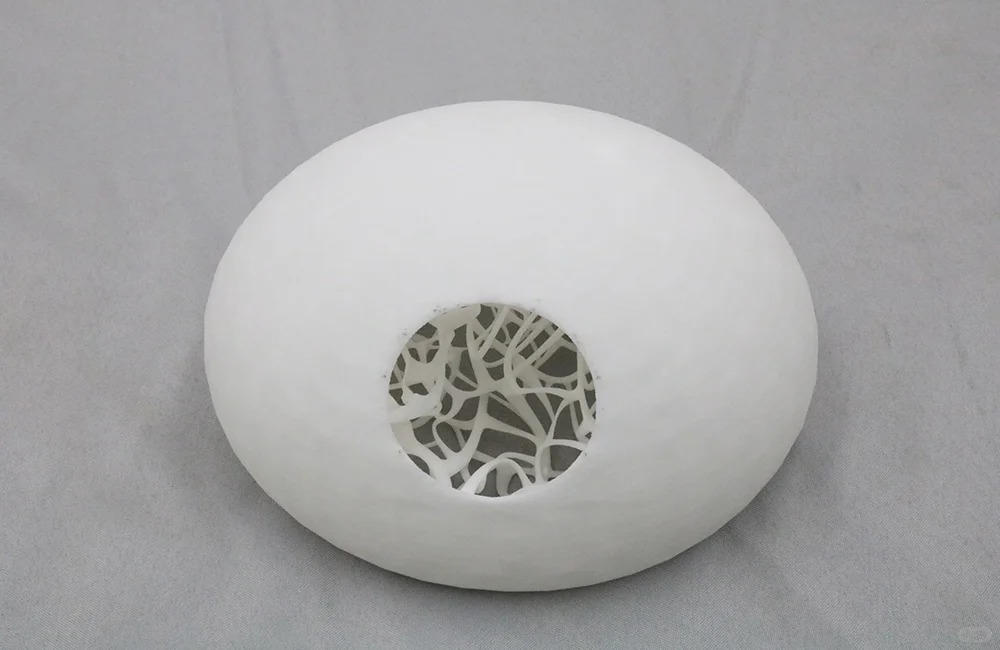
Hollow parts need drainage and internal cleaning. A clean exterior is not evidence that a cavity is free of uncured resin.
How can finishing affect acceptance?
Washing removes uncured resin, drying controls the measurement state, and post-curing changes conversion, shrinkage, modulus, and brittleness. Sanding or coating can improve appearance while changing a fit. Record the sequence and verify the finished critical feature, surface, and assembly after every step that can alter acceptance.
Sanding can remove a support scar but change a datum or feature size. Coating can change fit and chemical resistance. Cure can shrink or warp thin sections. Measure and photograph the final state when appearance or fit matters.
If the part is functional, test after all required processing, not on a convenient green or partially cured state.
What records should accompany the part?
Request resin lot, machine or process, wash and cure records, final dimensions, and any agreed functional test. Surface treatment should be described by purpose and final thickness or roughness where relevant.
Support removal, washing, drying, post-curing, and finishing each affect the final part. A wash that is too short leaves residue; a wash that is too aggressive can affect a delicate feature. Cure changes conversion, modulus, color, shrinkage, and sometimes brittleness. Sanding can remove a support mark but also change the datum or fit.
For hollow parts, verify the inside as well as the outside. Rotate the part during cleaning, use the specified drain path, dry the cavity, and define a residue limit. For a mold or pattern, check dimensions after cure and after any coating. For a functional part, test after every required finishing operation.
A surface treatment should have a purpose and a measurable result: appearance, roughness, chemical resistance, sealing, or release. It should not be used to hide a dimensional defect. Record coating thickness or final roughness when those affect function.
The production record should identify resin lot, process, wash, dry, cure, finish, and inspection. This is especially important when the part will be reproduced after a design change or by another operator.
Post-processing records should identify wash medium, wash time, drying, cure intensity and duration, support removal, and finish. The final report should include dimensions and any residue or surface requirement.
This is especially important for cavities, transparent parts, and parts used as molds or patterns.
Post-processing must be included in the design review because it can improve or damage the feature. Wash and cure, support removal, sanding, coating, and polishing all change the final geometry or surface. Measure after the complete sequence.
Washing, drying, curing, support removal, sanding, coating, and polishing can each change the final surface or dimension. Hollow parts need drainage, internal cleaning, drying, and residue limits. A clean exterior is not proof that uncured resin is absent inside.
Record resin lot, process, wash, cure, finish, dimensions, and functional test. Repeated production should use the same sequence or document the change.
Post-processing should be controlled as part of the material history. Wash duration and solvent affect residue; drying affects cavity cleanliness; cure affects conversion and brittleness; sanding and coating affect dimensions and roughness. A hollow part needs an inside inspection or residue limit. A mold or pattern needs a release and thermal check after finishing.
The final release record should list resin lot, wash, dry, cure, support removal, finish, dimensions, and functional or environmental result. A smooth appearance cannot replace this record.
A material or process change should trigger a review even when the geometry is unchanged. Resin lot, machine, layer, exposure, orientation, support, wash, cure, and finish can all change the result. Record the state so a later batch can be compared and a deviation can be investigated.
The industry decision should name the actual workflow. A dental model, casting pattern, aerospace fit check, automotive prototype, and service fixture have different environmental and approval limits. State whether the part contacts a user or patient, sees heat or chemicals, or is only used for design review. Then choose a representative test and keep that scope in the release record.
The release record should identify whether the part is a model, pattern, fit check, fixture, or service component. That classification keeps evidence proportional to use. State the expected life or cycle count when the part is functional, together with temperature and exposure.
The use classification should remain attached to the final resin and process record.
Post-processing record
Washing removes uncured resin, drying establishes a measurement state, and post-curing changes conversion, shrinkage, modulus, color, and brittleness. Support removal, sanding, coating, and polishing can alter datums or mating dimensions. Hollow parts also require a drain, wash, and inspection route because a clean exterior does not prove that uncured material is absent inside. resin 3D printing
Measure the final feature after the last operation that can change acceptance and run the functional test in that state. Record resin lot, wash medium and duration, dry condition, cure schedule, finish, instrument, and deviation disposition. and resin materials are supporting routes; they cannot replace evidence on the delivered part.