
EDM Tolerances and Surface Finish for Printed Metal Parts
EDM tolerances and surface finish matter when a printed metal part has features that are difficult to finish with ordinary milling, drilling, or polishing. Additive manufacturing can produce a near-net metal form, but some slots, internal corners, hard alloys, delicate walls, and sealing surfaces need a finishing method that does not rely on cutting force.
The buyer should consider EDM early when the part requires tight local geometry, fine surface control, hard material finishing, or access to features that standard CNC tools cannot reach. If EDM is discovered after printing, the part may not have the correct stock, access, or datum strategy for the operation.
Neway reviews electrical discharge machining as a post-process tied to the drawing. EDM should be quoted by feature and acceptance requirement, not as a broad finishing label applied to the whole part.
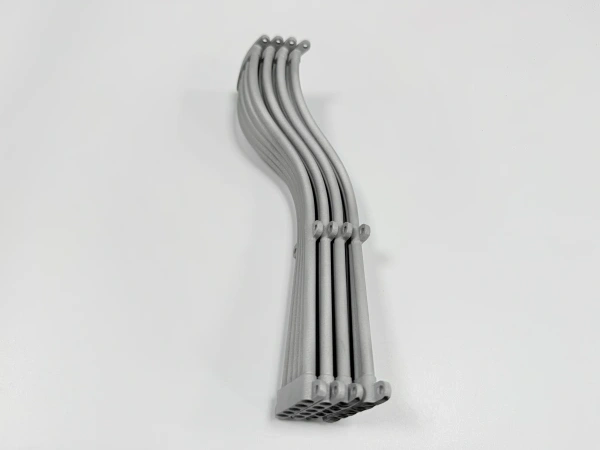
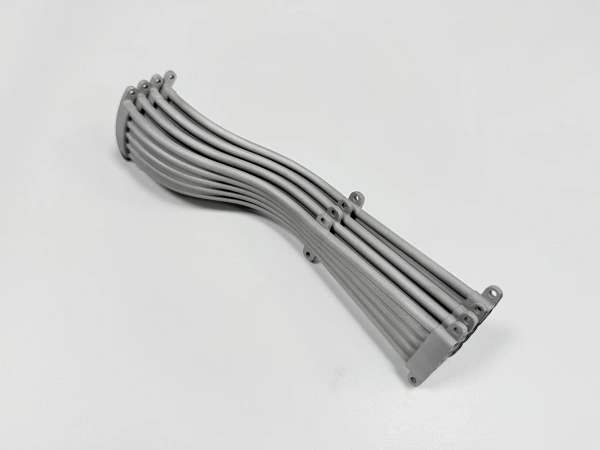
When EDM Is Better Than Force-Based Cutting
CNC machining is usually the first finishing route for datums, pads, bores, and threads. EDM becomes relevant when cutting force, tool diameter, hardness, or geometry access creates risk. Printed superalloy, titanium, hardened steel, and delicate thin-wall features can make EDM worth reviewing after the additive route is selected.
Typical EDM candidates include narrow slots, sharp internal corners, precision profiles, hard-to-reach surfaces, small openings, and features that would deflect under a conventional cutting tool. Wire EDM can be useful for through-features and profiles. Sinker EDM may be reviewed when shaped cavities, local surface control, or non-through details are involved. The choice depends on geometry and acceptance requirement.
EDM does not replace design review. The part still needs accessible geometry, a datum plan, and enough stock where finishing is required. A printed feature that is trapped inside a channel or blocked by adjacent walls may not be reachable just because EDM is mentioned in the RFQ.
Wire path or electrode access should be reviewed before printing. A wire-cut feature may need a start hole or an open edge. A sinker EDM feature may need room for electrode approach and flushing. If the AM design leaves no access for these items, the buyer may need to change the feature, split the component, or accept a different finishing method.
EDM Tolerance Depends on Feature Geometry
Buyers often ask for EDM machining tolerances as if one value applies to every feature. In practice, tolerance depends on material, feature size, electrode or wire access, datum setup, thermal condition, and inspection method. A narrow slot, a precision profile, a thin wall, and a sealing land do not carry the same risk.
The drawing should show which dimensions are critical to function and which surfaces are reference or clearance only. If tight tolerances are applied broadly to the whole printed part, the quote may include unnecessary finishing. If the tolerances are assigned only to EDM-controlled features, the supplier can plan the operation and inspection more accurately.
Datum stability is part of tolerance planning. EDM can hold a local feature only as well as the part can be referenced and restrained. If the printed blank has moved after heat treatment, support removal, or rough machining, the EDM setup should reference finished datums rather than rough printed surfaces whenever the drawing requires positional accuracy.
EDM feature type | Why EDM is reviewed | Quote variable | Inspection method to define |
|---|---|---|---|
Narrow slot or profile | Rotating tools may not fit or may leave unwanted corner radius. | Wire path, start hole, stock condition, and datum reference. | CMM, optical check, or profile measurement as specified. |
Hard alloy surface | Tool wear or cutting force may make milling less stable. | Material condition, surface area, and removal amount. | Dimensional check and surface condition report when required. |
Delicate thin feature | Mechanical cutting force may deflect or damage the part. | Workholding, support after printing, and finishing sequence. | Feature thickness, profile, and visual edge condition. |
Sealing or contact surface | Surface texture and flatness may control function. | EDM finish level, follow-up polishing, and inspection scope. | Surface finish, flatness, and leak-related evidence if specified. |
Surface Finish Should Be Specified by Function
EDM surface finish can be useful when a printed metal part needs controlled local texture or a finer finish than the as-printed condition. Buyers should specify where the surface finish matters: sealing surface, sliding contact, mold-like detail, flow passage access, or visible precision feature. A general note asking for EDM surface finish on the whole part can create unnecessary cost.
Mirror finish on 3D printed parts is a separate discussion. EDM may help create or prepare certain surfaces, but the final surface may also depend on polishing, access, material, geometry, and the starting condition after printing. If the buyer requires a mirror-like area, the RFQ should mark the exact surface and acceptance method. It should not imply that every printed wall can be converted to the same finish.
The existing Neway article on EDM mirror surface creation on 3D printed parts is useful when the main concern is local appearance or contact surface quality. For a production RFQ, that finish should still be tied to the drawing and inspection evidence.
Surface finish expectations should also consider recast layer, edge condition, and follow-up cleaning or polishing where specified by the buyer. Neway should not assume that an EDM surface automatically satisfies a sealing, sliding, or cosmetic requirement. The drawing should define the acceptance surface and whether the EDM condition is final or only an intermediate step before polishing or coating.
EDM and CNC Should Be Sequenced Together
EDM is often one step inside a larger post-machining route. A printed blank may first need stress relief, support removal, datum machining, rough CNC, EDM, finish CNC, deburring, and final inspection. The exact order depends on the material and which feature controls the part.
If EDM comes before datum machining, the setup may lack a stable reference. If EDM comes after final CNC, the part may need protection so finished faces are not damaged during handling. If heat treatment occurs after EDM, the buyer should review whether dimensional movement could affect the finished feature. These sequence decisions belong in the quote before the purchase order is released.
For high-value printed metal parts, it may be useful to quote a first sample workflow separately from repeat work. The first sample confirms stock, access, EDM path, and inspection method. Once the workflow is proven, repeat parts can be quoted with a clearer operation sequence and fewer assumptions. That is different from treating EDM as a generic finishing note.
Route choice | Use when | Cost driver | Buyer decision |
|---|---|---|---|
CNC only | Tool access is clear and geometry accepts normal cutter radius. | Setup count, tool reach, material condition, and tolerance scope. | Which faces and holes need finished tolerance. |
EDM plus CNC | Some features need low-force or sharp-profile finishing. | Datum setup, EDM path, electrode or wire planning, and inspection. | Which features are EDM-controlled and which remain CNC-controlled. |
EDM plus polishing | Local surface finish or mirror-like area is specified. | Access, material response, starting surface, and follow-up finishing. | Exact surface area and acceptance evidence. |
No EDM | Printed feature is non-critical or can be redesigned for milling. | Design change review and reduced finishing scope. | Whether a radius, relief, or larger opening is acceptable. |
Acceptance Evidence for EDM-Finished AM Parts
Inspection should follow the EDM feature. A profile may need CMM or optical measurement. A slot may need width, position, and edge condition checks. A surface finish requirement may need the method stated on the drawing. A delicate internal feature may need visual evidence, CT, or section-specific review if it cannot be reached by ordinary inspection.
Buyers should avoid asking for every possible report by default. Material records, heat-treatment records, CMM, surface finish report, and visual inspection all add work. The useful approach is to define which EDM-controlled features require evidence and which features only need standard workmanship review.
When the feature is internal or partially hidden, ordinary inspection may not prove the requirement. CT review, section-specific access, gauge design, or functional testing may be discussed depending on the part. If the buyer needs that evidence, it should be stated at RFQ stage so inspection cost and schedule are not added after the operation is complete.
RFQ Scope for EDM Finishing After Metal AM
To quote EDM on printed metal parts, send the STEP file, 2D drawing, material grade, quantity, printing process if known, heat treatment condition, datum scheme, EDM-controlled features, required tolerance, target surface finish, access limitations, polishing expectations, and inspection records. Mark whether EDM is mandatory or whether Neway may propose CNC or design adjustments for easier finishing.
If the part is still in development, separate required EDM operations from optional finish upgrades. That lets purchasing see the baseline finished-part price and the extra cost of tighter tolerance or improved surface finish before committing to a production route.
Related FAQs
.webp)
.webp)