¿Cuál es la principal ventaja de usar DMLS para piezas metálicas sobre los métodos de fabricación tr...
Descripción general de la tecnología de sinterización láser directa de metales
La sinterización láser directa de metales (DMLS) es un proceso avanzado de fabricación aditiva diseñado para producir componentes metálicos de alto rendimiento directamente a partir de modelos digitales. A diferencia de los métodos de fabricación sustractiva tradicionales, como el mecanizado o la fundición, DMLS construye piezas capa por capa utilizando un láser que fusiona selectivamente polvo metálico.
Los fabricantes industriales confían frecuentemente en proveedores especializados de servicios de impresión 3D para implementar DMLS al producir piezas metálicas complejas que serían difíciles o imposibles de fabricar utilizando técnicas convencionales.
DMLS pertenece a la categoría de Fusión en lecho de polvo de las tecnologías de fabricación aditiva. En este proceso, se extienden capas finas de polvo metálico sobre la plataforma de construcción y se fusionan usando un láser de alta precisión según un modelo CAD digital.
Los entornos modernos de fabricación aditiva a menudo integran DMLS junto con otras tecnologías como Extrusión de material, Fotopolimerización en cuba, Inyección de aglutinante y procesos de reparación híbridos como Deposición de energía dirigida. Cada proceso aborda diferentes requisitos de materiales y necesidades de producción.
Geometría compleja y libertad de diseño
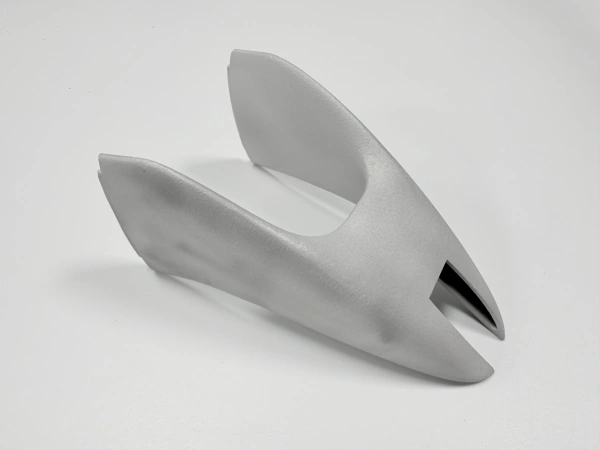
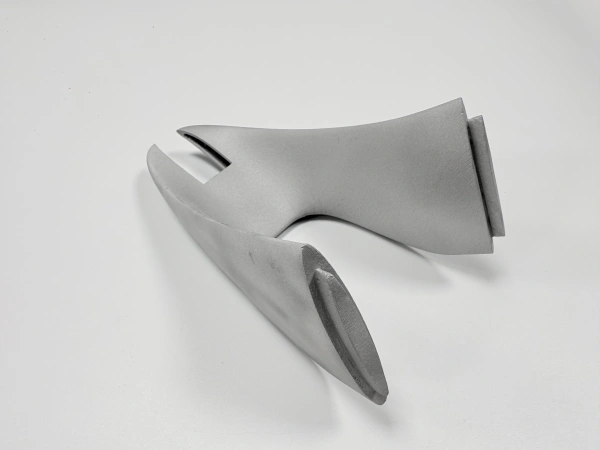
La principal ventaja de DMLS sobre la fabricación tradicional es su capacidad para producir geometrías extremadamente complejas que serían difíciles o imposibles de lograr utilizando fabricación sustractiva o fundición.
Debido a que DMLS construye piezas capa por capa, los ingenieros pueden diseñar canales internos, estructuras reticulares, caminos de enfriamiento conformes y formas optimizadas topológicamente ligeras sin estar limitados por las restricciones de las herramientas.
Esta libertad de diseño permite a los ingenieros reducir el peso, mejorar la eficiencia estructural y optimizar la gestión térmica en componentes de alto rendimiento.
Reducción de residuos de material en comparación con el mecanizado
Los procesos de fabricación tradicionales, como el mecanizado CNC, eliminan material de un bloque sólido, generando a menudo residuos significativos. En contraste, DMLS utiliza solo el polvo necesario para construir el componente.
El polvo no utilizado que rodea la pieza impresa a menudo puede reciclarse y reutilizarse en futuras construcciones. Esto reduce los residuos de materia prima y mejora la eficiencia general de fabricación.
Para metales de ingeniería costosos, como Inconel 718, la fabricación aditiva puede reducir significativamente los costes de material en comparación con los procesos sustractivos.
Materiales metálicos de alto rendimiento
DMLS admite una amplia gama de aleaciones metálicas de alto rendimiento utilizadas en entornos industriales exigentes.
Las superaleaciones a base de níquel, como Inconel 625, proporcionan una excelente resistencia a la corrosión y estabilidad a altas temperaturas para aplicaciones aeroespaciales y energéticas.
Otros materiales avanzados, como Haynes 230, se utilizan comúnmente en entornos térmicos extremos debido a su superior resistencia a la oxidación.
En estructuras aeroespaciales que requieren una excepcional relación resistencia-peso, se utilizan ampliamente aleaciones de titanio como Ti-6Al-4V (TC4).
Para componentes industriales resistentes a la corrosión, se seleccionan comúnmente materiales de acero inoxidable como Acero inoxidable SUS316.
Postprocesado y tratamiento superficial
Aunque la impresión DMLS produce componentes de forma casi neta, muchas aplicaciones industriales requieren operaciones de acabado adicionales para lograr tolerancias precisas y una calidad superficial óptima.
Las características de alta precisión a menudo se refinan utilizando Mecanizado CNC, lo que permite a los fabricantes lograr un control dimensional ajustado y un acabado superficial mejorado.
Para componentes que operan en entornos térmicos extremos, recubrimientos protectores como Recubrimientos de barrera térmica (TBC) pueden mejorar significativamente la resistencia al calor y la durabilidad.
Industrias que se benefician de la impresión metálica DMLS
La tecnología DMLS se utiliza ampliamente en industrias que requieren componentes metálicos de alto rendimiento con geometrías complejas.
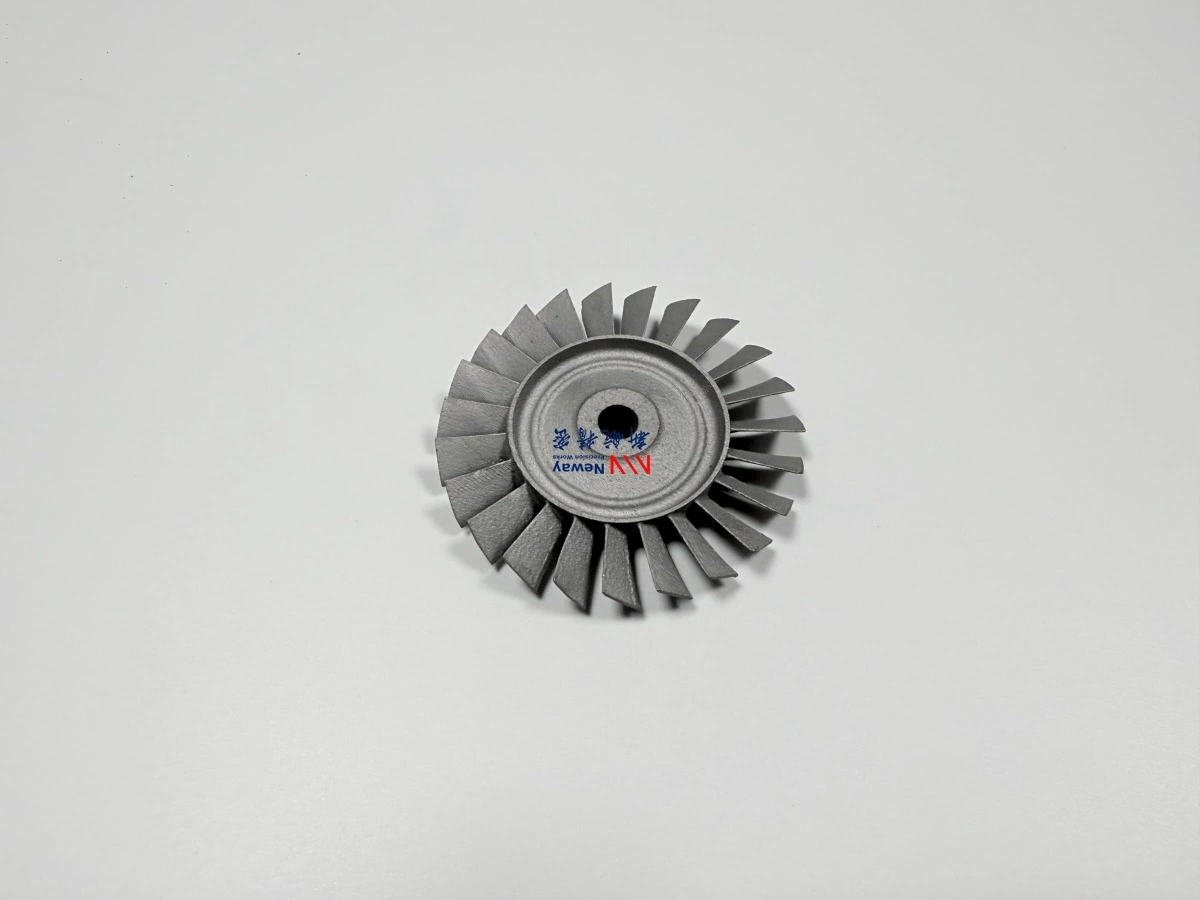
La industria Aeroespacial y de Aviación utiliza DMLS para producir componentes ligeros de turbinas, soportes y piezas estructurales.
En el sector Automotriz, los ingenieros utilizan la fabricación aditiva de metales para desarrollar componentes de rendimiento ligeros y prototipos funcionales.
Las empresas involucradas en aplicaciones de Energía y Potencia confían en DMLS para fabricar componentes de alta temperatura utilizados en turbinas, intercambiadores de calor y sistemas de energía.
Conclusión
La principal ventaja de la sinterización láser directa de metales sobre los métodos de fabricación tradicionales radica en su libertad de diseño, eficiencia de materiales y capacidad para producir piezas metálicas de alto rendimiento con geometrías complejas.
Al combinar materiales metálicos avanzados con capacidades de fabricación aditiva, DMLS permite a los ingenieros diseñar componentes más ligeros, fuertes y eficientes para aplicaciones industriales modernas.