¿Se puede utilizar DMLS para piezas de uso final de alto rendimiento?
Descripción general de DMLS para la fabricación de metal de uso final
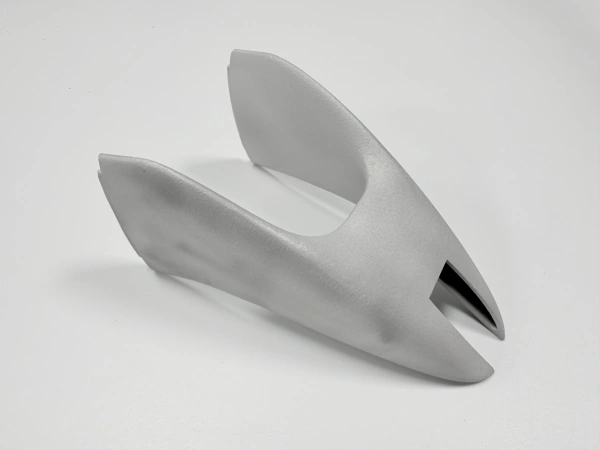
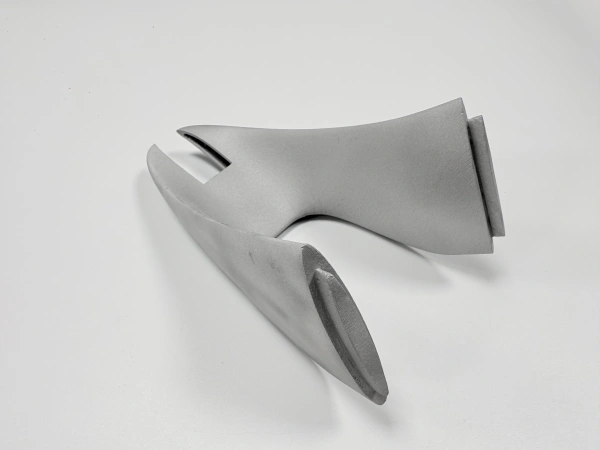
La sinterización directa de metal por láser (DMLS) es ampliamente reconocida como una de las tecnologías de fabricación aditiva más avanzadas para producir componentes metálicos de alto rendimiento. A diferencia de los métodos aditivos tradicionales centrados en la creación de prototipos, DMLS es capaz de producir piezas densas y estructuralmente robustas que pueden usarse directamente en aplicaciones industriales reales.
Los fabricantes confían cada vez más en proveedores profesionales de servicios de impresión 3D para producir componentes metálicos funcionales utilizando la tecnología DMLS. Debido a que el proceso construye las piezas capa por capa directamente a partir de polvos metálicos, permite geometrías complejas, reduce el desperdicio de material y ofrece una flexibilidad de diseño excepcional.
DMLS pertenece a la categoría de procesos de fabricación aditiva de Fusión en lecho de polvo, donde finas capas de polvo metálico se fusionan utilizando un láser de alta potencia. Este enfoque permite a los ingenieros producir piezas con geometría casi neta y propiedades mecánicas comparables a las de materiales forjados o fundidos.
En los entornos de fabricación modernos, DMLS a menudo complementa otras tecnologías de fabricación aditiva como la Extrusión de material, la Fotopolimerización en cuba, la Inyección de aglutinante y métodos híbridos de reparación de metales como la Deposición de energía dirigida.
Resistencia mecánica y rendimiento estructural
Una de las razones clave por las que DMLS puede usarse para piezas de uso final es su capacidad para producir estructuras metálicas completamente densas con excelentes propiedades mecánicas. Cuando se optimizan correctamente, los componentes DMLS pueden alcanzar niveles de densidad superiores al 99 por ciento.
Este nivel de densidad garantiza que las piezas posean una fuerte resistencia a la tracción, resistencia a la fatiga y estabilidad térmica, lo que las hace adecuadas para entornos industriales exigentes.
Debido a que la fabricación aditiva construye las piezas capa por capa, los ingenieros también pueden implementar diseños estructurales avanzados, como estructuras reticulares y geometrías optimizadas topológicamente, que mejoran la relación resistencia-peso mientras reducen el uso de material.
Materiales metálicos de alto rendimiento
DMLS admite una amplia gama de metales de ingeniería diseñados para entornos operativos extremos. Estos materiales permiten la producción de componentes de uso final duraderos en múltiples industrias.
Las superaleaciones a base de níquel, como la Inconel 718, se utilizan ampliamente en aplicaciones aeroespaciales y de turbinas porque mantienen su resistencia a temperaturas elevadas.
Otra aleación de alto rendimiento es la Inconel 625, que ofrece una excelente resistencia a la corrosión y durabilidad mecánica en entornos hostiles.
Para componentes estructurales ligeros, las aleaciones de titanio, como la Ti-6Al-4V (TC4), proporcionan una relación resistencia-peso excepcional.
Para equipos industriales y aplicaciones resistentes a la corrosión, se utilizan con frecuencia aceros inoxidables como el Acero Inoxidable SUS316.
Los entornos aeroespaciales de alta temperatura también pueden requerir superaleaciones como la Haynes 230 debido a su resistencia a la oxidación y estabilidad térmica.
Postprocesado para componentes funcionales
Aunque las piezas DMLS se producen cerca de su geometría final, a menudo se requieren procesos de acabado adicionales para aplicaciones de uso final.
Las superficies críticas y las interfaces mecánicas suelen refinarse utilizando Mecanizado CNC para lograr tolerancias ajustadas y un mejor acabado superficial.
En entornos operativos de alta temperatura, se pueden aplicar recubrimientos avanzados, como los Recubrimientos de Barrera Térmica (TBC), para mejorar la resistencia al calor y prolongar la vida útil.
Industrias que utilizan componentes de uso final DMLS
La capacidad de DMLS para producir componentes metálicos complejos y de alta resistencia la hace valiosa en varios sectores industriales.
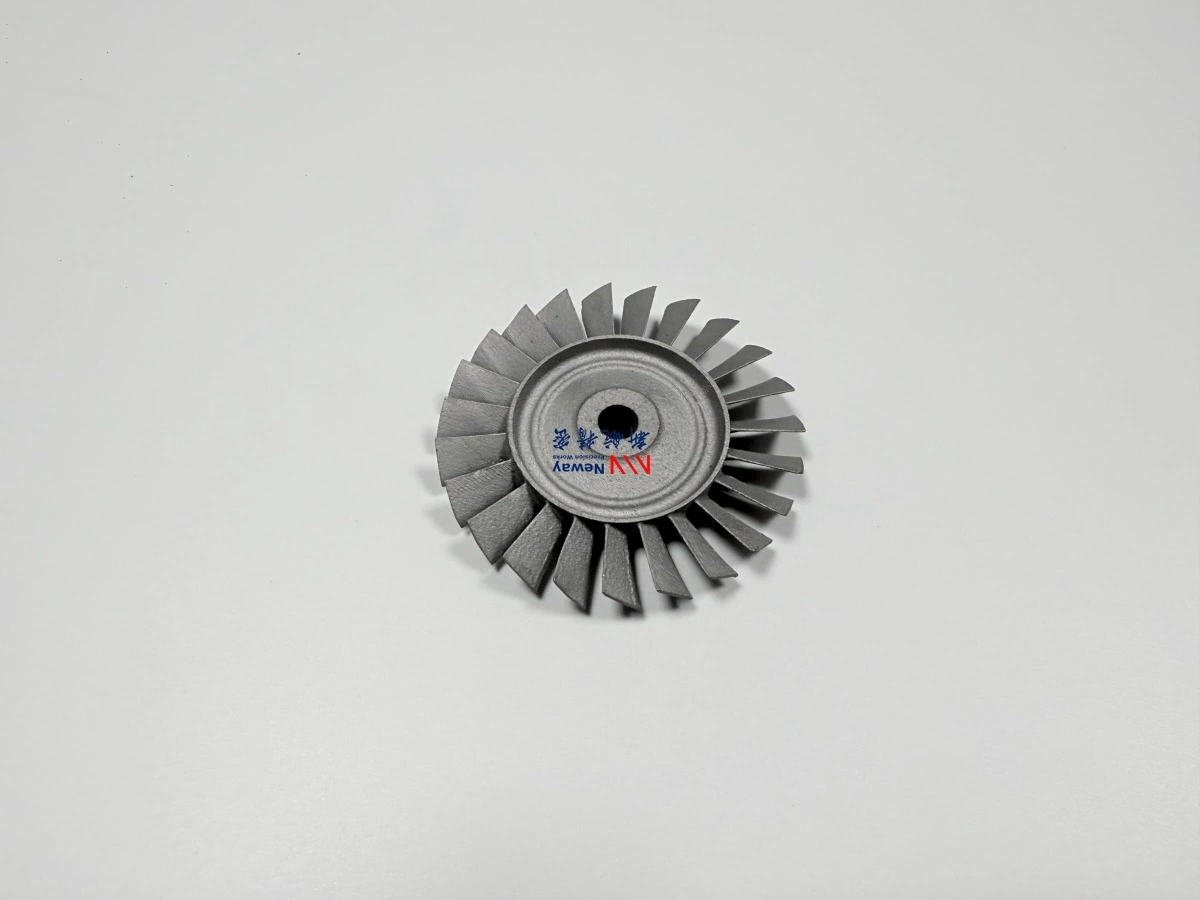
La industria Aeroespacial y de Aviación utiliza con frecuencia DMLS para fabricar componentes de turbinas, soportes estructurales y piezas de aviones ligeras.
En la industria Automotriz, los ingenieros utilizan la fabricación aditiva de metal para desarrollar componentes de motores de alto rendimiento, piezas estructurales ligeras y sistemas prototipo.
El sector de Energía y Potencia utiliza DMLS para producir componentes de turbinas de alta temperatura, intercambiadores de calor y piezas complejas de sistemas energéticos.
Conclusión
La tecnología DMLS ha madurado hasta convertirse en una solución de fabricación confiable capaz de producir piezas metálicas de uso final de alto rendimiento. Con su capacidad para crear geometrías complejas, reducir el desperdicio de material y procesar aleaciones de ingeniería avanzadas, DMLS ofrece ventajas significativas sobre los métodos de fabricación tradicionales.
A medida que la fabricación aditiva continúa evolucionando, DMLS se está convirtiendo en una tecnología cada vez más importante para producir componentes metálicos duraderos, ligeros y de alta eficiencia en múltiples sectores industriales.