Improved Surface Finish: Achieve Smooth, High-Quality Finishes with HIP
Introduction
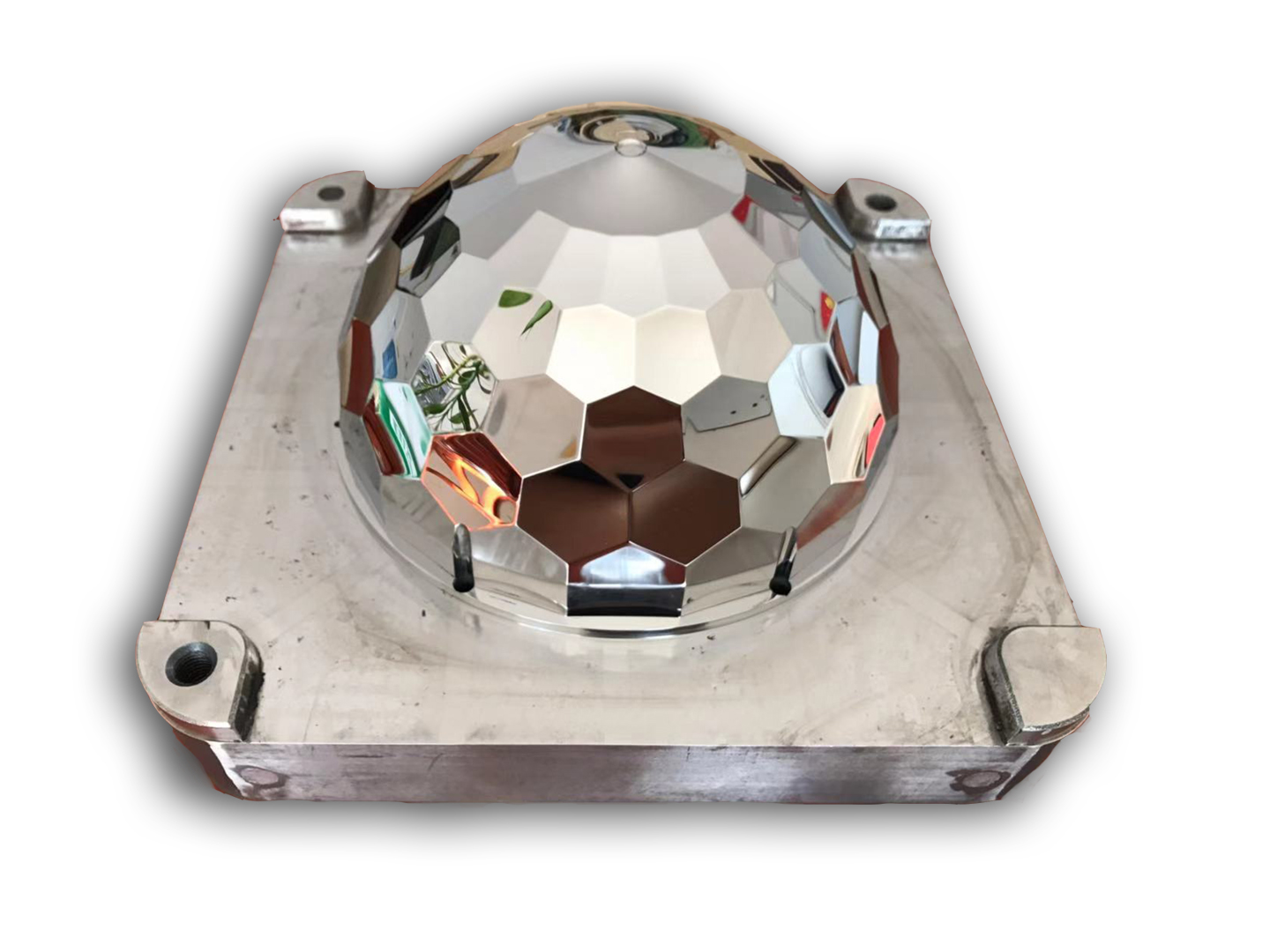
Surface quality is a critical factor in determining the performance, durability, and appearance of metal components. In processes such as casting and additive manufacturing, as-built surfaces often exhibit roughness (Ra 6.3–25 μm or higher), micro-porosity, and irregular textures that limit functional performance.
Hot Isostatic Pressing (HIP), while primarily known for densification, also plays an important role in improving surface integrity at the microstructural level. At Neway, HIP is integrated into our advanced workflow alongside 3D printing and metal casting, enabling both internal and surface-level performance improvements.
Understanding Surface Quality in Metal Parts
Surface finish is typically measured by roughness parameters such as Ra (average roughness), Rz (peak-to-valley height), and waviness. In manufacturing:
• As-cast surfaces: Ra ~6.3–12.5 μm
• As-printed metal parts: Ra ~10–25 μm (depending on process)
• Precision-machined surfaces: Ra ~0.8–3.2 μm
Surface irregularities not only affect aesthetics but also:
• Increase friction and wear rates
• Reduce fatigue strength by up to 30%
• Promote corrosion initiation
• Impact sealing and assembly performance
How HIP Improves Surface Integrity
HIP does not directly polish the surface but improves the underlying material structure, which significantly enhances the effectiveness of subsequent finishing processes.
Key mechanisms include:
• Closure of sub-surface porosity (typically reducing internal voids from ~1% to <0.05%)
• Reduction of micro-cracks and discontinuities
• Improved grain boundary bonding and uniformity
• Residual stress reduction by 30–70%
These improvements result in a more stable and uniform surface layer, enabling better finishing outcomes.
Quantifiable Surface Benefits After HIP
Although HIP alone does not change Ra significantly, it enhances surface-related performance metrics:
• Fatigue life improvement: +50–300% (due to elimination of crack initiation sites)
• Surface defect reduction: up to 90% decrease in sub-surface voids
• Improved coating adhesion strength: +20–40%
• Reduced surface crack propagation rate by up to 60%
• Improved polishing efficiency: up to 30% reduction in finishing time
HIP Combined with CNC Machining
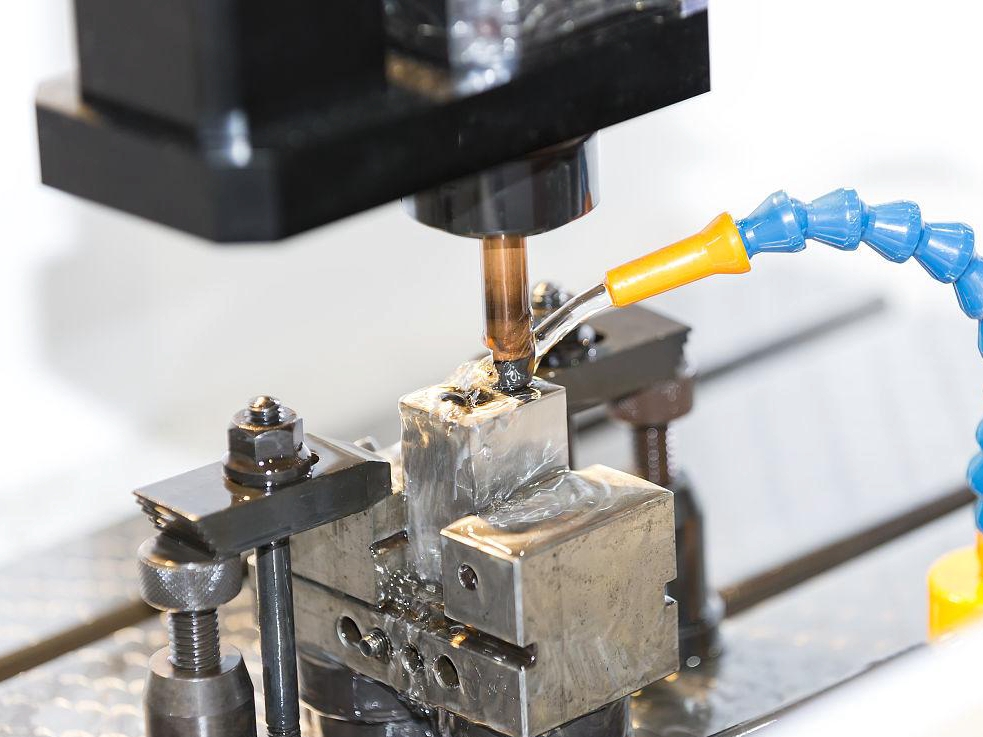
To achieve functional surface finishes, HIP is typically followed by CNC machining. The improved material density after HIP allows for:
• More consistent cutting behavior
• Reduced tool wear (up to 15–25%)
• Achievable surface roughness: Ra 0.8–1.6 μm
• Improved dimensional stability during machining
This is particularly important for sealing surfaces, bearing interfaces, and high-precision assemblies.
HIP and Secondary Surface Finishing Processes
Sand Blasting and Surface Preparation
Sand blasting is often applied after HIP to remove residual surface irregularities. HIP-treated parts show:
• More uniform blasting response
• Reduced risk of exposing internal defects
• Consistent surface texture (Ra ~3.2–6.3 μm after blasting)
Tumbling and Edge Refinement
Tumbling further refines surface smoothness and removes sharp edges. With HIP-treated materials:
• Edge rounding consistency improves by ~20–30%
• Surface finish uniformity is significantly enhanced
• Reduced defect exposure during finishing
Anodizing and Coating Performance
Anodizing and coating processes benefit greatly from HIP-treated surfaces:
• Coating adhesion strength improves by 20–40%
• Reduced risk of coating delamination
• More uniform coating thickness (±5–10 μm control)
• Enhanced corrosion resistance (salt spray resistance up to 500–1000 hours)
HIP for Additive Manufacturing Surfaces
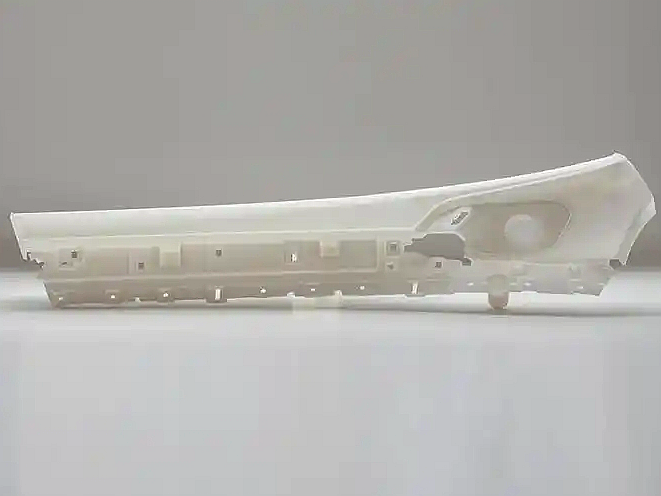
Metal additive manufacturing processes often produce rough surfaces and internal defects. HIP is particularly effective in improving the finishing potential of these parts when used with rapid prototyping workflows:
• Initial surface roughness: Ra ~10–25 μm
• After HIP + machining: Ra ~0.8–3.2 μm
• Improved polishing efficiency: up to 30% faster
• Reduced risk of surface cracking during finishing
HIP vs Direct Surface Finishing
Surface finishing without HIP may produce acceptable roughness but can leave internal defects unresolved:
• Machining alone improves Ra but does not eliminate subsurface porosity
• Coating may mask defects but not prevent crack initiation
• HIP ensures internal integrity before surface finishing
Therefore, HIP + finishing provides superior long-term reliability compared to finishing alone.
Applications Requiring High-Quality Surface Finish
HIP-enhanced surface finishing is critical in applications where both surface and internal quality matter:
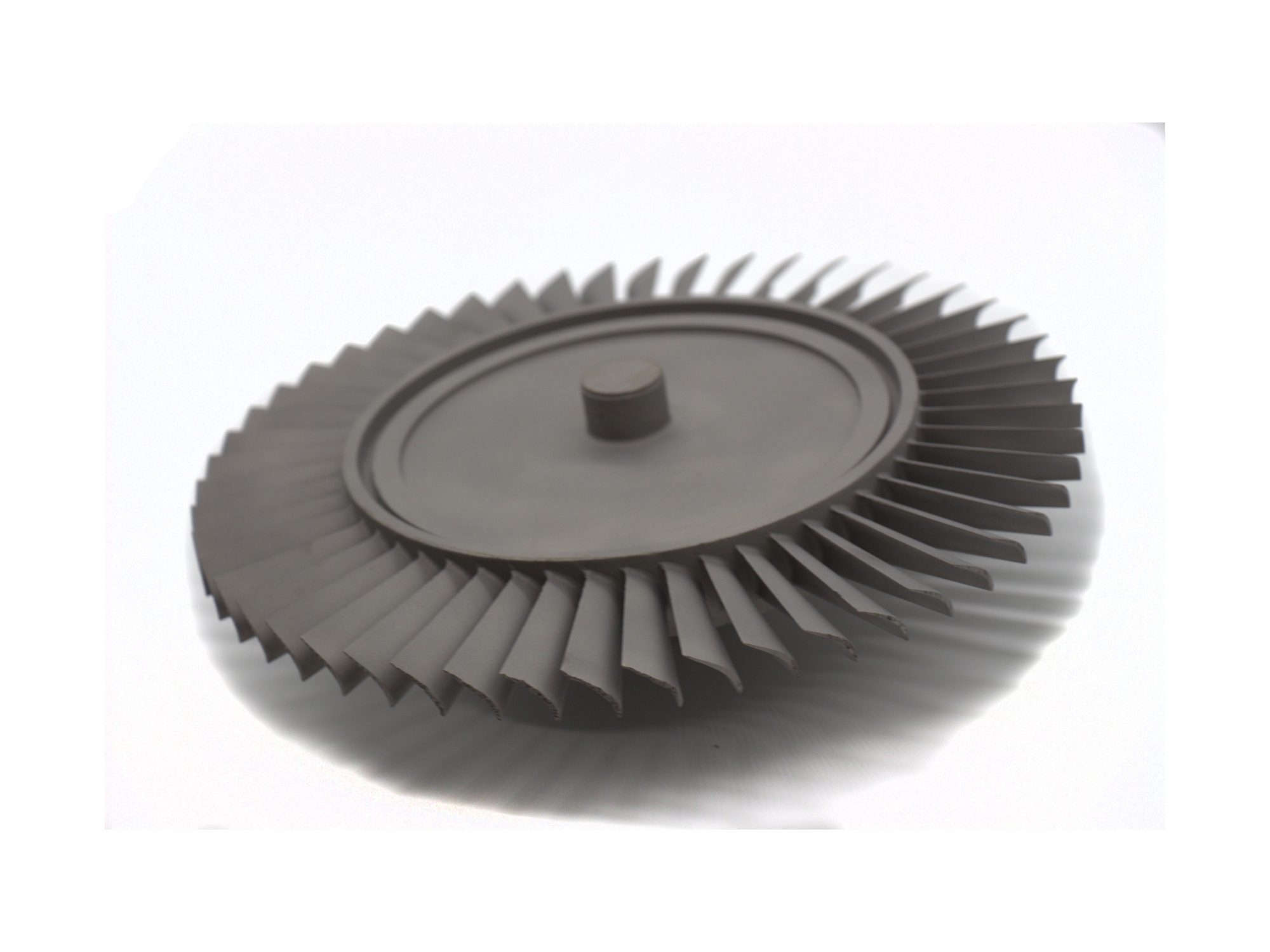
• Aerospace: turbine components requiring fatigue resistance
• Automotive: sealing surfaces and structural housings
• Medical: implants requiring smooth, defect-free surfaces
• Electronics: precision housings and heat-dissipation parts
For example, aluminum structural components used in automotive systems, similar to automotive components, benefit from HIP to ensure both surface and structural integrity.
HIP in Neway’s One-Stop Surface Solution
At Neway, HIP is integrated into our one-stop service, combining additive manufacturing, casting, machining, and finishing into a unified workflow.
This integration delivers measurable advantages:
• Surface defect reduction: up to 80–90%
• Finishing time reduction: 20–30%
• Improved coating performance and durability
• Consistent surface quality across batches
Conclusion
Hot Isostatic Pressing (HIP) is not a surface finishing process in itself, but it is a critical enabler for achieving superior surface quality. By eliminating internal defects and improving material uniformity, HIP enhances the effectiveness of machining, blasting, and coating processes.
At Neway, we combine HIP with advanced finishing technologies to deliver components that meet the highest standards of surface quality, performance, and reliability. For applications where surface integrity and structural performance are equally important, HIP is an essential part of the manufacturing strategy.
FAQs
How does HIP improve surface finish compared to traditional polishing methods?
What types of surface defects or irregularities can HIP address?
What is the typical reduction in surface roughness achievable with HIP?
Is post-HIP surface treatment required to achieve a final polished finish?
Can HIP effectively smooth internal surfaces or complex geometries?