Haynes 188 and Rene 41 AM High-Temperature Alloy Review for RFQs
Haynes 188 and Rene 41 AM RFQs need a different purchasing review from common Inconel requests. These alloys are usually raised when the part faces a demanding high-temperature environment, a combustion-related geometry, or a buyer specification that already names the alloy. Before Neway can treat the request as a quote-ready job, the material route, powder availability, post-processing sequence, and acceptance evidence must be defined.
The main risk is not that a specialty superalloy name is difficult to understand. The risk is that the quote hides qualification work inside a normal part price. Haynes 188, Rene 41, and similar high-temperature alloys can carry different availability, build, heat treatment, HIP, finishing, and documentation questions. If the buyer only sends a STEP file and an alloy name, the commercial answer will be incomplete.
This article supports buyers comparing superalloy 3D printing service for hot-section development parts, combustion hardware, thermal fixtures, and turbine-related components. It does not claim that any printed part is automatically qualified for aerospace, turbine, or safety-critical use; release remains subject to buyer specifications and validation.
When Specialty High-Temperature Alloys Enter the RFQ
Haynes 188 is often discussed for hot gas, combustion, nozzle, liner, and oxidation-related service where a cobalt-nickel superalloy route is being considered. Rene 41 may be discussed when the buyer specification points toward high-temperature strength or turbine-related use. These descriptions are not enough to start production; they only tell the engineer which family of questions to ask.
The RFQ should explain why a specialty alloy is required. Is the alloy fixed by a legacy drawing, an engineering standard, a test program, a thermal exposure limit, or a customer requirement? If the material name is fixed, Neway can review feasibility against that requirement. If the material is still open, a more common nickel alloy may be worth quoting in parallel as a lower-risk development option.
Part function also changes the route. A combustion liner segment, nozzle insert, hot fixture, shield, turbine development coupon, and exhaust part do not share the same acceptance logic. A liner may emphasize thin walls and surface condition. A fixture may emphasize machined contact pads. A test coupon may emphasize material records and post-processing repeatability.
Material Availability and Qualification Burden Before Pricing
Specialty high-temperature alloys should be screened for powder availability and process maturity before purchasing compares unit prices. A supplier may be able to discuss the alloy technically while still needing confirmation on powder route, lot availability, parameter suitability, and post-processing support. That review can be more important than the first quoted price.
Qualification burden should be stated honestly. If the buyer needs aerospace or turbine approval, Neway cannot replace the buyer's qualification plan. The RFQ should say whether the job is a development sample, non-flight fixture, test coupon, prototype component, or production-intent item. Those categories change what records, coupons, inspections, and buyer approvals may be requested.
For less common alloys, it is useful to separate material feasibility from part manufacturability. Material feasibility asks whether the alloy route can be evaluated. Part manufacturability asks whether the geometry, supports, heat treatment, machining, and inspection can produce the required shape. Combining these two questions can make a project look simpler than it is.
Alloy request | Reason to evaluate | Procurement risk | Post-process question | Fallback discussion |
|---|---|---|---|---|
Haynes 188 | Hot gas, combustion liner, nozzle, or oxidation-related service | Availability and surface acceptance may control timing | Heat treatment, finishing access, coating boundary, inspection evidence | Compare Hastelloy X or Inconel route only if engineering allows |
Rene 41 | Buyer-specified high-temperature strength or turbine-related use | Material route and qualification burden may be larger than normal sourcing | Heat treatment, HIP, distortion risk, machined interfaces | Quote a more mature nickel alloy separately when the spec is flexible |
Unspecified specialty superalloy | Buyer knows the environment but has not frozen the material | Too many options can delay the decision | Define required and optional post-processing before pricing | Start with environment and shortlist one or two candidates |
Legacy casting alloy requested for AM | Drawing or previous design used the alloy name | Castability history does not prove AM suitability | Parameter review, crack risk, finishing access, inspection method | Ask whether a printed-equivalent function can use another alloy |
Thin Hot-Section Features That Change Build Risk
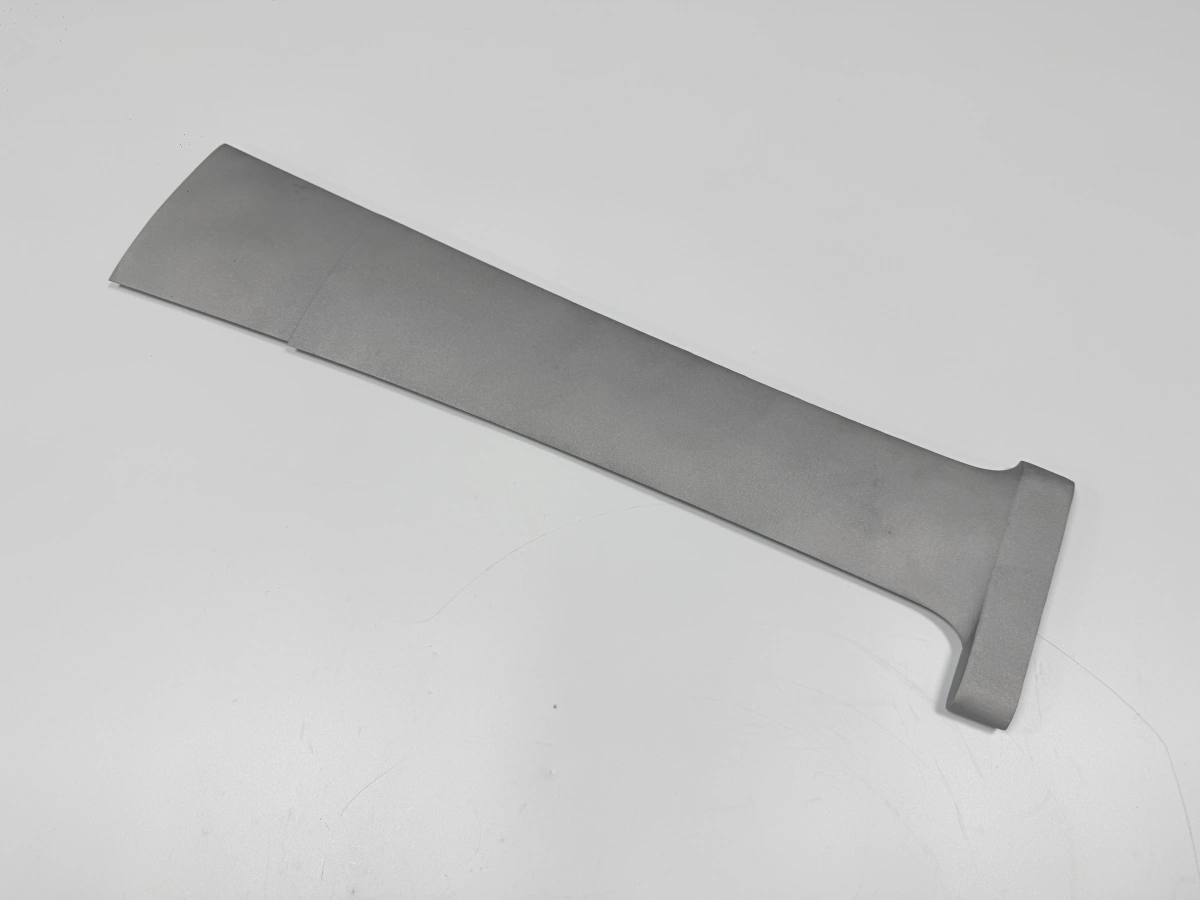
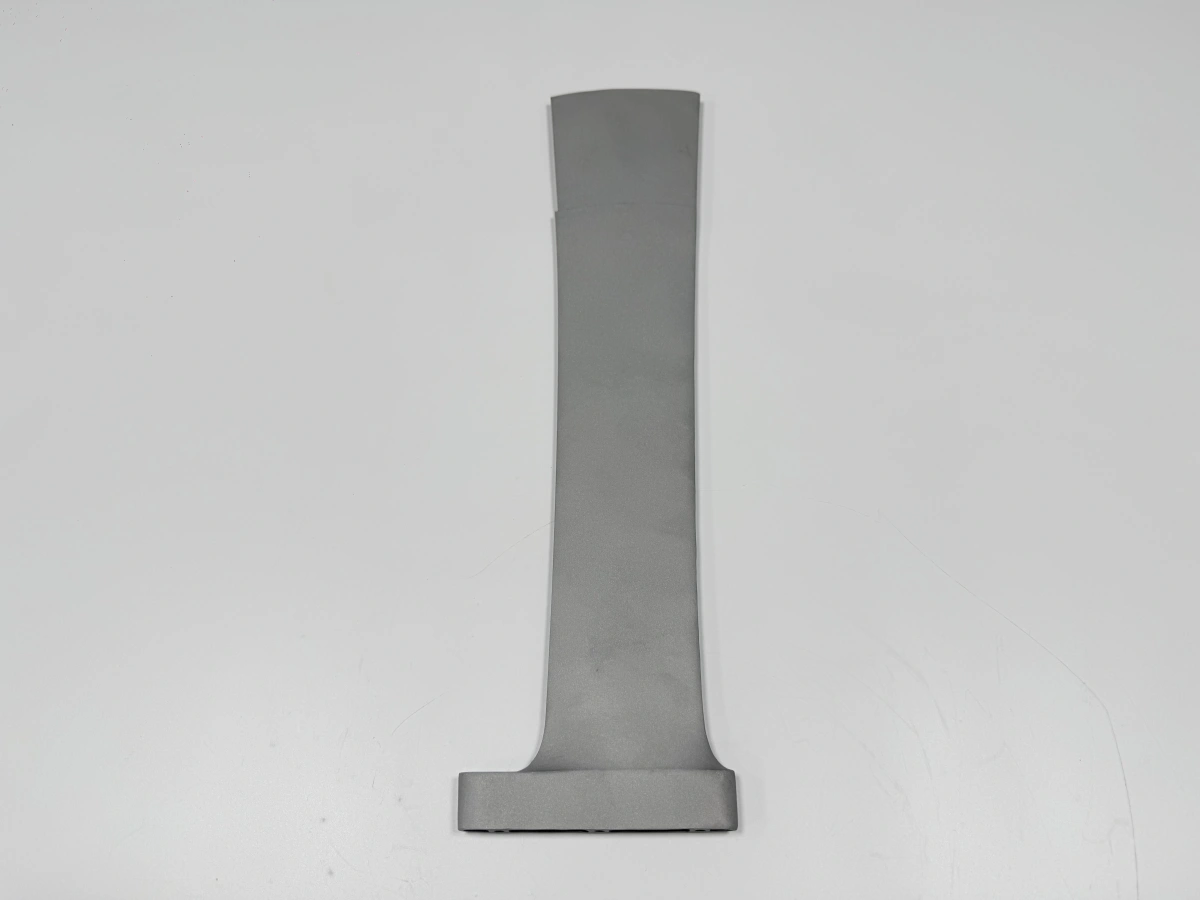
High-temperature parts often include thin lips, liner walls, cooling slots, bosses, flanges, curved flow surfaces, and sharp transitions. These features should be reviewed before price is fixed. Thin sections can move during build, support removal, or heat treatment. Heavy-to-thin transitions can concentrate residual stress. Support marks on flow surfaces may create finishing work that was not visible in a simple model review.
Internal passages need separate review. If powder cannot be removed, if a cooling slot cannot be inspected, or if a coating cannot reach the required surface, AM may not be the correct route without design changes. A passage that looks useful in CAD may be unacceptable if cleaning, flow verification, or inspection access is missing.
Build orientation should be discussed with the functional surfaces visible. The best orientation for print stability may not be the best orientation for support removal or machining. A buyer can help by marking hot gas surfaces, mating faces, coating zones, datum pads, and fatigue-sensitive edges. That lets the supplier avoid placing supports where later finishing is impractical.
Heat Treatment, HIP, and Surface Condition Questions
Heat treatment must be discussed as part of the alloy route, not as a generic add-on. Stress relief, solution treatment, aging, or other thermal steps depend on the alloy, the specification, and the buyer's acceptance plan. For specialty alloys, the sequence may also influence distortion, machining stock, and inspection timing.
HIP may be requested for density or fatigue-related concerns, but it should be tied to a requirement. A development article may quote HIP as an optional risk-control item. A production-intent part may require it because the buyer specification says so. The RFQ should not leave this decision until after printing.
Surface condition can be as important as material selection. Combustion and hot-section surfaces may need blasting, polishing, machining, coating preparation, or masking. If thermal barrier coating is part of the future route, identify coating boundaries before support planning. A support scar on a later-machined pad is different from a support scar on a hot gas surface.
When a Common Nickel Alloy Should Be Quoted in Parallel
A common nickel alloy should be quoted in parallel when the buyer's design team is still learning the geometry, not when the final specification forbids substitution. Parallel quoting can help compare schedule risk, material availability, post-processing burden, and inspection scope. It should never blur the difference between the specified alloy and the alternate route.
For early prototypes, a more available alloy may help confirm fit, assembly, flow path, support removal, and CNC access. For material qualification, the specified Haynes 188, Rene 41, or other specialty alloy may still be required. The quote should make that separation visible so purchasing does not approve a lower-risk prototype route as if it were a qualified production route.
Application pages such as aerospace and aviation and energy and power can help describe operating context. The specific drawing, however, must still identify load paths, hot faces, machined interfaces, and inspection evidence.
Quote Package for Haynes 188 or Rene 41 Evaluation
For a useful Haynes 188 3D printing service or Rene 41 AM review, send the STEP file, 2D drawing, exact alloy requirement, allowable alternates, quantity, part stage, service environment, and required records. Mark thin walls, cooling features, hot gas surfaces, coating zones, machined pads, threaded holes, sealing faces, datums, and inspection-critical dimensions. State whether heat treatment, HIP, surface finishing, coating preparation, CMM, CT, material records, or witness coupons are required.
If the project is exploratory, ask for feasibility comments before asking for a final production price. If the project is production-intent, include the controlling specification and acceptance plan. This lets Neway separate material route review, part manufacturability, post-processing, and finished-part evidence instead of hiding all technical risk inside a single price line item.
Related FAQs