Aerospace Titanium 3D Printing: TA15 vs Ti-6Al-4V Parts
When an aerospace bracket, duct support, instrumentation mount, or lightweight structural fitting moves from concept to procurement, the material name alone is not enough. TA15 and Ti-6Al-4V can both appear in titanium additive manufacturing discussions, but they do not carry the same purchasing risk, powder availability, post-processing assumptions, or evidence package.
For Neway, the useful question is not which alloy sounds stronger on a datasheet. It is which alloy and manufacturing route can support the drawing, thermal exposure, fatigue-sensitive faces, CNC stock, inspection plan, and buyer qualification route without hiding cost in later operations.
Ti-6Al-4V is usually the easier baseline for metal AM quotes because the route is widely understood. TA15 deserves a closer look when the specification, service temperature expectation, or structural design review points toward a near-alpha titanium alloy, but the RFQ should make the evaluation scope explicit.
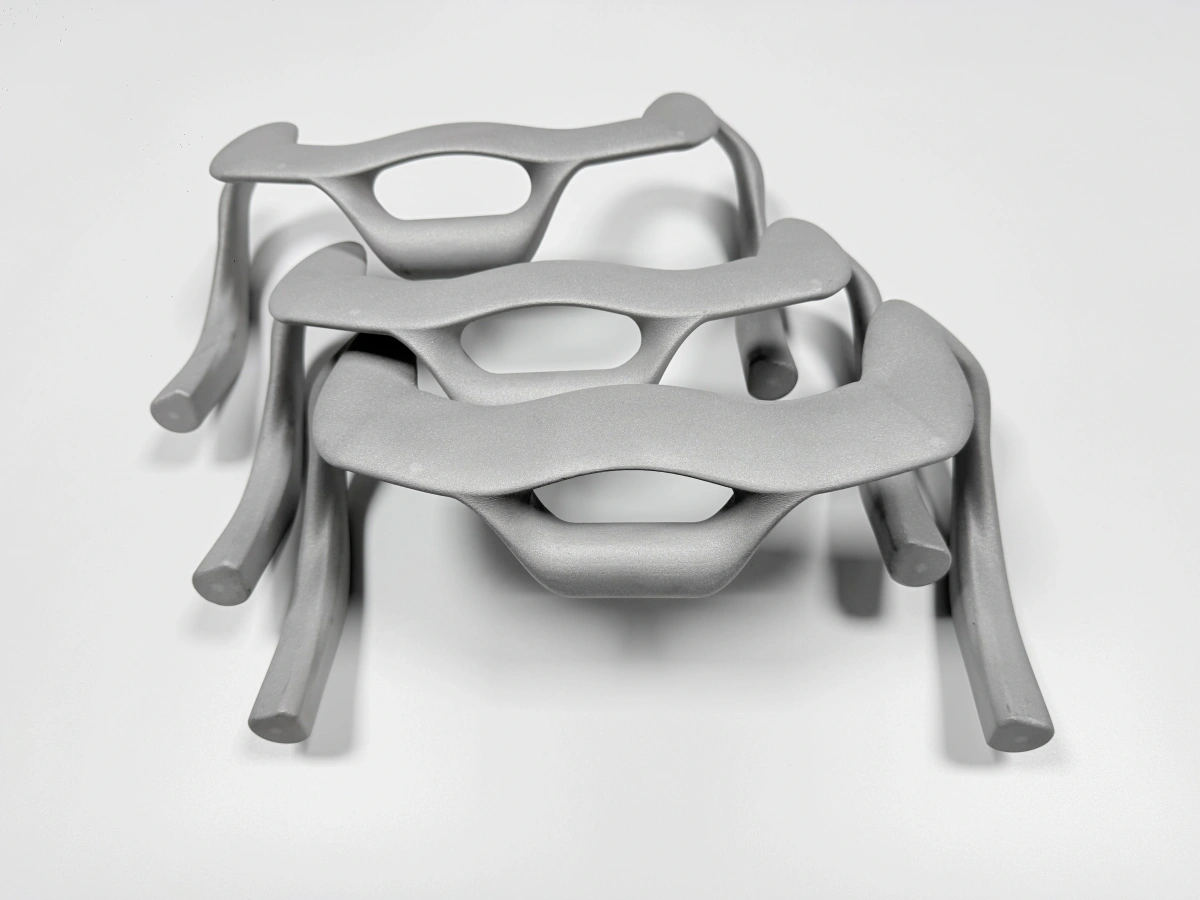
Why Aerospace Buyers Compare TA15 and Ti-6Al-4V
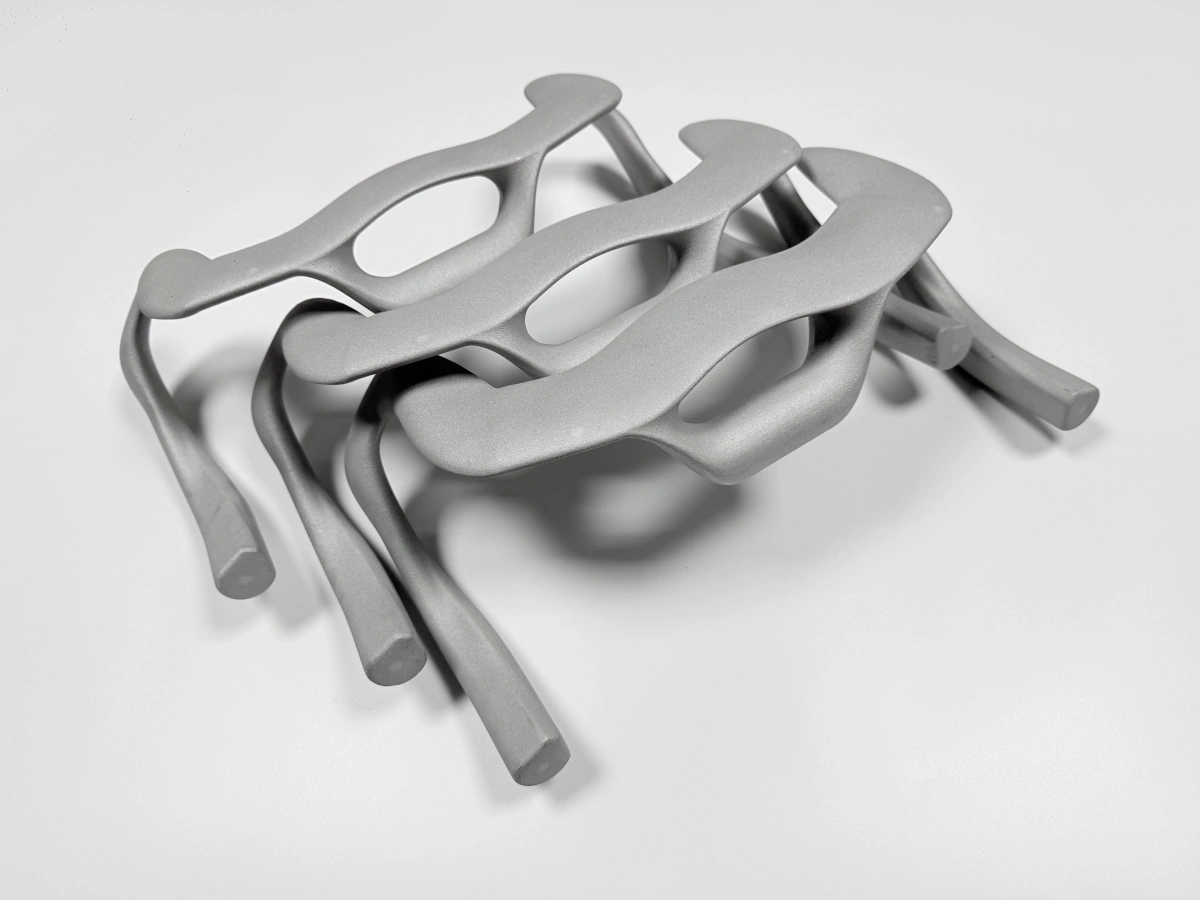
Aerospace titanium parts are often judged at the finished-component level, not at the as-printed blank level. A buyer may ask for a lightweight bracket, fairing support, sensor mount, latch body, duct interface, or hinge component, while the real decision depends on load path, heat exposure, machining access, and which surfaces must be accepted after finishing.
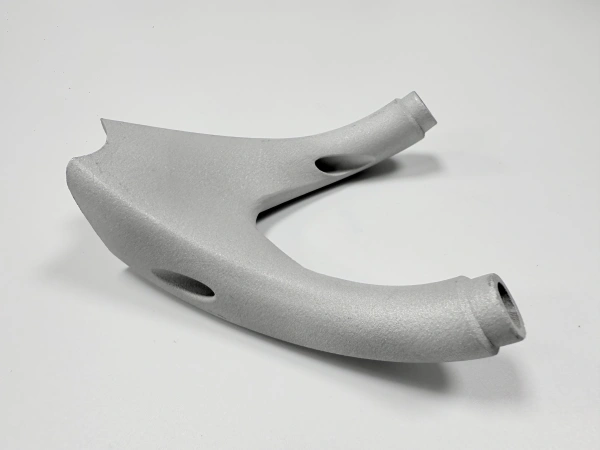
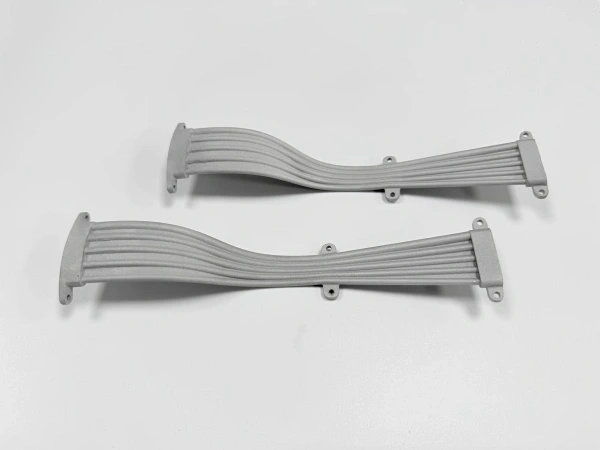
The Aerospace and Aviation page is the main Neway page for this sourcing context. For titanium-specific manufacturing scope, buyers can also compare the Titanium 3D Printing service, the TA15 titanium alloy page, and the Ti-6Al-4V titanium page before releasing a drawing package.
The comparison should remain conditional. Neither alloy becomes automatically suitable for flight hardware, regulated hardware, or safety-critical use because it can be printed. Final suitability depends on the buyer's drawing, specification, qualification plan, acceptance records, and engineering approval.
Material Positioning and Printing Route Maturity
Ti-6Al-4V is the more common starting point for titanium AM because powder, parameter familiarity, heat-treatment references, and machining practices are easier to discuss with suppliers. It is often practical when the part needs a mature titanium route, reasonable material availability, and a predictable set of finishing operations.
TA15 is different. It is commonly discussed for aerospace structural work where a buyer is considering a near-alpha titanium alloy and wants better thermal stability or structural behavior under a specific service profile. That does not mean TA15 should replace Ti-6Al-4V by default. It means the supplier must confirm powder availability, print route maturity, thermal processing, and documentation before a fair cost comparison is possible.
Decision area | Ti-6Al-4V route | TA15 evaluation | RFQ action |
|---|---|---|---|
Material availability | Usually easier to source and compare across titanium AM suppliers. | May require earlier confirmation of powder source, lot records, and process history. | Ask suppliers to state material availability and substitutions before pricing. |
Printing maturity | Commonly reviewed through laser powder bed fusion or related metal AM routes. | Needs confirmation that the proposed route is mature for the geometry and acceptance scope. | Request build orientation, support strategy, and thermal process notes with the quote. |
Aerospace structural use | Practical when the specification accepts Ti-6Al-4V and the finishing plan is clear. | Worth review when the drawing or engineering team specifically points toward TA15. | Separate material selection from finished-part qualification responsibility. |
Commercial risk | Often easier for pilot lots and repeat low-volume orders. | May add sourcing, verification, and schedule risk if the route is not already proven. | Compare the delivered component package, not only the printed blank price. |
Strength, Thermal Stability, and Fatigue-Sensitive Surfaces
The TA15 versus Ti-6Al-4V decision is usually driven by how the part is loaded and exposed. Ti-6Al-4V is a practical baseline for many lightweight titanium components, while TA15 may be evaluated when the buyer is concerned about structural stability under elevated-temperature service or when the design authority names TA15 in the specification.
For fatigue-sensitive surfaces, additive manufacturing needs more planning than a simple material change. Downward faces, support contact zones, sharp transitions, small lugs, thin ribs, and bolt interfaces can become the controlling features. If these surfaces remain as-printed, the buyer should be cautious; if they are machined, polished, blended, or otherwise finished, that work must be included in the quote.
Surface planning should also distinguish cosmetic treatment from functional treatment. The Surface Treatment page is relevant when blasting, polishing, coating, or edge conditioning may affect inspection or fatigue review. For structural titanium AM, surface requirements should be tied to specific features instead of a general note.
Heat Treatment, CNC Stock, and Inspection Evidence
Heat treatment is not just a finishing label. For printed titanium parts, stress relief, annealing, HIP, or other thermal steps may affect dimensional movement and machining sequence. The buyer should clarify whether the quote includes thermal processing before final CNC, after rough machining, or only as an optional operation subject to review.
The Heat Treatment, Hot Isostatic Pressing HIP, and CNC Machining pages are useful when buyers need the finished part rather than a raw printed shape. Final CNC is often the point where datum faces, bores, threads, sealing lands, and mounting pads become measurable, so stock allowance and datum strategy should be discussed before printing.
Requirement | Manufacturing decision | Evidence to request |
|---|---|---|
Datum face or mounting pad | Leave enough machining stock after print and thermal steps. | CMM report tied to the drawing datum scheme. |
Threaded hole or close-fit bore | Print near-net only if final machining access is confirmed. | Machining plan and final dimensional record. |
Fatigue-sensitive edge or lug | Avoid relying on unsupported as-printed surface quality. | Surface finish method, inspection method, and acceptance basis. |
Thermally exposed structural zone | Confirm alloy, heat treatment, and any HIP requirement before PO release. | Material lot, thermal processing record, and buyer-specified test evidence. |
Internal cavity or lightweight channel | Check powder removal, support removal, and inspection access. | Build review notes and CT plan when the buyer requires internal verification. |
When Ti-6Al-4V Is More Practical
Ti-6Al-4V is usually the practical choice when the drawing already permits it, the project needs a faster supplier comparison, and the part geometry does not demand a less common titanium alloy. It is also the safer commercial baseline when the buyer wants a prototype, fit-check component, low-volume bracket, or machined interface part with a familiar evidence package.
It can also be more practical when the engineering risk sits in the process rather than the alloy. If the main concerns are support removal, warpage, datum machining, threads, inspection access, or surface finishing, switching to TA15 will not remove those risks. The better action is often to improve the RFQ package, identify critical-to-function surfaces, and state which operations must be included.
Ti-6Al-4V should not be treated as automatically acceptable for every aerospace application. It still needs the correct route, records, and buyer approval. Its advantage is that the supply chain discussion is usually clearer, so hidden assumptions are easier to expose before the order is placed.
When TA15 Deserves Evaluation
TA15 deserves evaluation when the buyer's specification names TA15, when an aerospace structural part must be reviewed for thermal stability beyond a normal lightweight titanium bracket discussion, or when the engineering team is deliberately comparing near-alpha titanium behavior against Ti-6Al-4V for a defined service condition.
The evaluation should start with manufacturability. Confirm whether the supplier has access to suitable powder, whether the proposed Powder Bed Fusion route is appropriate, whether the heat-treatment path is defined, and whether the inspection package can support the buyer's release process. If any of those items are uncertain, the quote should show them as engineering review items instead of burying them in a simple unit price.
TA15 may also be reasonable when the buyer expects repeat orders and is willing to qualify a more specific route. For one-off simple geometry, Ti-6Al-4V or conventional machining may be easier. For a difficult structural geometry with material-driven requirements, TA15 can be worth a controlled trial build, provided the acceptance plan is agreed in advance.
RFQ Notes for Aerospace Titanium Alloy Comparison
A useful aerospace titanium RFQ should define the alloy candidate, drawing revision, service condition, load-sensitive areas, heat-treatment expectations, HIP requirement if any, CNC datum plan, surface finish zones, inspection records, and whether the order is a prototype, qualification batch, or repeat low-volume package.
For Neway review, send the STEP file, 2D drawing, alloy requirement, quantity, intended function, required records, and the surfaces that cannot remain as-printed. Neway can then separate the printable geometry from the finished-component scope and show where Ti-6Al-4V is practical, where TA15 deserves review, and where a design or process change should be discussed before purchase approval.
Related FAQs
Is TA15 titanium suitable for aerospace 3D printed structural parts?
Which titanium alloy is best for 3D printed parts: TC4, TA15 or Grade 23?
Does Ti-6Al-4V 3D printing require heat treatment, HIP or CNC machining?
Which 3D printing technology is best for titanium parts in aerospace applications?
What information is needed for a titanium 3D printing quote?