Does Ti-6Al-4V 3D Printing Require Heat Treatment, HIP, or CNC Machining?
Ti-6Al-4V or TC4 can be printed for functional parts when the geometry, process, final condition, surface, environment, and acceptance plan are compatible. Functional use is not established by printability alone, especially for fatigue, pressure, medical, or aerospace parts.
State the service load, temperature, environment, critical surfaces, internal features, tolerance, quantity, and verification method. Confirm powder or feedstock traceability, final dimensions, surface condition, internal quality, and representative mechanical or functional evidence before release.
Can Ti-6Al-4V / TC4 Be 3D Printed for Functional Titanium Parts?
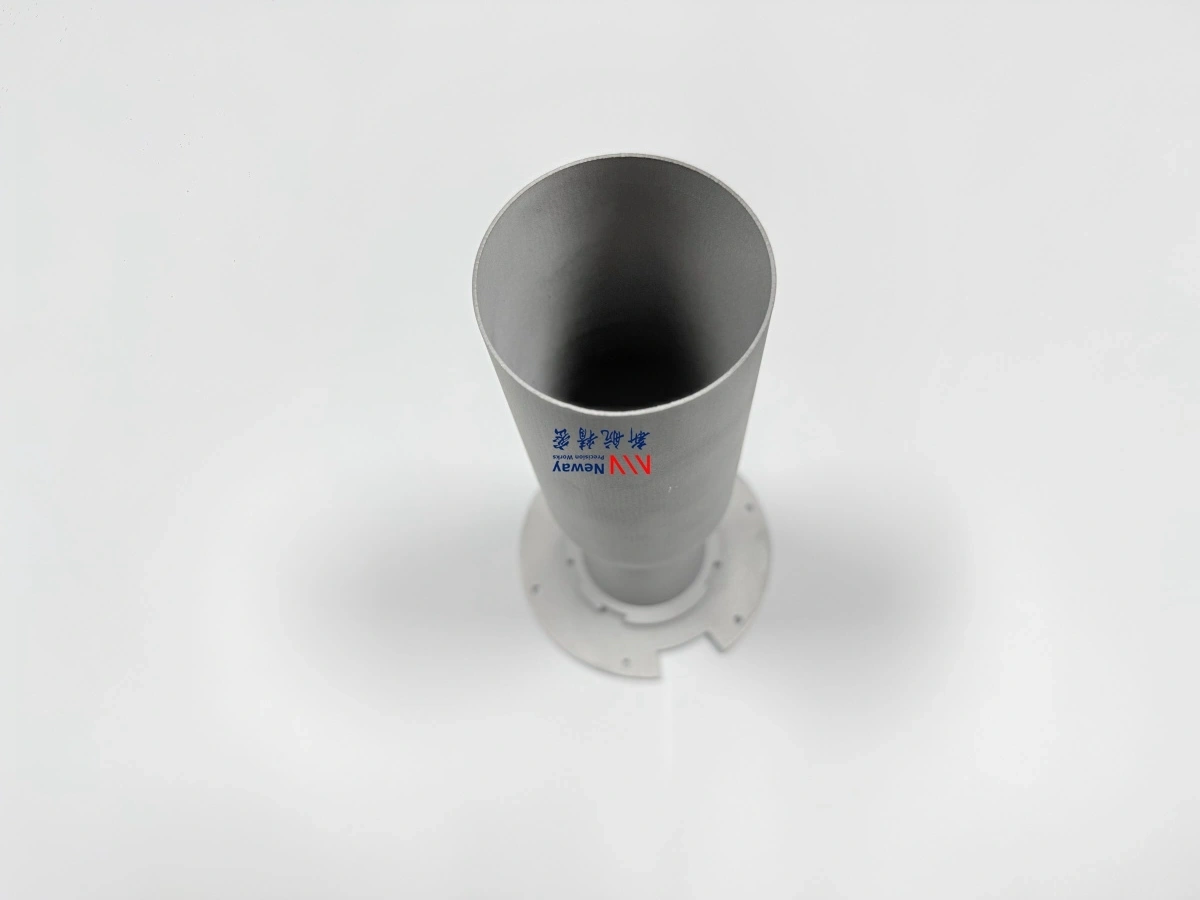
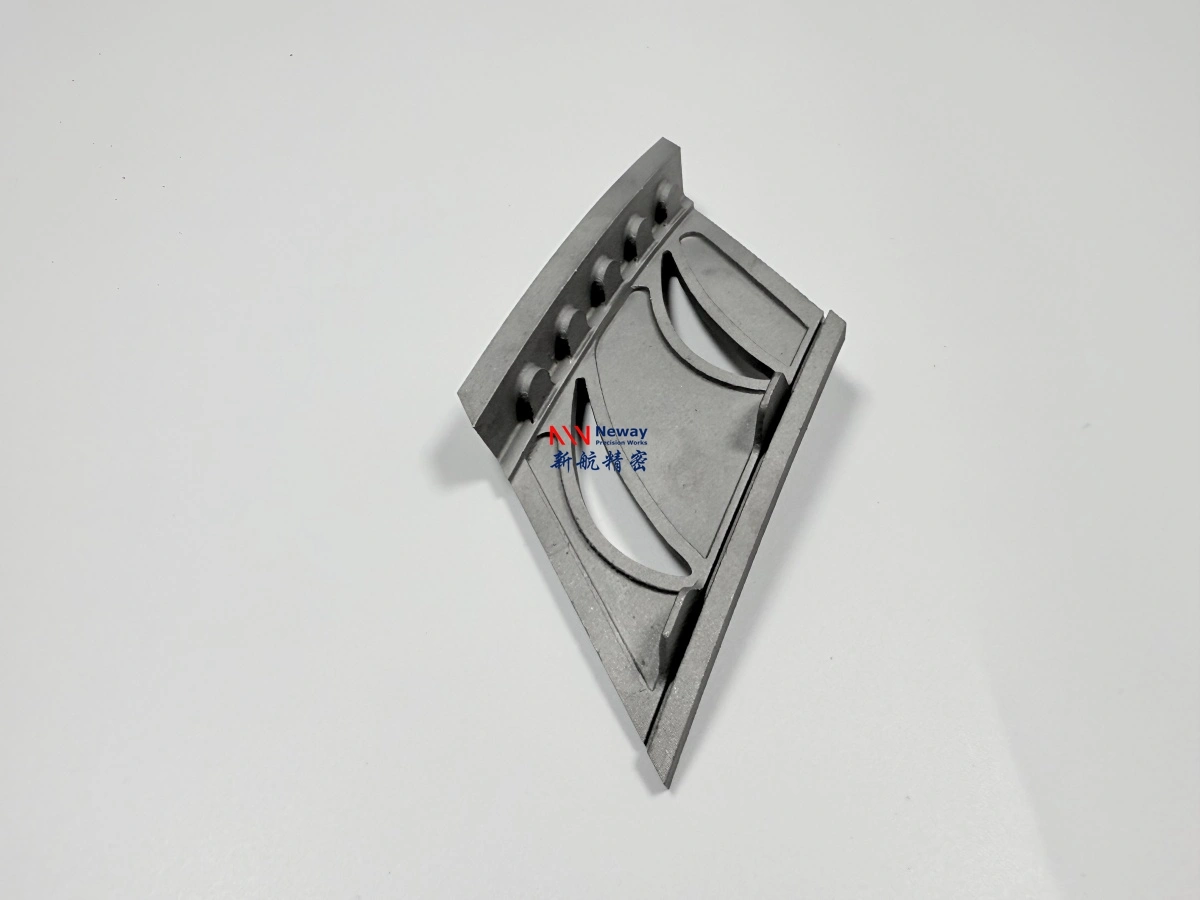
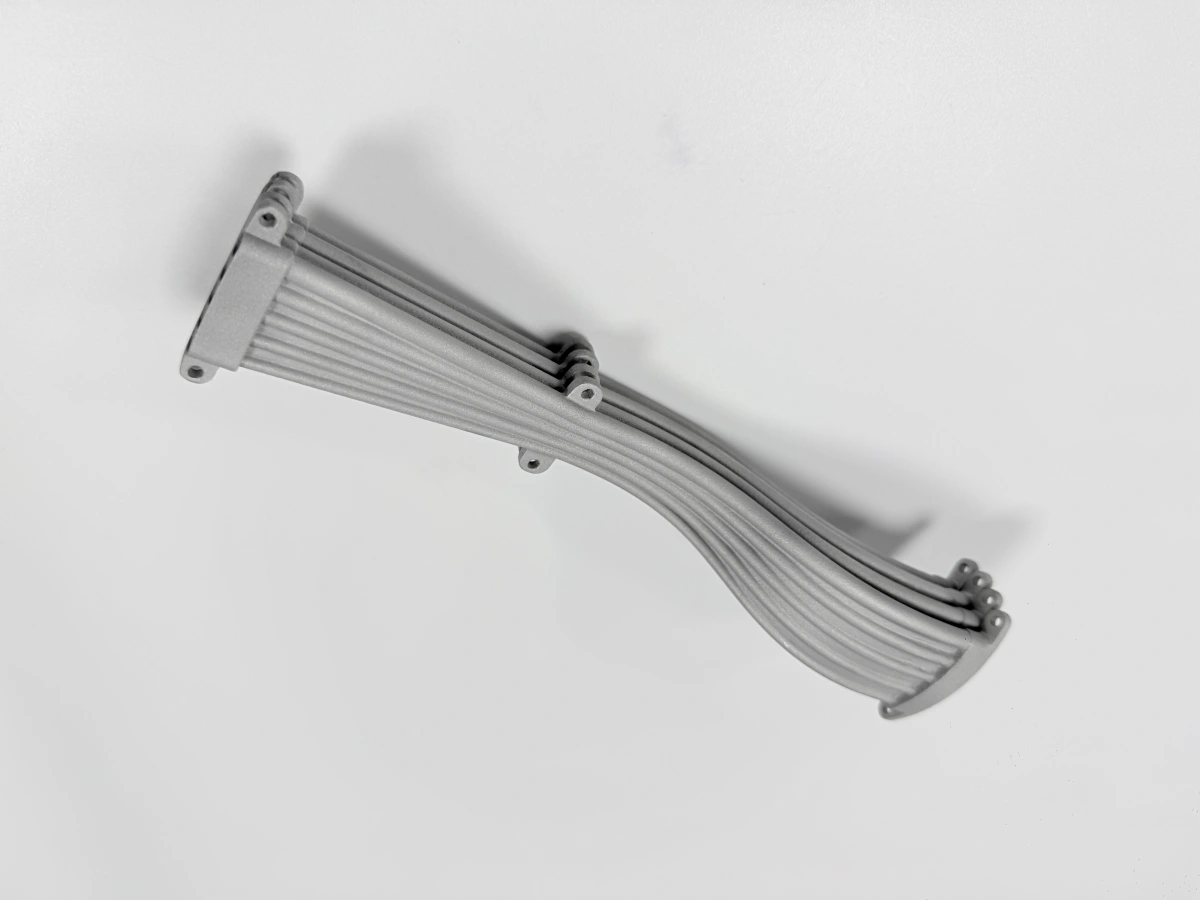
Yes. Ti-6Al-4V TC4 3D Printing Service is widely used for functional titanium parts, not only prototypes. With proper printing parameters, heat treatment, HIP, CNC post-machining, surface finishing, and inspection, TC4 printed parts can be used for lightweight structural components, aerospace brackets, medical devices, robotics parts, and low-volume production applications.
1. Why TC4 Is Suitable for 3D Printing
TC4, also known as Ti-6Al-4V, is one of the most mature titanium alloys for metal additive manufacturing. It offers high specific strength, good corrosion resistance, stable powder availability, and broad engineering acceptance. These advantages make it a practical material for Titanium 3D Printing Service projects that require both lightweight design and functional performance.
Good strength-to-weight ratio for structural titanium parts
Suitable for complex geometries and lightweight designs
Mature process route for metal powder bed fusion
Compatible with heat treatment, HIP, machining, and surface finishing
2. Suitable Functional Parts for TC4 Printing
Application Area | Typical TC4 Printed Parts |
|---|---|
Brackets, supports, lightweight structural parts, housings | |
Medical tools, implant-related prototypes, custom anatomical structures | |
Robotics | Lightweight joints, frames, connectors, end-effector components |
Automotive | Performance brackets, suspension-related parts, lightweight hardware |
Industrial Equipment | Corrosion-resistant fixtures, custom supports, low-volume functional parts |
3. Printing Process for TC4 Titanium Parts
TC4 titanium parts are commonly produced by Powder Bed Fusion for Titanium Parts, especially SLM-based metal printing. This process is suitable for complex titanium geometries that are difficult or expensive to machine from solid billet.
Complex internal or lightweight structures can be produced
Part orientation affects support design, surface finish, and distortion risk
Thin walls, overhangs, and internal channels require manufacturability review
Machining allowance should be added for precision functional surfaces
4. Post-Processing for Functional TC4 Parts
For functional TC4 printed parts, post-processing is often required to improve mechanical performance, density, surface quality, and dimensional accuracy.
Heat Treatment for TC4 Printed Parts helps relieve residual stress and stabilize mechanical properties
HIP for Titanium 3D Printed Parts helps reduce internal porosity and improve fatigue reliability
CNC Post-Machining for Titanium Parts is used for threads, holes, sealing faces, datum surfaces, and tight tolerances
Surface finishing can improve appearance, roughness, and application-specific performance
5. Limitations of As-Printed TC4 Parts
Although TC4 can be printed into functional parts, the as-printed condition is usually not suitable for every final-use requirement. Some features often need post-machining or additional finishing.
Feature or Requirement | Recommended Control Method |
|---|---|
Threaded holes | CNC machining or tapping after printing |
Precision assembly surfaces | CNC post-machining |
Sealing faces | Machining, grinding, or polishing |
Fatigue-critical parts | HIP, heat treatment, and inspection |
Cosmetic or low-roughness surfaces | Surface finishing or polishing |
6. RFQ Advice for Custom TC4 Titanium Printed Parts
To receive an accurate TC4 3D printing quote, customers should provide complete RFQ information, especially when the part is intended for functional use.
3D CAD file, preferably STEP or X_T
2D drawing with tolerances, threads, surface roughness, and critical dimensions
Required quantity for prototype, small batch, or production
Application environment, load condition, and operating temperature
Post-processing requirements such as heat treatment, HIP, CNC, or surface finishing
Inspection requirements such as dimensional report, material certificate, or CT/X-ray inspection
7. Summary
Ti-6Al-4V / TC4 can be 3D printed for functional titanium parts when the printing process, post-processing, and inspection requirements are properly controlled. It is one of the most practical titanium alloys for lightweight, high-strength custom parts. For functional use, customers should not rely only on the as-printed condition; heat treatment, HIP, CNC post-machining, and inspection may be required depending on the application.
If you need custom TC4 titanium printed parts, provide the 3D model, 2D drawing, quantity, material requirement, application environment, and inspection needs to receive a more accurate Ti-6Al-4V 3D printing quote.
For a titanium quote, the supplier should also explain which cost items are fixed and which change with quantity or geometry. Support strategy, build height, heat treatment, machining access, inspection, and certificate requirements can dominate the accepted-part price. Compare the same final condition and evidence package instead of comparing powder cost or printed mass alone.