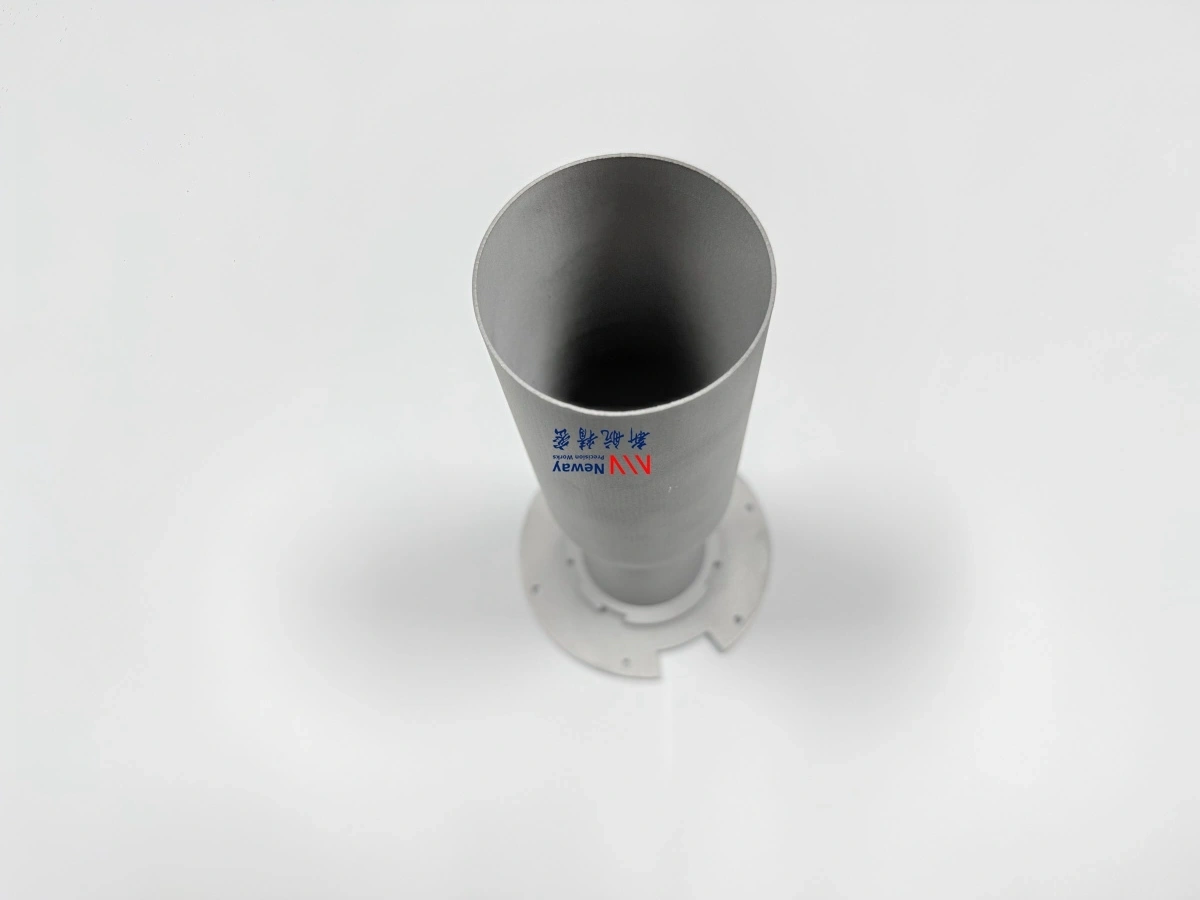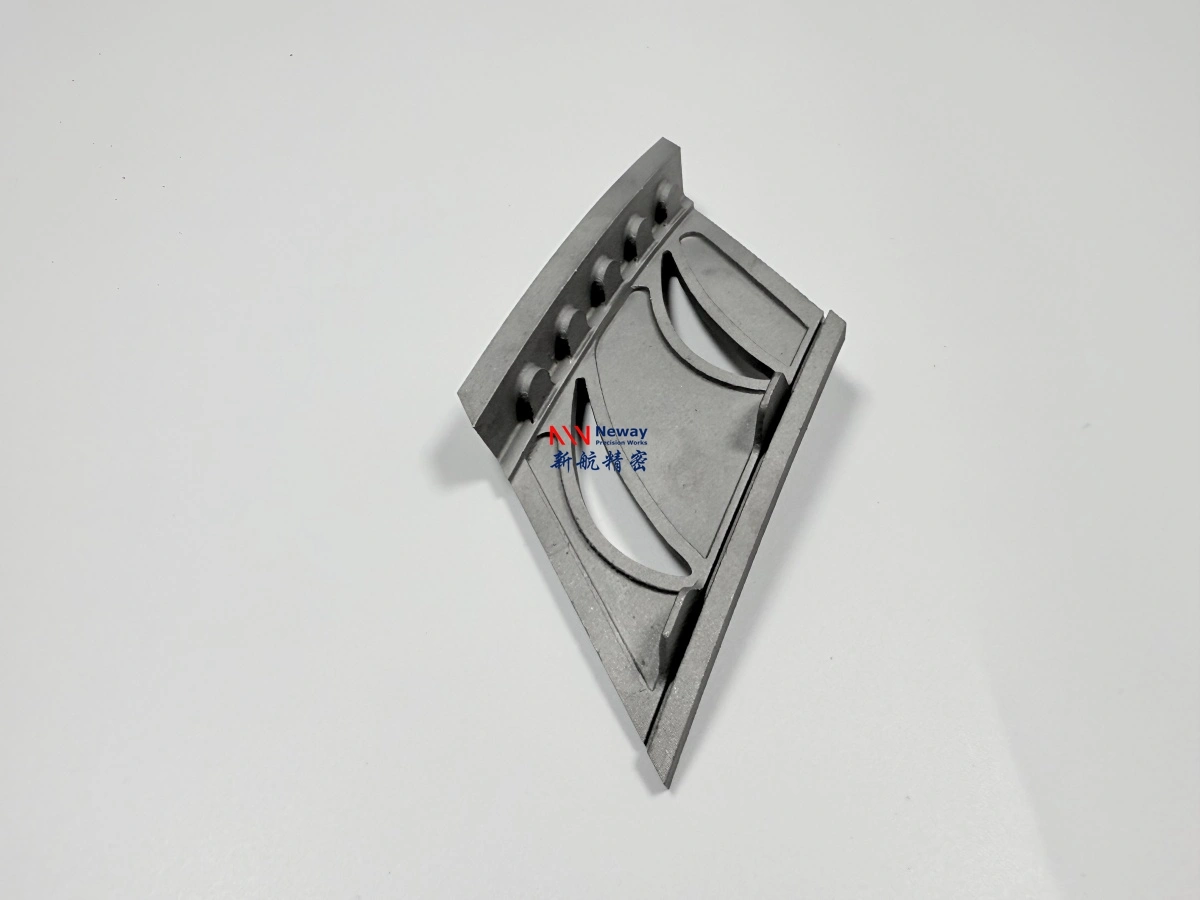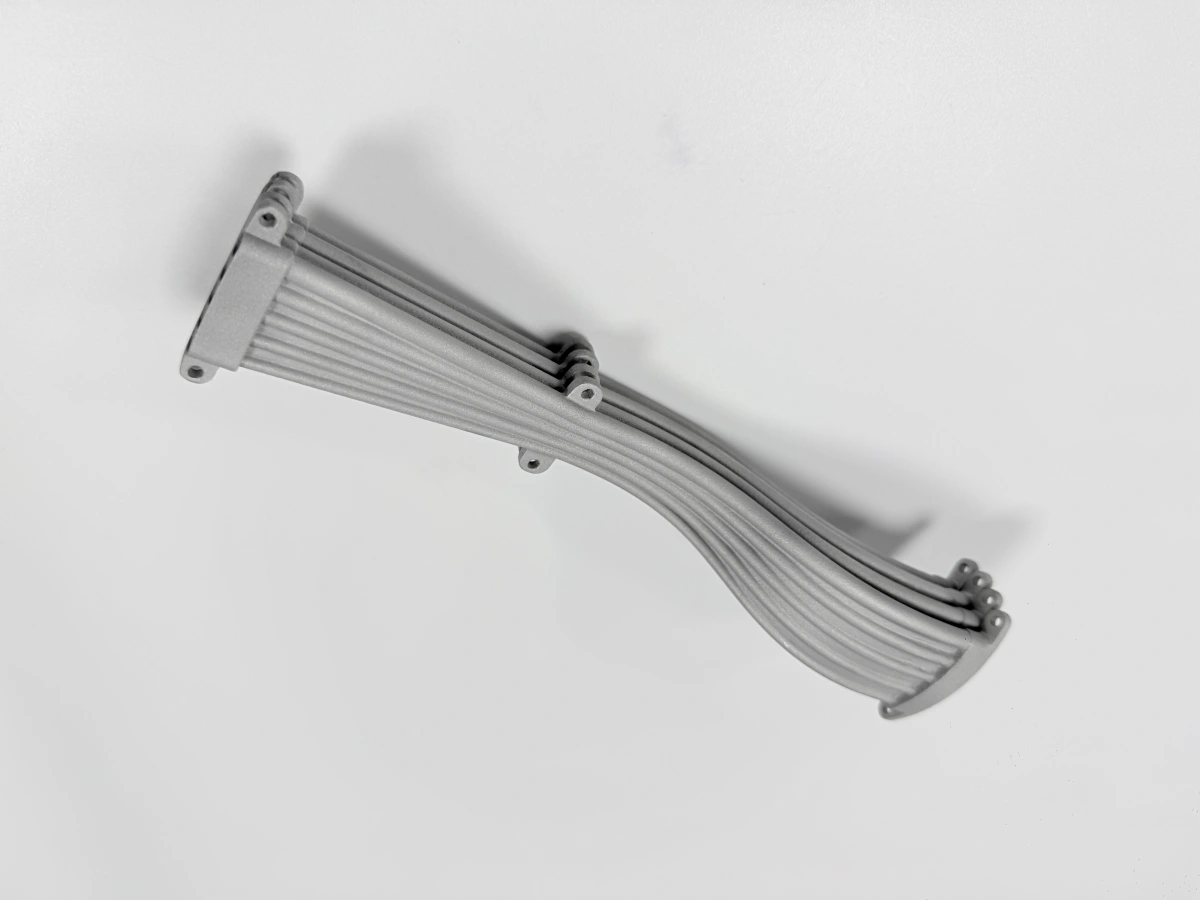
Is TA15 Titanium Suitable for Aerospace 3D Printed Structural Parts?
Heat treatment, HIP, and CNC machining are conditional route decisions for Ti-6Al-4V. Heat treatment can change stress and microstructure, HIP may address selected closed defects, and machining establishes reachable datums and interfaces. None repairs wrong chemistry, an open leak, inaccessible powder, or an unqualified geometry.
Define the as-built, treated, HIP-treated, and machined states in the traveler. Reinspect datums after operations that can move them, specify the final roughness and internal test, and let the drawing determine whether each step is required.
Does Ti-6Al-4V 3D Printing Require Heat Treatment, HIP, or CNC Machining?
It depends on the final application. For prototype models, as-printed Ti-6Al-4V may be acceptable after support removal and basic finishing. For functional Ti-6Al-4V TC4 3D Printed Parts, heat treatment is usually recommended to relieve residual stress and stabilize the microstructure. HIP is recommended for fatigue-critical or safety-critical parts, while CNC machining is normally required for precision holes, threads, sealing faces, datum surfaces, and tight-tolerance assembly features.
1. Why Post-Processing Matters for Ti-6Al-4V Printed Parts
Ti-6Al-4V parts produced by Powder Bed Fusion experience rapid melting and solidification during printing. This creates residual stress, directional microstructure, support-contact marks, and surface roughness. Post-processing helps convert the printed blank into a finished Ti-6Al-4V component suitable for assembly and service.
Heat treatment improves stress relief and dimensional stability
HIP improves internal density and fatigue reliability
CNC machining controls critical dimensions and functional surfaces
Surface treatment improves roughness, appearance, corrosion behavior, or wear performance
Inspection confirms that the finished part meets drawing and quality requirements
2. Heat Treatment for Ti-6Al-4V Printed Parts
Heat Treatment for 3D Printed Parts is commonly used after Ti-6Al-4V printing to reduce residual stress and improve material stability. This is especially important for thin-wall structures, precision components, and parts that will be machined after printing.
Heat Treatment Purpose | Benefit for TC4 Printed Parts |
|---|---|
Stress relief | Reduces deformation risk during support removal and machining |
Microstructure stabilization | Improves consistency of mechanical properties |
Dimensional stability | Helps maintain geometry for functional assemblies |
Mechanical property control | Supports more reliable strength and ductility performance |
3. HIP for Fatigue-Critical Titanium 3D Printed Parts
HIP for 3D Printed Titanium Parts is used when the part requires higher internal integrity, fatigue performance, or safety reliability. HIP applies high temperature and isostatic pressure to reduce internal pores and micro-defects.
Recommended for aerospace, medical, energy, and high-load applications
Helps reduce internal porosity from the printing process
Improves fatigue resistance and structural reliability
Often combined with heat treatment for critical Ti-6Al-4V components
For simple non-critical prototypes, HIP may not be necessary. For finished Ti-6Al-4V 3D printed components exposed to cyclic load, vibration, or safety-critical service, HIP should be considered during the RFQ stage.
4. CNC Machining for Precision and Assembly Features
CNC Machining for Titanium Parts is normally required when the printed part includes precision features that cannot be achieved reliably in the as-printed condition.
Feature | Why CNC Machining Is Needed |
|---|---|
Threaded holes | Printed threads usually require tapping or machining for fit and strength |
Assembly faces | Machining improves flatness, parallelism, and datum accuracy |
Sealing surfaces | Machining or polishing is required for smooth functional contact |
Precision holes | Drilling, reaming, or boring ensures accurate diameter and position |
Critical dimensions | CNC post-machining achieves tighter tolerances than as-printed surfaces |
For narrow slots, micro-features, or hard-to-access geometries, EDM Machining may also be considered depending on the feature design and tolerance requirement.
5. Surface Treatment for Final Performance
Surface Treatment is selected based on appearance, roughness, corrosion resistance, wear behavior, and functional requirements. Ti-6Al-4V printed parts often need finishing because as-printed surfaces are rougher than machined or polished surfaces.
Sand blasting removes loose particles and creates a uniform matte appearance
Polishing reduces surface roughness for cosmetic or functional surfaces
Passivation or cleaning may be required for medical or corrosion-sensitive applications
Coatings may be used when wear resistance or special surface behavior is required
6. Inspection After Post-Processing
Finished Ti-6Al-4V components may require inspection to confirm geometry, material quality, and internal integrity. The inspection scope should match the application risk and drawing requirements.
CMM inspection for critical dimensions and GD&T
3D scanning for full-surface deviation review
CT or X-ray inspection for internal defects
Material certificate for alloy confirmation
Tensile testing or mechanical property validation when required
Surface roughness report for functional or sealing surfaces
7. RFQ Tip for Finished Ti-6Al-4V Components
When requesting a quote, customers should specify whether the part is only a printed prototype or a finished functional component. The RFQ should include the 3D CAD file, 2D drawing, quantity, tolerance requirements, post-processing needs, inspection requirements, and working conditions such as load, temperature, vibration, or fatigue exposure.
8. Summary
Ti-6Al-4V 3D printing does not always require every post-processing step, but functional parts usually need more than printing alone. Heat treatment is recommended for stress relief and stability, HIP is important for fatigue-critical or safety-critical titanium parts, and CNC machining is required for holes, threads, sealing faces, assembly surfaces, and tight tolerances. Surface treatment and inspection help ensure the final component meets both performance and documentation requirements.
For finished Ti-6Al-4V 3D printed components, clarify the final use conditions and quality requirements at the RFQ stage so the correct printing, post-processing, and inspection route can be quoted accurately.