Why Ti-6Al-4V Is the Most Used Titanium Alloy for 3D Printed Parts
Why Ti-6Al-4V Is the Most Used Titanium Alloy for 3D Printed Parts
Ti-6Al-4V is one of the most widely used titanium alloys for 3D printed parts because it offers a strong balance of lightweight performance, mechanical strength, corrosion resistance, printability, and supply maturity. In China, this material is commonly known as TC4, while international drawings may refer to it as Ti-6Al-4V or Titanium Grade 5.
For engineers and buyers, the reason to choose Ti-6Al-4V TC4 3D Printing is usually practical rather than theoretical. TC4 is available, well understood, suitable for many high-strength lightweight applications, and compatible with powder bed fusion processes for custom titanium printed parts.
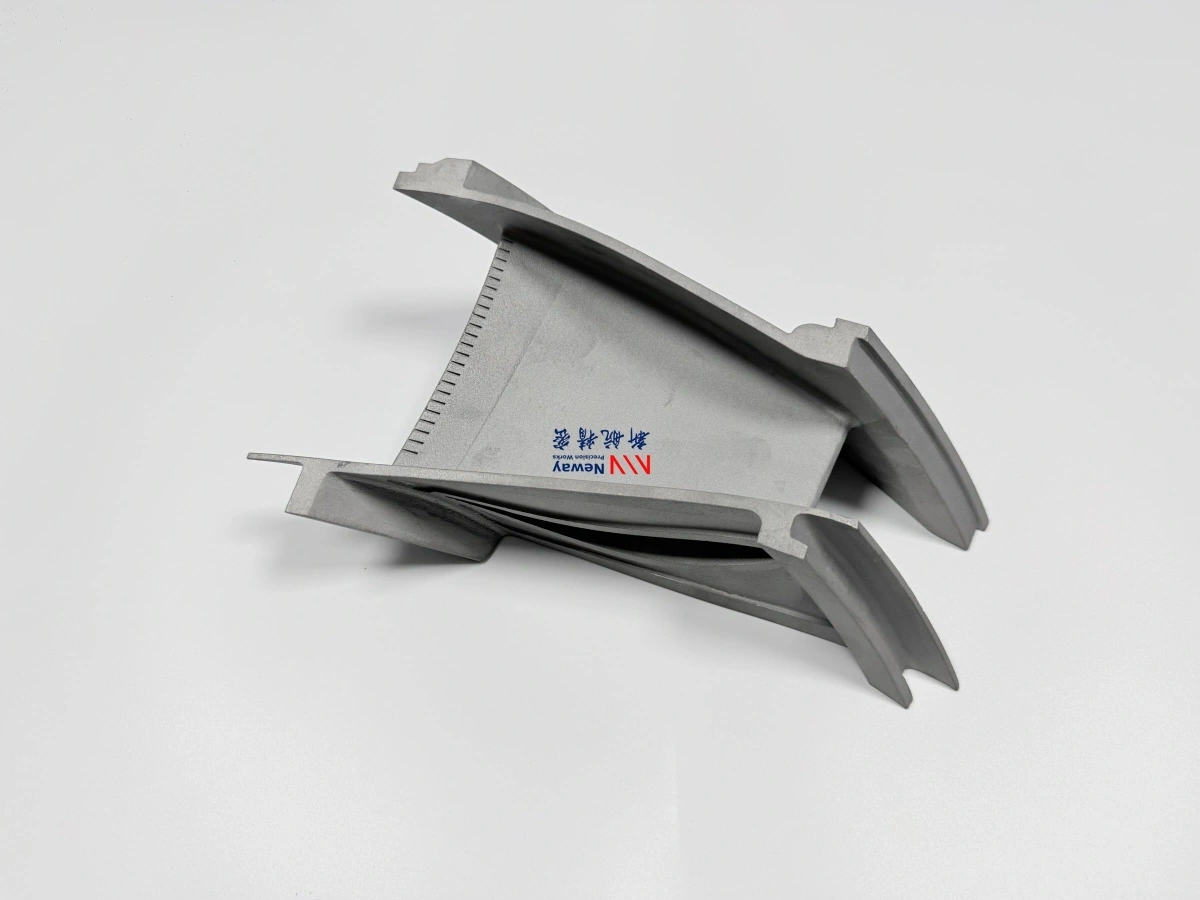
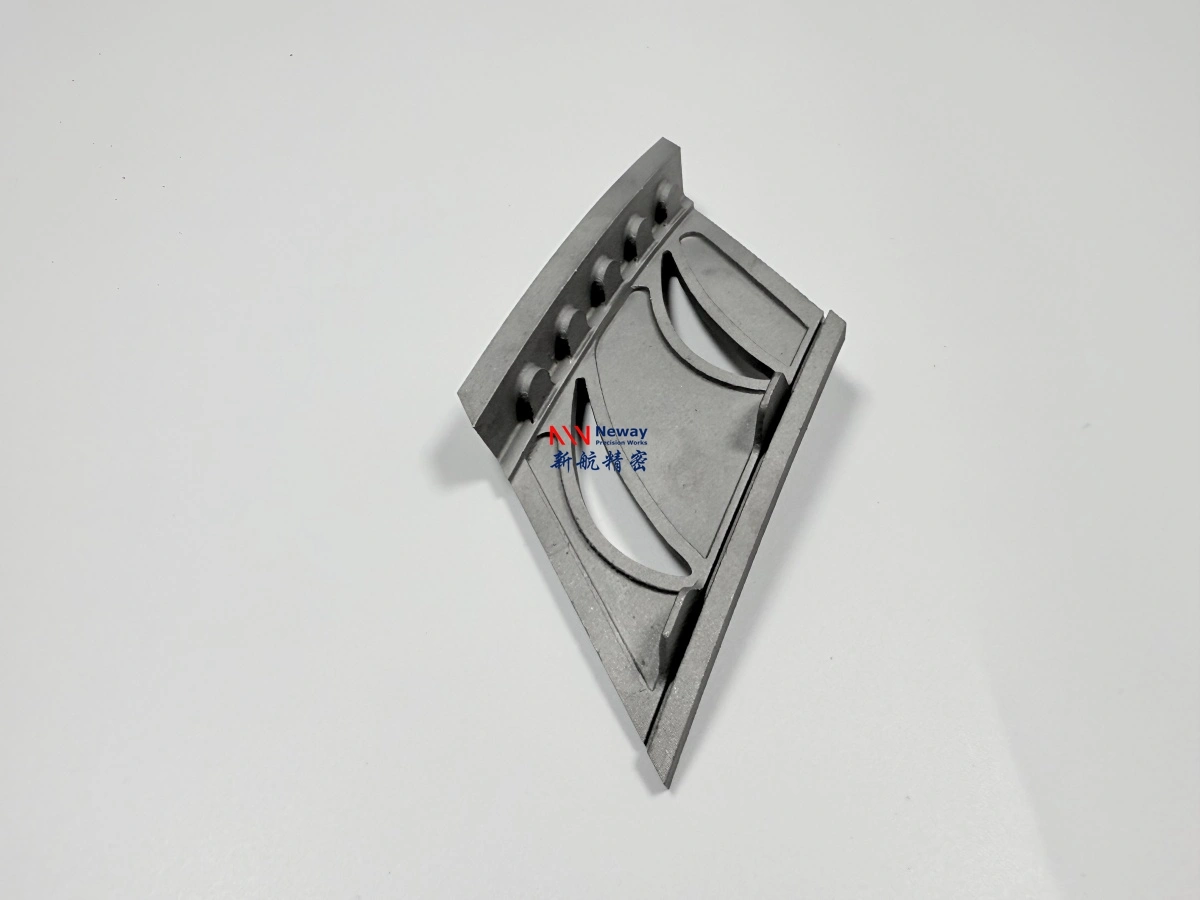
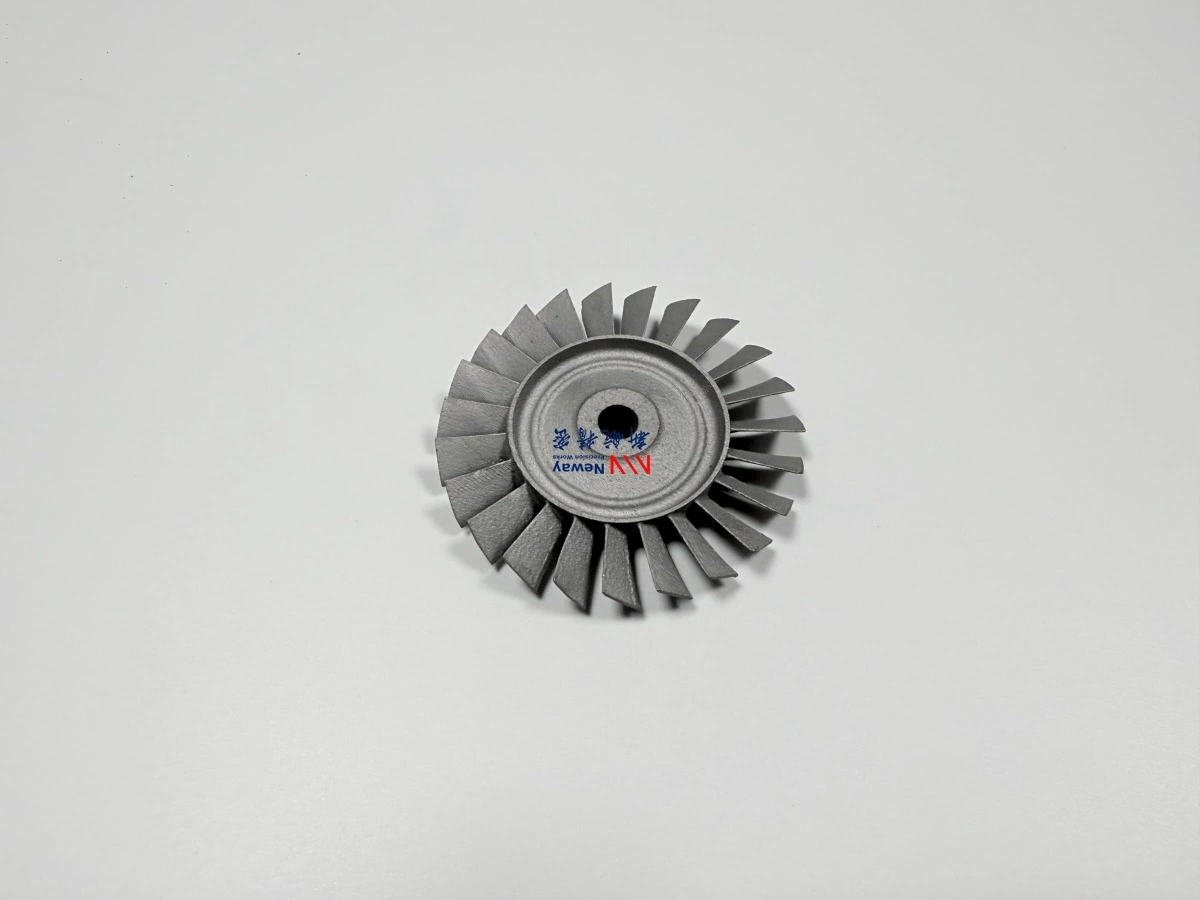
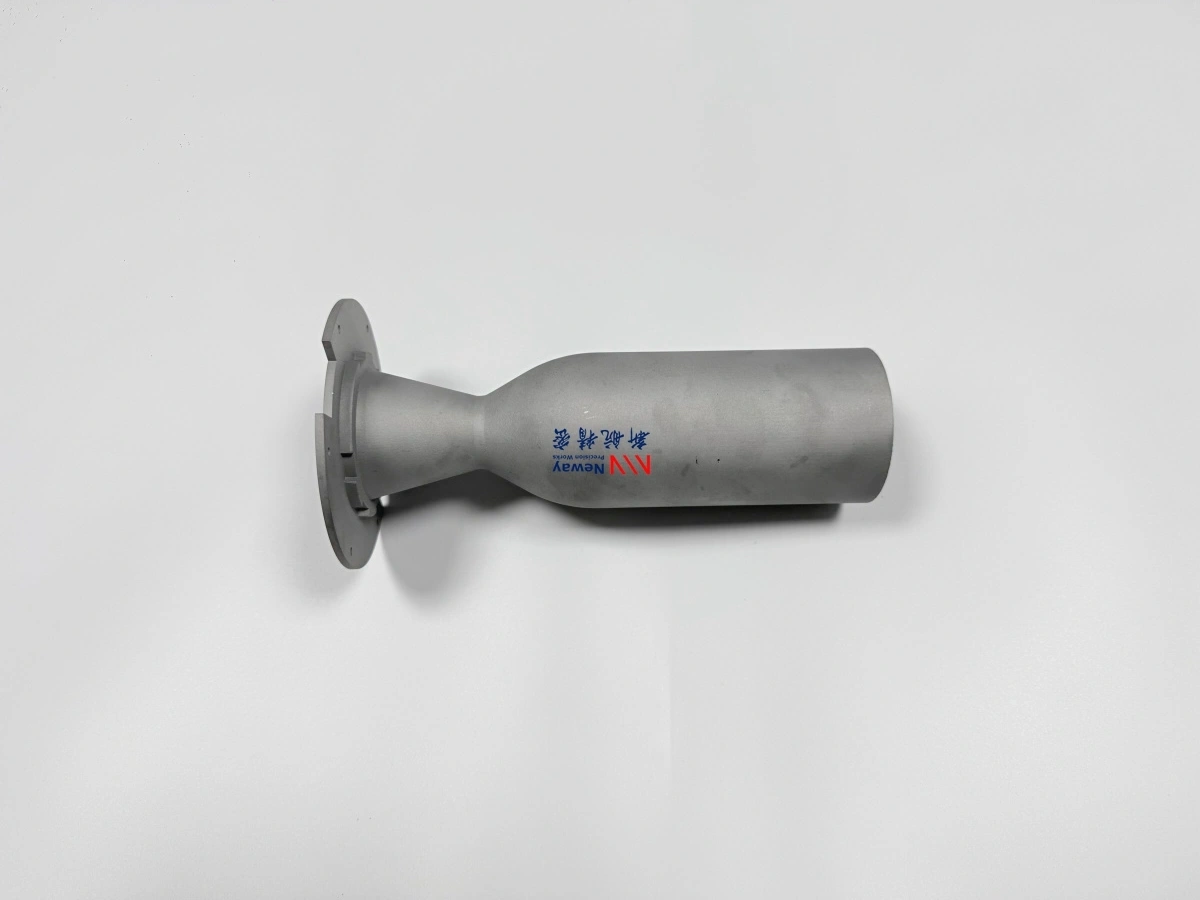
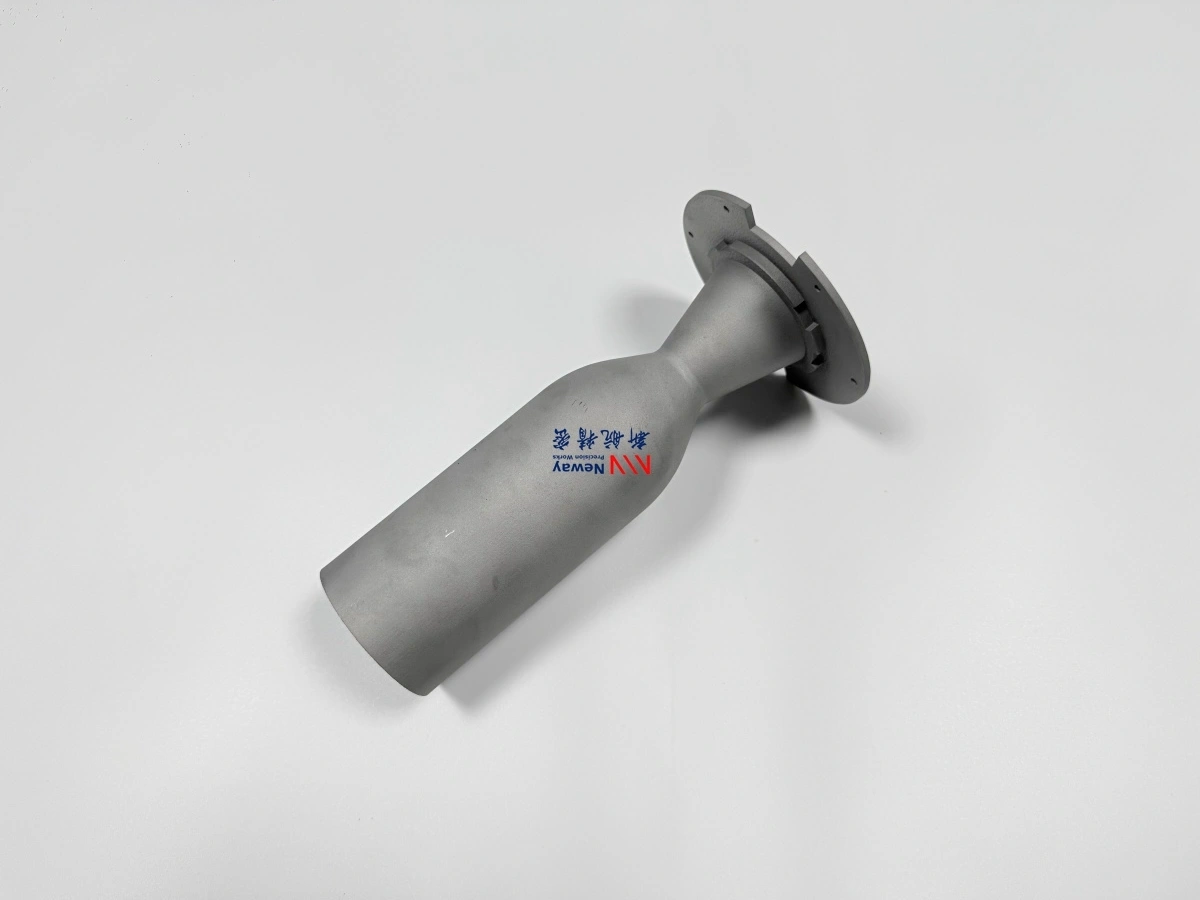
At Neway3DP, TC4 titanium 3D printing is commonly used for custom brackets, housings, lightweight structures, medical components, robotics parts, automotive development parts, aerospace prototypes, and low-volume titanium alloy components. With proper post-processing, machining, and inspection, TC4 can support both prototype validation and functional end-use applications.
Why Buyers Choose Ti-6Al-4V
Buyers choose Ti-6Al-4V because it is a mature titanium alloy with broad application experience and stable supply compared with many specialty titanium grades. For custom titanium 3D printed parts, this matters because material availability, printing experience, post-processing knowledge, and inspection familiarity all affect cost, lead time, and manufacturing risk.
When a project requires a strong lightweight titanium part but does not need a highly specialized alloy, TC4 is often the first material to evaluate. It offers enough performance for many aerospace, medical, robotics, automotive, and industrial applications while remaining one of the most practical options for titanium additive manufacturing.
Buyer Requirement | Why Ti-6Al-4V / TC4 Is Often Selected |
|---|---|
Reliable material supply | TC4 is widely used and easier to source than many specialty titanium alloys |
Stable performance | Offers a proven balance of strength, weight reduction, and corrosion resistance |
Broad industry use | Commonly used in aerospace, medical, automotive, robotics, and industrial applications |
Custom part manufacturing | Suitable for powder bed fusion and post-machined functional titanium parts |
Prototype to low-volume production | Supports design validation, pilot builds, and repeat custom titanium production |
Strength-to-Weight Ratio of Ti-6Al-4V 3D Printed Parts
One of the main reasons engineers choose Ti-6Al-4V 3D printed parts is the material’s high strength-to-weight ratio. Compared with stainless steel, TC4 can significantly reduce component weight while still providing strong mechanical performance. Compared with aluminum, TC4 can offer higher strength and better durability in demanding environments.
This makes Ti-6Al-4V attractive for lightweight structural parts where every gram matters. In titanium alloy 3D printing, the material advantage can be combined with lattice structures, topology optimization, hollow sections, and integrated features to further reduce weight without relying on large assemblies or excessive machining from billet.
Application Need | How Ti-6Al-4V Helps | Typical Part Examples |
|---|---|---|
Weight reduction | Provides lower density than steel while maintaining strong mechanical properties | Lightweight brackets, supports, robotics arms |
Structural strength | Suitable for load-bearing parts when properly printed and post-processed | Aerospace structures, fixtures, mounting components |
Part consolidation | Allows multiple machined or welded features to be integrated into one printed part | Custom housings, manifolds, complex connectors |
Functional validation | Supports realistic mechanical testing compared with polymer or aluminum prototypes | Prototype titanium parts, test hardware, performance components |
Corrosion Resistance of TC4 Titanium 3D Printing
Corrosion resistance is another reason TC4 titanium 3D printing is widely used for custom parts. Ti-6Al-4V performs well in many environments where moisture, salt exposure, body fluids, or industrial conditions may affect material performance. This makes it useful for medical, marine, aerospace, automotive, and industrial applications.
For Medical and Healthcare applications, titanium alloys are often selected because of their biocompatibility, corrosion resistance, and lightweight performance. For industrial and mobility applications, corrosion resistance can reduce long-term failure risk and improve part reliability in demanding environments.
Environment | Why TC4 Can Be Suitable | Typical Part Examples |
|---|---|---|
Medical environment | Offers corrosion resistance and suitability for many medical titanium applications | Implant-related components, surgical tools, custom medical parts |
Aerospace environment | Supports lightweight parts exposed to demanding service conditions | Brackets, supports, ducts, test hardware |
Automotive and motorsport | Useful where lightweight performance and corrosion resistance are both needed | Performance brackets, suspension development parts, custom hardware |
Industrial use | Provides better corrosion resistance than many steels in selected environments | Fixtures, housings, custom connectors, corrosion-resistant components |
Printability of Ti-6Al-4V for Additive Manufacturing
Ti-6Al-4V is one of the more mature titanium alloys for additive manufacturing. It is widely used in powder bed fusion because material data, process experience, post-processing methods, and inspection practices are more established than many less common titanium alloys.
Good printability does not mean every TC4 part is easy to manufacture. Build orientation, support structure, residual stress, wall thickness, internal channels, and machining allowance still need engineering review. However, compared with less common titanium grades, Ti-6Al-4V is often a more practical starting point for custom titanium printed parts.
Printability Factor | Why It Matters for TC4 3D Printing |
|---|---|
Powder availability | Supports faster quotation and more practical project planning |
Process maturity | Helps reduce uncertainty in printing, heat treatment, and post-processing |
Known post-processing route | Supports heat treatment, machining, surface finishing, and inspection planning |
Engineering familiarity | Makes it easier to evaluate applications, tolerances, and performance requirements |
Broad application history | Gives buyers more confidence when selecting material for functional titanium parts |
TC4 vs Other Titanium Alloys for 3D Printing
TC4 is suitable for many titanium 3D printing projects, but it is not the only titanium alloy available. Some applications may require higher thermal stability, improved ductility, medical-focused material control, or better corrosion behavior. In those cases, other titanium alloys may be considered.
Neway3DP supports broader Titanium Alloy 3D Printing options for custom titanium parts. For example, TA15 Titanium 3D Printing may be considered for higher structural performance or elevated-temperature applications, while Ti-6Al-4V ELI Grade 23 may be selected for medical or ductility-sensitive applications.
Titanium Material | Typical Reason to Choose It | When TC4 May Still Be Preferred |
|---|---|---|
TC4 / Ti-6Al-4V | Balanced strength, weight reduction, corrosion resistance, availability, and broad application coverage | Most custom high-strength lightweight titanium parts |
TA15 | Higher structural performance and elevated-temperature stability | When the project does not require TA15-specific performance |
Ti-6Al-4V ELI Grade 23 | Medical, ductility-sensitive, or stricter material-control applications | When standard Ti-6Al-4V performance is sufficient |
CP-Ti Grade 1-4 | Corrosion resistance, formability, and lower-strength titanium applications | When higher strength-to-weight performance is needed |
Application Examples of Ti-6Al-4V 3D Printed Parts
Ti-6Al-4V 3D printed parts are used in many industries because the material can support lightweight structure, strength, corrosion resistance, and complex geometry. The most common applications are not simple blocks or plates, but parts where additive manufacturing can improve weight, shape, assembly efficiency, or functional integration.
In Automotive and motorsport applications, TC4 titanium printed components can be used for lightweight brackets, custom hardware, performance prototypes, and development parts where strength and weight reduction are important.
Application | Why Ti-6Al-4V Is Used | Typical Post-Processing |
|---|---|---|
Lightweight brackets | Reduces weight while maintaining strong structural performance | Heat treatment, CNC machining, dimensional inspection |
Medical components | Supports custom titanium geometry and corrosion-resistant structures | Surface finishing, cleaning, inspection documentation |
Aerospace structures | Provides high strength-to-weight ratio and part consolidation potential | Heat treatment, HIP if required, CNC machining, CMM or CT inspection |
Robotics parts | Reduces moving mass while maintaining durability and functional strength | CNC machining, surface finishing, threaded inserts if required |
Custom fixtures | Supports lightweight tooling, special geometries, and low-volume customization | Machined datums, tapped holes, surface treatment |
When to Choose TC4 for Custom Titanium Printed Parts
TC4 is a strong choice when the project requires a lightweight titanium part with good strength, corrosion resistance, and practical manufacturability. It is especially suitable when the customer needs a custom titanium printed part based on a CAD model but does not want to invest in tooling or remove large amounts of titanium billet by CNC machining.
However, TC4 should still be selected based on the actual application. If the part requires medical-specific material control, Grade 23 may be more appropriate. If elevated-temperature structural performance is more important, TA15 may need to be evaluated. If corrosion resistance and formability are more important than high strength, CP-Ti may be considered.
Choose TC4 When | Engineering Reason |
|---|---|
The part needs high strength-to-weight performance | TC4 provides a strong balance between lightweight design and mechanical capability |
The geometry is complex | 3D printing can produce internal features, lattice structures, and organic shapes |
The project is prototype or low-volume | Additive manufacturing avoids tooling and supports fast design iteration |
The part needs corrosion resistance | TC4 is suitable for many demanding environments compared with common steels |
The material grade is not highly specialized | TC4 is often the most practical titanium alloy starting point for custom printed parts |
What Information Is Needed for a TC4 3D Printing Quote?
To quote TC4 titanium 3D printing accurately, the supplier needs enough information to evaluate printability, part volume, support structure, build orientation, post-processing, inspection, and delivery risk. A 3D CAD model is needed for geometry review, while a 2D drawing confirms tolerances, threads, datum surfaces, surface finish, and quality documentation requirements.
For faster quotation, please provide the following information:
3D CAD model, preferably STEP, X_T, IGS, or STL format
2D drawing with tolerances, datum requirements, threads, surface finish, and inspection notes
Material requirement, such as Ti-6Al-4V, TC4, or Titanium Grade 5
Quantity for prototype, pilot batch, or low-volume production
Application environment, including load, temperature, corrosion exposure, vibration, fatigue requirement, or medical use
Required post-processing, such as heat treatment, HIP, CNC machining, polishing, blasting, passivation, or surface treatment
Inspection requirements, such as dimensional report, CMM report, CT inspection, material certificate, tensile test, or surface roughness report
Target delivery schedule and shipping destination
Conclusion
Ti-6Al-4V / TC4 is the most used titanium alloy for 3D printed parts because it gives engineers and buyers a practical balance of strength, weight reduction, corrosion resistance, printability, material availability, and application flexibility. It is not always the only titanium option, but it is often the most practical starting point for custom high-strength lightweight titanium parts.
Neway3DP supports custom Ti-6Al-4V additive manufacturing for prototypes, functional parts, and low-volume titanium production. With complete CAD files, 2D drawings, material requirements, quantity, post-processing needs, and inspection notes, we can help evaluate whether TC4 is the right material and provide a practical quotation for custom titanium printed parts.