SLM and Powder Bed Fusion for Titanium 3D Printed Parts
SLM and Powder Bed Fusion for Titanium 3D Printed Parts
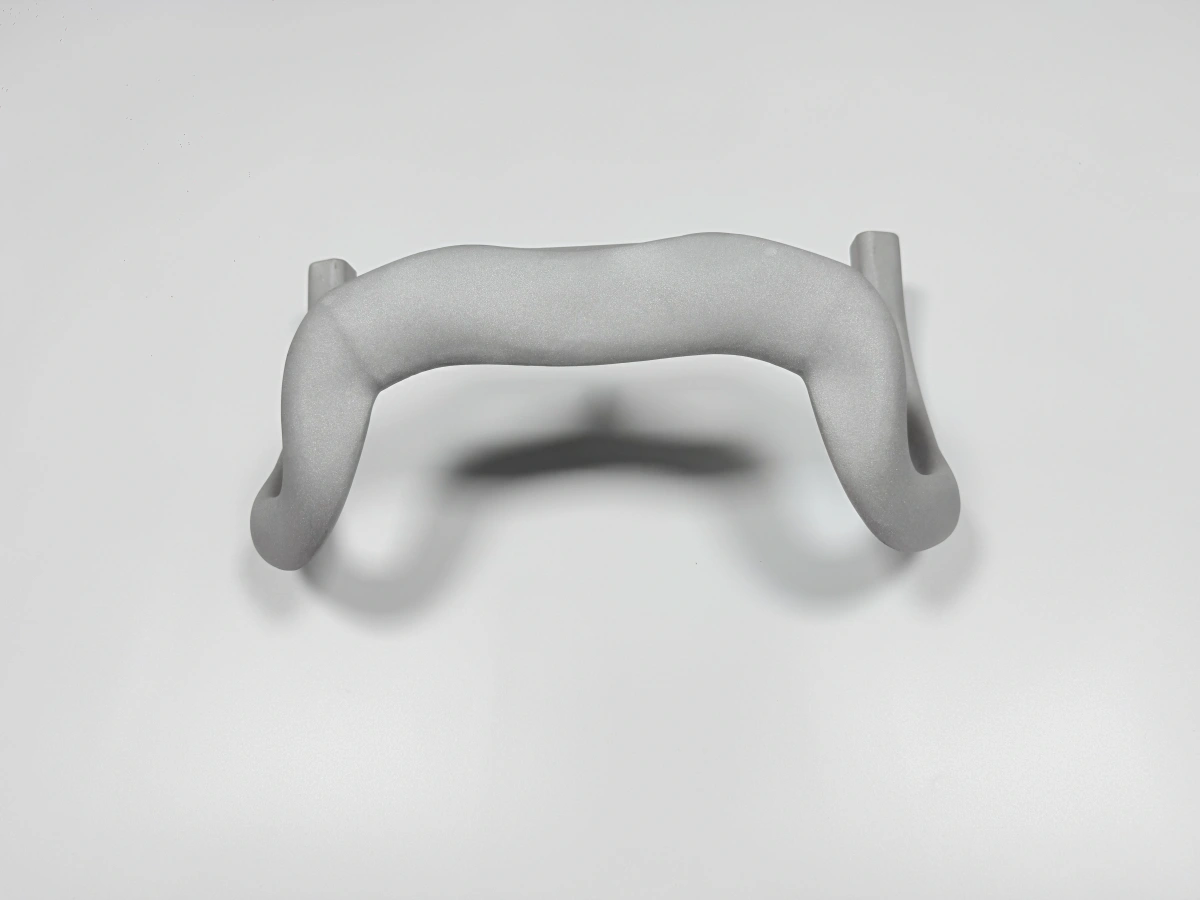
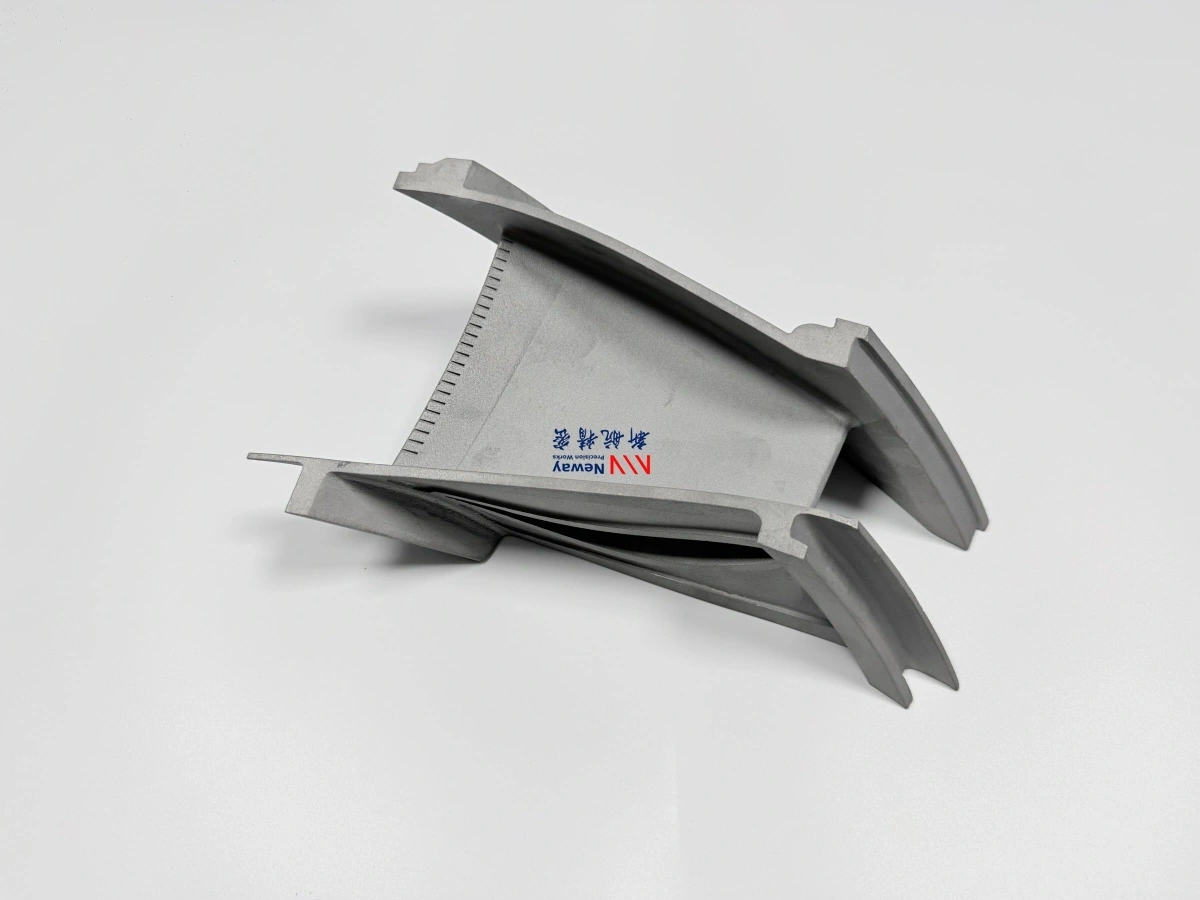
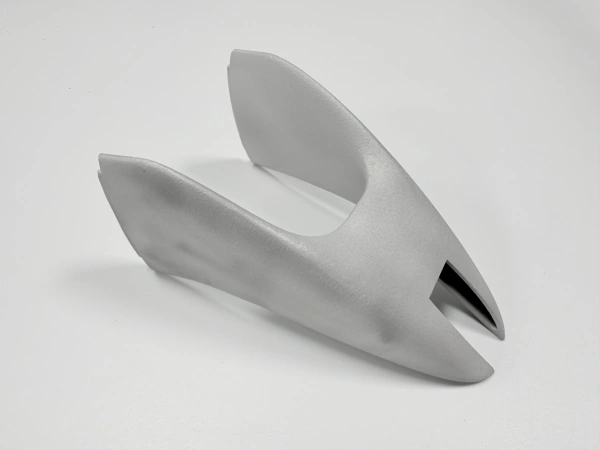
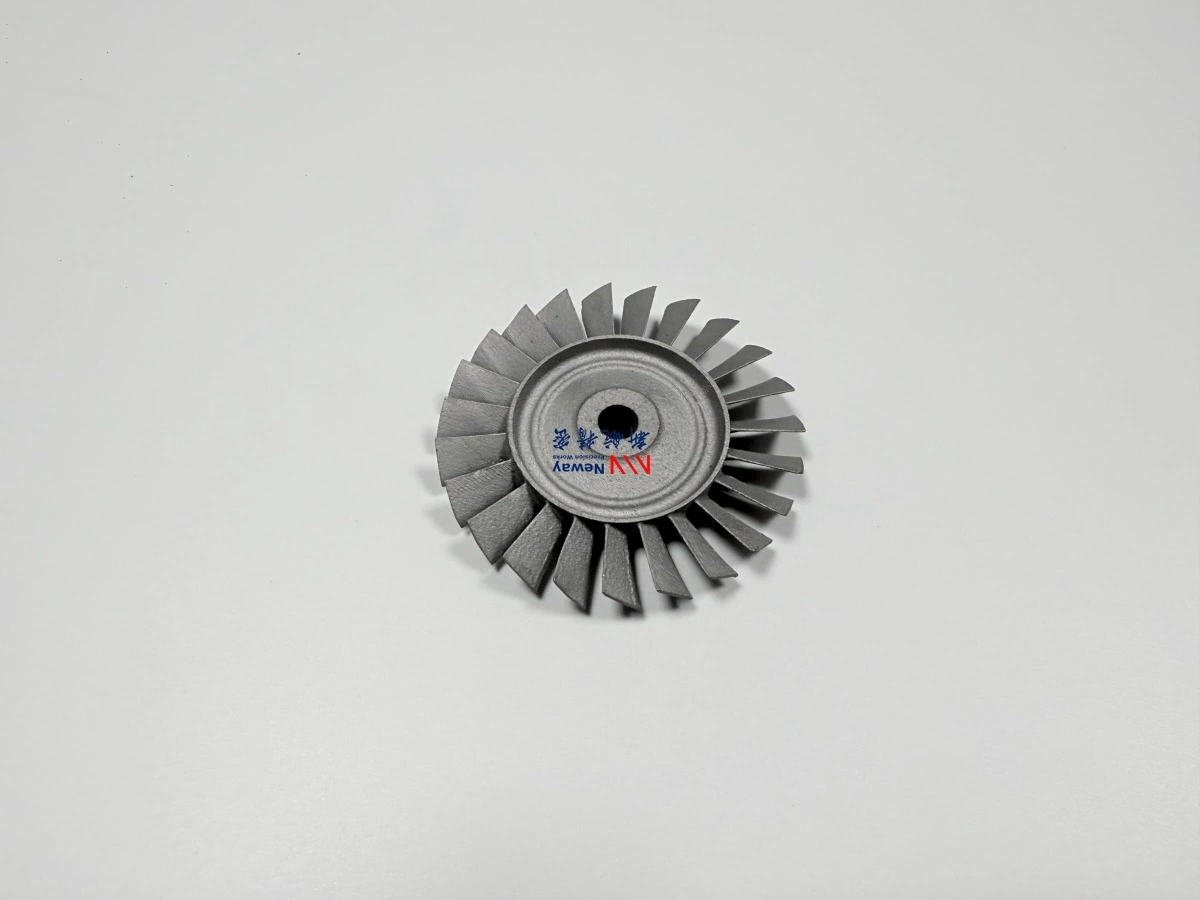
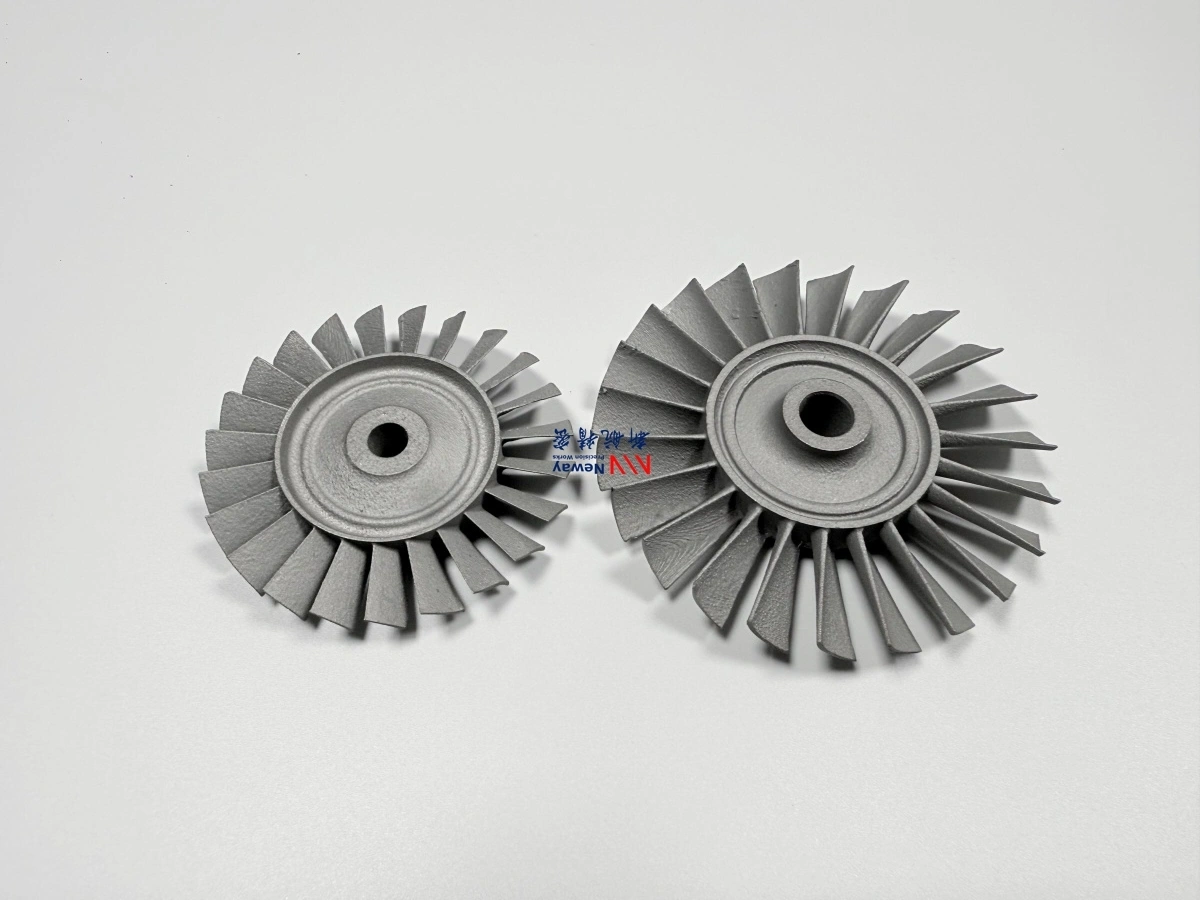
Titanium SLM printing and powder bed fusion are widely used to manufacture custom titanium 3D printed parts with complex geometry, high strength, lightweight structures, and integrated functional features. Compared with conventional machining from titanium billet, powder bed fusion allows engineers to build near-net-shape titanium alloy parts layer by layer, reducing design restrictions for internal channels, lattice structures, organic contours, and topology-optimized components.
At Neway3DP, our Powder Bed Fusion Titanium Printing capability supports custom titanium parts for aerospace, medical, robotics, automotive, energy, and industrial applications. We combine process review, material selection, build orientation planning, support strategy, heat treatment, CNC machining, and surface treatment to help customers produce functional titanium parts from prototype to low-volume production.
For engineers evaluating a titanium SLM printing supplier, the key question is not only whether the supplier owns a metal 3D printer. The supplier must understand titanium powder behavior, laser melting parameters, support design, residual stress control, post-processing requirements, inspection logic, and the difference between as-printed geometry and final functional dimensions.
Why Powder Bed Fusion Is Used for Titanium Parts
Powder bed fusion is commonly used for titanium parts because it can produce dense metal components with complex shapes that are difficult or expensive to manufacture by traditional machining or casting. Titanium alloys are often selected for applications that require a high strength-to-weight ratio, corrosion resistance, biocompatibility, or lightweight structural performance.
For custom titanium parts, powder bed fusion is especially useful when the design includes thin walls, internal channels, organic surfaces, weight-reduction structures, or consolidated assemblies. These features can reduce part count, lower assembly weight, and improve functional integration.
Design Requirement | Why Powder Bed Fusion Helps |
|---|---|
Complex titanium geometry | Builds organic shapes, internal channels, and difficult contours directly from CAD data |
High strength-to-weight ratio | Supports lightweight titanium structures for aerospace, robotics, and performance applications |
Part consolidation | Combines multiple machined or welded parts into one printed structure |
Low-volume production | Avoids tooling and supports custom titanium parts for prototypes and pilot batches |
Material efficiency | Reduces waste compared with heavy machining from expensive titanium billet |
SLM / DMLS Process for Titanium Metal 3D Printing
SLM and DMLS are commonly used terms for metal powder bed fusion processes. In titanium SLM printing, a thin layer of titanium alloy powder is spread across the build platform, and a high-energy laser selectively melts the powder according to the sliced CAD model. After each layer is melted, the platform lowers, a new powder layer is applied, and the process repeats until the full part is built.
This process is suitable for high-density titanium parts when the powder quality, laser parameters, atmosphere control, build layout, and thermal behavior are properly managed. For reactive titanium alloys, oxygen control and process consistency are important because they affect mechanical properties, surface quality, and final part reliability.
Process Step | Purpose | Engineering Focus |
|---|---|---|
CAD review | Evaluate whether the part is suitable for titanium powder bed fusion | Wall thickness, internal channels, support areas, datum surfaces, tolerance zones |
Build orientation | Define the part direction inside the build chamber | Support volume, deformation risk, surface finish, machining allowance |
Laser melting | Fuse titanium powder layer by layer into a dense metal part | Laser power, scan strategy, powder consistency, oxygen control |
Support removal | Remove supports and separate the part from the build plate | Protect thin walls, functional surfaces, and delicate features |
Post-processing | Improve mechanical stability, dimensional accuracy, and surface quality | Heat treatment, CNC machining, surface treatment, inspection |
Build Orientation for Titanium SLM Printing
Build orientation is one of the most important decisions in titanium powder bed fusion. The orientation affects support structure, build height, printing time, deformation risk, surface quality, powder removal, and final cost. A poor orientation may increase support marks, distortion, machining allowance, or post-processing difficulty.
For titanium parts, orientation should be selected based on both printing feasibility and final part function. Critical surfaces, holes, threads, sealing faces, and datum features may need to be positioned with enough allowance for CNC machining after printing. Internal channels also need to be reviewed for powder removal and inspection access.
Orientation Factor | Impact on Titanium Printing | Engineering Consideration |
|---|---|---|
Support volume | More supports increase printing time, material use, and removal labor | Reduce unnecessary supports while protecting critical geometry |
Build height | Greater build height may increase machine time and cost | Balance build height with support reduction and surface quality |
Surface quality | Down-facing surfaces and supported areas often require more finishing | Keep important visible or functional surfaces away from heavy support zones when possible |
Distortion risk | Titanium residual stress can cause warping or dimensional drift | Use orientation, supports, and heat treatment strategy to control deformation |
Machining allowance | Critical features may need additional stock for final CNC machining | Define datum surfaces, bores, threads, and mating faces before printing |
Residual Stress in Titanium Powder Bed Fusion
Residual stress is a key consideration in titanium additive manufacturing. During SLM printing, titanium powder is rapidly melted and solidified layer by layer. This repeated thermal cycle can generate internal stress, especially in thin walls, large flat sections, unsupported overhangs, and parts with uneven cross-sections.
For functional titanium parts, residual stress must be considered before the part is removed from the build plate or machined. Stress relief or Heat Treatment is often used to stabilize mechanical properties, reduce distortion risk, and improve part reliability before final machining or inspection.
Residual Stress Risk | Possible Effect | Control Method |
|---|---|---|
Thin walls | Warping, vibration sensitivity, or dimensional instability | Review wall thickness, support strategy, and heat treatment route |
Large flat sections | Curling, edge lifting, or post-removal distortion | Optimize orientation and support distribution |
High support concentration | Support removal marks or local stress concentration | Reduce support density where possible and plan finishing allowance |
Post-print machining | Material movement after cutting or datum release | Use stress relief before precision CNC machining |
Tolerance and Surface Finish for Titanium 3D Printed Parts
Titanium SLM printing can produce complex metal parts, but the as-printed condition is not the same as precision machining. As-printed surfaces may show layer texture, support contact marks, roughness variation, and dimensional deviation in critical areas. For this reason, functional titanium parts usually require clear tolerance planning before printing.
General geometry, lightweight structures, and non-critical surfaces may remain as-printed or be finished by blasting or polishing. However, precision holes, threads, sealing faces, datum surfaces, and mating interfaces should usually be finished after printing. Surface finishing may also be required for appearance, flow performance, corrosion resistance, or assembly requirements.
Feature Type | As-Printed Suitability | Recommended Finishing Route |
|---|---|---|
External organic surfaces | Often acceptable for prototype or non-mating areas | Blasting, polishing, or Surface Treatment |
Datum surfaces | Usually not recommended as final as-printed surfaces | CNC machining with defined allowance |
Precision holes | May need post-machining for accurate diameter and roundness | Drilling, reaming, boring, or CNC machining |
Threads | As-printed threads may not meet functional assembly requirements | Tapping, thread milling, or insert installation |
Sealing faces | Usually require controlled flatness and roughness | Precision CNC machining or grinding depending on requirement |
When CNC Machining Is Needed After Titanium SLM Printing
Titanium powder bed fusion is excellent for creating complex near-net-shape parts, but CNC Machining is often required when the part has functional surfaces or precision assembly requirements. The most common CNC-machined features include mounting faces, bearing seats, threaded holes, precision bores, sealing faces, slots, and datum surfaces.
A hybrid route is often the best choice for custom titanium metal parts. The part is printed first to achieve the complex geometry, then CNC machining is used to finish critical areas. This helps combine the design freedom of titanium additive manufacturing with the dimensional control of precision machining.
CNC-Machined Feature | Why Machining Is Needed | Typical Requirement |
|---|---|---|
Mounting face | Improves flatness and assembly alignment | Datum control, surface finish, parallelism |
Precision bore | Improves roundness, diameter accuracy, and positional control | Reaming, boring, or multi-axis machining |
Threaded hole | Improves thread strength and assembly repeatability | Tapping, thread milling, or inserts |
Sealing surface | Controls flatness and roughness for sealing performance | CNC finishing or grinding depending on drawing notes |
Critical datum | Creates reliable inspection and assembly reference | Machining allowance planned before printing |
Suitable Titanium Materials for SLM and Powder Bed Fusion
Material selection affects printability, strength, fatigue behavior, heat treatment, inspection requirements, and final cost. Neway3DP supports titanium powder bed fusion through our Titanium 3D Printing Service, including commonly used titanium alloys for aerospace, medical, robotics, and industrial applications.
For many projects, Ti-6Al-4V TC4 3D Printing is the most common choice because it provides a strong balance of lightweight performance, mechanical strength, corrosion resistance, and availability. TA15 Titanium 3D Printing may be selected when higher structural performance or elevated-temperature stability is required.
Titanium Material | Typical Application | Selection Notes |
|---|---|---|
Ti-6Al-4V TC4 | Aerospace brackets, robotics parts, lightweight structures, functional prototypes | Common titanium alloy for SLM printing with broad application coverage |
TA15 | Aerospace load-bearing parts, high-strength components, elevated-temperature structures | Suitable when higher structural performance and thermal stability are required |
Ti-6Al-4V ELI Grade 23 | Medical components, implants, surgical tools, biocompatible precision parts | Often selected for medical or ductility-sensitive applications |
CP-Ti Grade 1-4 | Corrosion-resistant components, chemical equipment, medical parts | Useful when corrosion resistance and formability are more important than maximum strength |
How to Choose a Titanium SLM Printing Supplier
A titanium SLM printing supplier should be able to evaluate more than part volume and material weight. For functional titanium parts, the supplier should review printability, orientation, support strategy, residual stress, heat treatment, post-machining allowance, surface finishing, and inspection requirements before confirming the final process route.
This is especially important for parts used in aerospace, medical, robotics, and high-performance industrial applications. A supplier that understands both titanium additive manufacturing and downstream machining can help reduce redesign risk, improve quote accuracy, and produce parts that are closer to final functional requirements.
Supplier Capability | Why It Matters |
|---|---|
Titanium powder bed fusion experience | Supports process stability for reactive titanium alloys |
Build orientation planning | Reduces support volume, deformation risk, and finishing difficulty |
Heat treatment support | Controls residual stress and improves part stability |
CNC machining capability | Finishes datum surfaces, holes, threads, and mating interfaces |
Inspection support | Confirms dimensional accuracy, internal quality, and final part compliance |
What Information Is Needed for a Titanium Powder Bed Fusion Quote?
To quote titanium SLM printed parts accurately, the supplier needs enough information to evaluate printability, part orientation, support structure, material choice, post-processing, machining, inspection, and delivery risk. A 3D model is necessary for geometry review, while a 2D drawing is needed to confirm tolerances, threads, datum surfaces, surface finish, and inspection requirements.
For faster quotation, please provide the following information:
3D CAD model, preferably STEP, X_T, IGS, or STL format
2D drawing with tolerances, datum requirements, threads, surface finish, and inspection notes
Required titanium material, such as TC4, TA15, Grade 23, or CP-Ti
Quantity for prototype, pilot batch, or low-volume production
Required post-processing, such as heat treatment, CNC machining, EDM, polishing, sandblasting, or passivation
Application environment, including load, temperature, corrosion exposure, fatigue requirement, or medical use
Special inspection requirements, such as CMM report, CT inspection, X-ray inspection, material certificate, tensile test, or surface roughness report
Target delivery schedule and shipping destination
Conclusion
SLM and powder bed fusion are effective processes for titanium 3D printed parts that require complex geometry, high strength, lightweight structure, and functional integration. The process is well suited for Ti-6Al-4V, TA15, Grade 23, CP-Ti, and other titanium materials when build orientation, residual stress, support removal, post-processing, and inspection are properly planned.
Neway3DP provides titanium powder bed fusion service with engineering review, titanium material selection, heat treatment, CNC machining, surface treatment, and inspection support. For custom titanium parts, a complete 3D model, 2D drawing, quantity, material requirement, and application details help us recommend the most reliable process route and provide an accurate quotation.