TA15 vs Ti-6Al-4V: Choosing the Right Titanium Alloy for 3D Printed Parts
TA15 vs Ti-6Al-4V: Choosing the Right Titanium Alloy for 3D Printed Parts
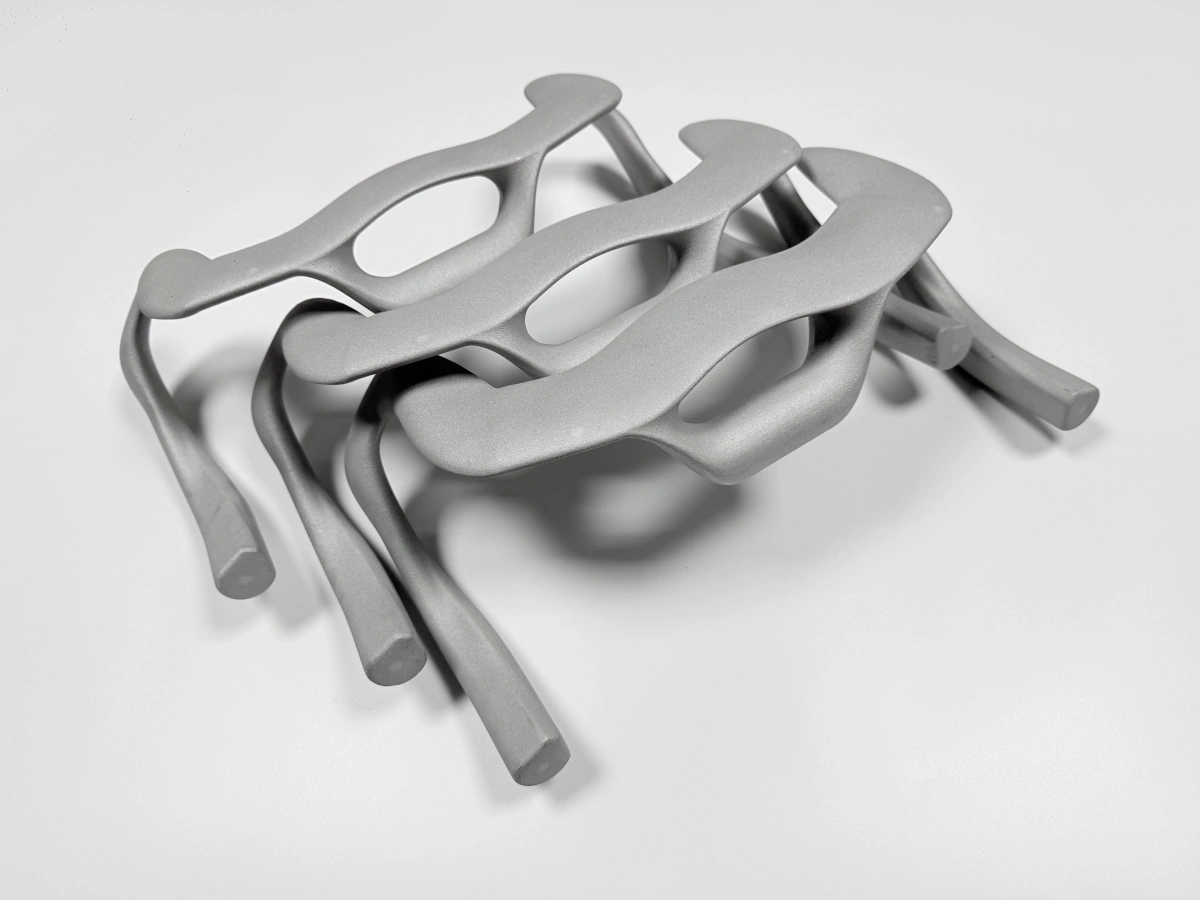
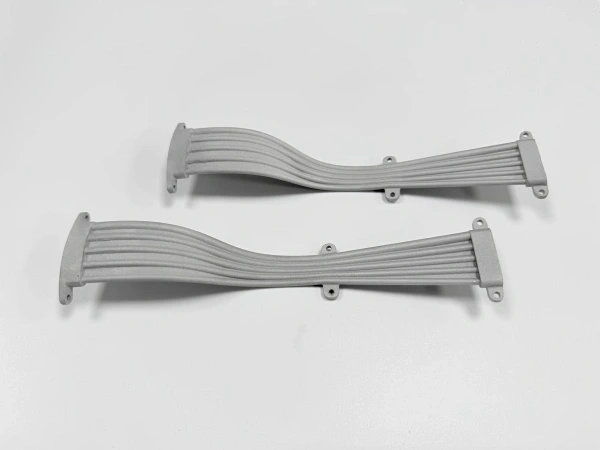
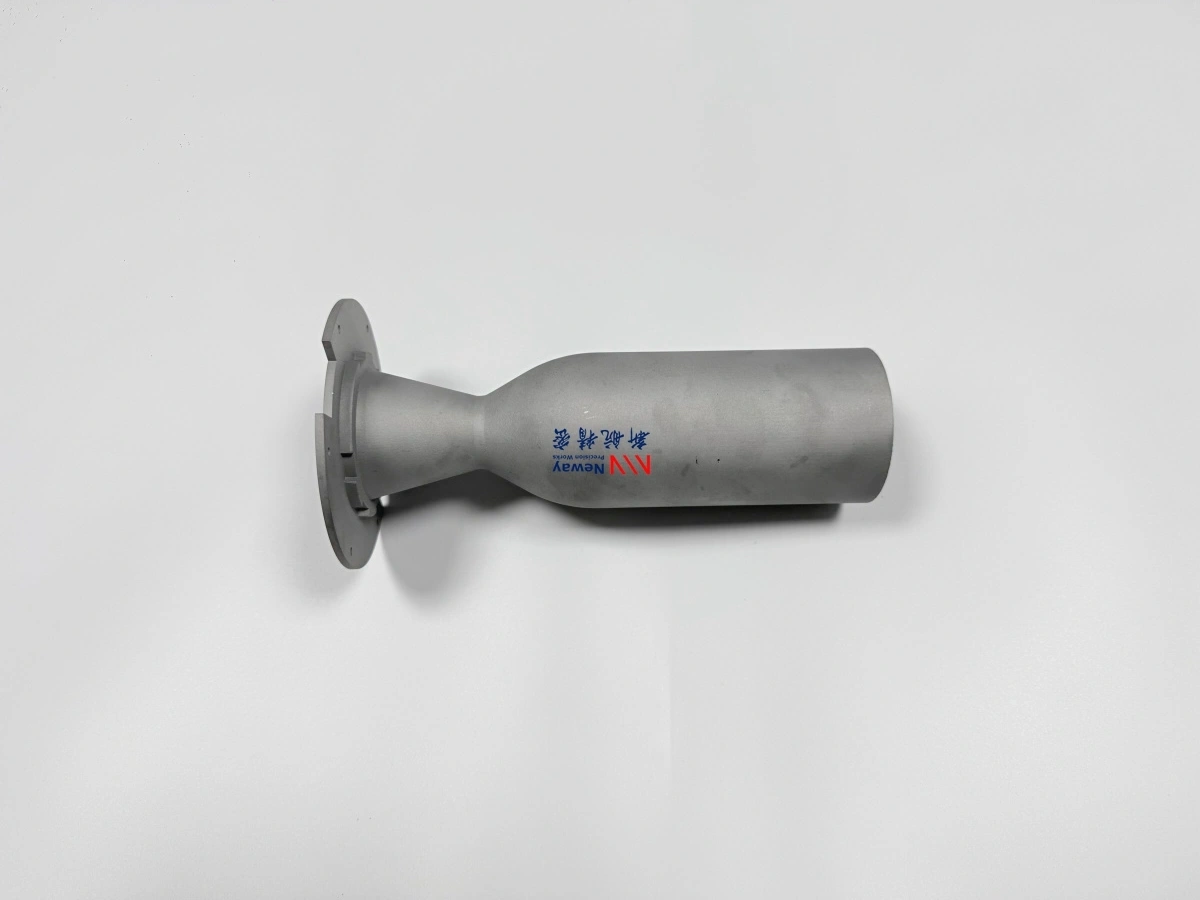
TA15 vs Ti-6Al-4V is a common material selection question for custom titanium 3D printed parts. Both alloys can be used for high-strength lightweight components, but they are not selected for exactly the same reasons. Ti-6Al-4V, also known as TC4 or Grade 5, is a widely used general titanium alloy for many functional printed parts. TA15 is more specialized and is often considered for aerospace structural parts, higher-performance load-bearing components, and more demanding engineering applications.
At Neway3DP, we support both TA15 Titanium 3D Printing and Ti-6Al-4V TC4 3D Printing for custom titanium parts. The right choice should be based on the drawing material requirement, application temperature, load condition, fatigue requirement, post-processing plan, inspection level, and cost target.
For engineers and buyers, the best material is not always the highest-performance option. The best choice is the alloy that meets the functional requirement with the right balance of availability, printability, post-processing, inspection, lead time, and total manufacturing cost.
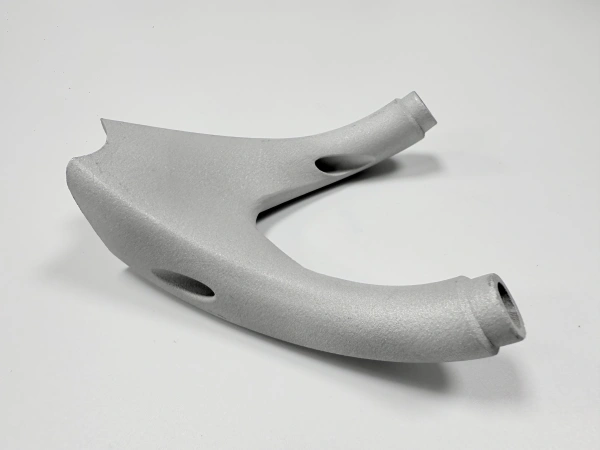
Quick Comparison Table: TA15 vs Ti-6Al-4V
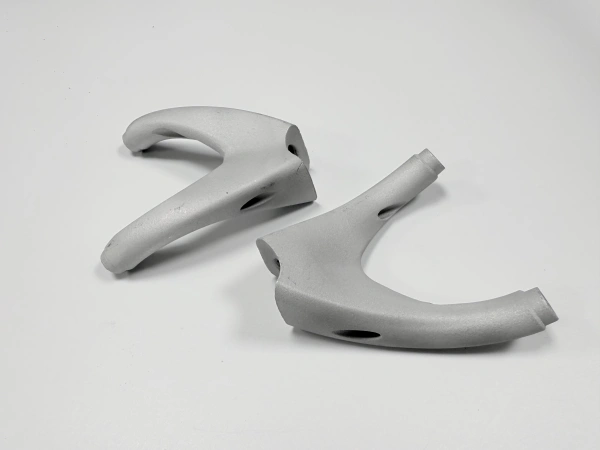
A quick comparison helps clarify the basic difference between TA15 and Ti-6Al-4V. TC4 is often the practical starting point for many titanium alloy 3D printing projects because it is widely used, broadly available, and suitable for many high-strength lightweight applications. TA15 is more focused on aerospace structural performance and specialized engineering conditions.
Comparison Item | Ti-6Al-4V / TC4 | TA15 |
|---|---|---|
Material positioning | General high-strength lightweight titanium alloy | Aerospace structural titanium alloy for more specialized applications |
Typical applications | Brackets, housings, medical parts, robotics parts, automotive components, general aerospace parts | Aerospace brackets, load-bearing structural parts, lightweight connectors, high-performance structural components |
Strength-to-weight value | Strong balance of lightweight design and mechanical performance | Selected when higher structural performance is required |
Heat resistance and stability | Suitable for many standard titanium applications | Often considered when elevated-temperature stability or aerospace structural behavior matters more |
Cost and availability | Usually more common and easier to plan for quotation and production | More specialized, often requiring closer material confirmation and process planning |
Best selection logic | Choose when the project needs a practical, widely used titanium alloy | Choose when the project has aerospace structural or higher-performance requirements |
When to Choose TC4 for 3D Printed Parts
Ti-6Al-4V / TC4 is usually the first material to consider when a project needs a strong, lightweight, corrosion-resistant titanium part. It is widely used in titanium additive manufacturing because it offers mature supply, broad application experience, and a practical balance between performance and manufacturability.
TC4 is suitable for many general high-strength lightweight applications, including medical components, automotive development parts, robotics structures, brackets, housings, fixtures, and ordinary aerospace structural parts. If the drawing specifies Ti-6Al-4V, TC4, or Titanium Grade 5, the material requirement should be followed unless the application clearly requires a different alloy.
Choose Ti-6Al-4V / TC4 When | Engineering Reason |
|---|---|
The part needs a strong lightweight material | TC4 provides a proven strength-to-weight balance for many functional titanium parts |
The application is broad rather than highly specialized | TC4 is suitable for many aerospace, medical, automotive, robotics, and industrial uses |
Material availability and lead time matter | TC4 is usually more common and easier to quote than more specialized titanium alloys |
The project is a prototype or low-volume order | TC4 supports functional validation without tooling investment |
The part requires post-machined functional features | TC4 can be printed near-net-shape and finished by CNC machining where needed |
When to Choose TA15 for 3D Printed Parts
TA15 should be considered when the project requires more specialized structural performance than a general titanium alloy application. It is often associated with aerospace structural parts, load-bearing components, lightweight connectors, and parts used in more demanding engineering environments.
For Aerospace and Aviation projects, TA15 may be preferred when the part must combine strength, lightweight design, structural stability, and controlled post-processing. It is especially relevant when the customer drawing, specification, or application environment already points to TA15 rather than a standard Ti-6Al-4V requirement.
Choose TA15 When | Engineering Reason |
|---|---|
The part is an aerospace structural component | TA15 is positioned for high-strength lightweight structural applications |
The project requires stronger structural confidence | TA15 may be selected for more demanding load-bearing titanium parts |
The application involves elevated-temperature considerations | TA15 is often considered when thermal stability is more important |
The drawing or specification calls out TA15 | The material requirement should be followed unless engineering approval allows substitution |
The part is a specialized lightweight connector or support | TA15 can support complex printed structural geometry with post-processing control |
Printing Considerations for TA15 and Ti-6Al-4V
Both TA15 and Ti-6Al-4V require careful process planning during titanium additive manufacturing. Material selection alone does not determine part success. Build orientation, support strategy, residual stress control, powder quality, oxygen control, and post-processing route all affect final performance.
Neway3DP supports custom titanium parts through Titanium 3D Printing Service. For both TC4 and TA15, the printing plan should be reviewed based on part geometry, tolerance zones, wall thickness, internal channels, machining allowance, and inspection requirements.
Printing Factor | Why It Matters for TC4 and TA15 | Engineering Focus |
|---|---|---|
Build orientation | Affects support volume, surface quality, build height, and distortion risk | Balance printing cost, functional surfaces, and post-machining allowance |
Support strategy | Controls overhang stability and heat dissipation during printing | Reduce support marks on critical surfaces where possible |
Thermal stress | Titanium alloys can develop residual stress during rapid melting and cooling | Plan stress relief and avoid distortion-prone geometry |
Internal channels | May trap powder or require additional inspection | Confirm powder removal path, channel size, and CT inspection needs |
Machining allowance | Critical features usually require post-machining after printing | Define datum surfaces, holes, threads, sealing faces, and mating areas early |
Post-Processing Differences Between TA15 and Ti-6Al-4V
Both TA15 and Ti-6Al-4V printed parts may need heat treatment, support removal, CNC machining, surface finishing, and inspection. The post-processing route should be based on the drawing, application, and material specification. For load-bearing aerospace structures, post-processing and inspection are usually more strictly controlled than for general prototypes.
Heat Treatment is commonly used to relieve residual stress and stabilize titanium printed parts before final machining or service. CNC machining is often needed for holes, threads, datum surfaces, mounting faces, and sealing surfaces. If fatigue performance or internal density is critical, additional inspection or HIP may also be considered depending on the project requirement.
Post-Processing Item | Ti-6Al-4V / TC4 | TA15 |
|---|---|---|
Heat treatment | Commonly used for stress relief and property stabilization | Important for structural stability and aerospace-related applications |
CNC machining | Used for precision holes, datum surfaces, threads, and mating faces | Often required for load-bearing interfaces and aerospace assembly features |
Surface finishing | Used for appearance, roughness control, cleanability, or functional surfaces | Used when structural, aerodynamic, or assembly requirements define surface quality |
Inspection | Dimensional report, CMM, material certificate, or CT depending on application | Often requires more detailed inspection planning for structural aerospace parts |
Cost and Availability: TA15 vs TC4
Cost and availability are practical factors in titanium material selection for 3D printing. TC4 is usually more common and easier to quote for many custom titanium printed parts. It has broader usage, more mature supply, and stronger familiarity across many industries. This can make TC4 a practical choice when the application does not require a more specialized titanium alloy.
TA15 is more specialized and may require closer confirmation of material availability, powder batch, post-processing route, and inspection requirements. For aerospace structural parts, this added planning can be worthwhile because the material selection is driven by performance rather than only cost.
Cost Factor | TC4 / Ti-6Al-4V | TA15 |
|---|---|---|
Material availability | Usually more common and easier to plan | More specialized and should be confirmed by project |
Quotation speed | Often faster when the geometry and requirements are clear | May require additional material and process confirmation |
Post-processing cost | Depends on heat treatment, machining, surface finishing, and inspection | May be higher for aerospace structural requirements or stricter inspection |
Best cost logic | Best when performance requirements can be met by standard high-strength titanium alloy | Best when specialized structural performance justifies the added planning |
How to Select Material for Titanium 3D Printed Parts
The safest way to choose between TA15 and Ti-6Al-4V is to start from the drawing and final application. If the drawing clearly specifies TA15, the supplier should quote TA15 unless the customer approves an alternative material. If the drawing specifies Ti-6Al-4V, TC4, or Grade 5, that requirement should also be followed unless another alloy is requested for technical reasons.
If no titanium grade is specified, the selection should be based on load, temperature, corrosion environment, weight target, fatigue requirement, inspection level, and budget. For many custom high-strength lightweight parts, TC4 is the most practical starting point. For specialized aerospace structural parts or higher-performance load-bearing components, TA15 should be evaluated.
Selection Question | Recommended Decision Logic |
|---|---|
Does the drawing specify a titanium grade? | Follow the drawing requirement first, unless the customer approves a material change |
Is the part a general lightweight structural component? | Ti-6Al-4V / TC4 is often the practical starting point |
Is the part an aerospace structural component? | TA15 should be considered if the application requires specialized structural performance |
Will the part work under elevated temperature or demanding load? | Review TA15 if thermal stability or higher structural reliability is required |
Are inspection and qualification requirements strict? | Confirm material certificate, CMM, CT, mechanical testing, and post-processing records before quotation |
RFQ Information for TA15 or Ti-6Al-4V 3D Printing
To quote TA15 or Ti-6Al-4V additive manufacturing accurately, the supplier needs enough information to evaluate material suitability, printability, post-processing, inspection, and delivery risk. A 3D model helps review geometry, support strategy, and part volume, while a 2D drawing confirms tolerances, datum features, material grade, and inspection requirements.
For faster quotation, please provide the following information:
3D CAD model, preferably STEP, X_T, IGS, or STL format
2D drawing with material grade, tolerances, datum requirements, threads, surface finish, and inspection notes
Required titanium alloy, such as TA15, Ti-6Al-4V, TC4, Grade 5, or an approved equivalent
Quantity for prototype, pilot batch, low-volume production, or repeat order
Application environment, including load, temperature, fatigue, corrosion exposure, vibration, or aerospace use
Required post-processing, such as heat treatment, HIP if required, CNC machining, polishing, blasting, passivation, or surface treatment
Inspection requirements, such as dimensional report, CMM report, CT inspection, X-ray inspection, material certificate, tensile test, or surface roughness report
Target delivery schedule and shipping destination
FAQ
What Information Is Needed for a Titanium 3D Printing Quote?
Which Titanium Alloy Is Best for 3D Printed Parts: TC4, TA15, or Grade 23?
Can Ti-6Al-4V / TC4 Be 3D Printed for Functional Titanium Parts?
Does Ti-6Al-4V 3D Printing Require Heat Treatment, HIP, or CNC Machining?
Is TA15 Titanium Suitable for Aerospace 3D Printed Structural Parts?