TA15 Titanium 3D Printing Service for Aerospace Structural Parts
TA15 Titanium 3D Printing Service for Aerospace Structural Parts
TA15 titanium 3D printing service is used for custom high-strength titanium parts that require lightweight structure, thermal stability, and engineering reliability. Compared with common titanium alloys used for general lightweight applications, TA15 is more often selected for aerospace structural parts, load-bearing components, and high-performance engineering applications where strength, stability, and material performance are critical.
At Neway3DP, our TA15 Titanium 3D Printing Service supports custom TA15 titanium parts based on customer CAD files and engineering drawings. We provide powder bed fusion, build orientation review, support strategy, heat treatment, CNC post-machining, surface treatment, and inspection support for prototype, pilot-batch, and low-volume aerospace titanium projects.
For buyers evaluating a TA15 titanium parts supplier, the key is not only whether the supplier can print titanium. TA15 parts usually require engineering review for material selection, geometry, residual stress, post-processing, precision machining, and inspection before they can be used as functional aerospace or structural components.
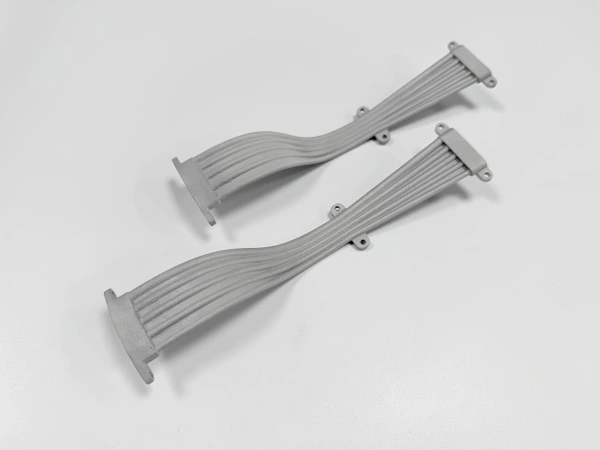
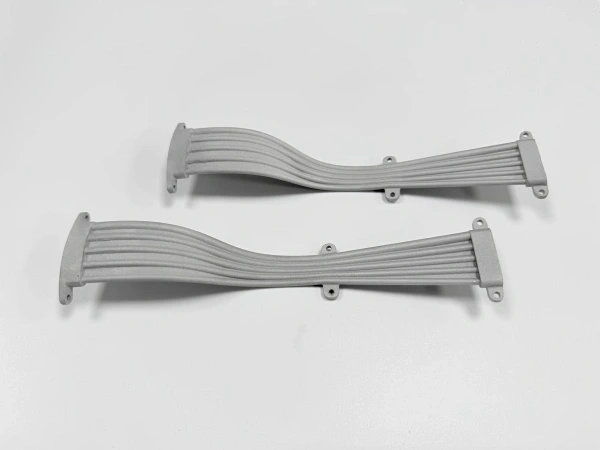
What Is TA15 Titanium Alloy?
TA15 is a high-strength titanium alloy commonly associated with aerospace structural applications. It is also referenced by compositions such as Ti-6.5Al-1Mo-1V-2Zr or Ti-6Al-2Zr-1Mo-1V depending on material specification and regional naming practice. In engineering use, TA15 is positioned as a structural titanium alloy rather than a general-purpose lightweight material.
In additive manufacturing, TA15 is selected when the part requires high strength, lightweight performance, and better structural stability than standard titanium options in demanding applications. It is especially relevant for aerospace brackets, load-bearing supports, lightweight connectors, and complex structural housings that are difficult to manufacture by traditional machining alone.
Material Name | Common Meaning | Typical Use in RFQ |
|---|---|---|
TA15 | Chinese titanium alloy designation often used for aerospace structural applications | Common in China-based aerospace titanium manufacturing and supplier communication |
Ti-6.5Al-1Mo-1V-2Zr | Composition-based name used to describe TA15-type titanium alloy | Used when customers want clearer material identification for engineering review |
Ti-6Al-2Zr-1Mo-1V | Alternative composition reference used in some project descriptions | Should be confirmed against the final material specification before quotation |
Why TA15 Is Used for Aerospace Parts
TA15 is used for aerospace parts because it combines high strength, lightweight performance, thermal stability, and structural reliability. Aerospace applications often require materials that can reduce weight while maintaining mechanical performance under demanding service conditions. TA15 is well suited to this type of engineering requirement.
Compared with more general titanium alloy choices, TA15 is often considered when a part needs stronger structural performance or better stability for aerospace and aviation applications. For projects where weight reduction, load transfer, and reliable mechanical behavior are important, TA15 can be a strong candidate for titanium additive manufacturing.
Aerospace Requirement | Why TA15 Is Suitable |
|---|---|
High strength | Supports load-bearing aerospace brackets, connectors, and structural components |
Lightweight structure | Helps reduce part weight while maintaining titanium-level performance |
Thermal stability | Useful for engineering parts exposed to elevated temperature or demanding operating conditions |
Structural reliability | Suitable for parts where dimensional stability and mechanical consistency are important |
Complex aerospace geometry | Can be printed into integrated lightweight structures that are difficult to machine directly |
TA15 3D Printing Service for Custom Titanium Parts
Neway3DP provides TA15 3D printing for custom titanium parts based on customer 3D CAD files, 2D drawings, tolerance requirements, and application conditions. The process is suitable for engineering prototypes, aerospace validation parts, low-volume structural components, and custom high-strength titanium alloy parts where tooling is not practical.
For broader material selection, Neway3DP also supports Titanium Alloy 3D Printing for different titanium grades. TA15 is typically selected when the project needs higher structural performance than a standard lightweight titanium application, while Ti-6Al-4V TC4 3D Printing remains a practical option for many general high-strength lightweight titanium parts.
Project Need | How TA15 3D Printing Helps | Typical Manufacturing Support |
|---|---|---|
Custom aerospace geometry | Enables complex structural shapes without tooling | CAD review, build orientation, support design |
High-strength lightweight parts | Supports load-bearing titanium components with reduced weight | Powder bed fusion, heat treatment, inspection |
Prototype validation | Allows testing before tooling or larger production investment | Printing, post-machining, dimensional report |
Low-volume production | Supports custom batches without casting or forging tooling | Process control, batch inspection, repeatable post-processing |
Suitable TA15 3D Printed Part Types
TA15 3D printed aerospace parts are usually selected when the component needs to carry load, reduce weight, or integrate complex geometry. The material is especially suitable for structural parts where conventional machining from billet would create high material waste or limit design freedom.
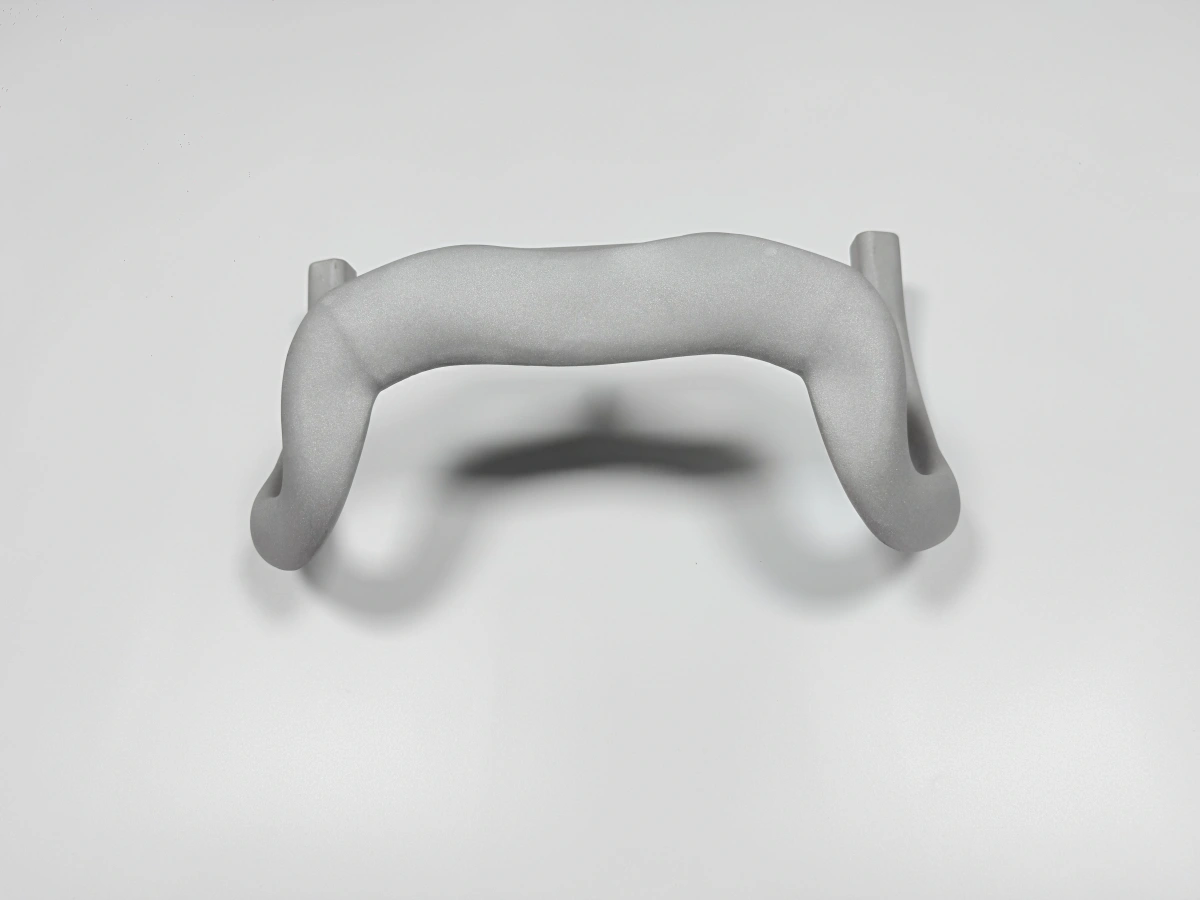
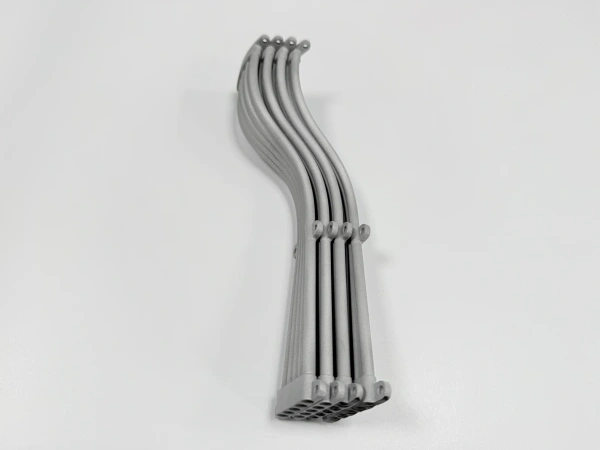
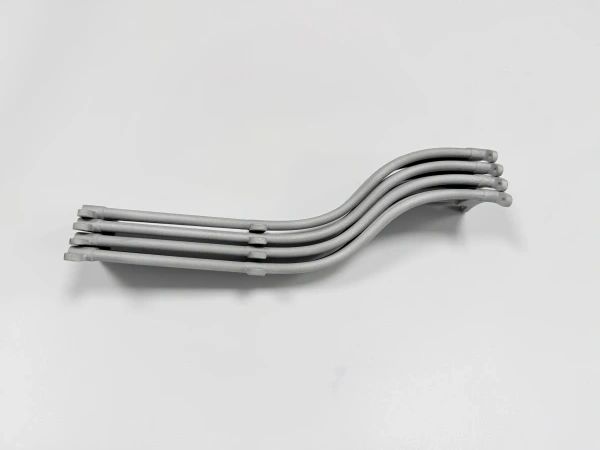
Typical custom TA15 titanium parts include aerospace brackets, load-bearing structural components, lightweight connectors, complex housings, mounting supports, drone structures, and validation hardware. For parts used in Aerospace and Aviation, post-processing and inspection requirements should be reviewed before production.
Part Type | Why TA15 Is Suitable | Typical Post-Processing |
|---|---|---|
Aerospace brackets | Provides high strength-to-weight performance for load-bearing structures | Heat treatment, CNC machining, CMM inspection |
Load-bearing structural parts | Supports structural stability and lightweight design requirements | Heat treatment, possible HIP, dimensional inspection |
Lightweight connectors | Allows integrated geometry and reduced assembly weight | CNC-machined holes, threads, and datum surfaces |
Complex housings | Supports internal features, compact structure, and reduced part count | Surface treatment, CNC finishing, inspection |
Test and validation hardware | Enables functional titanium prototypes for engineering evaluation | Heat treatment, dimensional report, application-specific inspection |
Printing Process for TA15 Titanium Parts
TA15 titanium parts are commonly produced using Powder Bed Fusion, including SLM-type metal additive manufacturing processes. A laser selectively melts titanium alloy powder layer by layer according to the sliced CAD model, allowing complex structures to be built directly from digital design data.
For TA15, process planning is especially important because aerospace structural parts often require stable geometry, controlled support removal, reliable mechanical performance, and accurate post-machined interfaces. Build orientation, support strategy, residual stress control, powder quality, and post-processing route should be evaluated before printing.
Process Step | Purpose | Engineering Focus |
|---|---|---|
CAD and drawing review | Evaluate printability, material suitability, and final part requirements | Wall thickness, internal features, datum surfaces, tolerance zones, inspection notes |
Build orientation | Define printing direction and support strategy | Support volume, deformation risk, build height, surface quality, machining allowance |
Powder bed fusion printing | Build dense TA15 titanium parts layer by layer | Laser parameters, powder consistency, oxygen control, thermal stability |
Support removal | Remove supports and separate the part from the build plate | Protect thin walls, functional surfaces, and delicate structural features |
Final processing | Improve mechanical stability, dimensional accuracy, and surface condition | Heat treatment, CNC machining, surface treatment, inspection |
Post-Processing for TA15 3D Printed Parts
Post-processing is usually required for TA15 3D printed aerospace parts. As-printed titanium components may contain support marks, residual stress, rough surfaces, and dimensional variation on critical features. Structural parts often need heat treatment, machining, surface finishing, and inspection before they can be used in assembly or testing.
Neway3DP can combine TA15 printing with Heat Treatment, CNC post-machining, surface finishing, and inspection according to the drawing and application requirements. Heat treatment helps relieve residual stress and stabilize the printed part before final machining or inspection.
Post Process | Why It Is Used | Typical TA15 Part Features |
|---|---|---|
Heat treatment | Relieves residual stress and stabilizes mechanical properties | Aerospace brackets, load-bearing supports, complex structural parts |
HIP if required | Improves internal density and fatigue reliability for critical components | High-value structural parts or fatigue-loaded components |
CNC machining | Achieves accurate datum surfaces, holes, threads, and mating interfaces | Mounting faces, precision bores, assembly surfaces, threaded holes |
Surface treatment | Improves surface condition, appearance, corrosion resistance, or functional quality | Visible components, structural housings, aerospace and industrial parts |
Inspection | Confirms dimensional accuracy, material compliance, and final part quality | CMM report, dimensional report, material certificate, CT or X-ray if required |
TA15 vs TC4 for Custom Titanium Parts
TA15 and TC4 are both titanium alloys used in additive manufacturing, but they are often selected for different project priorities. TC4 is widely used for general high-strength lightweight titanium parts, while TA15 is more focused on aerospace structural applications and higher-performance engineering requirements.
When a project requires a broadly available titanium alloy with strong strength-to-weight performance, TC4 may be the practical starting point. When the project requires aerospace structural performance, elevated-temperature stability, or higher engineering confidence for load-bearing parts, TA15 may be a better choice.
Material | Typical Positioning | When to Consider |
|---|---|---|
TA15 | Aerospace structural titanium alloy for high-strength lightweight engineering parts | Load-bearing brackets, structural connectors, aerospace housings, demanding titanium parts |
TC4 / Ti-6Al-4V | General high-strength lightweight titanium alloy with broad application coverage | Custom brackets, housings, robotics parts, medical components, functional titanium prototypes |
RFQ Requirements for TA15 3D Printing
To provide an accurate TA15 3D printing quote, the supplier needs enough technical information to evaluate printability, material requirements, structural risk, tolerance control, post-processing, inspection, and delivery schedule. A 3D CAD model is required for geometry review, while a 2D drawing is needed to confirm tolerances, datums, surface finish, machined areas, and quality requirements.
For faster quotation, please provide the following information:
3D CAD model, preferably STEP, X_T, IGS, or STL format
2D drawing with tolerances, datum requirements, threads, surface finish, and inspection notes
Material requirement, such as TA15, Ti-6.5Al-1Mo-1V-2Zr, or other confirmed titanium specification
Quantity for prototype, pilot batch, or low-volume production
Application environment, including load, temperature, vibration, fatigue requirement, or aerospace use
Required post-processing, such as heat treatment, HIP if required, CNC machining, polishing, blasting, or surface treatment
Inspection requirements, such as dimensional report, CMM report, CT inspection, X-ray inspection, material certificate, tensile test, or surface roughness report
Target delivery schedule and shipping destination
FAQ
What Information Is Needed for a Titanium 3D Printing Quote?
Which Titanium Alloy Is Best for 3D Printed Parts: TC4, TA15, or Grade 23?
Can Ti-6Al-4V / TC4 Be 3D Printed for Functional Titanium Parts?
Does Ti-6Al-4V 3D Printing Require Heat Treatment, HIP, or CNC Machining?
Is TA15 Titanium Suitable for Aerospace 3D Printed Structural Parts?