Titanium 3D Printing Service RFQ Guide for Custom Metal Parts
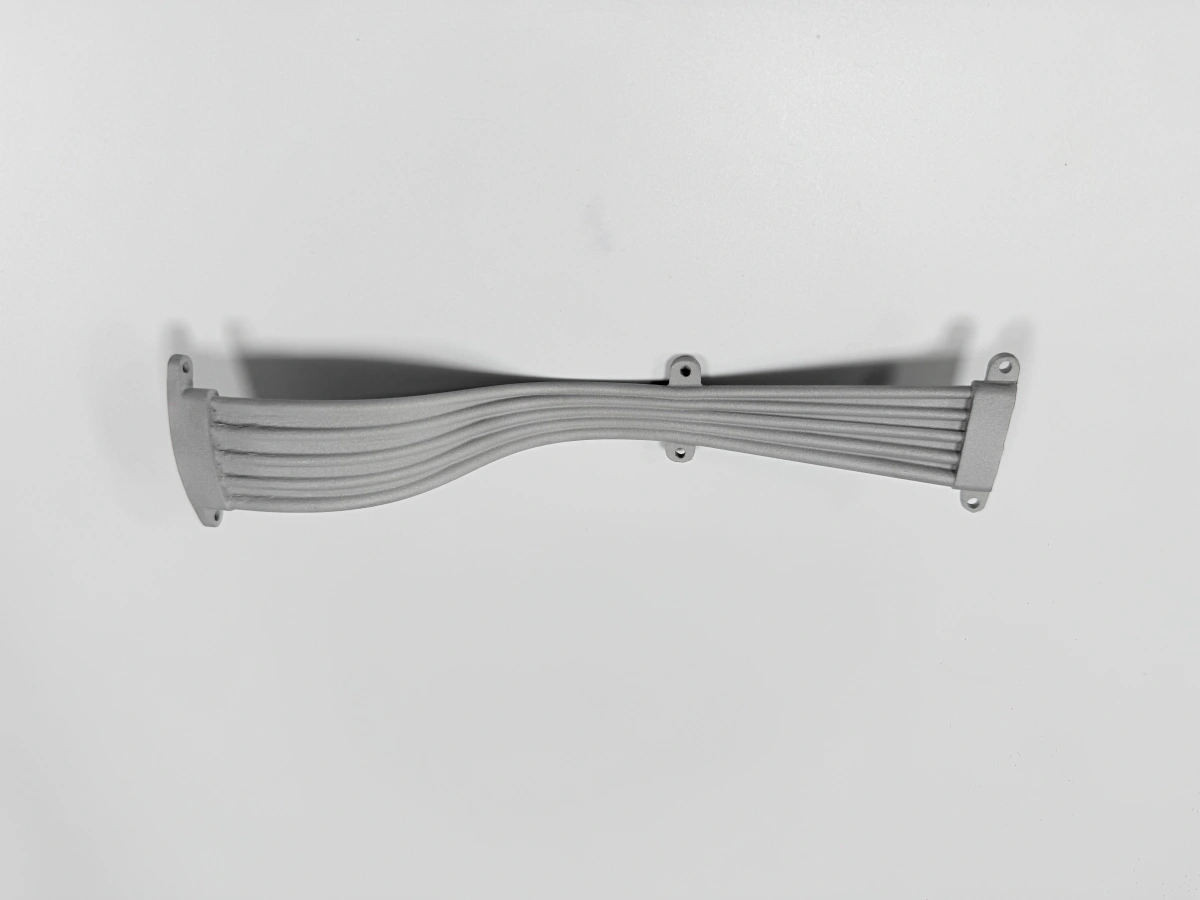
A titanium 3D printing service RFQ is useful when the part function justifies additive manufacturing instead of starting from bar, plate, forging, or a machined billet. Titanium AM is often reviewed for lightweight brackets, aerospace structures, medical instruments or fixtures, thin-wall ducts, lattice-backed parts, and low-volume custom components. It is less convincing for simple plates, shafts, rings, and flanges where CNC machining can reach the geometry directly.
For titanium, the RFQ also needs more discipline than a generic metal print request. Ti-6Al-4V, Grade 23, and TA15 are not interchangeable labels; they point to different application expectations, powder availability, heat treatment discussions, and documentation needs. Titanium powder and printed titanium parts are sensitive to oxygen pickup and processing history, so material handling, thermal processing, and inspection records can affect acceptance.
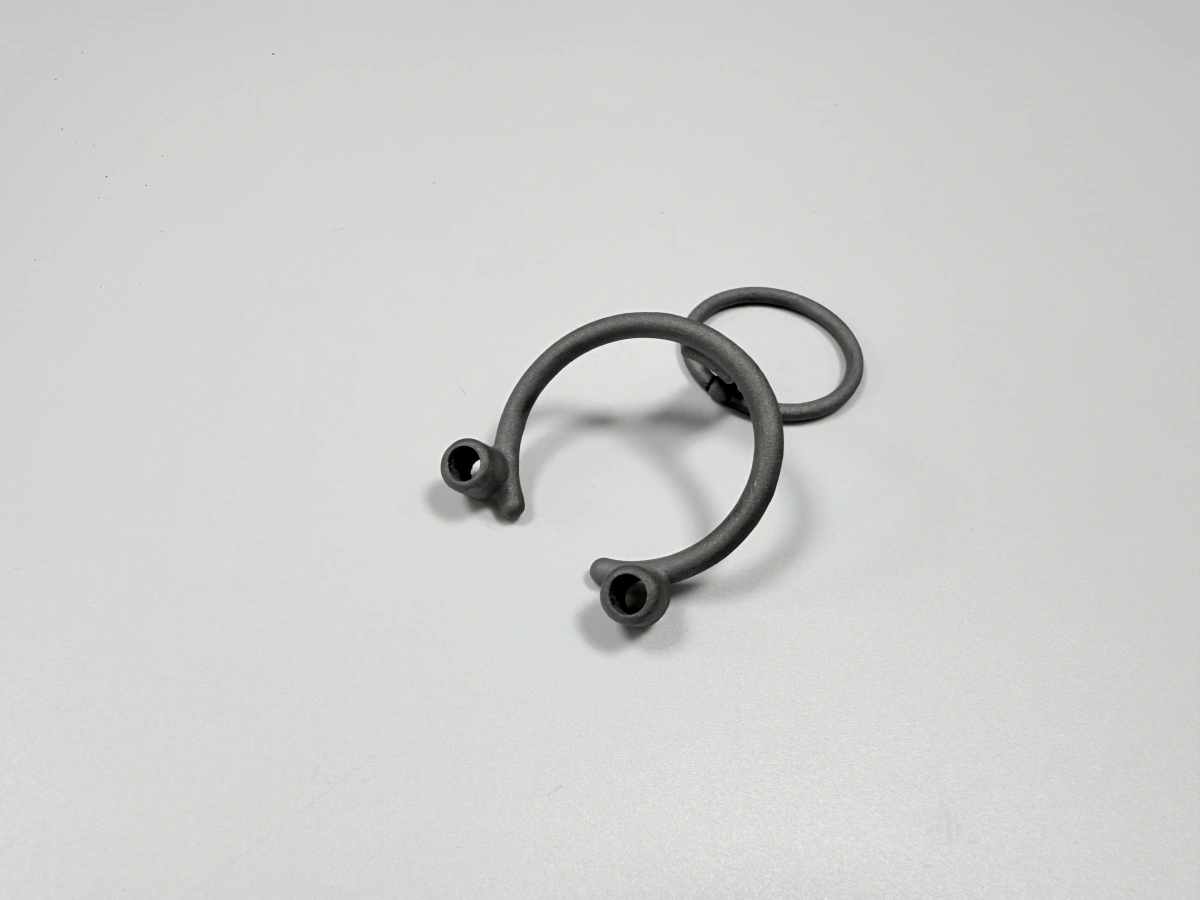
Neway evaluates custom titanium printed parts by connecting alloy route, process choice, distortion risk, post-machining, and prototype or low-volume intent. The aim is to quote a manufacturable part boundary, not only a raw printed shape.
Choose the Titanium Alloy Route Before Freezing the Quote
Titanium 3D printing RFQs should name the intended alloy or allow a controlled alternative review. Ti-6Al-4V is commonly discussed for functional titanium parts where strength, weight reduction, and established additive manufacturing practice matter. Grade 23, often associated with ELI requirements, is usually considered when the buyer's application or specification calls for tighter material expectations and traceability. TA15 can be relevant for aerospace structural discussions, but availability, print route, and post-processing expectations should be checked before it is treated as a direct substitute.
Material selection should follow the part's job. A lightweight aerospace bracket, a medical test fixture, a robotics end effector, and a thermal duct do not carry the same risk. If the buyer has a mandatory material specification, send it with the drawing. If the material is open, state the reason for titanium: weight, corrosion resistance, fatigue concern, temperature exposure, biocompatibility-related customer requirements, or assembly compatibility.
Titanium also deserves an early discussion about oxygen sensitivity and thermal exposure during processing. The RFQ does not need to prescribe the supplier's internal handling method, but it should state whether the buyer needs material records, heat treatment records, or any oxygen-related acceptance requirement from its own specification. A decorative prototype, a lightweight machine bracket, and a medical-adjacent fixture can justify different documentation packages.
Titanium route | RFQ situation where it may fit | Review point before quoting |
|---|---|---|
Ti-6Al-4V / TC4 | Functional lightweight parts, brackets, housings, custom titanium components | Build orientation, stress relief, CNC interfaces, inspection scope |
Grade 23 / Ti-6Al-4V ELI | Projects with buyer-specified material cleanliness or medical-adjacent documentation needs | Material records, surface zones, cleaning access, customer standards |
TA15 | Aerospace structural concepts where TA15 is specified or under evaluation | Powder availability, heat treatment route, fatigue-sensitive surfaces |
Commercially pure titanium | Corrosion-focused or lower-strength parts when specified | Strength requirement, process fit, machinable features |
PBF and EBM Are Different Titanium Manufacturing Choices
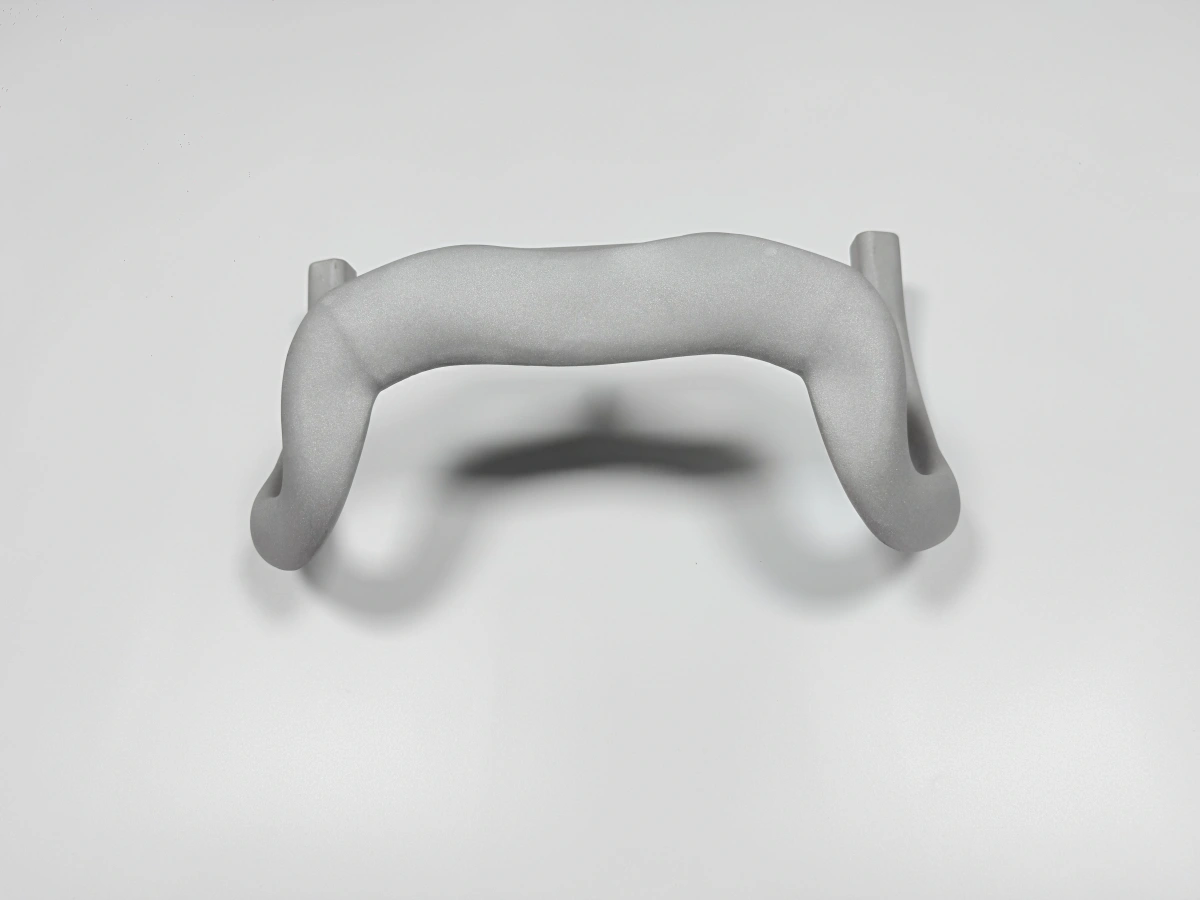
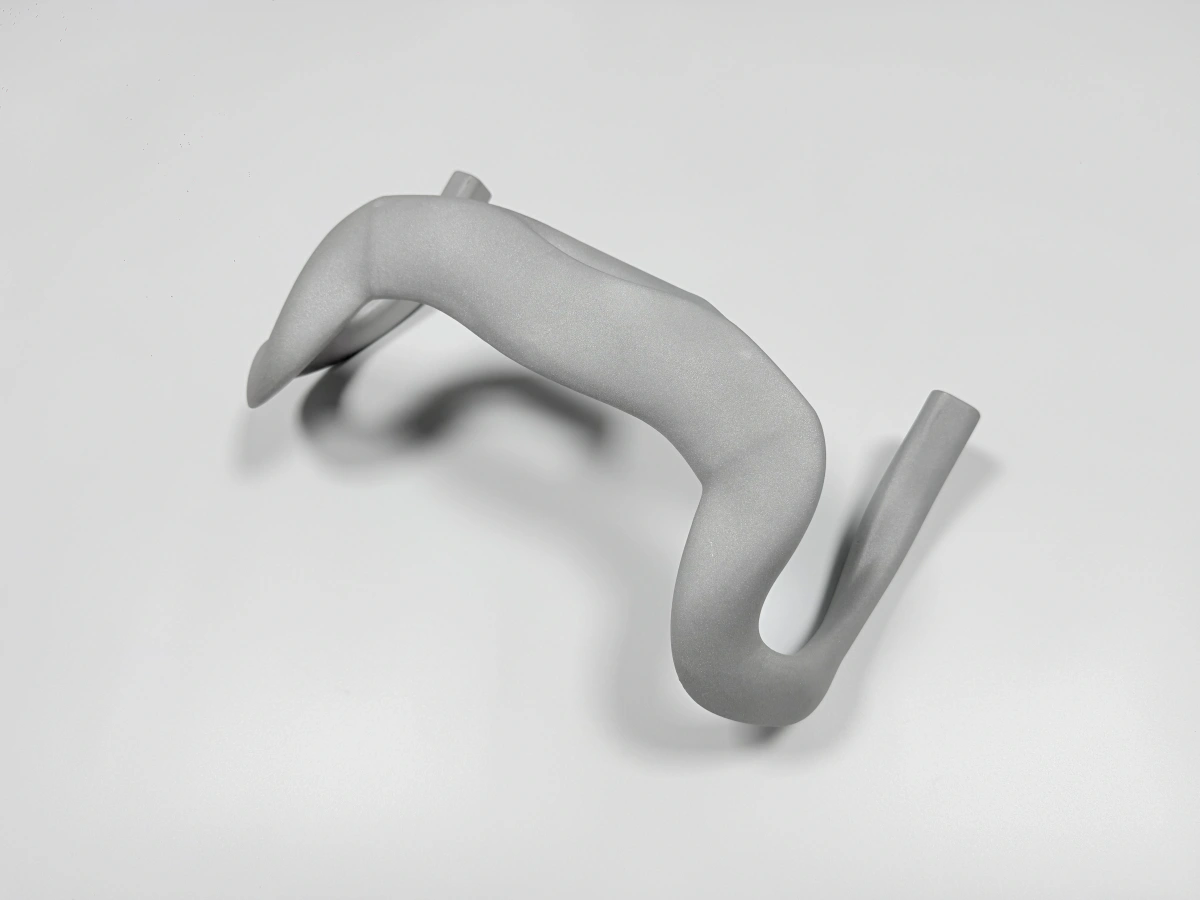
Powder bed fusion is often reviewed for detailed titanium parts with thin ribs, small bosses, organic shapes, and compact internal features. It can support low-volume custom titanium parts, but build orientation affects supports, surface condition, residual stress, and machining access. A titanium part with one critical flat face may need a different orientation than a part with several internal passages.
EBM may be considered for selected titanium applications where the process route and part requirements align, especially when the buyer already understands the acceptance implications. It should not be assumed to be better or worse than laser-based routes without geometry and specification review. The RFQ should ask for process recommendation only after naming the part function, wall features, required surfaces, and inspection expectations.
Binder jetting or other routes can appear in broad titanium conversations, but for functional titanium RFQs the buyer should confirm whether density, material condition, feature resolution, and records fit the intended use. A quote comparison that mixes process types without stating final acceptance condition can be misleading.
Thin Walls, Supports, and Residual Stress Control Titanium Feasibility
Titanium AM parts often fail the RFQ review at geometry details rather than alloy name. Thin walls may distort during thermal processing. Long unsupported edges can need supports that leave cleanup marks. A deep internal channel may be difficult to remove powder from. Sharp transitions can create stress concentration concerns on fatigue-sensitive parts. Large flat surfaces may move after stress relief if the design has uneven section thickness.
Support strategy should be discussed before pricing. Surfaces hidden inside ducts, mating faces, and cosmetic or flow-facing areas should be marked so supports are not placed where cleanup is impossible or unacceptable. If a surface can be machined after printing, support scars may be manageable. If a surface must remain as printed, the buyer should state the acceptance requirement instead of relying on a general tolerance note.
Residual stress is part of the commercial decision. Stress relief may be needed before removing supports or before final machining, depending on geometry. Thin-wall titanium parts, lattice-backed features, and asymmetric brackets deserve a different review than compact solid blocks.
CNC Finishing Is Required on Titanium Interfaces That Control Assembly
Custom titanium 3D printed parts commonly need CNC machining after printing. Threads, precision bores, bearing seats, sealing faces, dowel holes, and datum pads should not be treated as final as-printed features unless the drawing explicitly permits it. Machining allowance should be present in the model or approved before the build.
For titanium, the fixture plan can be as important as the cutting operation. Organic lightweight shapes may lack stable clamping surfaces. Adding sacrificial pads, datum bosses, or machining tabs can reduce uncertainty for prototype and repeat orders. If the part is a simple milled titanium bracket with no internal features or consolidation benefit, CNC from stock may be the more practical sourcing route.
EDM or special finishing can be considered for narrow slots or hard-to-reach features, but the RFQ should identify whether those features are functional, clearance-only, or cosmetic. That distinction prevents overpricing non-critical surfaces.
Stress Relief, Heat Treatment, and HIP Serve Different Purposes
Heat treatment language should be specific. Stress relief is often discussed to reduce residual stress and stabilize the part before support removal or machining. A different heat treatment may be required when the drawing or material specification calls for a particular condition. The buyer should not use one generic note for every titanium part.
HIP is a separate decision. It may be required for fatigue-sensitive, pressure-relevant, or production-intent titanium parts, or when the buyer's specification expects it. It may be optional for a fit-check prototype or a non-critical fixture. Asking for HIP as a separate price line can help compare prototype cost against production-intent cost.
Final CNC is often planned after stress relief or heat treatment when movement could affect critical surfaces. Bores, sealing faces, and threads should usually be finished in the final material condition. If a buyer wants rough machining before heat treatment and finish machining afterward, that sequence should be named.
Prototype and Low-Volume Titanium Orders Need Different Quote Boundaries
A single titanium prototype may focus on geometry risk, support access, and a limited set of machined interfaces. A low-volume repeat order needs stronger control of nesting, orientation, fixture strategy, inspection records, and repeatable surface finishing. The first quote should say which stage applies.
For prototypes, buyers can sometimes reduce cost by limiting inspection to functional dimensions, allowing selected as-printed surfaces, and accepting DFM adjustments. For low-volume production, the quote should define batch inspection, material records, heat treatment records, HIP if required, CNC datums, and any first-article requirements. These decisions belong before purchase order release, not after the first parts arrive.
Send STEP files, 2D drawings, alloy grade, quantity, prototype or repeat stage, application environment, critical surfaces, threaded or precision features, heat treatment and HIP expectations, CNC allowance, surface finish zones, inspection records, and target delivery need. If simple titanium machining is acceptable, say so; the supplier can then compare AM against CNC rather than forcing every part into a print route.
Related FAQs
How does Ti-6Al-4V compare with CP Ti and Grade 23 in additive manufacturing?
Which titanium alloy grades are best suited for 3D printing applications?
How does EBM compare with SLM and DMLS for titanium components?
What information is needed for a titanium 3D printing quote?
Which titanium alloy is best for 3D printed parts: TC4, TA15, or Grade 23?
Does Ti-6Al-4V 3D printing require heat treatment, HIP, or CNC machining?
Is TA15 titanium suitable for aerospace 3D printed structural parts?
.webp)