TA15 Titanium AM for Heat-Stable Aerospace Structure Buyer RFQs
TA15 titanium AM should be reviewed when an aerospace structure needs more than a familiar titanium alloy name. Buyers usually raise TA15 for heat-stable titanium structures, bracket-like hardware, or development parts where material choice, powder availability, heat exposure, and fatigue-sensitive surfaces affect the RFQ. The quote should not start from a material name alone.
Neway treats TA15 requests as an engineering review for geometry, route maturity, post-processing, and finished interfaces. A part may be printable, but the buyer still needs to confirm whether TA15 is available for the required process, whether the drawing permits an alternate titanium route, and which fastener pads, bores, datum faces, or edges need machining and inspection.
This article helps buyers prepare TA15 titanium 3D printing service RFQs for aerospace and aviation development parts. It uses cautious engineering language because heat-stable structural use depends on the buyer's drawing, specification, qualification plan, and acceptance requirements.
When TA15 Is Raised for Aerospace Titanium Structures
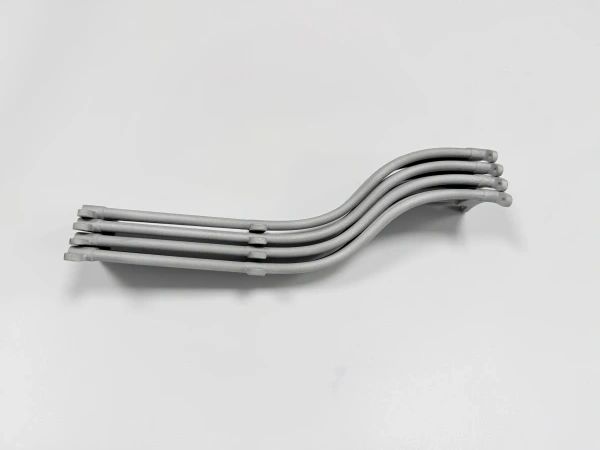
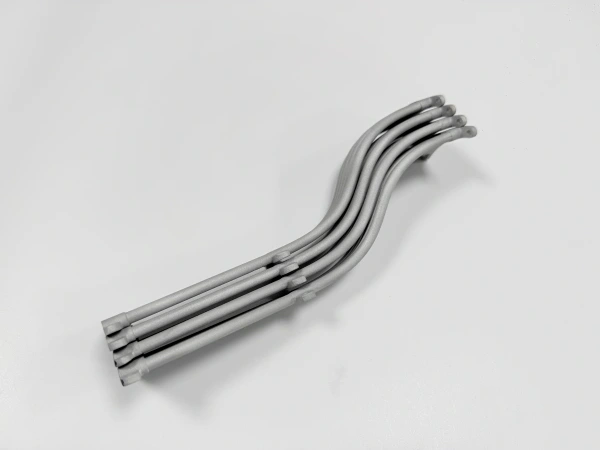
TA15 is usually discussed for titanium structural parts where heat exposure, stiffness, and fatigue-sensitive service are part of the buyer's concern. In an additive manufacturing RFQ, that does not automatically make TA15 the correct route. The part geometry still needs to justify AM through weight reduction, load-path shaping, internal features, low-volume development, or consolidation of several machined details.
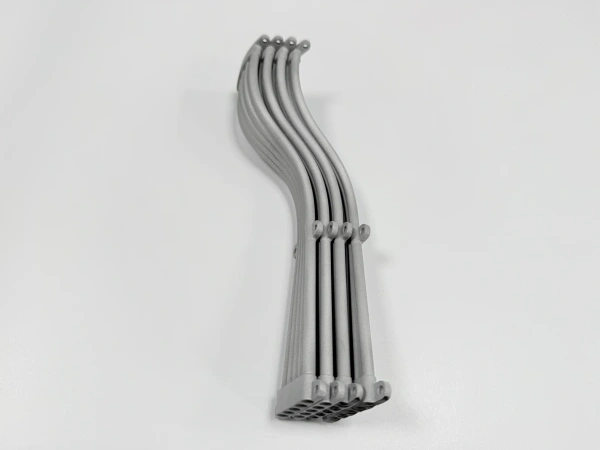
For aerospace bracket and structural hardware, the first review should separate the structural shell from the functional interfaces. Ribbed arms, curved load paths, pocketed bodies, and topology-driven shapes may support a powder bed fusion review. Bolt pads, pin holes, datum feet, and mating faces usually need controlled machining and measurement. TA15 does not remove that finished-part work.
The buyer should also state the application environment without overstating qualification. If the part is a prototype, test coupon carrier, fixture, or flight-intent development component, the RFQ should say so. Neway can quote manufacturing support, but aerospace approval and final qualification remain subject to the buyer's specification and review process.
Material Availability Questions Before a TA15 Quote
Material availability can control TA15 timing more than geometry. Ti-6Al-4V is commonly requested in titanium AM, while TA15 may require additional material route review. Buyers should confirm whether TA15 is mandatory, whether an equivalent or alternate titanium alloy can be considered, and what documentation is required for material acceptance. If the material requirement is locked, the quote may need more time for sourcing and engineering confirmation.
Powder, process route, and records should be discussed together. A buyer asking for high temperature metal 3D printing service may care about the thermal environment, but the supplier still needs a drawing material callout, expected post-processing, and acceptance evidence. If a buyer simply writes TA15 without a standard, heat treatment note, or inspection package, the quote may miss the actual decision that purchasing needs to compare.
If material availability is uncertain, it is useful to ask for two quote paths: TA15 if available for the required route, and a more practical titanium route if the drawing permits it. That does not change the engineering requirement; it gives the buyer a documented decision point before PO release.
Material lock should happen before the supplier freezes build orientation and support strategy. If the buyer later changes from TA15 to another titanium alloy, the quote may need review for powder route, thermal processing, machining behavior, and record package. For aerospace purchasing, this is not clerical cleanup; it can change which evidence is meaningful at receiving.
Requirement | TA15 relevance | RFQ risk | Alternate route to review | Buyer input |
|---|---|---|---|---|
Heat-stable titanium structure | May be raised when the drawing favors TA15 | Material name without specification can delay quoting | Ti-6Al-4V if allowed by design authority | Provide material standard and use environment |
Aerospace bracket geometry | Useful to review when AM reduces weight or combines features | Simple brackets may not justify printing | CNC from titanium stock for simple shapes | Send STEP, drawing, and load-path intent |
Fatigue-sensitive surface | Support contact and surface state require planning | As-printed surface may not match acceptance needs | Reorient, machine, blend, or redesign the area | Identify no-support and finish-critical zones |
Fastener interface | TA15 body may be printed, but pads and holes need finishing | Printed holes can create assembly risk | CNC pads, drilling, boring, and CMM after processing | Mark bolt holes, datums, and fit requirements |
Repeat low-volume lot | Route must be stable enough to repeat | Prototype shortcuts can become lot risks | Freeze material, orientation, heat treatment, and inspection scope | Define records needed with every shipment |
Heat Exposure and Fatigue-Sensitive Surfaces in AM Design
Heat exposure should be described as an operating condition, not as a vague alloy preference. If the part sits near a warm engine bay, test rig, duct, or fixture, the RFQ should state the environment and the buyer's acceptance criteria. Neway should not invent performance limits or assume aerospace-grade acceptance from the words TA15 and aerospace.
Fatigue-sensitive surfaces need early orientation review. A support scar, stair-step surface, sharp notch, or rough transition in a highly loaded region may require a different build orientation, additional stock, machining, blending, or a design change. If the part has edges that require controlled radii, those edges should be called out on the drawing. The quote should identify whether finishing is local or general.
Heat treatment should be specified by requirement rather than requested as a generic afterthought. Stress relief may be needed for residual stress and support removal risk. Other thermal processing depends on the material route and buyer specification. If the buyer requires HIP, that should be listed separately because it changes both cost and inspection planning.
CNC Pads and Fastener Interfaces for TA15 Parts
Aerospace structures often fail supplier comparison at the interface level. A printed TA15 body may satisfy the shape concept, while bolt pads, bushings, threaded inserts, mating faces, datum feet, and close-fit bores require CNC machining. If these features are not named, one quote may include only a printed blank and another may include a finished assembly-ready component.
Machining stock should be planned before printing. Thin bracket ears may distort when supports are removed. Thick pads may need enough allowance after stress relief. A bore that locates a fastener pattern should be machined from stable datums, not from a convenient printed edge. For high-value aerospace development parts, CMM inspection should normally be tied to the finished datum scheme, not the raw printed outline.
Buyers can reduce quote ambiguity by marking interface classes on the drawing: as-printed, blended, machined, no-support, inspected, and evidence-required. That simple separation helps Neway decide where AM creates value and where subtractive finishing carries the real acceptance risk.
Repeat orders need one more control point: the prototype route should not be treated as automatically frozen unless the buyer approves it. If the first TA15 part used temporary support contact on a nonfunctional face, local blending, and limited dimensional checks, the next lot should state whether those same choices remain acceptable. Changing the inspection package after the first lot can make supplier comparison misleading.
When Ti-6Al-4V May Be the More Practical RFQ Route
TA15 is worth evaluating when the application and drawing justify it, but Ti-6Al-4V may be the more practical RFQ route when the main goal is fast titanium prototype review, fit testing, bracket shape validation, or a low-volume part without a locked TA15 requirement. The buyer should not switch alloys without engineering approval, but it is reasonable to ask whether the material is mandatory or only preferred.
A reliable RFQ for TA15 titanium AM should include the STEP file, 2D drawing, required material standard, quantity, aerospace development stage, heat exposure notes, load or fatigue-sensitive regions, no-support surfaces, fastener interfaces, machined pads, threads, bores, heat treatment or HIP expectations, surface finish, inspection records, and target delivery timing. If an alternate titanium route is allowed, state the decision rule in the request.
The useful buying question is not whether a supplier recognizes TA15. It is whether the supplier can explain material availability, AM value, finishing boundaries, and acceptance evidence without making unsupported performance or qualification claims.
Related FAQs
.webp)