What post-processing methods are commonly used for PA11 printed parts?
What post-processing methods are commonly used for PA11 printed parts?
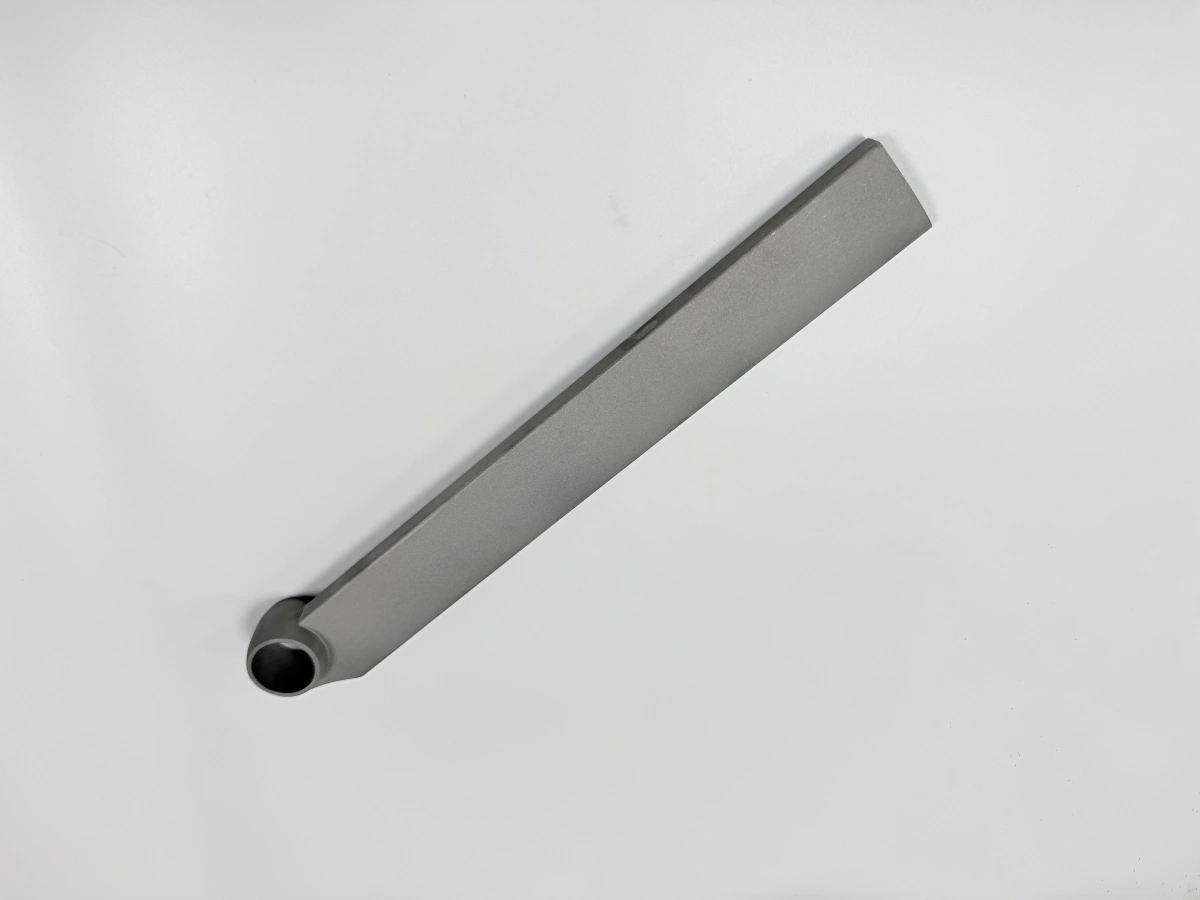
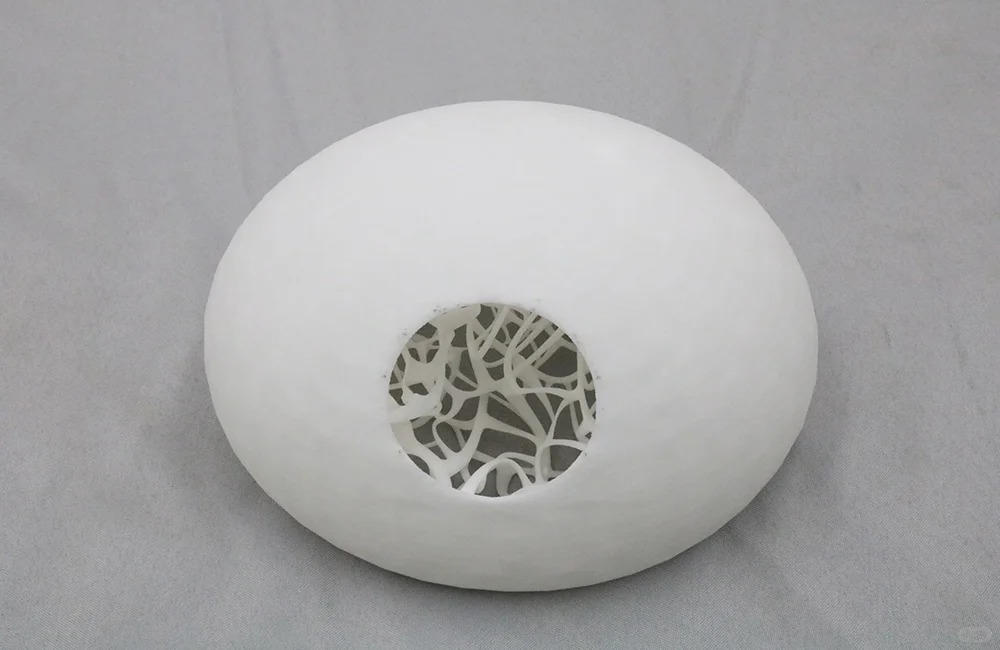
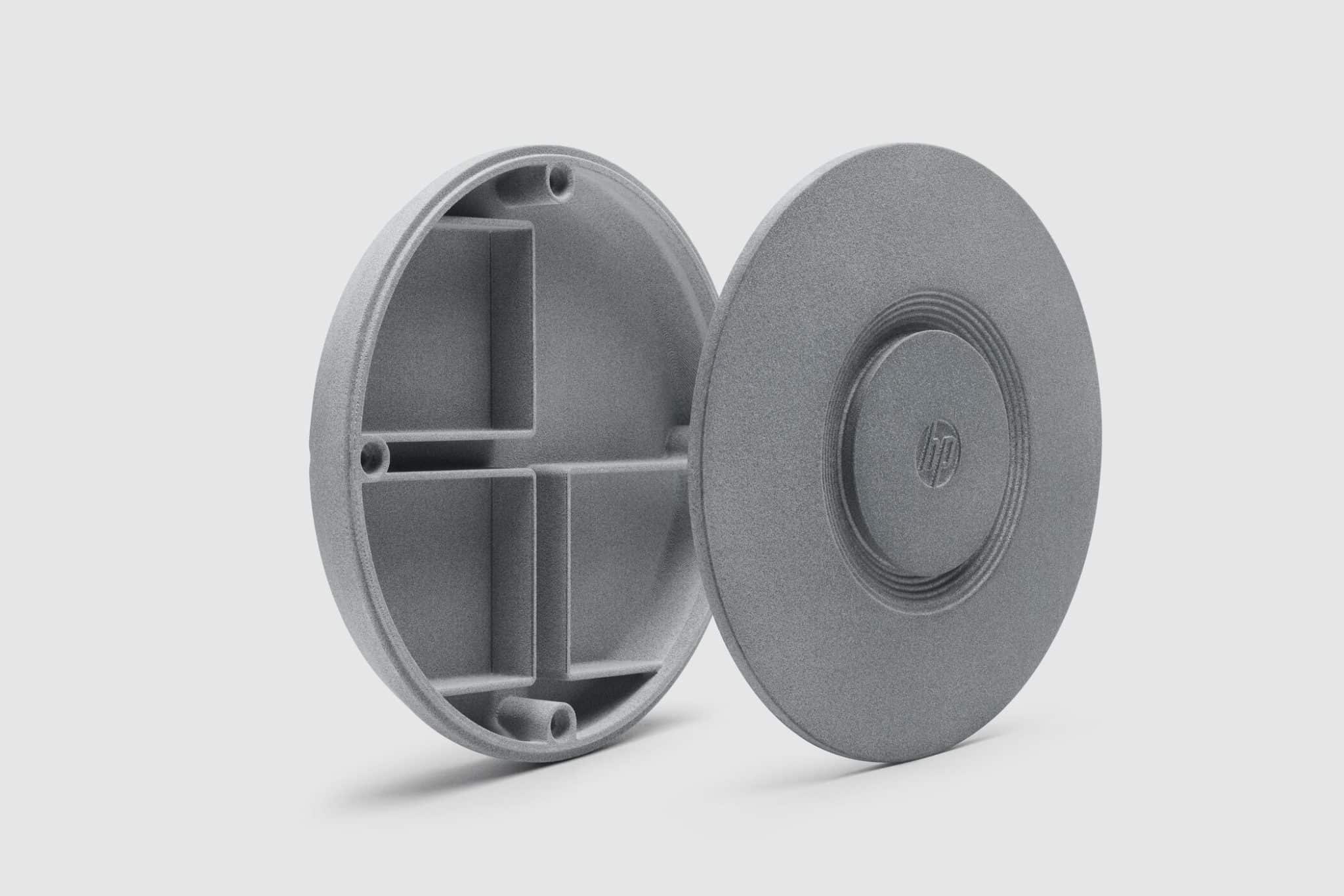
Polyamide 11 (PA11) parts produced via SLS or MJF typically emerge with a slightly rough, powdery surface. Post-processing is essential to improve surface quality, aesthetics, mechanical properties, and functional performance.
1. Overview of Common PA11 Post-Processing Methods
Method | Primary Benefit | Typical Result |
|---|---|---|
Surface cleaning & texture uniformity | Matte, smooth finish; removes loose powder | |
Dyeing (Color Infusion) | Aesthetic customization | Deep, uniform color throughout the part |
Vapor Smoothing | Glossy, watertight surface | Shiny, sealed surface; improved chemical resistance |
Mechanical property enhancement | Increased crystallinity, stiffness, and thermal stability | |
High-gloss, smooth finish | Reduced surface roughness (Ra < 1 µm) | |
Protection & decoration | UV resistance, wear resistance, custom colors | |
Batch surface finishing | Uniform deburring and edge rounding |
2. Detailed Description of Each Method
① Media Blasting (Sandblasting) The most common first-step post-process for SLS/MJF PA11 parts. Abrasive media (glass beads, aluminum oxide, or baking soda) removes unsintered powder and creates a uniform matte surface. This essential surface prep technique is required before dyeing, painting, or vapor smoothing.
② Dyeing (Color Infusion) PA11 readily absorbs fabric dyes (e.g., acid dyes or disperse dyes) in hot water baths (70–90°C). Dyeing penetrates the part surface to a depth of 0.1–0.5 mm, producing rich, scratch-resistant colors without affecting texture. Common for consumer electronics, fashion/jewelry, and medical device housings.
③ Vapor Smoothing Exposing PA11 parts to solvent vapors (e.g., acetic acid or specific proprietary solutions) briefly melts the outer layer, creating a glossy, sealed surface. This method reduces surface roughness (Ra from ~6–8 µm to <1 µm), improves water/chemical resistance, and adds a premium feel. However, it may slightly reduce dimensional accuracy (±0.1–0.2 mm change).
④ Heat Treatment (Annealing) PA11 parts can be heat treated at 80–120°C for 1–4 hours to increase crystallinity. Benefits include: - Increased stiffness (flexural modulus ↑ 10–20%) - Improved thermal stability (HDT up to 150°C) - Reduced residual stress - Slight dimensional shrinkage (0.1–0.3%) — must be accounted for in design.
⑤ Polishing (Mechanical or Chemical) For high-gloss requirements, mechanical polishing or chemical smoothing can be applied. Polishing techniques achieve Ra < 0.5 µm, suitable for transparent or decorative PA11 parts. However, polishing removes material and may alter fine features.
⑥ Coating PA11 accepts various surface treatments and coatings: - Painting: Custom colors with painting for UV protection or branding. - PVD Coating: PVD coating adds metallic finishes with enhanced surface hardness. - Anti-scratch coatings: Improve wear resistance for high-touch applications.
⑦ Tumbling For high-volume production, tumbling with ceramic or plastic media deburrs and uniformly rounds edges. Ideal for small PA11 parts like clips, fasteners, and connectors where batch finishing is cost-effective.
3. Recommended Post-Processing Workflows for PA11
Application Requirement | Recommended Workflow |
|---|---|
Basic functional part (no aesthetics) | Media blasting only |
Colored part with matte finish | Media blasting → Dyeing |
Smooth, water-resistant surface | Media blasting → Vapor smoothing |
High-gloss, sealed, premium feel | Media blasting → Vapor smoothing → Polishing (optional) |
Increased stiffness & heat resistance | Media blasting → Heat treatment (annealing) → (optional dyeing) |
Metallic decorative finish | Media blasting → Vapor smoothing → PVD coating |
Mass-produced small parts | Tumbling → Dyeing or coating |
4. Effect of Post-Processing on PA11 Properties
Property | As-Built (Bead Blasted) | After Vapor Smoothing | After Heat Treatment (Annealed) |
|---|---|---|---|
Surface Roughness (Ra) | 6–10 µm | <1 µm (glossy) | 4–8 µm (unchanged) |
Tensile Strength | 40–45 MPa | 38–42 MPa (slight decrease) | 42–48 MPa (slight increase) |
Elongation at Break | 200–300% | 150–200% (reduced) | 100–200% (reduced) |
Flexural Modulus | 900–1100 MPa | 900–1100 MPa | 1100–1300 MPa (↑ 10–20%) |
Water Absorption (24h) | ~0.3% | <0.1% (sealed surface) | ~0.3% (unchanged) |
5. Important Considerations
Dimensional accuracy: Vapor smoothing can reduce critical dimensions by 0.05–0.15 mm per surface. Heat treatment causes slight shrinkage (0.1–0.3%). Always compensate in design.
Mechanical trade-offs: Vapor smoothing increases surface gloss and chemical resistance but may reduce elongation and impact strength. Annealing increases stiffness but reduces ductility.
Cost & lead time: Basic media blasting adds 1–2 days. Dyeing adds 1 day. Vapor smoothing and coating add 2–5 days. Batch tumbling is most economical for large volumes.
Compatibility: Not all PA11 grades respond identically to vapor smoothing or dyeing. Always test on representative samples.
6. Industry Applications of Specific Post-Processes
Automotive: Heat-treated PA11 for under-hood clips and brackets requiring higher HDT. Dyeing for interior trim color matching.
Medical: Vapor-smoothed PA11 for fluid-handling components (sealed, easy-to-clean surfaces).
Consumer Electronics: PVD-coated or dyed PA11 for premium wearable device housings.
Sports & Recreation: Tumbled and dyed PA11 for helmet clips and buckles.
Selecting the right post-processing sequence for PA11 depends on your balance of surface quality, mechanical requirements, production volume, and budget. For functional prototypes, simple blasting suffices. For end-use consumer products, vapor smoothing or dyeing combined with coating delivers premium results.
For further guidance, explore typical surface treatments for 3D-printed parts, typical post-processes for 3D printed parts, and plastic 3D printing services. For material-specific data, refer to plastics and materials pages.