Quels matériaux sont adaptés à l'impression 3D CLIP ?
Introduction aux capacités des matériaux CLIP
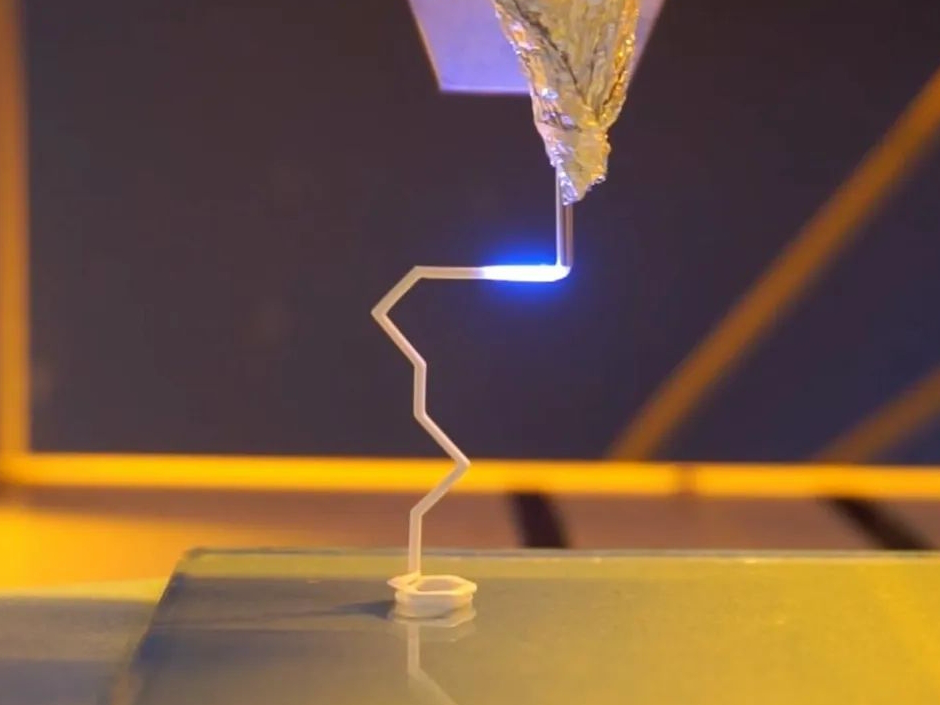
La technologie de Production Continue par Interface Liquide représente une forme avancée de photopolymérisation en cuve qui permet des vitesses d'impression exceptionnelles et une qualité de surface supérieure grâce à une fenêtre perméable à l'oxygène créant une interface liquide persistante. Ce procédé sophistiqué prend en charge une large gamme de matériaux photopolymères conçus pour offrir des propriétés mécaniques, thermiques et esthétiques spécifiques pour diverses applications. Notre expertise en Photopolymérisation en Cuve englobe la technologie CLIP et les technologies associées pour faire correspondre les propriétés des matériaux aux exigences du projet.
Matériaux standards et de prototypage
Résines de prototypage à usage général
Les résines de prototypage standard pour les systèmes CLIP offrent des propriétés mécaniques équilibrées adaptées aux modèles conceptuels, aux prototypes de forme-ajustement-fonction et aux présentations visuelles. Ces matériaux offrent une excellente finition de surface avec des résolutions typiques de 25 à 100 microns, capturant les détails fins essentiels pour la validation de la conception. Pour les boîtiers d'Électronique grand public et les composants intérieurs Automobiles, ces résines permettent une itération rapide avec des pièces qui représentent fidèlement l'esthétique du produit final et le comportement mécanique de base.
Matériaux à traitement rapide
Le processus d'impression continu de la technologie CLIP bénéficie de résines spécialement formulées optimisées pour une cinétique de polymérisation rapide. Ces matériaux maintiennent l'intégrité mécanique tout en permettant des vitesses de production 5 à 10 fois plus rapides que les systèmes conventionnels par couches. Pour les applications d'Éducation et Recherche nécessitant de multiples itérations de conception, ces matériaux rapides accélèrent le cycle d'apprentissage et de développement.
Matériaux de performance de qualité ingénierie
Formulations robustes et durables
Les matériaux de qualité ingénierie pour les systèmes CLIP offrent des performances mécaniques approchant celles des thermoplastiques moulés par injection. Les Résines Robustes offrent une résistance aux chocs et une ductilité adaptées aux tests fonctionnels d'assemblages à encliquetage et de composants mécaniques. Ces matériaux présentent généralement un allongement à la rupture de 40 à 80 % et des résiliences comparables à l'ABS et au polypropylène, permettant une validation réaliste des conceptions destinées à la production.
Performance à haute température
Pour les applications impliquant des températures de service élevées, les Résines Haute Température compatibles CLIP maintiennent la stabilité dimensionnelle et les propriétés mécaniques à des températures de fonctionnement continues allant jusqu'à 200-300°C. Ces matériaux sont essentiels pour tester des composants destinés aux applications Automobiles sous le capot, aux boîtiers électroniques près de sources de chaleur et aux composants de manutention de fluides dans les systèmes d'Énergie et Puissance. Un Traitement Thermique post-traitement approprié peut encore améliorer les performances thermiques.
Matériaux flexibles et élastomères
La technologie CLIP prend en charge des matériaux flexibles qui combinent la liberté de conception de la fabrication additive avec des propriétés élastomères. Les Résines Flexibles atteignent des valeurs de dureté Shore allant de 30A à 90A avec un allongement à la rupture dépassant 200 % pour les formulations souples. Ces matériaux permettent la production de joints, de joints d'étanchéité, de poignées ergonomiques sur mesure et de composants nécessitant une absorption d'énergie ou un amortissement des vibrations.
Applications médicales et dentaires
Matériaux de qualité médicale biocompatibles
Le secteur Médical et de la Santé bénéficie des Résines Biocompatibles de Qualité Médicale certifiées pour diverses applications selon les normes ISO 10993. Ces matériaux permettent la production de guides chirurgicaux, de modèles anatomiques, d'instruments chirurgicaux personnalisés et de dispositifs spécifiques au patient avec une biocompatibilité documentée. La finition de surface exceptionnelle des matériaux traités par CLIP est particulièrement précieuse pour les applications médicales où les surfaces lisses réduisent l'adhésion bactérienne et améliorent le confort du patient.
Formulations spécifiques à la dentisterie
Les Résines Dentaires formulées pour la technologie CLIP prennent en charge une gamme complète d'applications dentaires, notamment :
Guides chirurgicaux pour la pose d'implants
Bases de modèles pour la planification diagnostique
Couronnes et bridges temporaires
Modèles pour gouttières orthodontiques
Bases et armatures de prothèses dentaires
Ces matériaux offrent des propriétés mécaniques appropriées, une biocompatibilité si nécessaire, et une compatibilité avec les flux de travail des laboratoires dentaires.
Matériaux spéciaux et avancés
Matériaux coulables pour le moulage à la cire perdue
Les Résines Coulables conçues pour les systèmes CLIP brûlent proprement pendant les processus de moulage à la cire perdue, laissant un résidu de cendre minimal. Ces matériaux sont essentiels pour les applications de Mode et Joaillerie, les restaurations dentaires et les composants industriels nécessitant des alliages métalliques, y compris l'Acier Inoxydable et les Alliages de Titane. Les caractéristiques de brûlage propre garantissent des résultats de coulée réussis sans contamination des métaux précieux ou fonctionnels.
Matériaux transparents et optiques
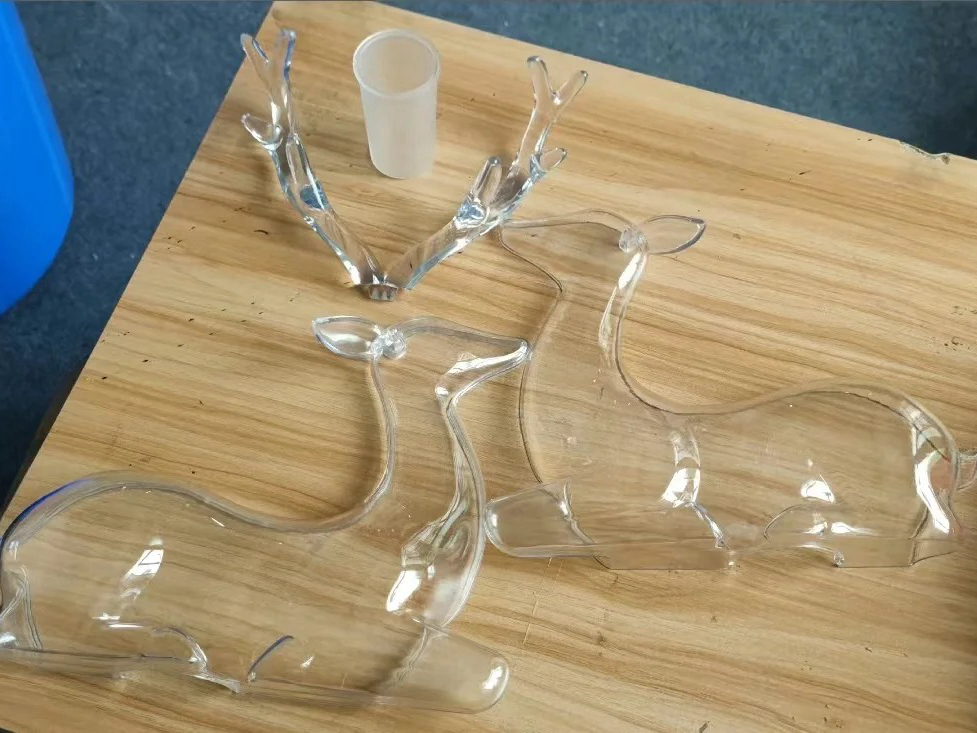
Les Résines Transparentes pour CLIP atteignent une clarté optique adaptée aux guides de lumière, à la visualisation des fluides et aux composants esthétiques nécessitant une translucidité. Le post-traitement avec des techniques de Traitement de Surface appropriées, y compris le ponçage et l'application d'un revêtement transparent, peut atteindre une transparence optique approchant celle de l'acrylique. Ces matériaux soutiennent le développement de dispositifs microfluidiques, le prototypage de lentilles et la validation de composants d'éclairage.
Matériaux chargés de céramique et composites
Les formulations avancées incorporent des charges céramiques ou métalliques pour améliorer des propriétés spécifiques. Les Résines Chargées de Céramique peuvent être imprimées puis frittées pour produire des composants en Céramique pure avec des propriétés approchant celles des céramiques traitées conventionnellement. De même, les résines composites avec des charges de verre ou minérales améliorent la rigidité, la stabilité thermique ou la résistance à l'usure pour des applications exigeantes dans les secteurs industriel et Aérospatial et Aviation.