Quelles industries bénéficient le plus de l'utilisation de la technologie CLIP ?
Pourquoi la technologie CLIP est précieuse pour la fabrication industrielle
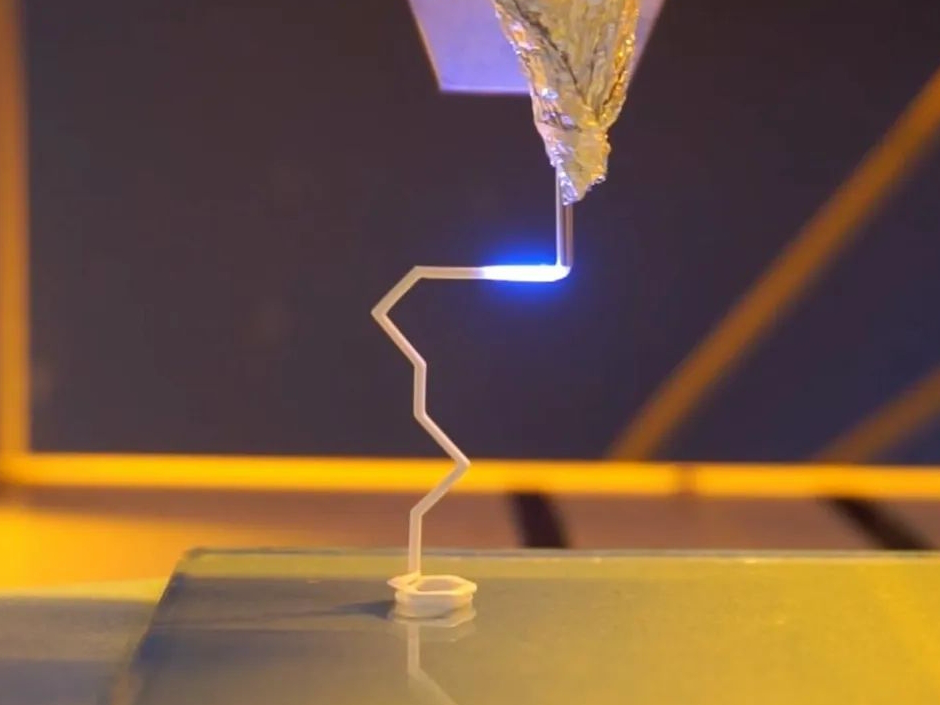
La production continue par interface liquide (CLIP) est une technologie de fabrication additive avancée qui permet la production rapide de composants polymères de haute précision. Contrairement aux méthodes traditionnelles couche par couche, la CLIP utilise un processus de polymérisation continue dans la catégorie de la fabrication additive Photopolymérisation en cuve. En projetant de la lumière ultraviolette à travers une fenêtre perméable à l'oxygène, le processus crée une croissance continue de l'objet imprimé plutôt que des couches discrètes.
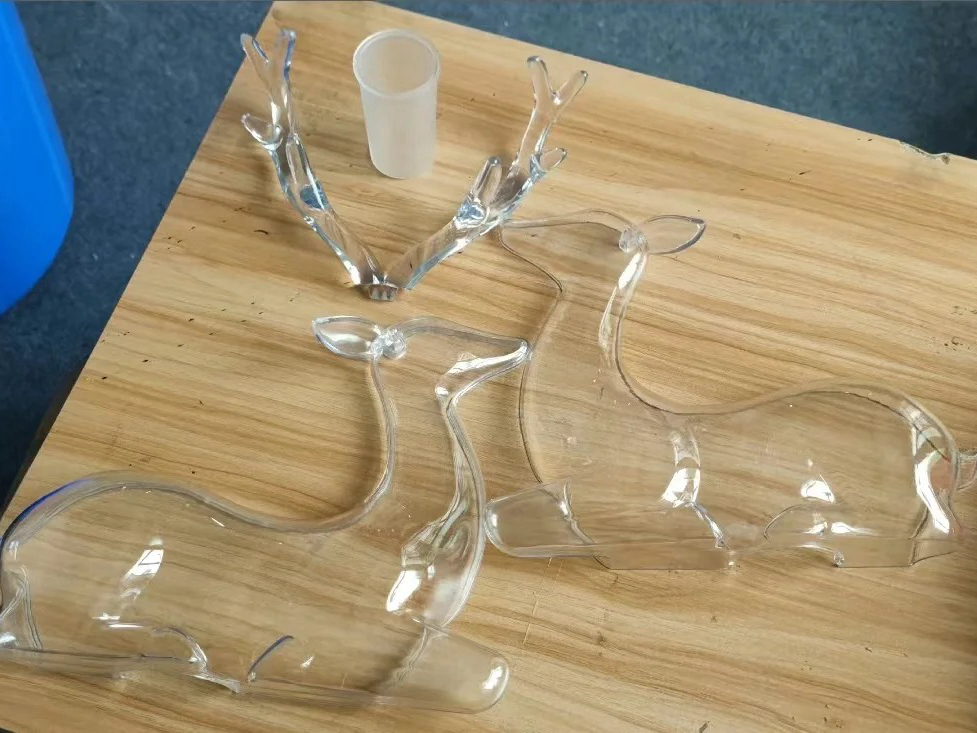
Grâce à des fournisseurs professionnels de Services d'impression 3D, les entreprises peuvent fabriquer des pièces détaillées et à surface lisse de manière significativement plus rapide que de nombreuses technologies d'impression par résine traditionnelles. Cet avantage de vitesse rend la CLIP particulièrement utile pour les industries qui nécessitent un développement rapide de produits et une production évolutive.
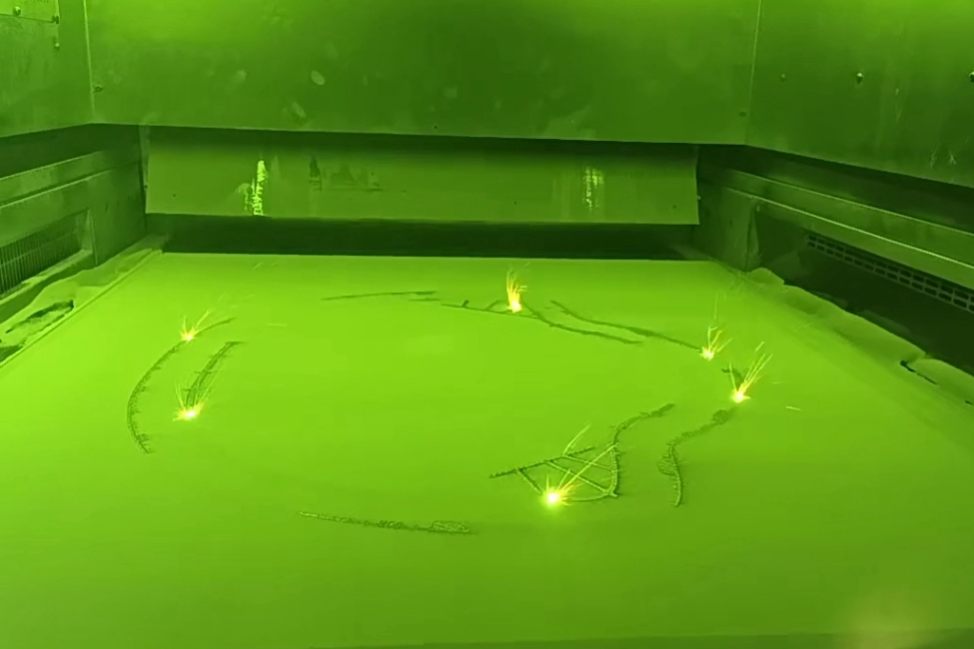
Dans les environnements de fabrication avancés, l'impression CLIP peut être utilisée aux côtés d'autres technologies additives telles que Extrusion de matière, Fusion sur lit de poudre, Projection de liant, et des processus de dépôt métallique hybrides comme le Dépôt d'énergie dirigée pour soutenir des flux de travail de fabrication diversifiés.
Industrie médicale et de la santé
Le secteur Médical et de la santé est l'une des industries qui bénéficient le plus de la technologie CLIP. La vitesse et la précision de la CLIP permettent aux fabricants médicaux de produire des dispositifs médicaux personnalisés, des produits dentaires, des guides chirurgicaux et des modèles anatomiques avec une grande précision.
Parce que la CLIP peut créer rapidement des surfaces lisses et des géométries complexes, elle est particulièrement utile pour les produits spécifiques au patient et la production en petite série d'équipements médicaux spécialisés.
Fabrication d'électronique grand public
L'industrie de l'Électronique grand public bénéficie également de manière significative de l'impression CLIP. Les entreprises utilisent fréquemment la technologie CLIP pour produire des prototypes très détaillés et des composants fonctionnels pour les dispositifs portables, les gadgets intelligents et les boîtiers électroniques compacts.
La finition de surface lisse produite par l'impression CLIP permet aux ingénieurs d'évaluer l'esthétique et l'ergonomie du produit avant de s'engager dans une production de masse.
Applications de fabrication et d'outillage
Les fabricants du secteur de la Fabrication et de l'outillage bénéficient de la technologie CLIP en produisant rapidement des gabarits personnalisés, des outils d'assemblage et des composants prototypes.
La vitesse de production rapide de la CLIP la rend particulièrement précieuse pour les environnements de fabrication où les modifications d'outillage et les itérations rapides de conception sont fréquemment requises.
Capacités des matériaux pour les applications industrielles
La technologie CLIP prend en charge une gamme de matériaux photopolymères avancés conçus pour des applications d'ingénierie. Une catégorie de matériaux courante comprend les Résines standard, qui sont largement utilisées pour les prototypes détaillés et les composants de précision.
Pour les pièces fonctionnelles nécessitant des performances mécaniques améliorées, les fabricants peuvent utiliser des Résines résistantes, qui simulent les propriétés des plastiques techniques.
Lorsque les applications nécessitent une flexibilité ou une résistance à la fatigue améliorée, des matériaux spécialisés tels que les Résines durables peuvent offrir une durabilité mécanique accrue.
Post-traitement pour les performances industrielles
Bien que l'impression CLIP produise directement des surfaces de haute qualité à partir du processus d'impression, certaines applications industrielles nécessitent des opérations de finition supplémentaires. Des processus de précision tels que l'Usinage CNC peuvent être utilisés pour affiner les dimensions critiques et atteindre des tolérances plus serrées.
Pour les pièces exposées à des températures élevées ou à des environnements difficiles, des revêtements protecteurs tels que les Revêtements barrières thermiques (TBC) peuvent améliorer la durabilité et la résistance à la chaleur et à l'oxydation.
Conclusion
La technologie CLIP offre des avantages significatifs pour les industries qui nécessitent une production à grande vitesse, une finition de surface lisse et une géométrie de composant détaillée. Des secteurs tels que la santé, l'électronique grand public et la fabrication bénéficient grandement de sa capacité à produire rapidement des composants polymères précis.
Alors que les technologies de fabrication additive continuent d'évoluer, la CLIP devrait jouer un rôle de plus en plus important dans la production industrielle en permettant des flux de travail de fabrication plus rapides, plus efficaces et hautement précis.